Karo, Stiffleaf cheesewood, Kaikaro, Kihiki, Kāro, Kihikihi
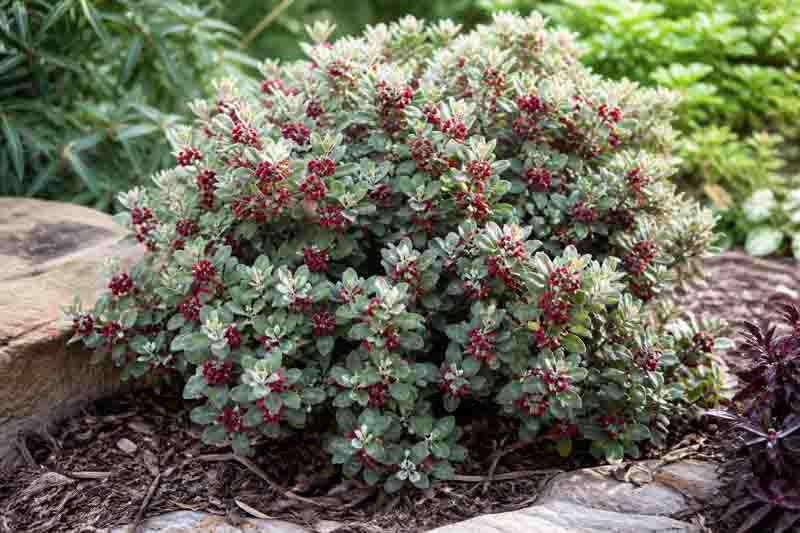


Pittosporum crassifolium, commonly called karo, caro, evergreen pittosporum, parchment bark, or New Zealand pittosporum, is a dense evergreen shrub or small tree grown for coastal hedges, windbreaks, privacy screens, and handsome silver-backed foliage. Native to New Zealand, it is especially useful in mild seaside gardens where wind, salt exposure, and year-round structure matter.
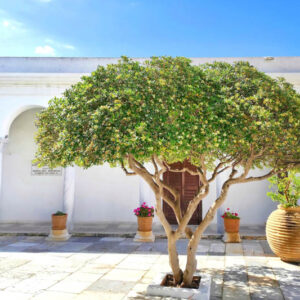
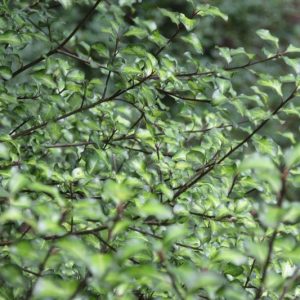
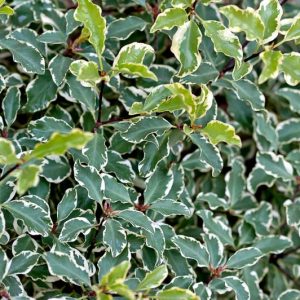
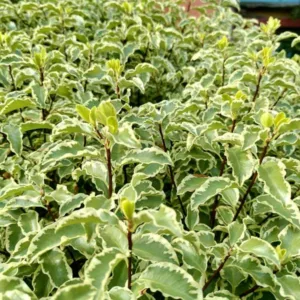
Karo has a quiet, architectural beauty. Its thick oval leaves are grey-green above and softly felted white to grey beneath, creating a silver flicker when wind moves through the branches. In spring, small fragrant flowers open in deep red, maroon, or purple shades, followed by woody capsules that split to reveal black seeds in sticky yellow pulp.
Pittosporum crassifolium is a tough evergreen shrub or small tree best suited to mild coastal gardens, informal hedges, windbreaks, and privacy screens. It grows best in full sun to partial shade, well-drained soil, and sites protected from severe frost or prolonged winter wet.
Use: Coastal screens, evergreen hedges, privacy planting, windbreaks, foundation planting, wildlife-friendly borders, and New Zealand or Mediterranean-style gardens.
Highlight: Thick grey-green leaves with pale felted undersides, fragrant dark red to purple spring flowers, and strong coastal tolerance.
Best conditions: Mild climate, full sun to partial shade, free-draining soil, and protection from hard frost.
| Botanical Name | Pittosporum crassifolium |
|---|---|
| Family | Pittosporaceae |
| Common Names | Karo, caro, evergreen pittosporum, parchment bark, New Zealand pittosporum |
| Native Range | New Zealand, especially northern coastal regions; naturalized or self-sown in some other mild areas |
| Plant Type | Evergreen shrub or small tree |
| Hardiness | Best in mild coastal climates; often suitable for USDA Zones 9-11 or equivalent mild-climate gardens |
| Height | Often maintained at 8-12 ft.; taller if unpruned in suitable climates |
| Spread | Usually 6-10 ft. wide in gardens; wider with age if unpruned |
| Sun Exposure | Full sun to partial shade |
| Soil | Well-drained sand, loam, gravelly, chalky, acidic, neutral, or mildly alkaline soil |
| Bloom Time | Spring |
| Flower Color | Deep red, maroon, purple, or reddish-purple |
| Water Needs | Regular while young; low to moderate once established |
| Wildlife Value | Flowers attract pollinators; birds disperse the sticky seeds |
| Pet and Child Safety | Ornamental, not edible; discourage chewing of leaves, flowers, fruit, or seeds |
Pittosporum crassifolium is a bushy evergreen shrub or small tree in the Pittosporaceae family. The species name crassifolium refers to its thick leaves, one of the plant’s easiest identification features. The foliage is leathery, oval to oblong, grey-green on top, and white to grey-felted underneath.
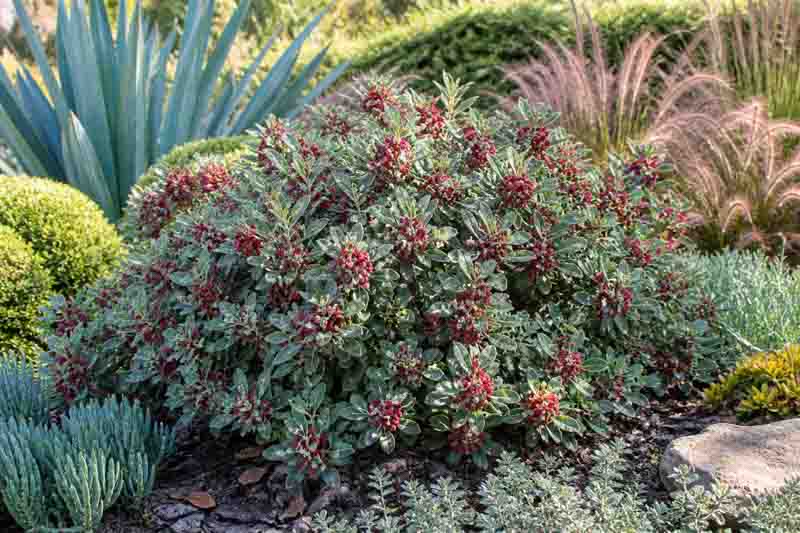
In gardens, karo is valued more for structure than for a large flower display. It can be clipped as a hedge, grown as a dense privacy screen, shaped near foundations, or allowed to mature as a small multi-stemmed tree. The pale leaf undersides, scented spring flowers, and tolerance of exposed seaside conditions make it especially useful where softer evergreen shrubs struggle.
Good to know: Karo is one of the most useful pittosporums for mild coastal gardens because it combines evergreen screening, wind tolerance, scented flowers, and distinctive silver-backed foliage.
Pittosporum crassifolium is endemic to New Zealand, where it is associated with northern coastal regions, forest margins, cliffs, rocky places, and exposed seaside habitats. In some regions outside its original range, it can naturalize because birds disperse the sticky seeds.
Karo flowers in spring. The blooms are small but fragrant, appearing among the evergreen foliage in dark red to purple tones. The leaves remain attractive all year, and mature plants may also carry fuzzy woody capsules that split into sections when ripe.
In many gardens, karo is kept about 8-12 feet tall and 6-10 feet wide with pruning. In mild climates with space and little pruning, it can become taller and more tree-like. For hedges, plan on regular trimming; for a natural screen, allow enough room for its rounded habit.
Karo is best suited to mild gardens, especially coastal areas where winter extremes are softened by maritime influence. Established plants may tolerate moderate frost, but exposed inland sites, hard freezes, cold wet soil, and frost pockets can cause damage. In marginal climates, grow it against a warm wall, in a protected courtyard, or in a large container that can be sheltered during severe cold.
Use Pittosporum crassifolium where you need a durable evergreen shrub that provides year-round cover and handles exposed, well-drained sites. It is especially effective beside driveways, paths, terraces, boundary lines, and seaside garden edges.
The fragrant spring flowers are useful to pollinators, while birds can disperse the seeds after the capsules ripen. In a wildlife-friendly garden, karo works best as evergreen structure combined with nectar-rich plants that flower before and after its spring bloom.
Karo is not usually among the first plants browsed because its leaves are thick, leathery, and somewhat aromatic. However, browsing pressure varies widely. Protect young plants where deer or rabbits are common, especially during drought or winter scarcity.
Karo is grown as an ornamental plant, not an edible hedge or medicinal plant. Keep pets and children from chewing leaves, flowers, seed capsules, or seeds. Do not use homemade preparations unless guided by a qualified expert and correct plant identification.
Karo can self-sow where conditions suit it, especially in mild climates where birds distribute the seeds. Outside its native range, check local invasive-plant guidance before planting near bushland, coastal reserves, or other sensitive natural areas. Remove unwanted seedlings early.
Spacing depends on climate, soil, pruning style, and the size of the plants at installation. Plant closer for a clipped hedge and farther apart for a natural screen. Avoid crowding karo tightly against walls, paths, or foundations unless you are prepared to prune regularly.
| Use | Spacing Approach |
|---|---|
| Clipped hedge | Plant close enough for plants to knit together, then trim lightly and often. |
| Loose screen | Give each plant more room so the natural rounded habit can develop. |
| Specimen shrub or small tree | Allow space around the canopy for mature width and airflow. |
Water young plants regularly through the first growing season so they establish a strong root system. Once established, karo usually needs only occasional deep watering during long dry spells. Container-grown plants dry faster than plants in the ground and need closer attention during warm or windy weather.
Karo is not a heavy feeder. In average garden soil, it often needs little more than compost or organic mulch. If growth is weak, apply a balanced slow-release fertilizer in spring. Avoid excess nitrogen, which can encourage soft, pest-prone growth.
Apply a light mulch of bark, compost, leaf mold, or gravel to reduce weeds and conserve moisture. Keep mulch away from the trunk and lower stems so the crown does not stay damp.
Care tip:
Give karo sun, airflow, and drainage. It is tougher in coastal wind than in cold, wet, inland soil.
Prune after flowering or during active growth to shape the plant, remove damaged stems, and keep hedges dense. Light, regular trimming is better than severe renovation. For screens, shorten long shoots to encourage branching and maintain fullness from base to top.
Do not plant karo in a very narrow strip and expect it to stay compact without pruning. Avoid overwatering in heavy soil, overfeeding with high-nitrogen fertilizer, or allowing a hedge to become top-heavy and shaded at the base.
Karo can be grown in a large container in mild climates. Choose a sturdy pot with drainage holes and use a free-draining, loam-based potting mix. Place it in sun or light shade, water consistently while young, and prune to keep the plant in proportion with the container. In cold regions, move potted plants to a sheltered position before severe frost.
Karo can be grown from fresh seed, and seedlings may appear naturally where birds disperse ripe seed. For named selections, compact forms, or plants chosen for a particular habit or foliage quality, semi-hardwood cuttings are preferred because they preserve the parent plant’s characteristics. Take cuttings from healthy, non-flowering shoots and root them in a free-draining propagation mix.
Karo is resilient in the right setting but less forgiving in cold, wet, or stagnant conditions. Yellowing leaves often point to root stress, poor drainage, overwatering, nutrient imbalance, or cold damage. Thin growth usually indicates too much shade, crowding, or a hedge that was not shaped early enough.
| Problem Site | Likely Result | Better Choice |
|---|---|---|
| Cold inland frost pocket | Leaf burn, dieback, or winter damage | Sheltered wall, courtyard, or container culture |
| Wet clay soil | Yellowing foliage and root stress | Raised bed, improved drainage, or another shrub |
| Deep shade | Open growth and reduced flowering | Brighter site with at least partial sun |
| Sensitive natural area | Possible self-sown seedlings | Check local guidance before planting |
| Task | Best Time |
|---|---|
| Planting | Spring, or fall in mild coastal climates |
| Flowering | Spring |
| Pruning | After flowering or during active growth |
| Cuttings | When semi-hardwood shoots are available |
| Seed Collection | When capsules split and seeds are ripe |
| Winter Protection | Before hard frost in marginal climates |
Healthy karo plants in suitable sites are generally low maintenance. Problems are more likely when plants are stressed by poor drainage, cold damage, drought, overcrowding, or excessive feeding.
Aphids may cluster on soft new shoots. Encourage beneficial insects, avoid overfeeding, and wash small colonies from the plant with water.
Scale insects, including cushion scale in some regions, may appear on stressed or congested plants. Improve airflow, prune crowded growth, and inspect stems and leaf undersides.
Spider mites can develop in hot, dry, sheltered places. Reduce stress with deep watering during drought and periodically rinse dusty foliage.
In some regions, pittosporum sucker can distort new growth on susceptible plants. Prune out badly affected tips, support steady growth, and avoid heavy nitrogen feeding that encourages soft flushes.
Powdery mildew and leaf spot are more likely where airflow is poor or foliage stays damp. Space plants properly, avoid overhead irrigation late in the day, and remove heavily affected leaves.
Fast diagnostic: Yellow foliage often signals root stress. Distorted tips may indicate sucking insects. Sparse growth usually means too much shade, overcrowding, or delayed hedge training.
Use karo as a calm evergreen framework plant rather than a short-term flowering feature. Its silver-backed leaves, dark spring flowers, and dense habit make it valuable in gardens that rely on foliage, texture, and year-round form.
Choose companions that like mild climates, sun to light shade, good drainage, and coastal exposure.
Karo is often grown as the straight species, but gardeners may also encounter compact selections or related pittosporums used for evergreen structure and hedging.
| Plant | Best Known For | Garden Use |
|---|---|---|
| Pittosporum crassifolium | Thick grey-green leaves with pale felted undersides and dark fragrant flowers | Coastal screens, hedges, windbreaks, silver-green foliage structure |
| Pittosporum tenuifolium | Small leaves, dark stems, and many colorful cultivars | Hedges, mixed borders, ornamental foliage plantings |
| Pittosporum tobira | Glossy leaves and sweetly fragrant white flowers | Formal hedges, foundation planting, coastal gardens |
Pittosporum crassifolium, commonly called karo, is an evergreen shrub or small tree from New Zealand. It is grown for thick grey-green leaves, white-felted undersides, fragrant dark red to purple spring flowers, and coastal screening value.
In gardens, Pittosporum crassifolium is often maintained at about 8 to 12 feet tall and 6 to 10 feet wide, but it can grow taller in mild climates if left unpruned.
Pittosporum crassifolium grows best in full sun to partial shade. Full sun encourages dense growth and better flowering, while partial shade can help in hot gardens.
Yes. Pittosporum crassifolium is excellent for mild coastal gardens because it tolerates salt wind, exposed conditions, and well-drained seaside soils once established.
Pittosporum crassifolium flowers in spring, producing clusters of small, fragrant, deep red to purple blooms among the evergreen foliage.
Yes. Pittosporum crassifolium makes a dense evergreen hedge or privacy screen in mild climates. Begin shaping while plants are young and prune lightly after flowering or during active growth.
Pittosporum crassifolium is moderately drought tolerant once established, especially in coastal or well-drained soils. Young plants need regular water while roots develop.
Yellow leaves on Pittosporum crassifolium are often caused by poor drainage, overwatering, cold damage, nutrient stress, or root problems. Check soil moisture and drainage before fertilizing.
Pittosporum crassifolium can self-sow in mild climates because birds disperse the sticky seeds. Outside its native range, check local invasive-plant guidance and remove unwanted seedlings.
Updated: May 2026 • Reviewed by Gardenia Editors
| Hardiness |
9 - 11 |
|---|---|
| Heat Zones |
10 - 12 |
| Climate Zones | 9, 14, 15, 16, 17, 19, 20, 21, 22, 23, 24 |
| Plant Type | Shrubs, Trees |
| Plant Family | Pittosporaceae |
| Genus | Pittosporum |
| Exposure | Full Sun, Partial Sun |
| Season of Interest | Spring (Early, Mid, Late), Summer (Early, Mid, Late), Fall, Winter |
| Height | 8' - 12' (240cm - 3.7m) |
| Spread | 6' - 10' (180cm - 3m) |
| Spacing | 72" - 120" (180cm - 3m) |
| Maintenance | Low, Average |
| Water Needs | Low, Average |
| Soil Type | Chalk, Loam, Sand |
| Soil pH | Acid, Alkaline, Neutral |
| Soil Drainage | Moist but Well-Drained, Well-Drained |
| Characteristics | Fragrant, Showy, Evergreen |
| Tolerance | Drought, Salt, Dry Soil, Rocky Soil |
| Attracts | Bees, Butterflies, Birds |
| Garden Uses | Beds And Borders, Hedges And Screens, Wall-Side Borders |
| Garden Styles | Coastal Garden, Informal and Cottage, Mediterranean Garden, Pollinator Garden |


| Hardiness |
9 - 11 |
|---|---|
| Heat Zones |
10 - 12 |
| Climate Zones | 9, 14, 15, 16, 17, 19, 20, 21, 22, 23, 24 |
| Plant Type | Shrubs, Trees |
| Plant Family | Pittosporaceae |
| Genus | Pittosporum |
| Exposure | Full Sun, Partial Sun |
| Season of Interest | Spring (Early, Mid, Late), Summer (Early, Mid, Late), Fall, Winter |
| Height | 8' - 12' (240cm - 3.7m) |
| Spread | 6' - 10' (180cm - 3m) |
| Spacing | 72" - 120" (180cm - 3m) |
| Maintenance | Low, Average |
| Water Needs | Low, Average |
| Soil Type | Chalk, Loam, Sand |
| Soil pH | Acid, Alkaline, Neutral |
| Soil Drainage | Moist but Well-Drained, Well-Drained |
| Characteristics | Fragrant, Showy, Evergreen |
| Tolerance | Drought, Salt, Dry Soil, Rocky Soil |
| Attracts | Bees, Butterflies, Birds |
| Garden Uses | Beds And Borders, Hedges And Screens, Wall-Side Borders |
| Garden Styles | Coastal Garden, Informal and Cottage, Mediterranean Garden, Pollinator Garden |
How many Pittosporum crassifolium (Karo) do I need for my garden?
| Plant | Quantity | |
|---|---|---|
| Pittosporum crassifolium (Karo) | N/A | Buy Plants |
Create a membership account to save your garden designs and to view them on any device.
Becoming a contributing member of Gardenia is easy and can be done in just a few minutes. If you provide us with your name, email address and the payment of a modest $25 annual membership fee, you will become a full member, enabling you to design and save up to 25 of your garden design ideas.
Join now and start creating your dream garden!
Create a membership account to save your garden designs and to view them on any device.
Becoming a contributing member of Gardenia is easy and can be done in just a few minutes. If you provide us with your name, email address and the payment of a modest $25 annual membership fee, you will become a full member, enabling you to design and save up to 25 of your garden design ideas.
Join now and start creating your dream garden!