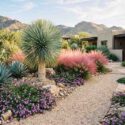
Looking for the best plants for Texas heat? This expert guide breaks Texas into real garden regions and reveals the shrubs, flowers, grasses and trees that truly thrive in long, punishing summers. Discover smarter plant choices, avoid costly mistakes, and use Gardenia tools to build a beautiful, resilient Texas landscape.


Texas is one of the most rewarding states in the country to garden in — and one of the easiest places to choose the wrong plant for the right-looking spot.
That is because “Texas heat” is not one simple gardening condition. It can mean dry, reflected heat in San Antonio, Austin, and the Hill Country. It can mean humid, heavy-air summers along the Gulf Coast. It can mean punishing west-facing exposure in North Texas, where winter freezes still matter. It can mean alkaline soil, sparse rainfall, and relentless sun in South Texas. It can also mean wind, low humidity, cold snaps, and dramatic temperature swings in West Texas, the Panhandle, and the Trans-Pecos.
A shrub that looks effortless in Houston can sulk in Lubbock. A plant that thrives in Austin can rot in a wetter coastal bed. A flower that powers through San Antonio may struggle after a North Texas freeze. And a drought-tolerant plant that performs beautifully in El Paso may not appreciate East Texas humidity at all.
That is exactly why weak plant guides fail. They flatten Texas into one generic hot-climate category and serve up a random list of “tough plants” without answering the question that actually matters: best plants for which kind of Texas garden?
This guide takes a more useful approach. Instead of pretending the whole state behaves the same way, it breaks Texas into practical landscape regions, explains how heat behaves in each one, and recommends plants that are not just heat tolerant on paper, but genuinely useful in real Texas gardens. The goal is simple: help readers choose plants that are beautiful, resilient, easier to maintain, and far more likely to thrive through long summers.
The biggest mindset shift
The best plant for Texas heat is not the one people rave about online. It is the one that matches your exact mix of sun, drainage, humidity, winter lows, soil type, wind exposure, and watering pattern.
Texas is enormous, and its landscapes are not interchangeable. Some gardens face alkaline, rocky soils and reflected heat. Others deal with clay, humidity, and fungal pressure. Some gardeners need plants that shrug off blazing sun but also survive winter cold snaps. Others need species that can handle heat, salty air, and summer moisture at the same time. In West Texas and the Panhandle, plants may also need to handle wind, drought, low humidity, and big swings between summer heat and winter cold.
That is why the strongest Texas landscapes almost always rely on a mix of native plants and well-adapted non-native plants. Native plants often bring regional identity, strong ecological value, and lower long-term input needs. Adapted non-native plants can add season-long bloom, evergreen structure, and reliable performance where they fit local conditions. The smartest approach is not ideological. It is regional, practical, and performance driven.
Texas gardeners also need to think in terms of microclimate. A south-facing foundation bed can be dramatically hotter than the rest of the yard. A patio enclosed by masonry can trap nighttime heat. A low area may stay wetter after storms. A planting strip beside concrete can feel like a griddle in July. Even within one property, there may be sunny zones, dry shade zones, windy corners, damp pockets, and “lava field” zones near driveways or walls where weaker plants quickly give up.
Why generic hot-climate lists underperform
They treat humid Houston, rocky Austin, Dallas clay, Lubbock wind, El Paso dryness, and the hottest South Texas sites as if they all reward the same plant palette. They do not.
Start by identifying your dominant Texas garden region. Is your site mostly Hill Country and Edwards Plateau, Blackland Prairie and North Central Texas, East Texas Pineywoods and Gulf Coast, South Texas Plains, Brush Country, and Rio Grande Valley, or West Texas, High Plains, Panhandle, and Trans-Pecos? Then narrow your shortlist by light, mature size, drainage, irrigation style, winter exposure, and design goal.
That order matters. Gardeners often start with flower color, social-media inspiration, or what looks good at the nursery that weekend. The better strategy is to start with performance, then refine for aesthetics. Once you do that, Texas gardening gets easier, more affordable, and much more satisfying.
To sharpen your shortlist, use the Gardenia Plant Finder. It lets you filter by sun exposure, water needs, native status, bloom season, mature size, soil preference, and garden use. For a state as varied as Texas, that kind of filtering is not a luxury — it is how you avoid expensive mistakes.
When you are ready to move beyond single-plant choices, the Gardenia Design Tool becomes even more useful. It helps you compare plants in terms of scale, texture, bloom sequence, and compatibility, which is exactly how better Texas landscapes get built. Great gardens do not come from one excellent plant. They come from combinations of plants that can live together under the same conditions.
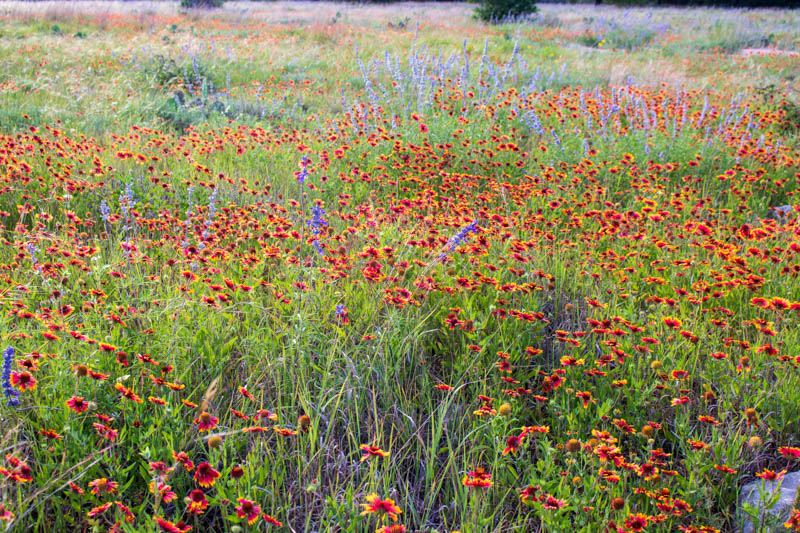
The Hill Country and Edwards Plateau are where many Texas gardeners learn that summer beauty has to be believable. Heat is intense, reflected light is fierce, soils are often alkaline and rocky, and watering habits make or break plant success. The best landscapes here do not fight the climate. They lean into it with plants that can handle sun, heat, and leaner soils while still looking polished.
This region includes many Central Texas gardens around Austin, San Antonio, New Braunfels, Fredericksburg, Kerrville, and surrounding limestone country.
Many of the strongest performers in this region combine silvery foliage, small leaves, or deep root systems with long bloom periods and strong drought tolerance once established. This is one of the best Texas regions for native salvias, resilient grasses, evergreen structure, and bold xeric accents that still feel elegant rather than sparse. The key is drainage. Plants that love heat may still fail if they sit wet after storms or receive frequent shallow irrigation.
| Plant | Native Status | Bloom or Peak Season | Typical Garden Size | Why It Works in Texas Heat |
|---|---|---|---|---|
| Salvia greggii (Autumn Sage) | Native | Spring through fall | 2-3 ft shrublet | One of the most dependable heat-tolerant salvias for bloom, hummingbirds, and drought resilience |
| Leucophyllum frutescens (Texas Sage / Cenizo) | Native to Texas and nearby regions | Intermittent flushes | 5-8 ft shrub | Silver foliage, serious heat tolerance, and strong performance in alkaline soils with good drainage |
| Hesperaloe parviflora (Red Yucca) | Native to Texas and the Southwest | Late spring through summer | 3-5 ft clump with bloom spikes | A heat-proof accent plant that brings architecture and hummingbird value without demanding much water |
| Melampodium leucanthum (Blackfoot Daisy) | Native | Spring through fall | 6-12 in mound | Excellent for blazing sun, lean soils, and low-maintenance borders that still feel cheerful and refined |
| Muhlenbergia capillaris (Pink Muhly) | Native | Fall effect | 2-3 ft clump | A heat-tolerant native ornamental grass prized for airy texture, movement, and showy pink fall bloom that adds softness to tough Texas landscapes |
| Tecoma stans (Esperanza / Yellow Bells) | Native or regionally adapted depending on selection | Late spring to frost | 3-6 ft shrub | One of the best summer-blooming shrubs for hot Texas gardens when drainage is decent |
| Sophora secundiflora (Texas Mountain Laurel) | Native | Spring | 8-30 ft large shrub or small tree | Evergreen structure, iconic regional character, and impressive durability once established |
| Malvaviscus arboreus var. drummondii (Turk’s Cap) | Native | Summer through fall | 2-5 ft perennial | A standout for part shade and bright shade where many “heat plants” disappoint |
| Agastache cana (Hummingbird Mint) | Native to Texas and the Southwest | Summer through fall | 1-3 ft perennial | Excellent for dry heat, lean soils, and pollinator-focused gardens with strong drought tolerance |
| Pavonia lasiopetala (Rock Rose) | Native | Spring through fall | 2-4 ft perennial | A tough, long-blooming native that handles heat, drought, and partial shade with ease |
| Ungnadia speciosa (Mexican Buckeye) | Native | Spring | 8-30 ft large shrub or small tree | A resilient small tree for dry Texas landscapes, valued for early bloom and adaptability |
The strongest Hill Country gardens usually mix bold structure with softer flowering layers. Texas sage, mountain laurel, and pink muhly create the backbone. Autumn sage, blackfoot daisy, and esperanza bring rhythm and bloom. Red yucca adds a vertical accent without looking fussy, while Turk’s cap solves one of the most common regional design problems: what to plant where there is heat but not full blasting sun.
Best Central Texas strategy
Use repeated drifts of just a few reliable plants. In hard summer climates, repetition looks elegant and keeps maintenance under control.
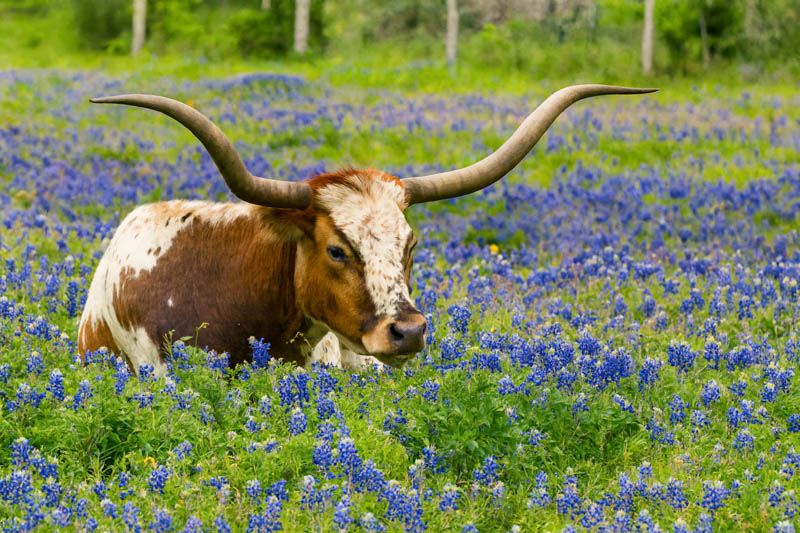
Blackland Prairie and North Central Texas gardens are sneaky. They are brutally hot in summer, but they are not purely warm-climate landscapes. Plants here need to tolerate heat, strong sun, and often heavy clay soils, while still surviving winter cold and spring weather swings. That means some tropical-looking choices that thrive farther south are not reliable here unless treated as annuals or protected.
This region includes many gardens around Dallas-Fort Worth, Waco, Temple, Sherman, Denton, and parts of the prairie corridor.
The best plant palettes for this region are tough, flexible, and not overly precious. They usually include durable shrubs, resilient perennials, and ornamental grasses that can take reflected heat, prairie exposure, and variable rainfall without losing their shape or value in the design.
For North Texas, winter realism matters as much as summer toughness. A plant may look spectacular in July but still be a poor long-term choice if it is repeatedly damaged by freezes, crowded into heavy clay, or placed where drainage is poor.
| Plant | Native Status | Bloom or Peak Season | Typical Garden Size | Why It Works in Texas Heat |
|---|---|---|---|---|
| Lantana | Adapted | Spring to frost | 1-3 ft mound or spreader | A classic Texas heat performer for sun, color, and low maintenance once established |
| Salvia farinacea | Native species with adapted selections | Late spring through fall | 2-3 ft perennial | Blue flower spikes, pollinator value, and strong performance in sun and heat |
| Hesperaloe parviflora (Red Yucca) | Native to Texas and the Southwest | Late spring through summer | 3-5 ft clump with spikes | Excellent for reflected heat, difficult strips, and modern planting schemes |
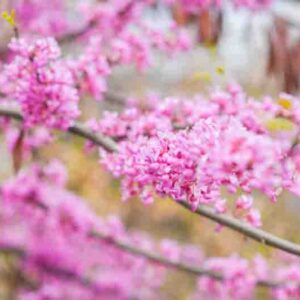
| Cercis canadensis var. texensis (Texas Redbud) | Native | Early spring | 15-20 ft small tree | A native small tree valued for vivid spring bloom, handsome heart-shaped leaves, and strong heat tolerance once established, especially in well-drained Texas soils |
| Ilex vomitoria (Yaupon Holly) | Native | Evergreen effect year-round | 4-20 ft depending on cultivar | One of the most flexible native shrubs for screening, structure, and heat resilience |
| Schizachyrium scoparium (Little Bluestem) | Native | Summer through winter effect | 2-4 ft clump | Brings movement, seasonal color, and prairie character with relatively low inputs |
| Chilopsis linearis (Desert Willow) | Native to Texas and the Southwest | Late spring through summer | 15-30 ft small tree | A superb small tree for blazing sun, lighter soils, and hot patios or streetside beds |
| Lagerstroemia (Crape Myrtle) | Adapted | Summer | Varies widely | Still one of the most reliable heat-tolerant flowering small trees or large shrubs for much of Texas |
Blackland Prairie and North Central Texas landscapes benefit from a stronger framework than many gardeners first expect. Yaupon holly, Texas redbud, and crape myrtle provide that backbone. Lantana, mealy blue sage, and red yucca bring dependable color. Little bluestem helps soften the design and adds a prairie note that feels regionally honest rather than generic.
Best North Texas design move
Balance summer toughness with winter realism. A plant that loves heat but hates cold is not automatically a good North Texas investment.
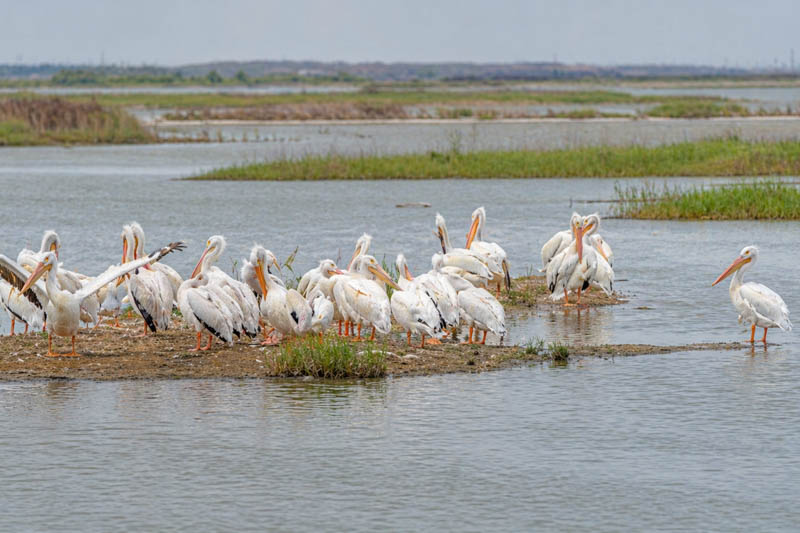
Heat in East Texas Pineywoods and along the Gulf Coast is a different animal. The issue is not just temperature. It is temperature plus humidity, richer or heavier soils, more summer moisture, and longer stretches of lush growth. That changes the plant list dramatically.
This region includes gardens around Houston, Beaumont, Galveston, Corpus Christi, the upper Gulf Coast, and many East Texas communities where humidity and rainfall are more important than extreme dryness.
In this region, the best heat-tolerant plants are often the ones that can keep flowering or holding good foliage in humid air, tolerate moisture without collapsing, and still look composed through a long growing season. This is where gardeners should be especially careful about importing dry-climate plants that demand razor-sharp drainage and arid air. Some can work in raised beds or gravelly sites, but many become short-lived, disease-prone, or disappointing in heavy, humid conditions.
| Plant | Native Status | Bloom or Peak Season | Typical Garden Size | Why It Works in Texas Heat |
|---|---|---|---|---|
| Plumbago auriculata (Cape Plumbago) | Adapted | Summer to frost | 6-10 ft shrub | Performs well in long, hot seasons and can succeed in humid regions when grown in well-drained soil |
| Malvaviscus arboreus var. drummondii (Turk’s Cap) | Native | Summer through fall | 2-5 ft perennial | A strong performer for warm Texas gardens, especially in part shade and moist, well-drained soils, with excellent summer-to-fall bloom |
| Callicarpa americana (American Beautyberry) | Native | Summer flowers, fall berries | 4-8 ft shrub | A strong native shrub for warm East Texas and Gulf-influenced gardens, especially in part shade and moist, well-drained soils |
| Ilex vomitoria (Yaupon Holly) | Native | Evergreen effect year-round | 4-20 ft depending on cultivar | A workhorse native for screening, structure, coastal resilience, and broad adaptability |
| Muhlenbergia capillaris (Pink Muhly) | Native | Fall | 2-4 ft clump | Brings famous pink fall haze plus strong tolerance for heat, humidity, and coastal conditions |
| Pentas lanceolata (Pentas) | Adapted | Warm season bloom | 2-3 ft | A strong performer for butterfly color in humid heat, especially in containers and front beds |
| Hamelia patens (Firebush) | Native to South Texas and adapted farther east | Summer through fall | 2-15 ft shrub | Outstanding for heat, pollinators, and long color where winters are mild enough or as a seasonal bold accent |
| Sabal minor (Dwarf Palmetto) | Native | Foliage value year-round | 4-6 ft | Ideal for humid southern gardens where a tropical effect is wanted without high drama |
| Hibiscus coccineus (Texas Star Hibiscus) | Native | Summer | 6-8 ft perennial | Ideal for moist soils and humid heat, bringing bold tropical-style blooms to Texas gardens |
East Texas Pineywoods and Gulf Coast gardens often look best when they feel generous rather than sparse. Plumbago, pentas, and firebush create energetic color. Yaupon holly and dwarf palmetto build structure. Pink muhly softens everything. Beautyberry and Turk’s cap make the whole composition feel more rooted in place.
Best Gulf Coast reminder
Do not assume every drought-tolerant plant loves humidity. In coastal and East Texas landscapes, drainage and air flow matter just as much as heat tolerance.
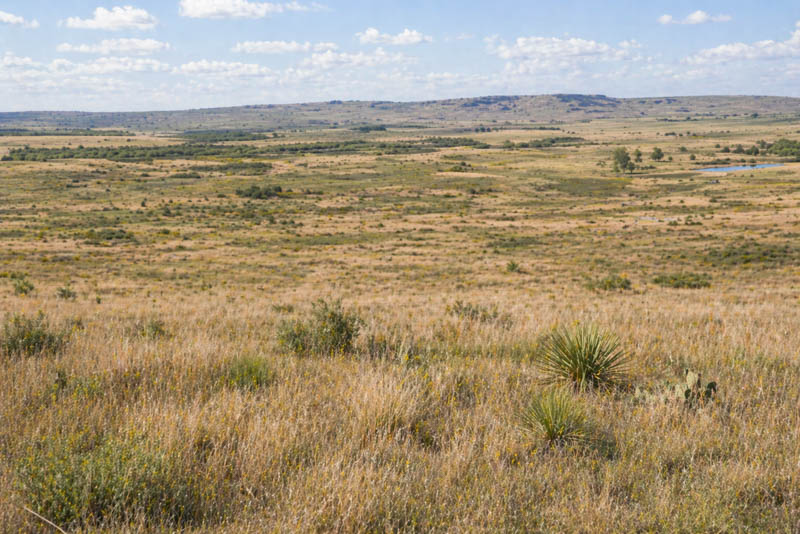
When gardeners talk about plants for extreme Texas heat, this is usually what they have in mind. South Texas Plains, Brush Country, and the Rio Grande Valley demand plants that can take relentless sun, long dry stretches, intense reflected heat, and high summer temperatures without collapsing. In many gardens, they also need to tolerate alkaline soils and irregular watering.
This region includes places such as Laredo, McAllen, Brownsville, Harlingen, the Rio Grande Valley, and much of the broader Brush Country.
This is where dramatic, high-performing plants really earn their keep. The best choices are often sculptural, silver, deep-rooted, or adapted to regions with similar climatic stress. They can deliver bold color and shape, but they do it in a way that still feels realistic in the landscape.
| Plant | Native Status | Bloom or Peak Season | Typical Garden Size | Why It Works in Texas Heat |
|---|---|---|---|---|
| Leucophyllum frutescens (Texas Sage / Cenizo) | Native to Texas and nearby regions | Intermittent flushes | 5-8 ft shrub | A signature Texas heat shrub for silver foliage, screening, and drought resilience |
| Tecoma stans (Esperanza / Yellow Bells) | Native or regionally adapted depending on selection | Late spring to frost | 3-6 ft shrub | One of the great Texas summer bloomers for heat, color, and pollinator activity |
| Caesalpinia pulcherrima (Pride of Barbados) | Adapted | Mid-summer through fall | 10-20 ft shrub or small tree | Explosive hot-weather color and outstanding drought tolerance where winters allow it to return |
| Hesperaloe parviflora (Red Yucca) | Native to Texas and the Southwest | Late spring through summer | 3-5 ft clump with spikes | Thrives in punishing heat and works beautifully in gravel, modern, and low-water designs |
| Chilopsis linearis (Desert Willow) | Native to Texas and the Southwest | Late spring through summer | 15-30 ft small tree | A top choice for flowering tree performance in brutal sun and lean soils |
| Conoclinium greggii (Gregg’s Blue Mistflower) | Native | Late summer through fall | 1-2 ft spreading perennial | A butterfly magnet that brings late-season color without demanding pampering |
| Salvia leucantha (Mexican Bush Sage) | Adapted | Fall | 2-4 ft perennial | A tough salvia for heat with bold late-season flower spikes and strong ornamental value |
| Agave species | Mixed | Foliage value year-round | Varies widely | Essential architectural anchors for xeric Texas landscapes with strong drainage |
This is the region where restraint really pays off. Cenizo, agaves, red yucca, and desert willow create the architecture. Esperanza and Pride of Barbados provide summer drama. Gregg’s blue mistflower and Mexican bush sage extend color into late season and pull in pollinators when many other beds look tired.
Best extreme-heat lesson
A plant can be drought tolerant and still fail if the soil stays wet. In the hottest Texas gardens, drainage is often as important as sunlight tolerance.
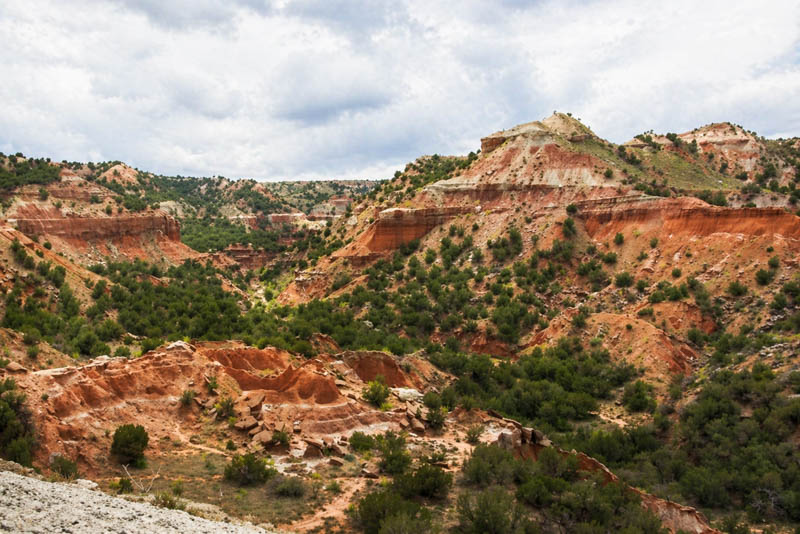
West Texas, the High Plains, the Panhandle, and the Trans-Pecos deserve separate attention because their version of Texas heat is not the same as South Texas heat or Gulf Coast heat. These gardens can face intense sun, drying wind, low humidity, alkaline soils, limited rainfall, and sharp winter cold. Cities and regions such as El Paso, Midland-Odessa, Lubbock, Amarillo, Alpine, Marfa, and the Davis Mountains all need plant choices that respect both heat and exposure.
For these landscapes, the best strategy is to favor plants with proven drought tolerance, strong root systems, wind resilience, and the ability to handle colder winter conditions where relevant. Many Hill Country and South Texas plants can overlap here, but not all of them are equally dependable. Winter lows, elevation, and wind exposure can quickly separate long-term performers from short-lived experiments.
Plants to consider for the drier western half of Texas include Hesperaloe parviflora (Red Yucca), Chilopsis linearis (Desert Willow), Schizachyrium scoparium (Little Bluestem), Muhlenbergia capillaris (Pink Muhly) where adapted, Agave species suited to the local cold zone, Leucophyllum frutescens (Texas Sage / Cenizo) in milder or protected sites, Melampodium leucanthum (Blackfoot Daisy), and native or regionally adapted grasses that can handle sun and wind.
In colder Panhandle and High Plains gardens, check hardiness carefully before relying on plants that behave like perennials or shrubs farther south.
Best West Texas and Panhandle reminder
Do not choose for heat alone. Wind, winter lows, low humidity, and irrigation limits are just as important as summer temperature.
Autumn sage, mealy blue sage, Gregg’s blue mistflower, Turk’s cap, lantana, and esperanza are standout choices for bees, butterflies, and hummingbirds. If you want a Texas garden that stays active in summer instead of just surviving it, pollinator plants are one of the smartest places to start.
Yaupon holly, Texas sage, Texas mountain laurel, beautyberry, and selected hollies create year-round structure. The secret is to choose a mature size that fits the space. In hot climates, overgrown shrubs become maintenance traps fast.
Blackfoot daisy, red yucca, pink muhly, little bluestem, cenizo, agaves, and desert willow all earn their place here. These are the plants that can make hot, difficult spaces feel designed instead of abandoned.
Compact lantana, autumn sage, blackfoot daisy, dwarf yaupon holly, pentas, and smaller agaves work especially well where every square foot has to count. In small spaces, fewer species repeated well usually rank higher visually than crowded “collector” plantings.
Turk’s cap, yaupon holly, dwarf palmetto in humid regions, and carefully placed beautyberry are among the most useful options. Dry shade is one of the hardest garden conditions in Texas, so choosing proven performers matters even more here.
The fastest way to waste money in a Texas garden is to buy plants based on flowers alone. Looks matter, of course, but climate fit matters first. The second major mistake is assuming “drought tolerant” means “never water.” Even the toughest plants need regular water while establishing, and many perform better with deep, infrequent watering than with constant shallow irrigation.
Another expensive mistake is ignoring mature size. A tiny nursery shrub may become a six-foot wall of foliage in just a few seasons. Overcrowding reduces airflow, encourages disease in humid regions, and makes maintenance harder everywhere. Finally, many gardeners overdesign. In hot climates, tighter plant palettes are often more beautiful because they feel calmer, cleaner, and more intentional.
Another common problem is choosing a plant that is technically heat tolerant but regionally misplaced. A dry-climate plant may resent Gulf humidity. A tropical-looking shrub may freeze back hard in North Texas. A plant that tolerates drought may still fail in compacted clay or a low bed that stays wet after storms. Heat tolerance is only one part of Texas suitability.
Texas truth
A “lush” Texas garden does not have to be thirsty. The most convincing landscapes often look rich because the plant choices are disciplined, not because the irrigation is excessive.
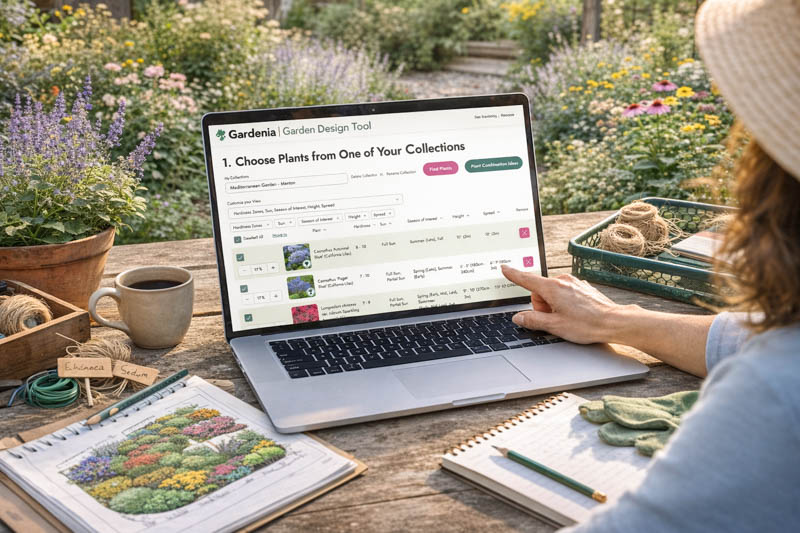
The easiest way to make a strong plant list stronger is to stop searching by name alone. Use Gardenia Plant Finder to narrow choices by full sun, partial shade, low water, bloom season, mature height, soil drainage, native status, and garden use. That lets you move from inspiration to a shortlist based on real performance.
Then use the Gardenia Design Tool to build combinations that actually belong together. A great Texas planting scheme should not only survive heat. It should also balance evergreen structure, seasonal bloom, pollinator value, and manageable maintenance. That is much easier to see when plants are compared as a composition instead of as isolated picks.
Best conversion path for readers
Use this article to understand what belongs in your region. Use Plant Finder to build a sharper shortlist. Use Design Tool to turn that shortlist into a planting plan that looks intentional all year.
The best plants for Texas heat do not come from one universal list, because Texas is not one universal gardening climate. The strongest choices are the ones matched to your region, your soil, your sunlight, your drainage, your winter exposure, your watering style, and the kind of landscape you actually want to live with.
A successful Texas garden starts with the big question — where in Texas are you gardening? — and then gets specific. Once you match plant to region, microclimate, mature size, and maintenance level, the result is not just a tougher garden. It is a more beautiful, more believable, and more sustainable one.
The best plants for Texas heat depend on your region. In general, the strongest performers include Texas sage, autumn sage, red yucca, lantana, Turk’s cap, esperanza, yaupon holly, desert willow, and regionally appropriate ornamental grasses and native shrubs.
Native plants are often among the smartest choices because they are adapted to local conditions and usually bring strong ecological value. But many Texas gardens also benefit from carefully selected non-native plants that are proven performers in local heat, soils, and rainfall patterns.
Because Texas heat is not uniform. Hill Country and Edwards Plateau gardens often deal with rocky alkaline soils and reflected heat. Blackland Prairie and North Central Texas add clay and colder winter swings. East Texas Pineywoods and the Gulf Coast bring humidity and richer soils. South Texas Plains, Brush Country, and the Rio Grande Valley demand plants that can handle intense sun, drought, and long summers. West Texas, the High Plains, the Panhandle, and the Trans-Pecos add wind, low humidity, winter cold, and large temperature swings.
Texas sage, yaupon holly, esperanza, beautyberry, plumbago, and Turk’s cap are among the strongest shrubs or shrub-like plants for Texas heat, depending on region, drainage, and winter lows.
Lantana, pentas, esperanza, Turk’s cap, mealy blue sage, and in warmer regions Pride of Barbados and firebush are among the most dependable bloomers through hot weather when given the right site and establishment care.
Start with region, then narrow by sunlight, drainage, mature size, and watering style. That is where Gardenia Plant Finder is especially useful because it lets you filter by the conditions that actually determine plant success.
Gardenia Design Tool helps you compare shortlisted plants and assemble combinations that work together in scale, bloom sequence, texture, and maintenance level. It is especially useful when you want a Texas planting plan that looks cohesive instead of random.
Yes. Many drought-tolerant plants fail because they are placed in the wrong light, the wrong soil, or in areas with poor drainage. Others struggle because they are overwatered during establishment or crowded into beds with plants that need completely different care.
Updated: April 2026 • Reviewed for regional accuracy and heat performance
Create a membership account to save your garden designs and to view them on any device.
Becoming a contributing member of Gardenia is easy and can be done in just a few minutes. If you provide us with your name, email address and the payment of a modest $25 annual membership fee, you will become a full member, enabling you to design and save up to 25 of your garden design ideas.
Join now and start creating your dream garden!
Create a membership account to save your garden designs and to view them on any device.
Becoming a contributing member of Gardenia is easy and can be done in just a few minutes. If you provide us with your name, email address and the payment of a modest $25 annual membership fee, you will become a full member, enabling you to design and save up to 25 of your garden design ideas.
Join now and start creating your dream garden!