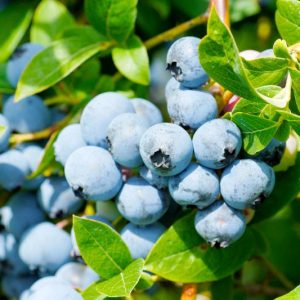
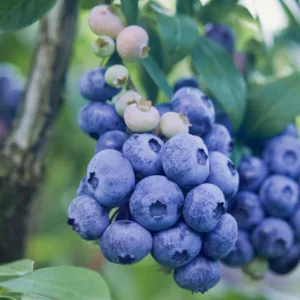
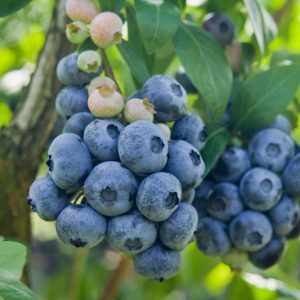
What grows beautifully beside blueberries, and which plants should you avoid? Discover acid-loving shrubs, colorful flowers, groundcovers, and pollinator-friendly companions that suit blueberry growing conditions. Learn why soil pH, shallow roots, and cross-pollination matter, then explore Gardenia's original blueberry garden plan for a productive, four-season edible landscape.
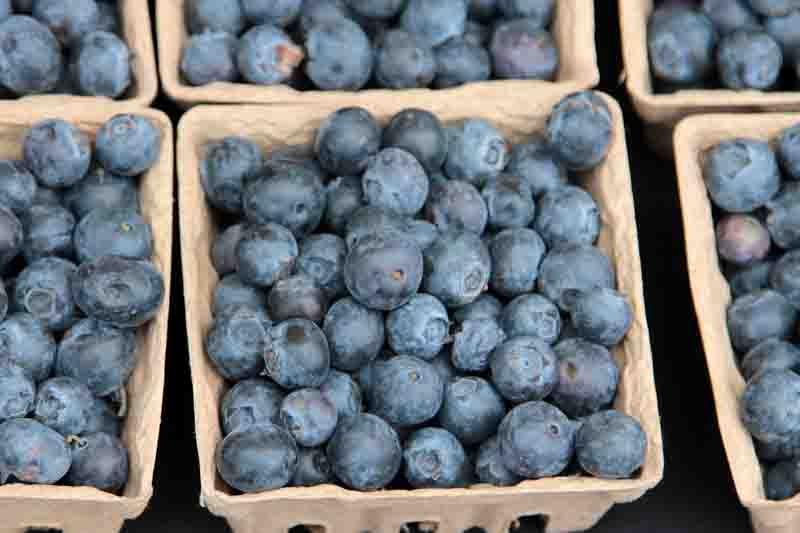


What should you plant next to blueberries? Azaleas, rhododendrons, heathers, cranberries, and strawberries often appear on companion planting lists. But sharing acidic soil does not automatically make two plants good neighbors.
The best blueberry companion plants thrive in similar conditions without competing for sunlight, moisture, or nutrients. Some add spectacular flowers and evergreen foliage. Others support pollinators. And one companion may be more valuable than any ornamental plant: a second, compatible blueberry cultivar.
Discover the best and worst companion plants for blueberries, what works in different climates, and how to create an attractive, productive berry garden using Gardenia’s original planting plan.
Quick Answer: The best blueberry companions include compatible blueberry cultivars, selected azaleas, rhododendrons, heathers, and acid-loving shrubs grown with adequate space. Lowbush blueberries, cranberries, wintergreen, and bunchberry suit specialized plantings. Nearby spring flowers can support pollinators. Avoid crowding blueberry roots with vigorous groundcovers, large trees, or vegetables that prefer less acidic soil. Lavender, rosemary, and thyme belong in separate, drier beds.
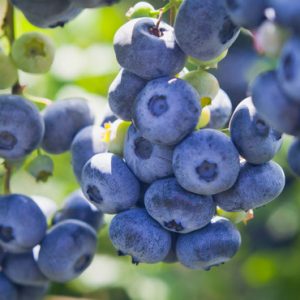
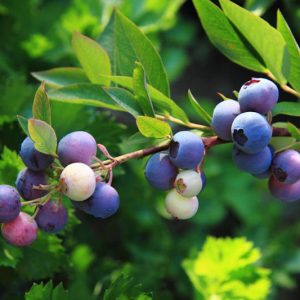
Blueberries (Vaccinium) include northern highbush, southern highbush, rabbiteye, half-high, and lowbush types. Their climate needs differ, but most cultivated blueberries prefer acidic soil around pH 4.5-5.5, good drainage, consistent moisture, and plenty of sunshine.
Gardenia’s Blueberry Companion Decision Matrix compares plants by soil compatibility, mature size, climate, and root competition rather than relying on traditional lists of supposedly friendly or unfriendly plants.
| Plant | Gardenia’s Assessment | Best Placement | Why It Matters |
|---|---|---|---|
| Compatible blueberry cultivar | Best for fruit production | Nearby, adequately spaced | Overlapping bloom improves pollination potential |
| Azaleas and rhododendrons | Excellent ornamentals | Separate shrub groups | Acid-loving; check light requirements |
| Heather and heath | Excellent in cool climates | Sunny front border | Evergreen color; dislikes intense summer heat |
| Lowbush blueberry | Excellent cool-climate edible | Separate sunny patch | Berries and brilliant autumn foliage |
| Cranberry | Conditional edible | Dedicated moist acidic bed | Spreading stems and moisture needs |
| Wintergreen and bunchberry | Good cool woodland choices | Separate partly shaded area | Acidic soil; cooler, shadier conditions |
| Summersweet and inkberry | Good nearby shrubs | Separate border | Summer flowers or evergreen structure |
| Pieris and mountain laurel | Conditional ornamentals | Separate partly shaded border | Acidic soil; shade and toxicity considerations |
| Pollinator-friendly flowers | Useful nearby | Separate flower border | Seasonal resources for visiting bees |
| Strawberries | Better separated | Adjacent bed | Different pH preference; spreading runners |
| Tomatoes and peppers | Separate vegetable beds | Outside acidic soil | Different soil and feeding requirements |
| Lavender, rosemary, thyme | Poor same-bed companions | Drier herb garden | Different moisture and pH preferences |
| Large trees and vigorous groundcovers | Avoid close planting | Away from root competition | Shade and competition for water |
Gardenia’s assessment: A good companion must suit the blueberry’s soil, climate, moisture, and light requirements without competing aggressively with its roots. These classifications are editorial recommendations, not measured increases in berry yield.
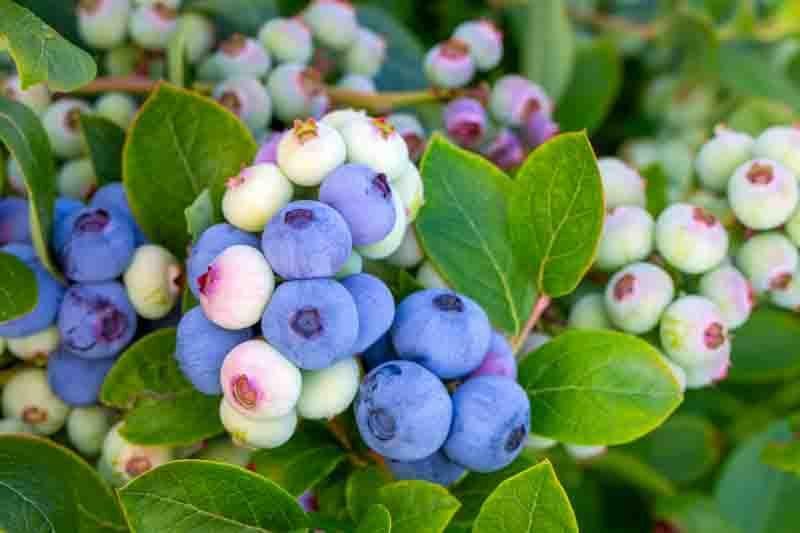
If you want more berries, start by choosing compatible blueberry varieties. A second cultivar with overlapping flowers often offers a greater benefit than adding ornamental companions.
Many northern highbush blueberries are self-fertile but may produce larger berries or improved fruit set when cross-pollinated. Rabbiteye blueberries generally depend more heavily on pollen from another compatible rabbiteye cultivar. Southern highbush types can also benefit from cross-pollination.
Flowering overlap matters more than harvest dates. Two varieties that ripen at different times may still flower together. Choose blueberry types suited to your climate, then confirm their local bloom periods before purchasing.
Pollinating insects are equally important. Bumblebees and certain native bees are particularly effective at pollinating blueberry flowers, while honey bees also contribute.
Gardenia’s most important blueberry companion rule: Choose compatible cultivars with overlapping bloom, provide habitat for pollinating bees, and protect the shallow roots from competition. Flowers and ornamental shrubs cannot compensate for unsuitable cultivars or poor growing conditions.
| Genus | Vaccinium |
|---|
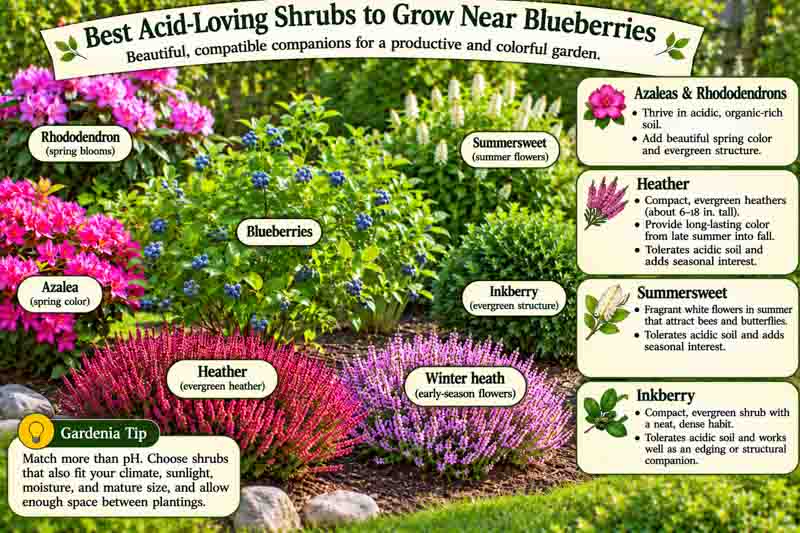
Acid-loving shrubs can transform a blueberry planting into an attractive landscape feature. However, climate matters. Heathers, wintergreen, and lowbush blueberries generally suit cool or temperate regions, while hot southern gardens may require different companions.
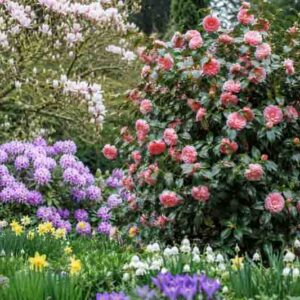
Azaleas and rhododendrons provide spectacular spring flowers and often share blueberries’ preference for acidic, organic-rich soil. Their main limitation is light: many prefer afternoon shade, whereas fruiting blueberries generally perform best in full sun.
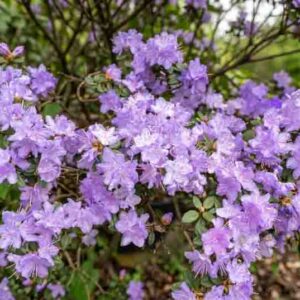
Choose compact, sun-tolerant cultivars where appropriate. Rhododendron ‘Ramapo’, approximately 2 ft tall and 2-3 ft wide, offers vivid violet-purple spring flowers. Grow it in a separate shrub group rather than among blueberry roots. See Gardenia’s Azalea and Rhododendron Care Guide.
Heather (Calluna vulgaris) is an excellent companion for blueberries in cool, temperate gardens. This low-growing evergreen shrub thrives in acidic, well-drained soil and full sun, producing colorful flowers from summer into autumn. Its fine foliage adds year-round texture, while flowering varieties attract bees and other pollinators.
Heaths (Erica) offer similar evergreen appeal, with some species flowering from winter into spring. Erica carnea (winter heath) is particularly attractive for early-season color. However, soil preferences vary: many heaths prefer acidic soil, while Erica carnea also tolerates neutral or alkaline conditions.
Both make attractive low borders near blueberries, provided they have adequate drainage, suitable summer temperatures, and enough space to avoid competing with blueberry roots. They generally perform best in cool or temperate climates rather than hot southern gardens.
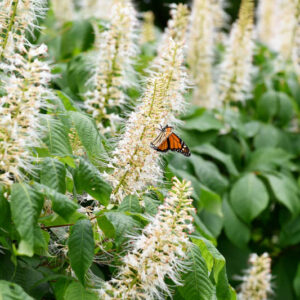
Summersweet (Clethra alnifolia) produces fragrant summer flowers visited by bees and butterflies. It tolerates acidic soil but needs room for its mature spread and possible suckering.
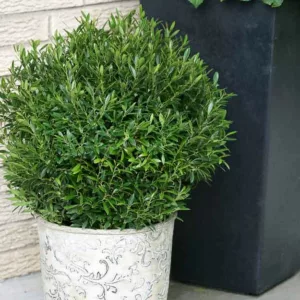
Inkberry (Ilex glabra) offers compact evergreen structure. Both make attractive nearby border shrubs, provided they have sufficient space and appropriate moisture.
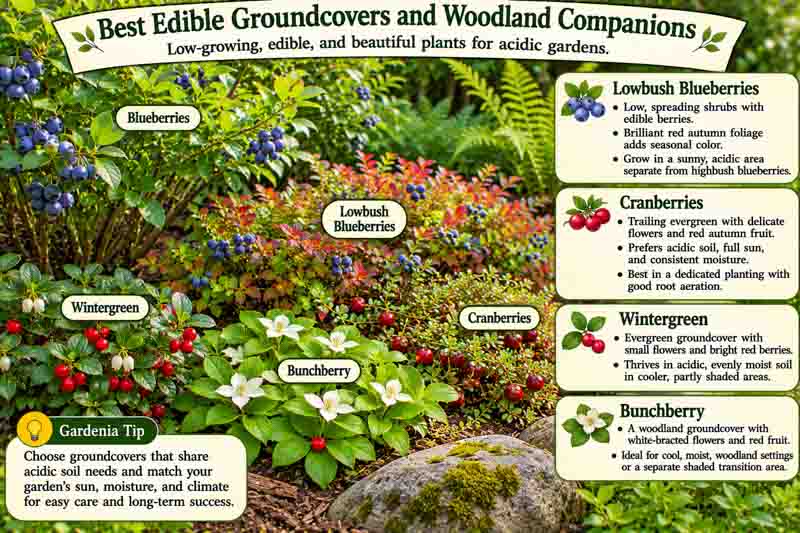
Lowbush blueberry (Vaccinium angustifolium) produces edible berries and spectacular red autumn foliage. It spreads through underground stems and works best in a separate sunny patch, particularly in cooler climates.
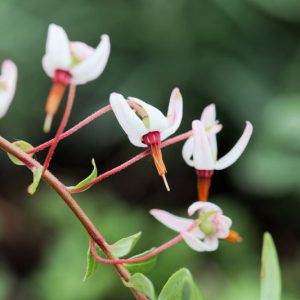
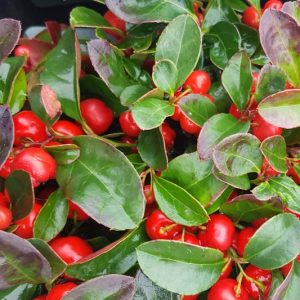
American cranberry (Vaccinium macrocarpon) offers trailing evergreen foliage and red fruit. It requires acidic soil and consistent moisture but should have a dedicated growing area rather than carpeting a highbush blueberry bed. Cranberry roots still need adequate aeration.
Wintergreen (Gaultheria procumbens) has glossy evergreen leaves and bright red berries. Bunchberry (Cornus canadensis) creates a low carpet of white-bracted flowers followed by red fruit.
Both prefer cool, acidic, moisture-retentive woodland conditions and are better suited to a separate partly shaded area than beneath blueberries growing in full sun.
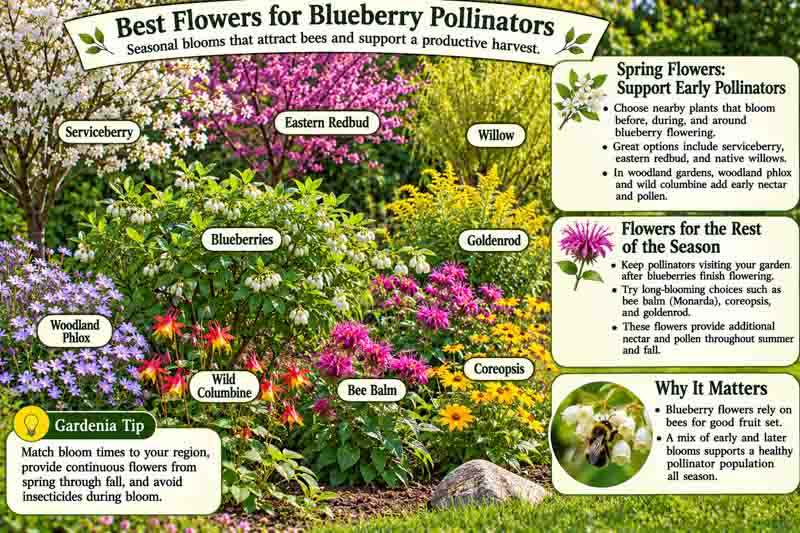
Blueberry flowers depend on visiting bees for effective pollination. The most useful companion flowers are those that provide nectar and pollen around the blueberry blooming period, followed by additional flowers through summer and autumn.
In eastern North America, early-flowering serviceberries, eastern redbud, and locally appropriate native willows can contribute spring floral resources.
For cooler woodland gardens, woodland phlox and wild columbine add seasonal diversity. Their bloom overlap with blueberries and value to particular bee species vary by location.
Later-flowering bee balm, coreopsis, and goldenrod support insects after blueberry flowering ends.
Grow these flowers in neighboring landscape areas suited to their soil requirements, not automatically in the acidified blueberry bed. Avoid unnecessary insecticide applications during bloom.
Gardenia’s pollinator strategy: Plant compatible blueberry varieties, provide locally adapted spring flowers, and maintain additional blooms throughout the growing season. This supports pollinator habitat without crowding the blueberry root zone or promising guaranteed increases in fruit yield.
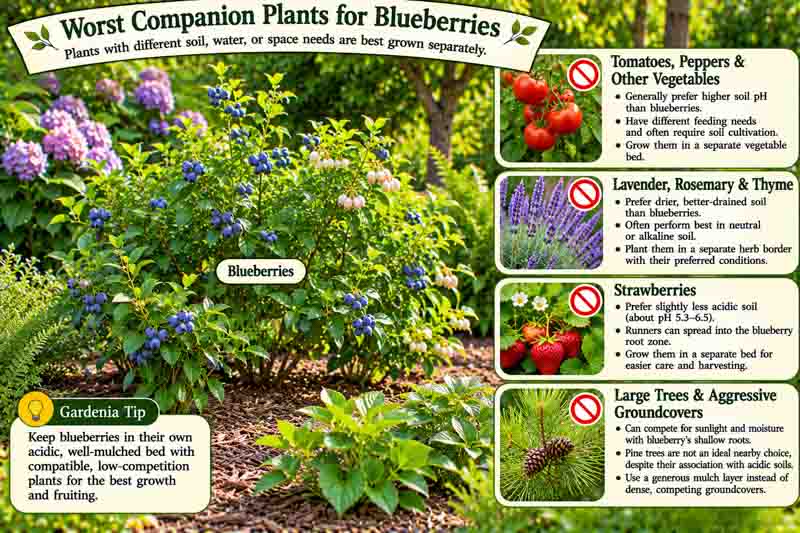
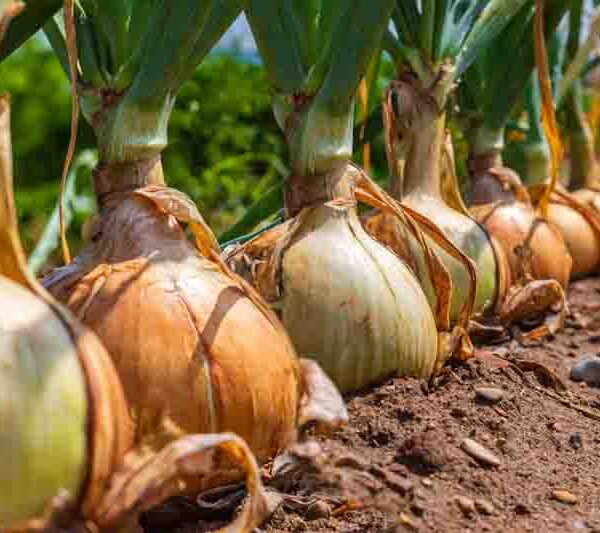
Tomatoes, peppers, and many vegetables prefer a higher soil pH than blueberries. They also require frequent cultivation and different nutrient management. Separate vegetable beds are easier to maintain than a shared acidified planting.
Lavender, rosemary, and thyme generally prefer drier, freely draining conditions and often less-acidic soil. Grow them in a separate herb garden.
Strawberries are popular blueberry companions, but they generally prefer somewhat less acidic soil, often around pH 5.3-6.5. Their runners can also compete with shallow blueberry roots and complicate mulching. A nearby strawberry strip is more practical than growing them directly under the shrubs.
Blueberries compete poorly with vigorous grasses, spreading groundcovers, and established tree roots. Even pine trees, which are associated with acidic soils, can cast excessive shade and compete strongly for moisture. Pine needles alone do not reliably correct soil pH.
The biggest companion planting mistake: Choosing plants simply because they like acidic soil. A good blueberry companion must also match the climate, sunlight, moisture, and available growing space.
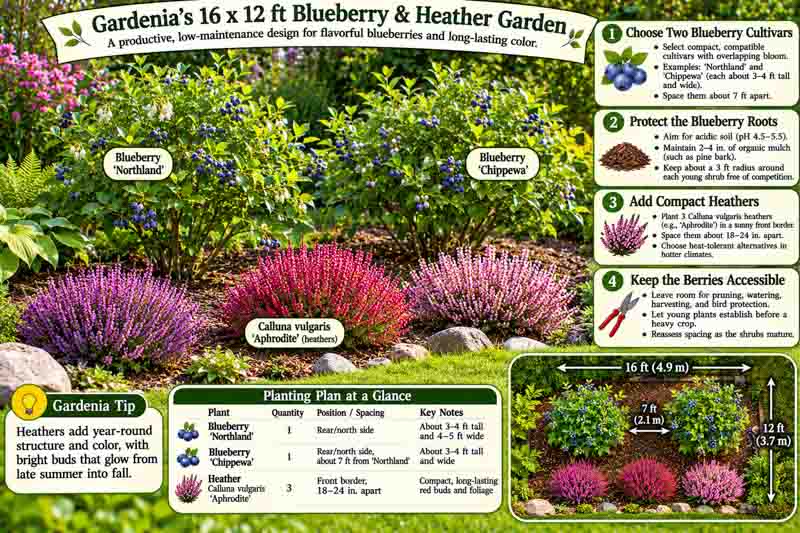
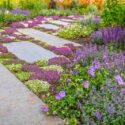
Gardenia’s original Two-Blueberry & Heather Garden combines edible fruit with evergreen texture and colorful autumn interest in a residential landscape.
Best suited to: Cool to temperate gardens, approximately USDA Zones 5-7, with acidic, well-drained soil and full sun. The 16 x 12 ft design is illustrative, not an experimentally tested optimum. Hot-climate gardeners should substitute locally adapted plants.
2 blueberry shrubs: Select compatible cultivars with overlapping flowering periods and suitable mature dimensions. Position them toward the northern or rear portion of the garden, approximately 7 ft apart.
For size references, ‘Northland’ grows approximately 3-4 ft tall and 4-5 ft wide, while ‘Chippewa’ grows approximately 3-4 ft tall and wide. These are size examples, not a verified pollination pair. Confirm local bloom overlap before choosing cultivars.
Test soil before planting, targeting approximately pH 4.5-5.5 according to local recommendations. Maintain 2-4 inches of suitable organic mulch, such as pine bark, without piling it against the stems.
Keep an approximately 3 ft radius around each young blueberry free of competing plants and weeds, expanding the mulched area as the shrubs mature. This is a maintenance guideline, not the limit of their root systems.
3 Calluna vulgaris plants: Position these in a separate sunny front border, outside the blueberry root-protection areas. Allow approximately 18-24 inches between plants, adjusting for mature spread.
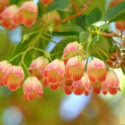
‘Aphrodite’ provides long-lasting autumn color with bright red buds that remain largely closed. It is primarily ornamental rather than a dependable nectar plant.
Leave room for pruning, harvesting, watering, and bird protection. Avoid heavy cropping during the first establishment year, following regional extension advice on removing early blossoms.
Gardenia’s planting quantities: Two compact blueberry cultivars approximately 7 ft apart, plus three low heathers in a separate front border within an approximately 16 x 12 ft area. Adjust all spacing to mature plant dimensions and local conditions.
Why this design works: The blueberries receive sunlight, root space, and harvesting access, while the heathers add evergreen structure and autumn color without crowding the fruiting shrubs.
Make this Gardenia plan your own: Explore blueberry varieties and heaths and heathers. Use the Plant Finder to discover climate-appropriate alternatives, then organize plants and quantities in the Garden Design Tool.
1. Ignoring soil pH. Blueberries need unusually acidic soil. Test before planting and use suitable amendments such as elemental sulfur according to soil-test guidance. Coffee grounds and pine needles are not dependable substitutes for measured pH correction.
2. Crowding shallow roots. Blueberries compete poorly with weeds and vigorous groundcovers. Maintain mulch and avoid unnecessary cultivation around their crowns.
3. Choosing incompatible cultivars. A second blueberry helps only when it supplies suitable pollen during overlapping flowering periods. Rabbiteye blueberries particularly benefit from compatible cross-pollination.
4. Allowing drought or waterlogging. Keep roots consistently moist while maintaining adequate drainage and soil aeration, especially during establishment and fruit development.
5. Neglecting sunlight and pruning. Most blueberries fruit best in full sun. Prune established shrubs appropriately and protect ripening berries from birds with securely installed, wildlife-safe netting where needed.
For more advice, explore Gardenia’s Blueberry Growing Guide and Highbush Blueberry Plant Profile.
Compatible blueberry cultivars, selected azaleas, rhododendrons, and cool-climate heathers are excellent choices. Lowbush blueberries, wintergreen, and cranberries may work in separate specialized plantings. Avoid crowding blueberry roots.
Avoid vigorous groundcovers, large trees, and vegetables requiring less acidic soil directly beside blueberry roots. Lavender, rosemary, and thyme generally need drier conditions. Strawberries are usually easier to manage in a separate bed.
Strawberries can grow nearby, but prefer somewhat less acidic soil and spread through runners that compete with shallow blueberry roots. A separate strawberry strip is generally more practical.
Many highbush blueberries can fruit alone, but compatible cross-pollination often improves berry size or fruit set. Rabbiteye blueberries generally require another compatible rabbiteye cultivar with overlapping flowers.
Locally adapted spring-flowering plants, including suitable serviceberries, native willows, and other regional flowers, provide resources for bees. Later flowers help sustain pollinators throughout the season. Plant them outside the blueberry root zone.
Most cultivated blueberries prefer approximately pH 4.5-5.5, although regional recommendations vary. Companions sharing the same bed must tolerate similar acidity and moisture. Test soil before planting.
Continue exploring Gardenia: Browse the Blueberry Plant Collection, learn how to grow blueberries, explore shade and acid-loving plants, or use Gardenia’s Garden Design Tool to plan a beautiful, productive berry garden.
Updated and reviewed by Gardenia: November 2026
| Genus | Vaccinium |
|---|
Create a membership account to save your garden designs and to view them on any device.
Becoming a contributing member of Gardenia is easy and can be done in just a few minutes. If you provide us with your name, email address and the payment of a modest $25 annual membership fee, you will become a full member, enabling you to design and save up to 25 of your garden design ideas.
Join now and start creating your dream garden!