How long do lilies bloom? Individual flowers last several days, while stems can provide weeks of color as buds open in succession. Learn what controls lily bloom duration, how watering, weather, deadheading, and foliage care affect flowering, and how to combine varieties for a much longer lily season.
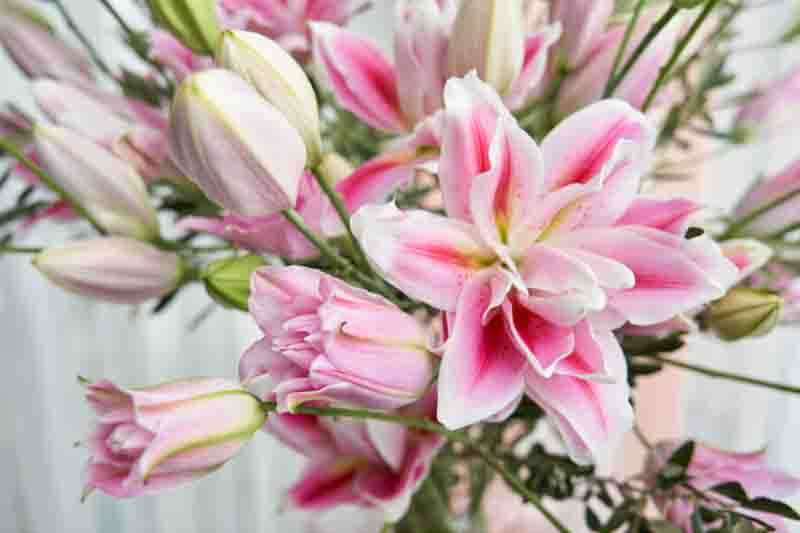


How long do lilies bloom? The answer depends on what you mean by “bloom.” A single lily flower may remain attractive for several days, sometimes up to about a week, but a healthy stem carries several buds that open in succession. As a result, one lily plant can provide flowers for considerably longer than any individual blossom.
Some cultivars give a display lasting several weeks. Others finish more quickly, especially in hot, dry, windy, or stressful conditions. And if you grow lilies from different flowering groups, the lily season in the garden can continue for months, even though no single stem blooms all summer.
That distinction is the key to understanding lily bloom duration. You cannot make a finished lily stem continually produce new waves of flowers, but you can help existing flowers last well, protect the buds still to open, and select lilies that overlap so there is always another plant approaching its peak.
| What You Are Measuring | Typical Duration | Why It Varies |
|---|---|---|
| One lily flower | Several days, sometimes up to about a week | Temperature, weather, cultivar, and flower condition |
| One flowering stem | Often around two weeks, sometimes longer as buds open in succession | Bud count, cultivar, plant vigor, and weather |
| One cultivar or clump | Often around two to several weeks; some cultivars are described as flowering for up to four weeks | Number of stems, bud count, cultivar, maturity, weather, and growing conditions |
| A garden planted for succession | Potentially from late spring through late summer or early fall | Choice of species, hybrid groups, cultivars, and local climate |
The important distinction: A lily flower, a lily stem, and the lily season are not the same thing. Individual flowers last days, flowering stems can remain in bloom for weeks, and a mixed planting can produce successive lily flowers for much of the summer.
A single true lily flower is relatively short-lived compared with the entire flowering display of the stem. Under favorable conditions, an individual blossom generally remains attractive for several days and may last up to about a week.
That may sound brief, but lilies do not usually depend on one flower. A flowering stem normally carries several buds, and those buds do not all open at once. As the first flowers age, others begin opening farther along the stem.
This staggered opening is why a plant can appear to be “in bloom” for weeks even though the first flower has already faded.
The number of buds matters greatly. A stem with four flowers has less potential flowering time than a strong stem carrying a dozen or more buds, assuming the buds develop normally.
Do not judge a lily’s bloom length by its first flower. Look at the unopened buds. A healthy stem with many buds may still have much of its display ahead of it when the first blossom begins to fade.
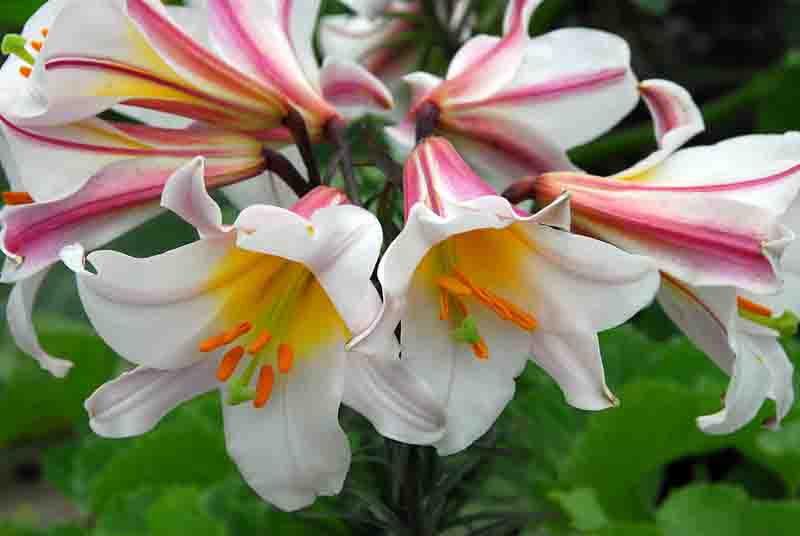
A lily stem commonly remains ornamental for around a couple of weeks, and sometimes longer, because its buds open sequentially. The exact duration depends on the cultivar, number of buds, temperature, plant vigor, and whether developing flowers are damaged by drought, storms, pests, or disease.
This is where cultivar differences become important. Some lilies naturally produce modest flower counts, while mature plants of other cultivars can carry impressive clusters.
For example, Gardenia’s Lilium regale profile notes that a strong stem can carry numerous fragrant flowers, creating a substantial midsummer display.
Likewise, ‘Anastasia’, a vigorous Orienpet lily, can produce a remarkably high flower count on mature stems. Its numerous buds help create a substantial mid-to-late-summer display.
More buds do not make each individual flower live longer. They extend the overall flowering performance of the stem because the flowers open progressively.
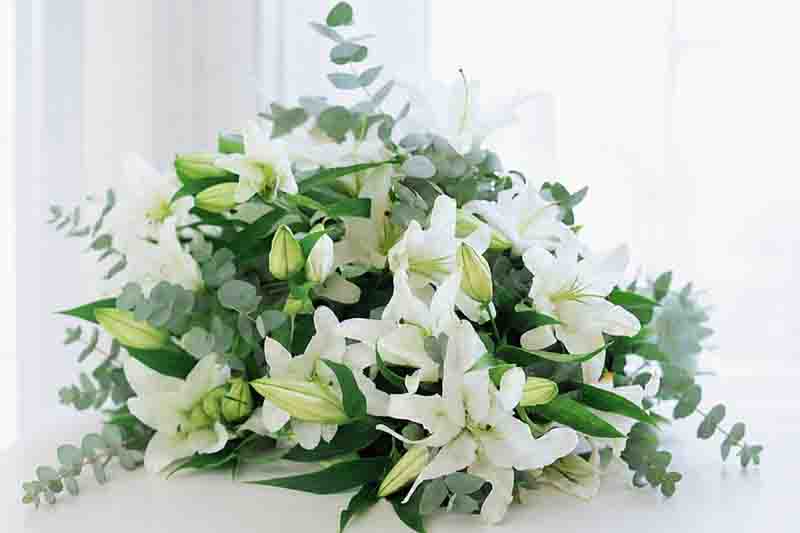
Some can. But “up to four weeks” should be treated as a cultivar-level possibility rather than a universal rule for lilies.
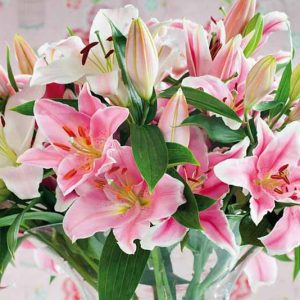
A particularly useful example is the Oriental lily ‘Casa Blanca’. Gardenia records this highly fragrant white lily as flowering for up to four weeks in mid to late summer.
Its performance comes from the entire sequence of flowers on the plant, not from individual blossoms lasting a month.
Lilies worth considering for a substantial display:
Genetics set the basic pattern, but growing conditions determine how well the plant fulfills that potential.
Because these factors interact, it is more realistic to think in ranges than to promise a precise number of bloom days.
Good moisture management is one of the most practical ways to protect the flowering display you already have. Lilies generally perform best in soil that drains well but does not become excessively dry during active growth.
Water deeply when necessary rather than allowing plants to repeatedly wilt. Pay particular attention during stem elongation and bud development, when severe moisture stress can interfere with normal growth.
At the same time, do not confuse consistent moisture with soggy soil. Lily bulbs are vulnerable in poorly drained conditions, and keeping them permanently wet can cause far more damage than it prevents.
The goal is steady growth, not constant wetness. Keep lilies adequately watered during dry weather, but always protect the bulbs from waterlogged soil.
Once a lily flower is open, environmental conditions influence how quickly it ages. Hot weather tends to accelerate flower development, while cooler moderate conditions can help blooms remain attractive longer.
You cannot control the weather, but good siting can reduce unnecessary stress. Avoid locations where reflected heat from paving or walls creates unusually harsh conditions for a lily that is not adapted to them.
Tall lilies also benefit from protection against strong winds. Broken stems, battered tepals, and damaged buds can abruptly shorten a display that otherwise would have continued for weeks.
Where support is needed, install stakes before stems become top-heavy with flowers. This is particularly useful for tall Trumpets, Orienpets, and other substantial lilies in exposed gardens.
Deadheading is useful after individual flowers fade, particularly if you do not want the plant to devote resources to seed development. But deadheading does not normally make a true lily produce a second flowering cycle.
Deadheading protects next year’s performance more than it extends this year’s bloom. Once all the buds on a lily stem have flowered, the reliable way to keep lilies blooming is to have another cultivar or lily group ready to follow.
This is one of the most important lily-care rules. When the flowers have finished, the plant is not finished.
The green leaves continue capturing energy and replenishing the bulb underground. Cutting the stems to the ground immediately after bloom removes the plant’s energy-producing foliage just when it needs to rebuild reserves.
Instead:
This will not extend the flowers that have already finished, but it helps support stronger flowering in future seasons.
If your real goal is to enjoy lilies for two or three months rather than two or three weeks, cultivar selection matters far more than deadheading.
Different lily divisions naturally reach their peak at different stages of the season. Earlier Asiatic, Martagon, and LA lilies can begin the display. Trumpet and Aurelian lilies can follow around midsummer. Oriental and Orienpet lilies then provide a strong later wave, while tiger lilies and selected species can contribute toward the end of the season.
The idea is overlap. You do not want the early lilies completely finished for several weeks before the next group begins. Choose cultivars whose flowering periods touch or slightly overlap so the change from one wave to another feels continuous.
For a detailed selection strategy, see Gardenia’s Lilies for Long Summer Blooms. That guide focuses specifically on combining lily groups, cultivars, colors, heights, and fragrance to create a long-season planting.
For a fuller comparison of the main groups, see How to Choose Lilies.
A useful way to extend lily season is to identify the period when your current planting stops flowering.
If all your lilies peak early, you do not necessarily need more early lilies. You need a later group. Likewise, if you already have spectacular Oriental lilies in late summer but little before them, add an earlier flowering group rather than simply buying another late cultivar.
Gardenia’s When Do Lilies Bloom? Lily Bloom Calendar shows the relative flowering sequence of Asiatic, Martagon, LA, Trumpet, Oriental, Orienpet, tiger, and species lilies.
Use the calendar as a sequence rather than a rigid national timetable. Local temperatures, elevation, latitude, and seasonal weather can shift flowering earlier or later.
A common misunderstanding is that the best way to achieve a long lily season is to search for the “longest-blooming lily.”
A cultivar with many buds and a substantial flowering period is certainly valuable, but even an outstanding lily such as ‘Casa Blanca’ eventually finishes. A garden that depends on one cultivar will still have one major peak.
A more reliable strategy combines two ideas:
This gives you both duration within each flowering wave and duration across the entire garden season.
A lily cannot maintain a strong flower display if its leaves, roots, bulbs, or buds are badly damaged.
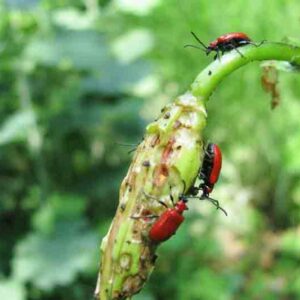
Inspect plants periodically during active growth. Lily beetles can consume foliage and flowers, aphids may gather on tender growth, Botrytis can damage leaves and buds, and bulb or root problems can weaken the entire plant.
Prevention is particularly important because losing buds cannot be corrected later in the same season. Once an unopened flower has been destroyed, deadheading, fertilizer, or additional watering cannot replace it immediately.
Good air circulation, appropriate watering, well-drained soil, healthy planting material, and early recognition of pest or disease problems all help preserve the plant’s flowering potential.
For complete growing guidance, see Gardenia’s How to Grow Lilies: Planting and Care Guide.
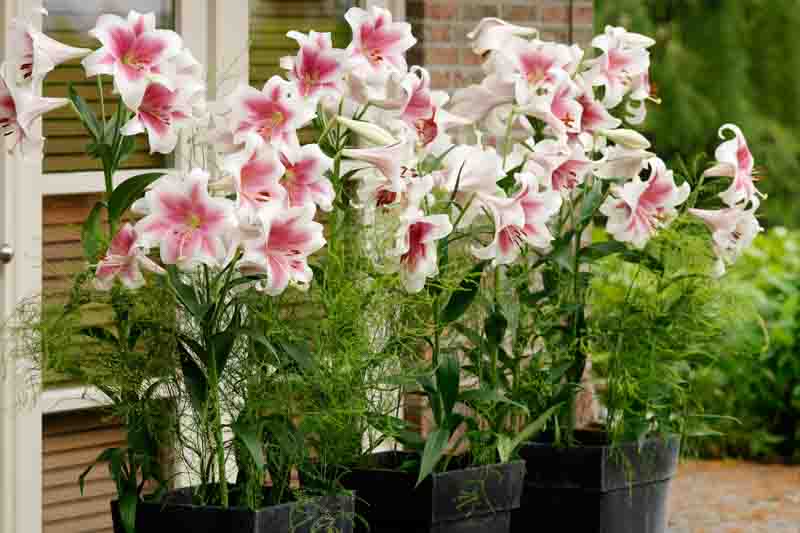
Containers cannot make an individual lily flower indefinitely, but they can make succession easier to manage and display.
Plant several pots with cultivars that flower at different stages. Keep plants approaching bloom in suitable growing positions, then bring a container into a prominent location when its flowers begin opening.
After flowering, move the pot somewhere less visually important while the leaves remain green and replenish the bulb.
This technique is particularly useful on patios, terraces, balconies, and small gardens where every prominent spot matters.
Do not move actively flowering lilies repeatedly between radically different light or temperature conditions. The goal is flexible presentation, not stress.
For cultivar ideas and container-growing advice, see Gardenia’s Best Lilies for Pots and Containers.
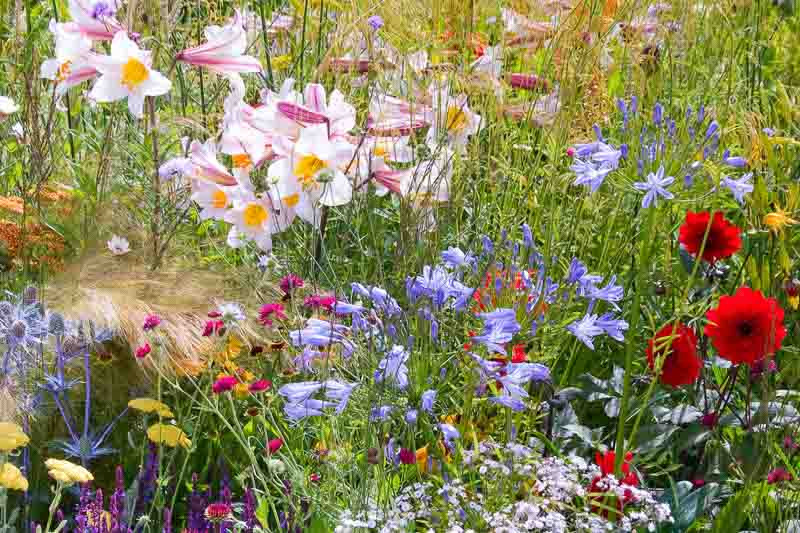
One challenge with lilies is that their foliage should remain after flowering even when it is no longer the focal point of the border.
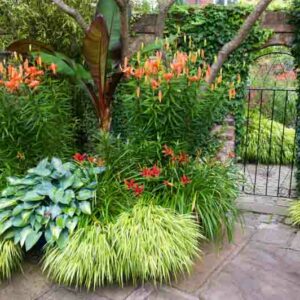
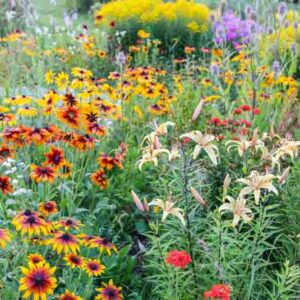
Companion plants solve this beautifully. Medium-height perennials, grasses, and annuals can soften the lower portions of lily stems while allowing the lily foliage to continue functioning.
Companions also keep the border colorful after a particular lily has finished. This does not technically extend the lily’s flowering period, but it greatly extends the ornamental value of the planting.
Choose companions with compatible light, soil, moisture, and drainage requirements, and avoid such dense planting that air circulation around lily foliage is compromised.
See Gardenia’s Great Companion Plants for Lilies for planting combinations.
Several commonly suggested tactics are misunderstood. Knowing what does not work can save both effort and disappointment.
The most reliable way to extend lily season is selection plus good care. Protect the flowers and buds each plant already has, then use different cultivars and groups to create the next wave.
If you want the longest possible lily display without making the garden complicated, use this sequence:
Use Gardenia’s Plant Finder to narrow lily choices by bloom season, height, flower color, fragrance, hardiness, sun, soil, and other garden conditions.
You can also compare lilies side by side to evaluate cultivars and species before deciding which ones best fill the gaps in your flowering sequence.
Best strategy: First identify the period when your current lilies stop flowering. Then search for lilies that bloom in the missing window and refine your choices by the conditions in your garden.
A single true lily flower generally remains attractive for several days and can last up to about a week under favorable conditions. Because several buds on a stem open in succession, the overall flowering display usually lasts much longer than any one flower and commonly continues for around a couple of weeks or more.
A lily plant may remain in flower for several weeks as its buds open sequentially. Duration varies with cultivar, bud count, temperature, weather, plant health, and growing conditions. Some cultivars, including Oriental lily ‘Casa Blanca’, can provide a display lasting up to about four weeks.
One lily stem does not normally bloom all summer, but a garden can have lilies flowering for much of the summer if you combine cultivars and lily groups with different flowering periods. Earlier Asiatics and Martagons can be followed by Trumpets, Orientals, Orienpets, tiger lilies, and selected species.
Deadheading removes spent flowers and prevents unwanted seed development, but it does not normally trigger a second flowering cycle in true lilies. Leave unopened buds and green foliage intact so the current display can continue and the bulb can replenish its reserves.
Do not cut green lily stems to the ground immediately after flowering. Remove spent flowers if desired, but leave the stems and leaves until they naturally yellow and die back. The foliage continues photosynthesizing and replenishing the bulb for the following season.
Bloom duration varies by cultivar and growing conditions. ‘Casa Blanca’ is an example of an Oriental lily that can flower for up to about four weeks. Lilies with numerous buds, such as vigorous Trumpet and Orienpet selections, can also provide substantial displays as flowers open successively.
Hot conditions can accelerate flower development and cause individual blossoms to age more quickly. Bloom duration also depends on cultivar, moisture, exposure, plant health, and weather, so exact flower life varies from garden to garden.
Combine lilies with different flowering periods, keep plants appropriately watered during active growth, protect buds and flowers from unnecessary stress, deadhead without cutting green foliage, and maintain healthy plants. Succession planting is the most reliable way to extend lily flowers across much of the summer.
A short display may result from a low bud count, unusually hot weather, drought stress, storm damage, weak bulbs, pest or disease damage, or simply the natural flowering pattern of the cultivar. Check whether additional unopened buds remain before assuming the plant has finished.
True lilies generally produce one main flowering cycle on each stem rather than reblooming repeatedly after deadheading. To keep lily flowers coming through summer, grow several cultivars and groups whose natural flowering periods overlap.
A single lily flower usually lasts several days and can remain attractive for up to about a week. A flowering stem lasts longer because its buds open one after another, commonly producing around a couple of weeks of color and sometimes more. Some cultivars can provide an especially long display, with ‘Casa Blanca’ capable of flowering for up to about four weeks.
But the longest lily season does not come from forcing one plant to keep flowering. It comes from combining good individual performance with succession.
Keep plants healthy, prevent severe drought and waterlogging, protect buds and stems, deadhead spent flowers without removing green foliage, and allow leaves to replenish the bulbs. Then combine lilies whose flowering windows overlap.
Think of bloom duration on three levels: days for each flower, weeks for each plant, and months for a garden designed around succession.
Updated: August 2026 • Reviewed by Gardenia Editors
| Hardiness |
3 - 9 |
|---|---|
| Heat Zones |
1 - 7 |
| Climate Zones | 1, 2, 3, 4, 5, 6, 7, 8, 9, 14, 15, 16, 17, 18, 19, 20, 21, 22, 23 |
| Plant Type | Bulbs, Perennials |
| Genus | Lilium |
| Exposure | Full Sun, Partial Sun |
| Season of Interest | Spring (Late), Summer (Early, Mid, Late), Fall |
| Maintenance | Low |
| Water Needs | Average |
| Soil Type | Chalk, Clay, Loam, Sand |
| Soil pH | Acid, Alkaline, Neutral |
| Soil Drainage | Moist but Well-Drained, Well-Drained |
| Characteristics | Cut Flowers, Fragrant, Showy |
| Landscaping Ideas | Beds And Borders, Patio And Containers |
| Garden Styles | City and Courtyard, Cutting Garden, Informal and Cottage, Traditional Garden |
| Hardiness |
3 - 9 |
|---|---|
| Heat Zones |
1 - 7 |
| Climate Zones | 1, 2, 3, 4, 5, 6, 7, 8, 9, 14, 15, 16, 17, 18, 19, 20, 21, 22, 23 |
| Plant Type | Bulbs, Perennials |
| Genus | Lilium |
| Exposure | Full Sun, Partial Sun |
| Season of Interest | Spring (Late), Summer (Early, Mid, Late), Fall |
| Maintenance | Low |
| Water Needs | Average |
| Soil Type | Chalk, Clay, Loam, Sand |
| Soil pH | Acid, Alkaline, Neutral |
| Soil Drainage | Moist but Well-Drained, Well-Drained |
| Characteristics | Cut Flowers, Fragrant, Showy |
| Landscaping Ideas | Beds And Borders, Patio And Containers |
| Garden Styles | City and Courtyard, Cutting Garden, Informal and Cottage, Traditional Garden |
Create a membership account to save your garden designs and to view them on any device.
Becoming a contributing member of Gardenia is easy and can be done in just a few minutes. If you provide us with your name, email address and the payment of a modest $25 annual membership fee, you will become a full member, enabling you to design and save up to 25 of your garden design ideas.
Join now and start creating your dream garden!
Create a membership account to save your garden designs and to view them on any device.
Becoming a contributing member of Gardenia is easy and can be done in just a few minutes. If you provide us with your name, email address and the payment of a modest $25 annual membership fee, you will become a full member, enabling you to design and save up to 25 of your garden design ideas.
Join now and start creating your dream garden!