Love lilies but share your home with cats or dogs? Discover beautiful pet-safe alternatives for gardens and bouquets, from fragrant roses and elegant orchids to snapdragons, sunflowers, zinnias, and Gerbera daisies. Match each substitute to the lily's role for safer flowers without sacrificing color, fragrance, height, or style.
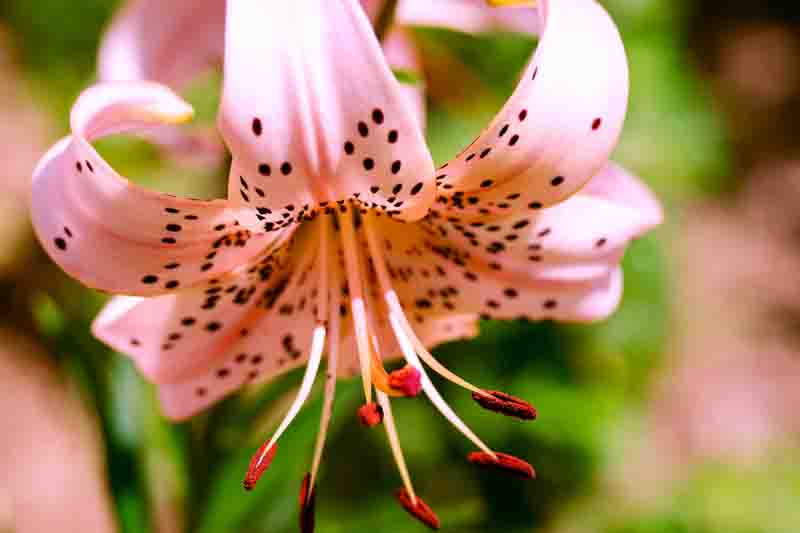


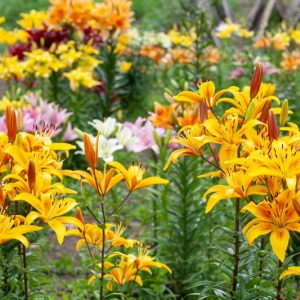
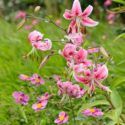
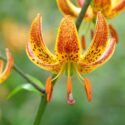
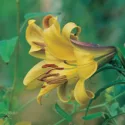
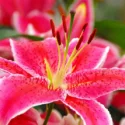
Lilies are among the most beautiful flowers for gardens and bouquets, but true lilies in the genus Lilium and daylilies in the genus Hemerocallis are extremely dangerous to cats. Even small exposures to flowers, leaves, pollen, or vase water can cause life-threatening kidney injury.
Fortunately, avoiding lilies does not mean giving up fragrance, height, elegance, vivid summer color, or dramatic cut flowers. Roses, snapdragons, sunflowers, zinnias, Gerbera daisies, freesias, lisianthus, statice, celosia, and many common florist orchids are considered non-toxic to cats and dogs by veterinary poison-control sources.
In this guide, “pet-safe” means flowers classified as non-toxic to cats and dogs. Non-toxic does not mean edible, and safety may differ for other animals such as horses, rabbits, birds, or small mammals.
The best substitute also depends on why you wanted lilies in the first place. A tall Trumpet lily needs a different replacement from a fragrant Oriental lily, while a bouquet lily may be valued for elegance, scent, focal impact, or vertical structure.
Gardenia’s pet-safe flower rule: replace the function, not just the flower. Choose a non-toxic alternative that performs the same garden or bouquet role as the lily you are replacing.
For cat owners, the most important distinction is between true lilies and daylilies and unrelated plants that simply contain “lily” in their common name.
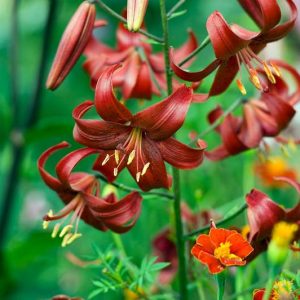
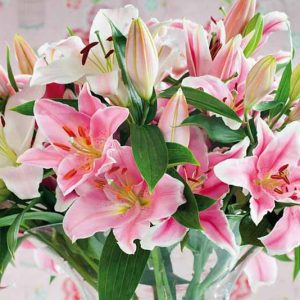
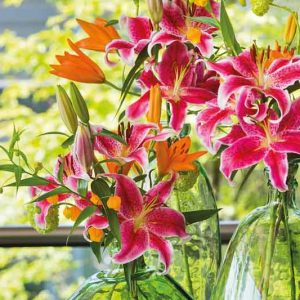
True lilies include Asiatic, Oriental, Trumpet, Tiger, Martagon, Orienpet, and many species lilies in the genus Lilium. Daylilies belong to the genus Hemerocallis. Both groups can cause severe kidney injury in cats.
The risk is unusually high because exposure does not require a cat to eat an entire plant. A cat may be exposed by chewing a leaf or flower, licking pollen from its fur during grooming, or drinking water from a vase containing lilies.
For homes with cats, true lilies and daylilies should be treated as an emergency-level hazard. Flowers, leaves, stems, pollen, and vase water can all present a risk.
If a cat may have contacted a true lily or daylily, seek veterinary advice immediately rather than waiting for symptoms. See Gardenia’s Lilies and Cats Safety Guide for detailed information.
Gardenia compares pet-safer alternatives by the job the lily was meant to do. Instead of asking which flower looks most like a lily, compare fragrance, height, focal impact, cutting performance, and garden use.
| Lily Role | Best Alternatives | Garden Use | Bouquet Use | Pet Status |
|---|---|---|---|---|
| Fragrant Oriental-style role | Roses, freesias | Fragrance gardens, mixed borders, cutting gardens | Excellent | Non-toxic to cats and dogs |
| Tall Trumpet or Orienpet-style role | Snapdragons, sunflowers | Vertical accents, back of borders, cutting gardens | Excellent | Non-toxic to cats and dogs |
| Bright Asiatic-style color | Zinnias, Gerbera daisies | Summer borders, containers, cutting gardens | Excellent | Non-toxic to cats and dogs |
| Elegant white lily role | White roses, lisianthus, orchids, white snapdragons | Formal borders, containers, cutting gardens | Excellent | Common listed forms non-toxic to cats and dogs |
| Large focal flower | Rose, Gerbera daisy, sunflower, orchid | Borders, containers, cutting gardens | Excellent | Non-toxic listed choices |
| Airy bouquet filler | Statice / limonium | Dry gardens, cutting gardens | Excellent | Non-toxic to cats and dogs |
| Lily-like flower shape | Peruvian lilies (Alstroemeria) | Borders, containers, cutting gardens | Excellent | Non-toxic to cats and dogs |
The important distinction: a good pet-safer substitute does not need to resemble a lily. It needs to preserve what you valued about the lily – fragrance, height, color, elegance, cutting performance, or visual impact.
Oriental and Trumpet lilies are often chosen as much for scent as for appearance. If fragrance is the main reason you love them, replace that function directly.
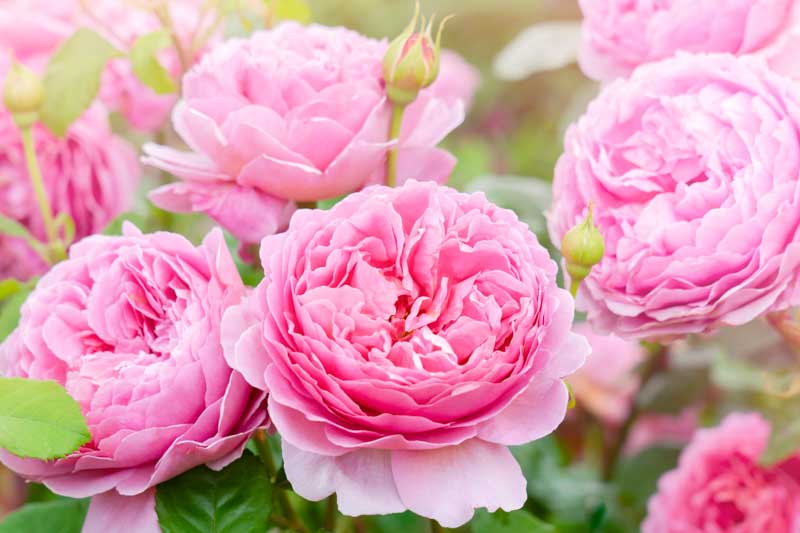
Roses are among the strongest alternatives because they can combine fragrance, large flowers, repeat bloom, and excellent cut stems while being classified as non-toxic to cats and dogs.
In the garden, roses can replace the romantic, perfumed presence of Oriental lilies in mixed borders. Shrub roses provide mass and repeated flowering, while hybrid teas, floribundas, and many English-style roses provide excellent stems for cutting.
In bouquets, roses deliver the same sense of luxury and occasion that often makes lilies desirable.
One caveat is physical rather than chemical: rose thorns can injure paws, mouths, or eyes. Keep thorny stems away from pet pathways and remove thorns from cut stems where practical.
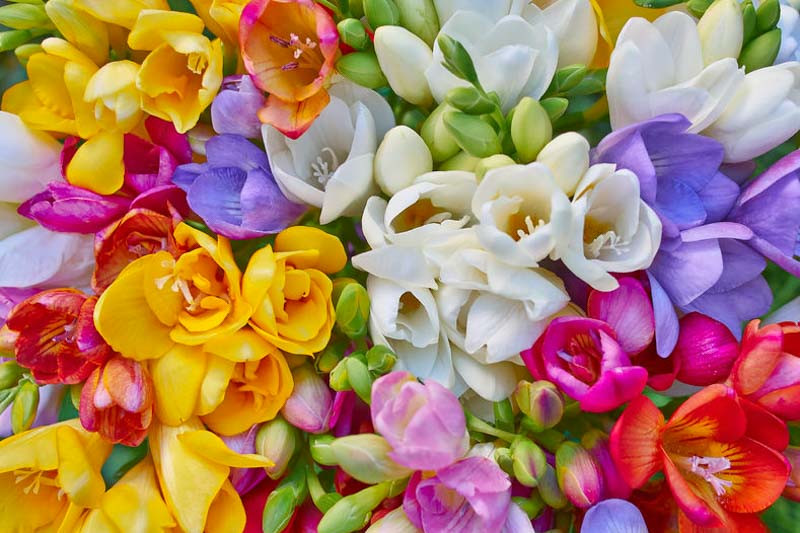
Freesias are particularly useful when fragrance is wanted in a bouquet. Their arching stems carry multiple funnel-shaped flowers and combine perfume with a light, graceful form.
They are especially valuable for cutting, while garden success depends more strongly on climate and drainage than with roses.
If fragrance is the reason you love lilies: start with roses or freesias rather than choosing a substitute simply because its flower shape looks similar.
Tall Trumpet lilies, Orienpets, and some species lilies create strong vertical accents. Their replacements should preserve that architectural role.
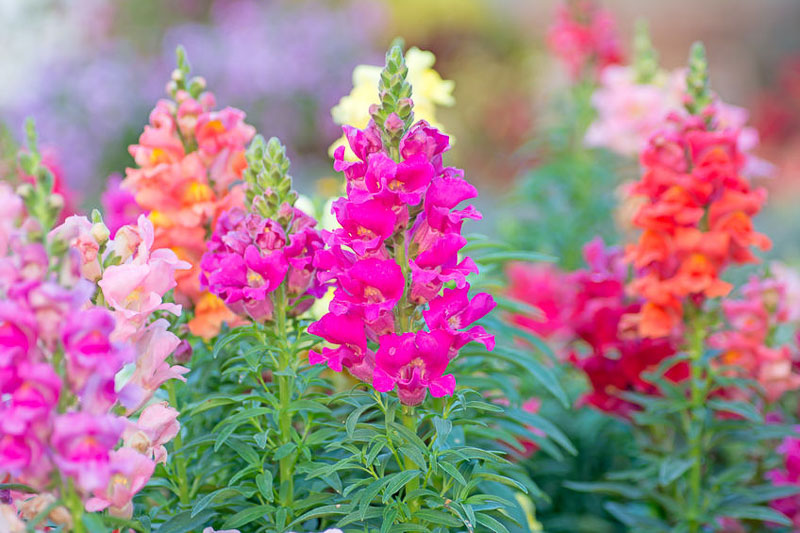
Snapdragons (Antirrhinum majus) are among the best pet-safer replacements when vertical structure matters.
Depending on the variety, flower spikes range from compact edging height to around 3 ft. (90 cm) or more. Tall cutting types create strong upright lines in borders and arrangements, with flowers available in white, yellow, pink, salmon, red, purple, and many blended shades.
They do not imitate the enormous blooms of a Trumpet lily, but they replace its vertical garden and bouquet function very effectively.
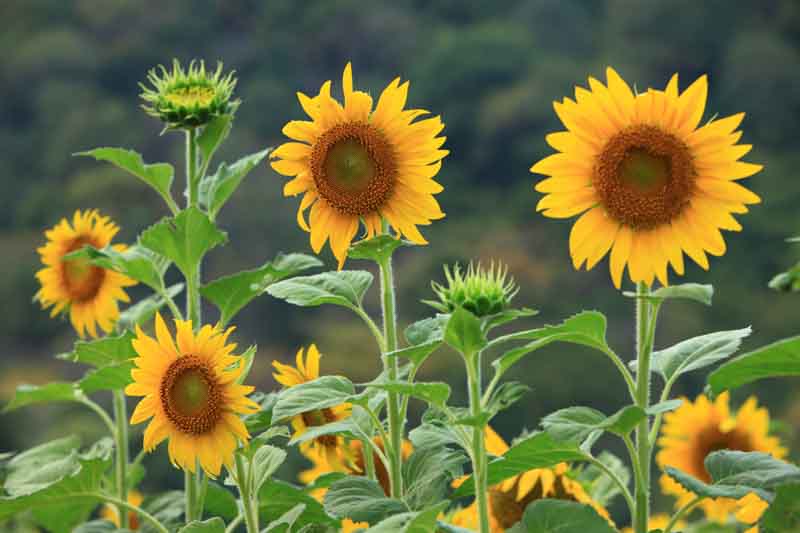
Common sunflower (Helianthus annuus) is an excellent alternative where greater height and visual impact are wanted.
Cultivars range from compact container plants to towering annuals for the back of borders and cutting gardens. They also support pollinators while flowering and provide seed for birds when mature.
Sunflowers are especially useful as substitutes for tall yellow, orange, or golden lilies when the goal is summer drama rather than flower-shape similarity.
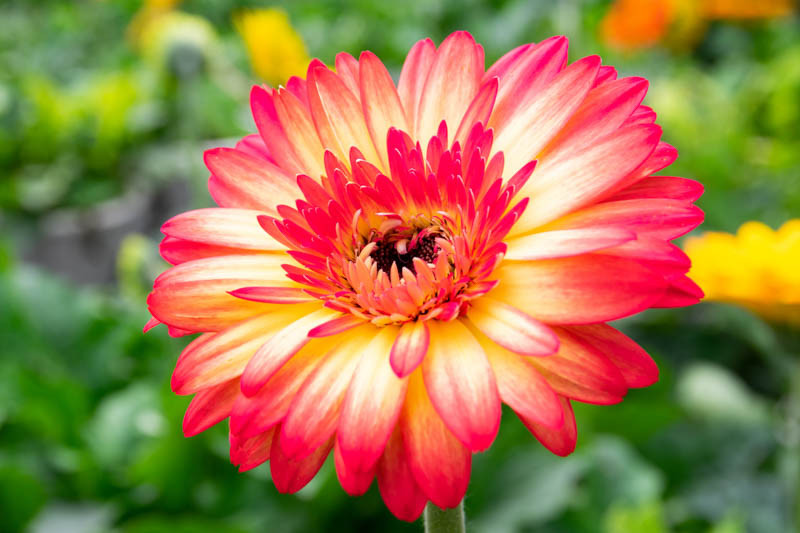
Gerbera daisies (Gerbera jamesonii) produce large, vividly colored flowers in shades including yellow, orange, red, pink, cream, and white.
Their strong individual flower presence makes them especially effective in bouquets and containers where lilies would otherwise serve as focal flowers.
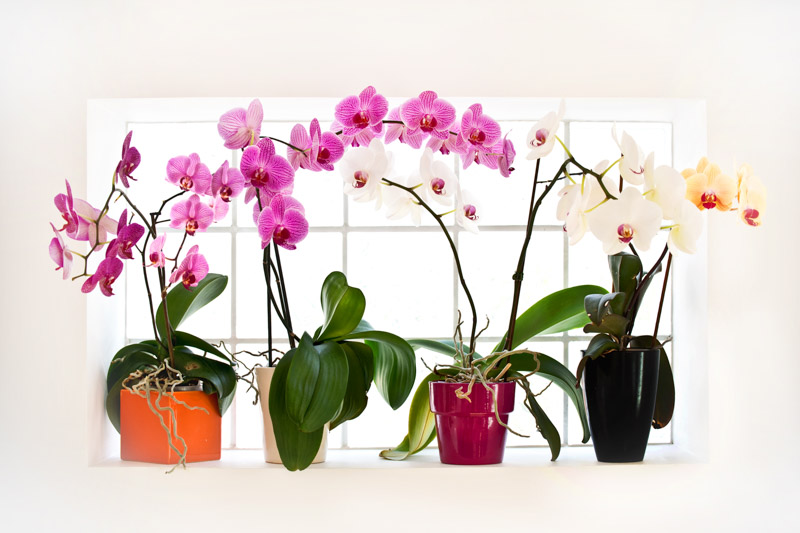
For elegance rather than sheer size, common florist orchids can be excellent substitutes. Pet-safer choices include widely used groups such as Phalaenopsis, Cymbidium, Dendrobium, and Oncidium.
Their sculptural flowers provide much of the sophisticated effect that makes white lilies popular in weddings and formal arrangements.
Because the orchid family is enormous, confirm the exact plant when identification is uncertain rather than assuming every orchid has been individually evaluated.
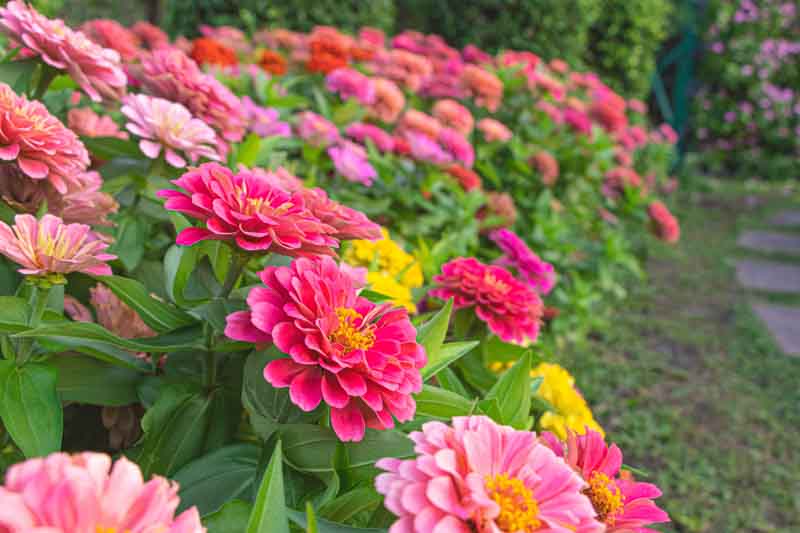
Zinnias are among the strongest substitutes for colorful Asiatic lilies. They flower in red, orange, yellow, pink, purple, green, cream, and multicolored combinations, with forms ranging from simple daisies to large double blooms.
They also work simultaneously as garden flowers, pollinator plants, and cut flowers. Regular cutting can encourage continued flowering through summer and into fall.
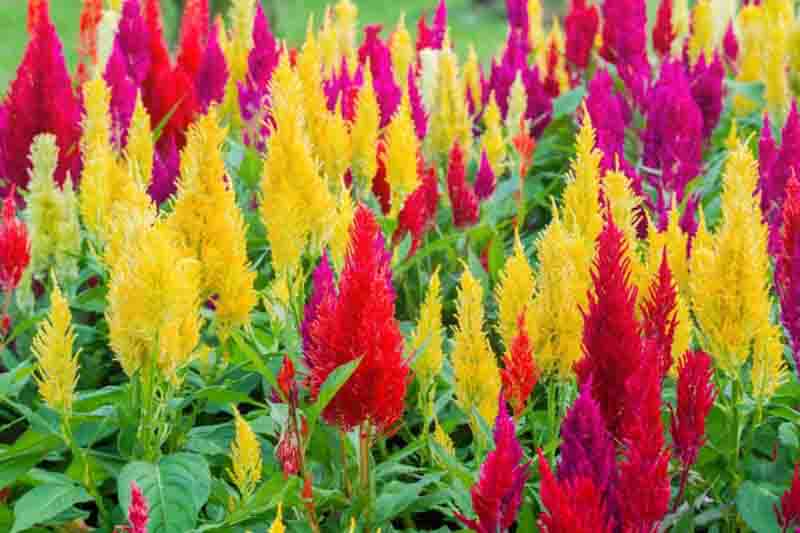
Celosia replaces lilies through texture and intensity rather than shape. Plumed, crested, and spiked forms bring vivid red, orange, yellow, pink, and magenta color to borders and bouquets.
It is particularly valuable when you want a pet-safer flower with unusual form and strong warm-season presence.
White lilies are frequently used for weddings, sympathy arrangements, religious celebrations, and formal gardens. Their substitutes therefore need to preserve elegance as much as color.
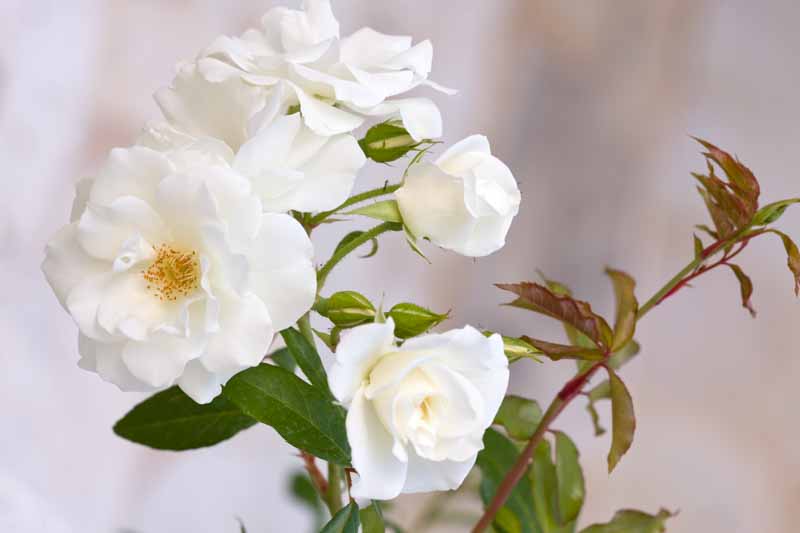
White roses are perhaps the most straightforward alternative. They retain the romantic and formal qualities associated with white lilies and can also provide fragrance.
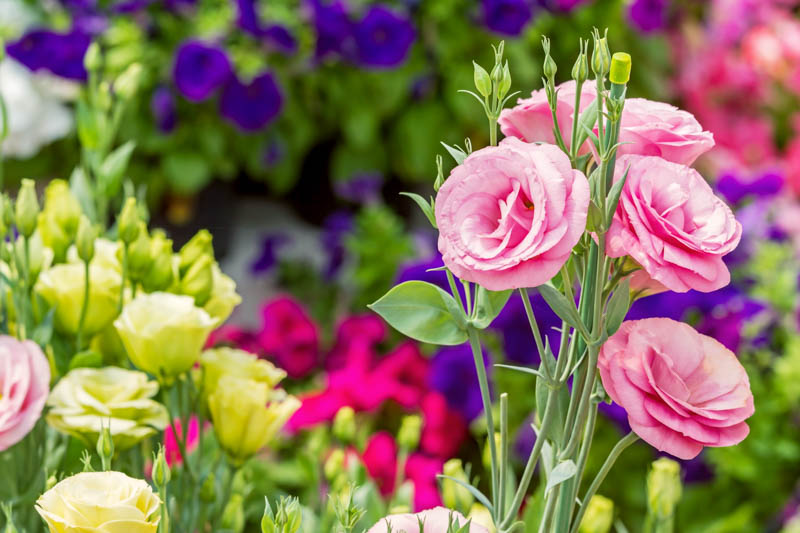
Lisianthus produces elegant, softly layered flowers on slender stems. White forms are particularly effective in wedding and formal arrangements and combine beautifully with roses, snapdragons, orchids, and statice.
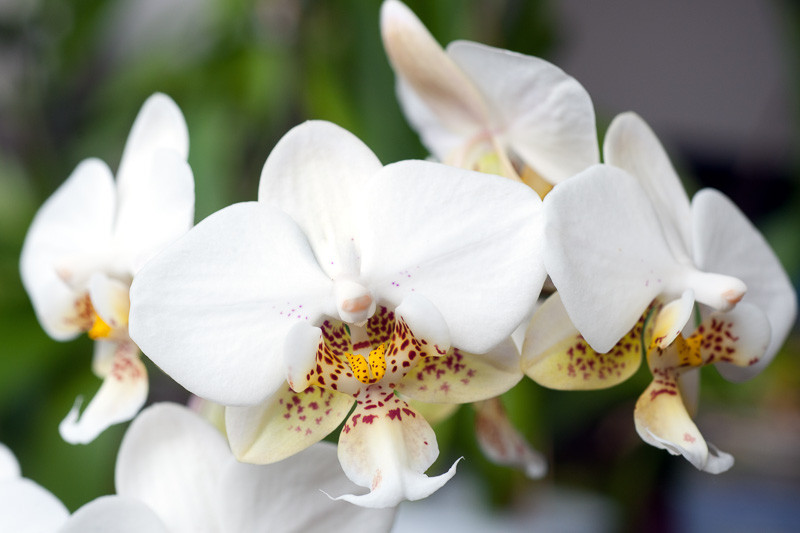
White Phalaenopsis, Cymbidium, and other commonly used florist orchids provide clean, sculptural flowers suited to minimalist and formal arrangements.
Where a white bouquet also needs height, snapdragons provide strong vertical lines and pair naturally with rounded focal flowers such as roses and lisianthus.
Replacing lilies in a bouquet is easiest when you think in terms of floral roles.
| Bouquet Role | Pet-Safer Choices |
|---|---|
| Large focal flower | Rose, Gerbera daisy, sunflower, orchid |
| Vertical line | Snapdragon, stock |
| Fragrance | Rose, freesia |
| Soft romantic flower | Rose, lisianthus |
| Bright summer color | Zinnia, Gerbera daisy, sunflower, celosia |
| Airy filler | Statice / limonium |
A simple lily-free bouquet formula:
Focal flower: roses, Gerbera daisies, sunflowers, or orchids
Height: snapdragons
Fragrance: roses or freesias
Filler: statice or limonium
Seasonal color: zinnias or celosia
This recreates the structure, fragrance, color, and visual drama of a mixed lily bouquet without relying on true lilies or daylilies.
Simply requesting a “pet-friendly bouquet” may not be specific enough. Common flower names can be confusing, and several unrelated plants include the word “lily.”
The clearest instruction for a household with cats is:
Please make this arrangement completely free of true lilies (Lilium) and daylilies (Hemerocallis), including lily flowers, buds, foliage, and pollen.
You can then request known pet-safer flowers such as roses, Gerbera daisies, sunflowers, snapdragons, common florist orchids, freesias, lisianthus, and statice.
Do not assume that simply removing visible lily flowers from an already assembled bouquet makes it safe for a cat. Pollen may already have fallen onto neighboring flowers, foliage, furniture, or the vase.
Common names create considerable confusion. Some plants called lilies are not true lilies, but that does not automatically make them pet-safe.
| Plant | True Lily? | Pet Concern |
|---|---|---|
| Asiatic, Oriental, Easter, Tiger, Trumpet lilies | Yes – Lilium | Extremely dangerous to cats; can cause acute kidney injury |
| Daylily | No – Hemerocallis | Also extremely dangerous to cats; can cause acute kidney injury |
| Peruvian lily / Alstroemeria | No – Alstroemeria | Not associated with the severe kidney injury caused by true lilies, but ingestion may cause gastrointestinal upset |
| Peace lily | No – Spathiphyllum | Toxic; insoluble calcium oxalates can cause painful oral irritation |
| Calla lily | No – Zantedeschia | Toxic; insoluble calcium oxalates can cause oral irritation, drooling, and vomiting |
| Lily of the valley | No – Convallaria | Toxic; cardiac glycosides can cause serious poisoning |
Alstroemeria, commonly called Peruvian lily or lily of the Incas, is not a true lily. The ASPCA classifies it as non-toxic to cats and dogs, and it does not cause the severe kidney injury associated with Lilium and Hemerocallis.
It can therefore be used as a pet-safer lily alternative, particularly in bouquets where its flower form gives a somewhat lily-like effect. As with other non-toxic flowers, eating plant material may still cause gastrointestinal upset, so bouquets should remain out of reach.
The larger lesson is simple: common name alone is not a reliable safety test. Identify the botanical plant whenever possible.
A plant classified as non-toxic is not necessarily something a cat or dog should eat.
Chewing unfamiliar plant material may cause vomiting, diarrhea, or digestive discomfort even when the plant is not classified as poisonous. Cut flowers may also carry pesticide residues, floral preservatives, fertilizers, dyes, or treatments unrelated to the plant’s inherent toxicity.
In the garden, choose a lily substitute by the role it needs to play. The table below gives a quick way to match common lily functions with pet-safer alternatives.
| Garden Role | Pet-Safer Alternatives | Why They Work | Best Uses |
|---|---|---|---|
| Vertical structure | Snapdragons, sunflowers | Provide upright stems, height, and strong vertical accents | Back of borders, cutting gardens, mixed beds |
| Fragrance | Fragrant roses, freesias | Replace the perfume and romantic character of Oriental and Trumpet lilies | Fragrance gardens, mixed borders, cutting gardens |
| Intense summer color | Zinnias, Gerbera daisies, celosia | Deliver saturated color and strong flower impact through the warm season | Summer borders, cutting gardens, containers |
| Large focal flowers | Roses, Gerbera daisies, sunflowers | Provide the visual weight and dominant blooms often supplied by lilies | Feature planting, containers, cutting gardens |
| Containers | Gerbera daisies, dwarf sunflowers, compact snapdragons, zinnias, suitable roses | Offer strong seasonal color without requiring large garden spaces | Patios, balconies, entrances, small gardens |
| Cutting gardens | Snapdragons, roses, freesias, zinnias, Gerbera daisies, sunflowers, celosia, statice | Combine height, fragrance, focal flowers, texture, and filler in one planting scheme | Bouquet production and mixed cutting beds |
Gardenia design insight: replacing a toxic plant works best when you preserve its garden function. Match height with height, fragrance with fragrance, focal flowers with focal flowers, and cutting performance with cutting performance. Pet safety does not have to mean sacrificing good garden design.
Keeping lilies outdoors can reduce direct exposure for a strictly indoor cat, but it does not eliminate every route by which lily material can enter the home.
For households with cats that go outdoors, the safest approach is not to grow true lilies or daylilies in areas they can access. Outdoor cats may encounter the plants directly, and neighboring cats may also enter the garden.
The severe kidney-failure syndrome associated with true lilies and daylilies is primarily a concern in cats. Dogs that chew these plants are more likely to develop gastrointestinal upset rather than the acute renal toxicity seen in cats.
That does not mean every plant called a lily is safe for dogs. Lily of the valley, peace lily, calla lily, and other unrelated plants with “lily” in their common names have their own toxic effects.
If you are designing specifically for dogs, evaluate the actual botanical species rather than applying the cat-lily rule to every plant carrying the word “lily.”
A cutting garden does not need lilies to produce impressive arrangements. The key is to plant for several floral functions rather than relying on one dominant flower.
The result is not a garden trying to imitate lilies. It is a cutting garden designed from the beginning to supply the same functions that lilies often provide.
Knowing that a flower is non-toxic is only the first step. The replacement still needs to suit your climate, light, soil, water, mature size, bloom season, and garden style.
Use Gardenia’s Plant Finder and individual plant profiles to move from a broad recommendation such as “pet-safer tall flower” or “fragrant lily alternative” to plants that actually fit your garden conditions.
First remove the toxicity problem. Then solve the gardening problem.
Pet-safer alternatives include roses, Gerbera daisies, sunflowers, zinnias, snapdragons, many common florist orchids, freesias, lisianthus, statice, and celosia. Choose the substitute according to the role you wanted the lily to provide, such as fragrance, height, color, or a focal flower.
Roses are considered non-toxic to cats and dogs. However, thorns can cause physical injuries, and eating any plant material may still cause mild digestive upset.
Sunflowers are considered non-toxic to cats and dogs. They are useful alternatives to tall lilies in gardens and make bold focal flowers in bouquets, although pets should still be discouraged from eating large amounts of plant material.
Yes. Zinnias are considered non-toxic to cats and dogs. They are excellent summer garden and cut flowers and provide a broad range of bright colors.
Gerbera daisies are considered non-toxic to cats and dogs. Their large colorful flowers make them particularly useful as pet-safer focal flowers in bouquets and containers.
Many common florist orchids, including Phalaenopsis, Cymbidium, Dendrobium, and Oncidium, are considered non-toxic to cats and dogs. Because the orchid family is very large, check the exact plant when identification is uncertain.
No. Daylilies belong to the genus Hemerocallis rather than Lilium, but they are also extremely dangerous to cats and can cause acute kidney injury. They should not be used as a safe substitute for true lilies.
Peruvian lilies, or Alstroemeria, are not true lilies and are classified by the ASPCA as non-toxic to cats and dogs. They do not cause the severe kidney injury associated with Lilium and Hemerocallis, although eating plant material may still cause gastrointestinal upset.
No. Peace lilies and calla lilies are not true lilies, but both are toxic to cats and dogs because they contain insoluble calcium oxalate crystals that can cause painful oral irritation, drooling, and vomiting.
Ask for an arrangement completely free of true lilies in the genus Lilium and daylilies in the genus Hemerocallis. Request known pet-safer flowers such as roses, Gerbera daisies, sunflowers, snapdragons, common florist orchids, freesias, lisianthus, or statice.
For households with cats, true lilies and daylilies present a risk that is difficult to manage safely in bouquets or accessible garden spaces. Substitution is usually a better strategy than trying to keep a highly toxic flower just out of reach.
Fortunately, there is no need to sacrifice garden design or floral impact. Roses can replace fragrance and romance, snapdragons replace vertical structure, sunflowers and Gerbera daisies replace focal impact, zinnias and celosia replace summer color, orchids replace sculptural elegance, and lisianthus provides a refined formal flower.
Gardenia’s pet-safe flower rule: replace the function, not just the flower. Once the toxicity problem is removed, use climate, light, soil, water, size, and garden role to choose the replacement that will actually succeed.
Updated: August 2026 • Reviewed by Gardenia Editors
| Hardiness |
3 - 9 |
|---|---|
| Climate Zones | 1, 2, 3, 4, 5, 6, 7, 8, 9, 14, 15, 16, 17, 18, 19, 20, 21, 22, 23 |
| Plant Type | Bulbs, Perennials |
| Genus | Lilium |
| Exposure | Full Sun, Partial Sun |
| Season of Interest | Summer (Early, Mid, Late) |
| Maintenance | Low |
| Water Needs | Average |
| Soil Type | Chalk, Clay, Loam, Sand |
| Soil pH | Alkaline, Neutral |
| Soil Drainage | Moist but Well-Drained, Well-Drained |
| Characteristics | Cut Flowers, Showy |
| Landscaping Ideas | Beds And Borders, Patio And Containers |
| Garden Styles | City and Courtyard, Cutting Garden, Informal and Cottage, Traditional Garden |
| Hardiness |
3 - 9 |
|---|---|
| Climate Zones | 1, 2, 3, 4, 5, 6, 7, 8, 9, 14, 15, 16, 17, 18, 19, 20, 21, 22, 23 |
| Plant Type | Bulbs, Perennials |
| Genus | Lilium |
| Exposure | Full Sun, Partial Sun |
| Season of Interest | Summer (Early, Mid, Late) |
| Maintenance | Low |
| Water Needs | Average |
| Soil Type | Chalk, Clay, Loam, Sand |
| Soil pH | Alkaline, Neutral |
| Soil Drainage | Moist but Well-Drained, Well-Drained |
| Characteristics | Cut Flowers, Showy |
| Landscaping Ideas | Beds And Borders, Patio And Containers |
| Garden Styles | City and Courtyard, Cutting Garden, Informal and Cottage, Traditional Garden |
Create a membership account to save your garden designs and to view them on any device.
Becoming a contributing member of Gardenia is easy and can be done in just a few minutes. If you provide us with your name, email address and the payment of a modest $25 annual membership fee, you will become a full member, enabling you to design and save up to 25 of your garden design ideas.
Join now and start creating your dream garden!
Create a membership account to save your garden designs and to view them on any device.
Becoming a contributing member of Gardenia is easy and can be done in just a few minutes. If you provide us with your name, email address and the payment of a modest $25 annual membership fee, you will become a full member, enabling you to design and save up to 25 of your garden design ideas.
Join now and start creating your dream garden!