Should you plant lily bulbs in fall or spring? The best timing depends on climate, soil, drainage, bulb condition, and lily type. Learn when to plant lilies in cold, temperate, mild, hot, and wet climates, when spring planting makes sense, and how to give every bulb a stronger start.
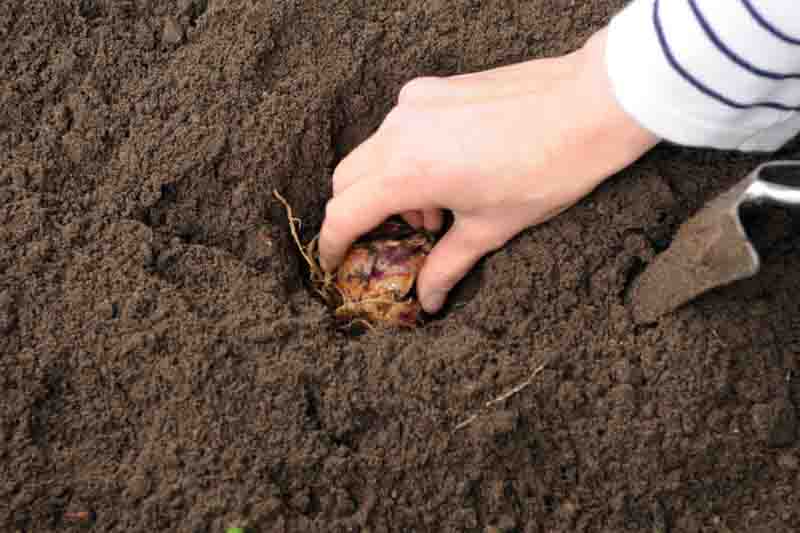


Lily bulbs can be planted in fall or spring, but the better season depends on your climate, soil conditions, bulb quality, and the type of lily you are growing.
In many temperate climates, fall is an excellent planting season. Cool soil allows hardy lily bulbs to begin developing roots before winter while the plant remains dormant above ground. Spring planting is also highly successful, particularly where winters arrive early, bulbs become available later, or fall soil conditions are unsuitable.
The most useful rule is therefore not “always plant in fall” or “always plant in spring.” It is to give a fresh lily bulb the best possible conditions for establishment.
This matters because true lily bulbs are different from tulips and daffodils. They are made of fleshy scales and do not have a dry protective tunic. Left out of the ground unnecessarily, they can lose moisture and deteriorate.
Gardenia’s planting rule: plant for establishment, not for the calendar. Choose the season that gives a fresh bulb suitable soil, good drainage, and enough time to establish under your local conditions.
For hardy lilies in climates with a suitable autumn planting window, fall often offers a natural biological advantage. Bulbs can begin developing roots while the soil remains cool but unfrozen, then resume growth naturally when temperatures rise in spring.
Spring planting, however, is not a second-best option. Commercial lily bulbs can be stored under controlled cold conditions through winter and planted successfully when the ground becomes workable. This is particularly useful for lilies that mature late in the growing season and may not be available early enough for reliable fall planting.
| Planting Season | Best When | Advantages | Main Risk |
|---|---|---|---|
| Fall | Bulbs are available while soil remains workable and well drained | Early root establishment and a natural winter dormancy cycle | Planting too close to deep freeze or into saturated winter soil |
| Spring | Fall planting was impractical or good-quality bulbs become available after winter | Bulbs establish during the growing season and avoid very late fall planting | Unnecessary delay can dry bulbs or shorten first-season establishment |
The practical takeaway: fall versus spring is not a contest with one universal winner. The better planting window is the one that puts a fresh bulb into suitable, well-drained soil without unnecessary storage or exposure to frozen, saturated, or excessively hot conditions.
In cold-winter regions, the main challenge is the interval between bulb availability and deep soil freeze.
Fall planting can work extremely well when bulbs arrive early enough for the soil to remain workable for several weeks. This gives roots an opportunity to develop before severe winter conditions arrive.
Where the ground freezes early, the fall planting window may be relatively short. Depending on latitude, elevation, and local weather, bulbs may need to be planted in September or October rather than left until late fall.
If bulbs arrive after the ground has frozen solid, forcing them into unsuitable soil offers little benefit. Properly stored bulbs can instead be planted in spring as soon as the soil becomes workable and adequately drained.
Cold-climate rule: fall planting is excellent when there is still time for establishment before deep freeze. Once that window has closed, spring planting is more sensible than trying to plant into frozen or saturated ground.
Regions with long, cool autumns and winters that do not freeze the soil immediately usually provide the most flexible planting schedule.
Early to mid-fall is often ideal. Soil temperatures are declining, moisture is usually more reliable than in summer, and the bulb can begin rooting without producing substantial top growth.
Spring planting is also highly effective. Plant once the soil is workable and no longer persistently waterlogged.
Where autumn remains cool and workable well into the season, both fall and spring can succeed reliably. Bulb quality and soil conditions may matter more than the exact month on the calendar.
Mild-winter climates often provide a long fall and winter planting season because the soil does not freeze deeply.
Fall planting is usually an excellent option once extreme summer heat has passed and soil temperatures have moderated. Bulbs can establish roots through the cool season and be ready to grow when spring conditions arrive.
In Mediterranean-type and coastal climates, planting can often continue well beyond the autumn dates used in colder regions, provided soil remains suitable.
Winter rainfall, however, deserves as much attention as temperature. A mild winter does not help a lily bulb sitting in stagnant, saturated soil.
Mild-climate rule: use the long cool planting season to your advantage, but never confuse moist soil with waterlogged soil. Good drainage remains essential.
In regions with intense summer heat, fall planting can be especially useful because bulbs establish during the cooler part of the year before the next hot season arrives.
But planting by calendar date alone can be misleading. If late-summer or early-fall soil remains very hot, there is little advantage in rushing bulbs into the ground. Wait until seasonal heat has moderated and soil conditions become favorable for root growth.
Spring planting is still possible, particularly with fresh commercially stored bulbs. Earlier spring planting is preferable where summer heat builds rapidly because it gives the plants more time to establish before temperatures become stressful.
Site preparation is especially important in hot climates. Many lilies tolerate or appreciate sun on their upper growth while benefiting from a cooler root zone created by neighboring plants, organic mulch, or thoughtful placement.
In climates with prolonged winter rainfall, drainage may matter more than planting season.
Fall planting remains perfectly appropriate where soil drains freely. The problem arises when bulbs spend weeks or months in heavy, saturated soil. Lily bulbs are living tissue, and prolonged waterlogging reduces oxygen around the bulb and roots while increasing the risk of rot.
Planting the same poorly drained site in spring does not solve that underlying problem. The bulb will still encounter wet winters in subsequent years.
Instead, improve the planting site. Raised beds, slopes, amended planting areas where appropriate, and containers can provide better drainage than low-lying soil that remains saturated through winter.
Wet-winter rule: changing the planting month does not fix a poorly drained site. If winter soil remains saturated, improve drainage, use a raised planting area, or grow lilies in containers.
Species can differ considerably in their tolerance of winter moisture. See Gardenia’s Species and Wild Lilies Guide for examples of how native habitat affects lily cultivation.
Lilies grow exceptionally well in pots, and containers allow more control over drainage, soil composition, and winter protection.
Fall is an excellent time to pot hardy lilies where bulbs are available and the container can be protected appropriately through winter. Spring planting also works well and is often convenient when bulbs are purchased after winter.
The main difference from garden planting is temperature exposure. Soil in a container freezes and thaws more rapidly than soil in the ground. In very cold climates, pots may require protection from severe or repeated freeze-thaw cycles.
Spring-planted container lilies should be potted promptly after purchase rather than stored for weeks in a warm indoor location.
See Gardenia’s Best Lilies for Pots and Containers for suitable varieties and container-growing advice.
The condition of the ground is more useful than a fixed cutoff date.
You can continue planting while the soil remains workable, adequately drained, and suitable for root development. However, the closer planting comes to deep freeze, the less time the bulb has to begin establishing roots before winter.
If the ground is already frozen solid, outdoor planting becomes impractical. Likewise, technically unfrozen soil that is cold and saturated is not automatically suitable simply because a shovel can penetrate it.
If winter has already closed the planting window, properly stored bulbs can be planted when conditions improve in spring.
Spring-planted lilies generally do not need gardeners to wait for warm summer-like soil.
Plant once the ground is workable, unfrozen, and no longer excessively saturated. Cool spring soil is entirely suitable for hardy lily bulbs.
Waiting unnecessarily can actually be counterproductive. Lily bulbs contain fleshy scales and can lose moisture during storage, particularly if kept too warm or dry.
Late frost is usually less important while the shoot remains below ground. Once young shoots emerge, however, severe late freezes may damage tender above-ground growth.
Do not wait for 60°F soil simply because you are planting lilies in spring. Hardy lily bulbs can be planted once the ground is workable, unfrozen, and adequately drained. Keeping sound bulbs in storage unnecessarily may allow them to dry or deteriorate.
Yes, although local climate, soil, and bulb availability usually matter more than the hybrid group alone.
Asiatic lilies are generally hardy and adaptable. Fall planting works well where bulbs have enough time to establish before severe winter conditions, while spring planting is equally practical with fresh, properly stored bulbs.
Oriental lilies can be planted in fall or spring. Spring planting is particularly common because Oriental bulbs often mature relatively late and may not always be commercially available early enough for an ideal fall planting window.
Good drainage and suitable acidic to neutral soil are more important than forcing these bulbs into the ground simply because the calendar says fall.
Trumpet and Aurelian lilies can also be planted in either season. Where winters are cold, fall bulbs should be planted early enough for initial root development. Spring planting remains an excellent alternative when bulbs become available later.
Martagon lilies can be slow to establish and generally resent repeated disturbance once settled. Plant fresh bulbs promptly when available and pay particular attention to permanent site selection, woodland-style conditions, and drainage.
With species lilies, individual ecology matters more than the broad label. Wild lilies evolved in very different climates and habitats, and some have distinctive requirements for planting depth, dormancy, summer moisture, winter drainage, or soil chemistry.
Check the individual species profile before applying a generic fall-or-spring recommendation.
Whenever practical, yes.
Unlike tunicate bulbs such as tulips and daffodils, lily bulbs consist of exposed fleshy scales. They can lose moisture during storage, particularly if they are kept in warm or dry conditions.
A fresh, firm bulb planted promptly into suitable soil generally has a better opportunity to establish than one left unnecessarily in storage.
If immediate planting is temporarily impossible, keep bulbs cool and protected from excessive drying. Avoid prolonged storage in a heated house, garage, or other warm location.
A sprouting lily bulb is not automatically damaged or unusable.
Plant it promptly and handle the emerging shoot carefully because young lily shoots are brittle. Position the bulb at the appropriate depth without forcing, bending, or snapping the shoot.
If the shoot has become elongated during warm storage, growth may initially look less tidy, but continued warm storage will generally not improve the situation.
After planting, protect emerging growth from accidental damage and watch local forecasts if severe frost is still possible.
Planting depth varies substantially among lilies, so a timing guide should not impose one universal measurement.
Many lilies are stem-rooting and produce additional roots from the buried portion of the stem above the bulb. Others root primarily from the basal plate. Certain species have unusual requirements, and Lilium candidum, for example, is planted much more shallowly than many familiar garden lilies.
For actual measurements by lily type, see Gardenia’s Lily Planting Depth and Spacing Guide.
| Climate Pattern | Best Strategy | Main Consideration |
|---|---|---|
| Early-freezing cold winter | Early fall or early spring | Plant before deep soil freeze or once spring soil becomes workable |
| Long, cool autumn | Fall often preferred; spring also excellent | Long rooting window in cool workable soil |
| Mild winter | Fall through the cool season where soil remains suitable | Long rooting season without deep soil freeze |
| Hot summer | Fall often advantageous after soil cools | Establish roots before intense summer heat |
| Wet winter | Fall where drainage is excellent; use raised beds or containers where winter soil stays saturated | Drainage matters more than planting season |
Choosing fall or spring is only the first decision. The individual lily still determines important details such as hardiness, soil pH, drainage, planting depth, mature height, and any unusual species-specific requirements.
Use Gardenia’s individual lily profiles to move from a general recommendation such as “plant in fall” to the conditions required by the lily you actually intend to grow.
For exact planting depth, continue to Gardenia’s Lily Planting Depth and Spacing Guide, or browse the Lilium plant collection to check the individual species or cultivar.
Both seasons can work. Fall often gives hardy lilies time to establish roots before winter, while spring is an excellent option where winters arrive early, bulbs are unavailable in fall, or soil conditions are unsuitable. Fresh bulbs and workable, well-drained soil matter more than choosing one universal season.
Plant while the soil remains workable and well drained. In cold climates, earlier fall planting gives bulbs more time to begin establishing roots before deep freeze. If the ground is frozen solid or persistently saturated, wait for suitable spring conditions instead.
Plant lily bulbs as soon as the ground is workable, unfrozen, and not excessively waterlogged. Hardy lilies do not require gardeners to wait for warm summer-like soil before planting.
No. Hardy lily bulbs can be planted in cool workable soil. Waiting unnecessarily for soil to reach 60 degrees Fahrenheit can leave fleshy bulbs in storage longer than necessary and increase the risk of drying.
Yes, whenever practical. Lily bulbs have fleshy scales and no dry protective tunic, so prolonged storage can allow them to lose moisture. Plant sound bulbs promptly into suitable soil.
Yes, where the soil remains workable and well drained. Mild-winter regions can have a long cool planting season, but avoid planting into persistently saturated soil.
Yes. Plant sprouting bulbs promptly and handle the young shoot carefully because it is brittle. Position the bulb at the appropriate depth without forcing, bending, or damaging the shoot.
Many healthy spring-planted lily bulbs will flower during their first growing season, although flowering may be somewhat later than on established plants. They generally return to their normal seasonal cycle in subsequent years.
Oriental lilies can be planted in either fall or spring. Spring planting is common because commercially grown Oriental bulbs may mature too late to be available early enough for an ideal fall planting window in many regions.
Choose a time when the bulb is fresh and the soil is workable, well drained, and suitable for root establishment. Climate, winter wet, soil freeze, bulb condition, and the individual lily are more useful guides than a fixed calendar date.
Lily bulbs do not have one universal planting date. Fall often provides an excellent natural establishment window in cool and temperate climates, while spring planting is equally practical when winter arrives early, bulbs are commercially available later, or fall soil conditions are unsuitable.
The calendar should therefore be the second question, not the first. Start by asking whether the bulb is fresh and whether the soil is workable, well drained, and appropriate for that particular lily.
Gardenia’s planting rule: plant for establishment, not for the calendar. Choose the season that gives a fresh bulb the best combination of suitable soil, rooting opportunity, drainage, and climate.
Updated: August 2026 • Reviewed by Gardenia Editors
| Hardiness |
3 - 9 |
|---|---|
| Climate Zones | 1, 2, 3, 4, 5, 6, 7, 8, 9, 14, 15, 16, 17, 18, 19, 20, 21, 22, 23 |
| Plant Type | Bulbs, Perennials |
| Genus | Lilium |
| Exposure | Full Sun, Partial Sun |
| Season of Interest | Summer (Early, Mid, Late) |
| Maintenance | Low |
| Water Needs | Average |
| Soil Type | Chalk, Clay, Loam, Sand |
| Soil pH | Alkaline, Neutral |
| Soil Drainage | Moist but Well-Drained, Well-Drained |
| Characteristics | Cut Flowers, Showy |
| Landscaping Ideas | Beds And Borders, Patio And Containers |
| Garden Styles | City and Courtyard, Cutting Garden, Informal and Cottage, Traditional Garden |
| Hardiness |
3 - 9 |
|---|---|
| Climate Zones | 1, 2, 3, 4, 5, 6, 7, 8, 9, 14, 15, 16, 17, 18, 19, 20, 21, 22, 23 |
| Plant Type | Bulbs, Perennials |
| Genus | Lilium |
| Exposure | Full Sun, Partial Sun |
| Season of Interest | Summer (Early, Mid, Late) |
| Maintenance | Low |
| Water Needs | Average |
| Soil Type | Chalk, Clay, Loam, Sand |
| Soil pH | Alkaline, Neutral |
| Soil Drainage | Moist but Well-Drained, Well-Drained |
| Characteristics | Cut Flowers, Showy |
| Landscaping Ideas | Beds And Borders, Patio And Containers |
| Garden Styles | City and Courtyard, Cutting Garden, Informal and Cottage, Traditional Garden |
Create a membership account to save your garden designs and to view them on any device.
Becoming a contributing member of Gardenia is easy and can be done in just a few minutes. If you provide us with your name, email address and the payment of a modest $25 annual membership fee, you will become a full member, enabling you to design and save up to 25 of your garden design ideas.
Join now and start creating your dream garden!
Create a membership account to save your garden designs and to view them on any device.
Becoming a contributing member of Gardenia is easy and can be done in just a few minutes. If you provide us with your name, email address and the payment of a modest $25 annual membership fee, you will become a full member, enabling you to design and save up to 25 of your garden design ideas.
Join now and start creating your dream garden!