Learn how Iowa’s updated 2023 USDA hardiness zones shape your garden. Explore zone 4b–6a, key frost dates, and month-by-month planting tips. Discover vegetables, fruits, flowers, and native plants perfectly suited to Iowa’s climate so you can plan smarter, harvest more, and enjoy a resilient backyard.
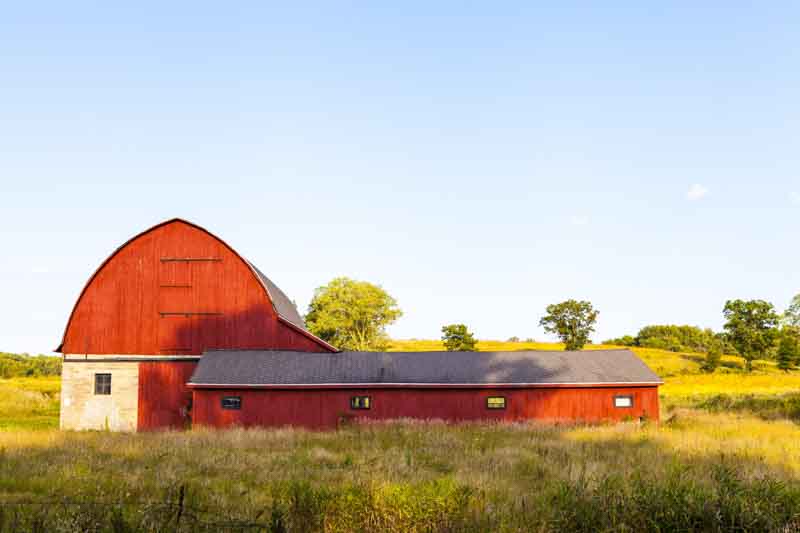


Gardening in Iowa ranges from brisk, breezy beds near Sioux City and Mason City to rich river-valley gardens along the Mississippi, prairie-style borders around Ames and Des Moines, and long-season harvests in the south. Iowa planting zones cover a mostly cool, continental spread of USDA hardiness zones, running roughly from zone 4b in the coldest pockets of the far northeast to zone 6a in small areas of the far south and southwest, with most gardeners in the zone 5a–5b range.
This guide will help you understand your Iowa growing zone, read the USDA map, time your planting around frost dates, and pick the best plants for your corner of the Hawkeye State.
With the updated 2023 USDA Plant Hardiness Zone Map, Iowa is now divided mainly into zones 4b, 5a, 5b, and 6a. Nearly all of the state is in zone 5, with the northern half largely in 5a and the southern half in 5b. Small pockets in the far northeast remain zone 4b, while a few sheltered areas in the far south and southwest have warmed into zone 6a.
The USDA Plant Hardiness Zone Map for Iowa shows how winter lows gradually moderate as you move from the colder northeast and north-central counties toward the milder river valleys and southern border. The map is based on 30-year averages of the coldest winter temperatures (1991–2020) and is the standard tool for choosing trees, shrubs, and perennials that can survive your local winter.
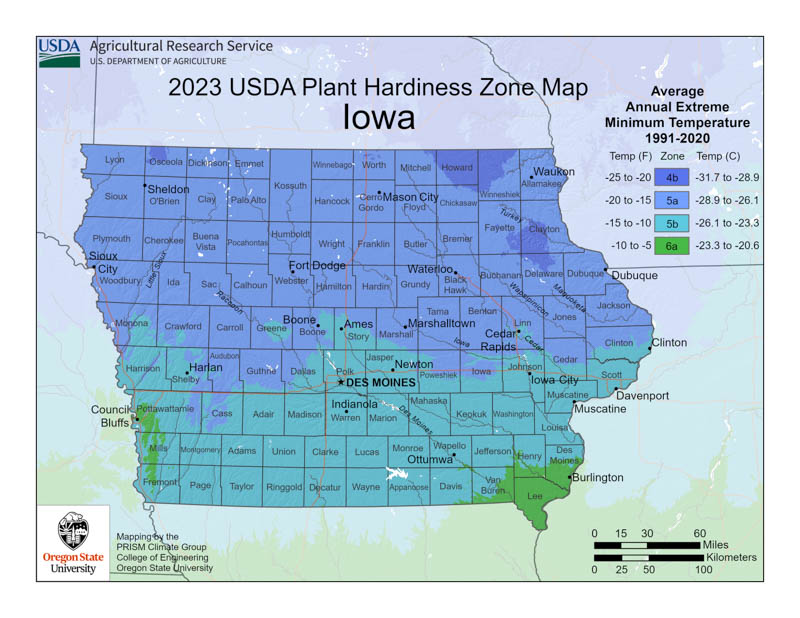
A simplified Iowa planting zone map based on the USDA 2023 Hardiness Zone Map, using 1991–2020 climate data.
Use the map together with your ZIP code to pinpoint your exact Iowa garden zone. Look up your Iowa planting zone by ZIP code using the USDA tool, then come back here or visit our Plant Finder for plants tailored to your zone and site conditions.
Although Iowa planting zones range from 4b to 6a, local conditions—river bottoms, prairie winds, urban heat islands, and sheltered courtyards—create countless microclimates. Breaking Iowa into regions makes it easier to match plants to your climate and gardening style.
This rugged region includes Decorah, Waukon, Elkader, and the bluff country along the Upper Mississippi. Winters can be long and cold, with deep freezes and plenty of snow. Hardy fruit trees, native perennials, and cool-season vegetables perform best, especially when paired with wind protection and good mulching.
From Sioux City and Le Mars across to Fort Dodge, Mason City, and Charles City, this region sees cold, windy winters and warm summers with a moderate growing season. Corn and soybeans dominate the countryside, but home gardens thrive with cool-season crops, prairie perennials, and well-chosen fruit trees.
Des Moines, Ames, Ankeny, Johnston, Urbandale, and nearby communities sit in the heart of Iowa, with classic four-season weather, rich loam soils, and plenty of summer warmth. The slightly milder winter lows of zone 5b in and around the city open the door to a wide range of perennials, shrubs, and warm-season vegetables.
Cedar Rapids, Iowa City, Coralville, Marion, and Waterloo enjoy fertile soils, reliable rainfall, and a solid growing season. Most neighborhoods are zone 5a–5b, with sheltered urban pockets behaving like the warmer edge of zone 5.
Dubuque, Davenport, Bettendorf, Muscatine, and Burlington hug the Mississippi River and benefit from its moderating influence. These communities are mostly zone 5b, with select south-facing slopes, river bluffs, and dense urban cores behaving like small 6a microclimates where slightly less hardy plants can sometimes survive.
Council Bluffs, Atlantic, Shenandoah, Creston, Mount Ayr, Ottumwa, and nearby towns along the Missouri border see slightly milder winters and long, warm summers. This is prime territory for heat-loving vegetables, prairie grasses, and ornamentals that appreciate hot days and warm nights.
In a state as tall and windy as Iowa, frost dates are your best planning tool. Whether you’re gardening in a breezy northwest cornfield or on a sheltered Des Moines patio, your average last and first frosts determine when it’s safe to plant tender crops—and when to be ready with covers in fall.
Across Iowa, last spring frosts typically range from late April to mid-May, and first fall frosts usually arrive from late September to late October, depending on latitude, elevation, and local microclimates.
| Region / City | Average Last Spring Frost | Average First Fall Frost | Approx. Frost-Free Days |
|---|---|---|---|
| Dubuque (Far Northeast IA) | Late April–Early May (around Apr 25–May 5) | Late October (around Oct 21–31) | ~155–170 days |
| Mason City / Waterloo (North-Central IA) | Late April–Early May (around Apr 25–May 5) | Early–Mid October (around Oct 1–12) | ~150–165 days |
| Ames / Des Moines (Central IA) | Late April–Early May (around Apr 25–May 5) | Mid October (around Oct 11–20) | ~160–175 days |
| Cedar Rapids / Iowa City (East-Central IA) | Late April–Early May (around Apr 25–May 5) | Early–Mid October (around Oct 1–12) | ~155–170 days |
| Council Bluffs / Ottumwa (Southern & Southwestern IA) | Late April–Early May (around Apr 25–May 7) | Mid–Late October (around Oct 15–28) | ~165–185 days |
Dates summarized from regional climate and frost-date tools; always check a local forecast and ZIP-code–based lookup for the most precise information for your garden.
Use these frost dates as a planning guide—your yard may be warmer or cooler depending on elevation, wind exposure, slope, surrounding pavement, nearby water, and building heat. They’re long-term averages, not guarantees, so keep an eye on the forecast during spring and fall cold snaps.
`
Once you know your Iowa planting zone, you can lean into your region’s strengths—whether that’s the crisp, cool conditions of the north or the extended growing season in the south. Focus on cold-hardy staples in zones 4–5 and heat-loving crops and ornamentals in zones 5–6, while choosing perennials rated for your specific hardiness zone.
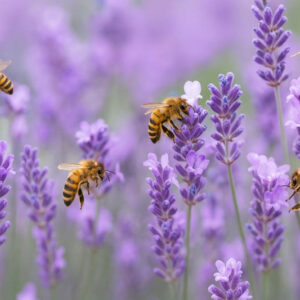
Iowa native plants are perfectly tuned to local soils, wind, and winter cold. Mix native wildflowers, grasses, shrubs, and trees for a low-maintenance, wildlife-friendly landscape that supports pollinators, songbirds, and beneficial insects.
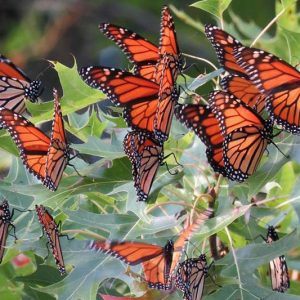
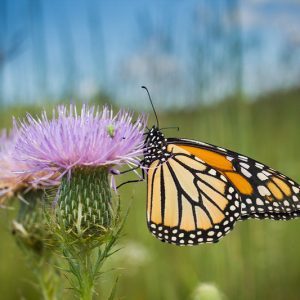
Browse curated lists like great pollinator plants for Iowa and monarch– and bird-friendly plant collections to build a garden that buzzes and flutters from spring through frost.
Tap a month to see what to plant in Iowa by zone. Use these quick guides as a starting point—then adjust for your exact frost dates and whether you garden on an exposed northern acreage, a sheltered Des Moines backyard, or a shady Dubuque hillside.
Iowa gardeners juggle spring cold snaps, strong winds, hail, summer heat, and the occasional droughty spell. These tips help your plants thrive from zone 4b to 6a:
Now that you understand your Iowa planting zone, frost dates, and regional climate, you’re ready to choose plants that love your conditions and create a thriving Hawkeye State garden. Mix edible crops, flowering perennials, and native plants for a landscape that feeds both your household and local wildlife. Want to compare Iowa to other states? Visit our national USDA planting zone guide to explore growing zones across the United States.
Iowa’s 2023 USDA Plant Hardiness Zone Map places the state mainly in zones 5a and 5b. The northern half is mostly 5a, the southern half mostly 5b. Small pockets in the far northeast remain zone 4b, while limited areas in the far south and southwest have warmed into zone 6a.
Use the USDA’s online Plant Hardiness Zone Map tool. Enter your ZIP code, and it will display your exact zone based on 30-year average winter minimum temperatures. This is the most accurate way to choose perennials and shrubs that can survive your local winter conditions.
Most of Iowa sees last spring frost between late April and early May and first fall frost between late September and late October. For example, Des Moines and Ames usually have first fall frost around October 11–20, while some northern cities see frost in early October. Always confirm with a ZIP-code–based frost-date lookup or local forecast.
Iowa is ideal for cool-season crops like lettuce, spinach, peas, broccoli, cabbage, carrots, radishes, beets, and turnips, plus warm-season staples like tomatoes, peppers, sweet corn, beans, cucumbers, squash, and pumpkins. In longer-season southern and river-valley areas, you can push the envelope with extra successions of beans, greens, and late corn
Yes. Most of Iowa (zones 4b–5b) is excellent for cold-hardy apples, pears, tart cherries, and many plums. In the warmer parts of southern and southwestern Iowa (5b–6a), peaches and some sweet cherries can succeed on well-drained, elevated sites that reduce the risk of late-frost damage to blossoms.
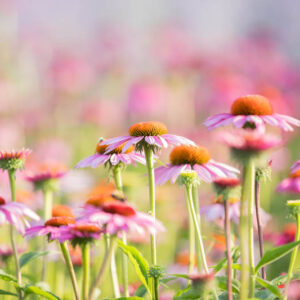
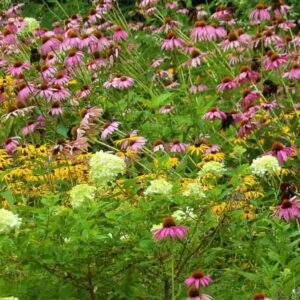
Iowa natives such as purple coneflower, black-eyed Susan, butterfly milkweed, liatris, prairie dropseed, little bluestem, and native oaks and maples are well adapted to local soils and weather. They support pollinators, songbirds, and beneficial insects while needing less water and maintenance than many nonnative ornamentals.
Yes. Compared with earlier maps, Iowa’s new 2023 USDA Plant Hardiness Zone Map is generally about a quarter-zone warmer. Nearly all of the state is now zone 5, with small additions of 6a in the south and remaining 4b pockets in the northeast, reflecting long-term warming trends in winter lows.
On open or hilltop sites, treat your garden as if it were a half-zone colder because wind increases winter stress and spring frost risk. Choose plants rated at least one zone hardier than your mapped zone, add windbreaks (fences, hedgerows, evergreens), and use mulch to buffer soil temperatures and moisture.
Mulch beds 2–3 inches deep to conserve moisture and reduce soil splash, water deeply but infrequently to encourage strong roots, and stake tall or top-heavy plants. Consider raised beds or improved drainage in heavy soils, and choose disease-resistant varieties of tomatoes and cucurbits to cope with humidity and periodic heavy rains.
You can view a dedicated Iowa hardiness zone map, based on the 2023 USDA update, through state extension and gardening resources that overlay the zones on a county map. These show most counties in zone 5, with 4b in the far northeast and small 6a pockets in the far south and southwest.
Updated: December 2025 • Reviewed by Gardenia Editors
| Hardiness |
4 - 6 |
|---|---|
| Native Plants | United States, Iowa, Midwest |
Create a membership account to save your garden designs and to view them on any device.
Becoming a contributing member of Gardenia is easy and can be done in just a few minutes. If you provide us with your name, email address and the payment of a modest $25 annual membership fee, you will become a full member, enabling you to design and save up to 25 of your garden design ideas.
Join now and start creating your dream garden!
Create a membership account to save your garden designs and to view them on any device.
Becoming a contributing member of Gardenia is easy and can be done in just a few minutes. If you provide us with your name, email address and the payment of a modest $25 annual membership fee, you will become a full member, enabling you to design and save up to 25 of your garden design ideas.
Join now and start creating your dream garden!