From the Adirondacks to NYC balconies, New York’s growing zones are your secret map to a more abundant garden. Discover your USDA zone, dial in frost dates, and learn what to plant when. Ready to turn your Empire State patch into a four-season oasis of your own today and beyond?
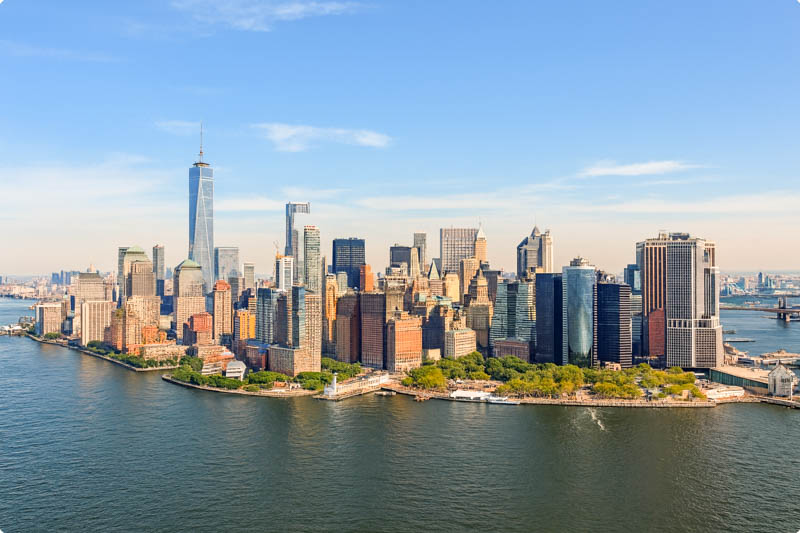


Gardening in New York means everything from cool, misty evenings in the Adirondacks to balcony tomatoes in Brooklyn and vineyards along the Finger Lakes. New York planting zones span a wide range of USDA hardiness zones, running roughly from zone 4a in the cold North Country to zone 7b in parts of New York City.
This guide will help you understand your New York growing zone, read the USDA map, time your planting around frost dates, and pick the best plants for your corner of the Empire State.
New York stretches from Atlantic shoreline to high peaks, so its hardiness zones reflect a big swing in winter cold. In general, New York hardiness zones range from about zone 4a in colder Adirondack areas to zone 7b in coastal New York City and some parts of Long Island.
The USDA Plant Hardiness Zone Map for New York shows how winter lows change from Lake Placid’s snowy peaks to the mild, densely built landscape of New York City and Long Island. The map is based on 30-year averages of the coldest winter temperatures and is the standard for choosing trees, shrubs, and perennials that can survive your local winter.
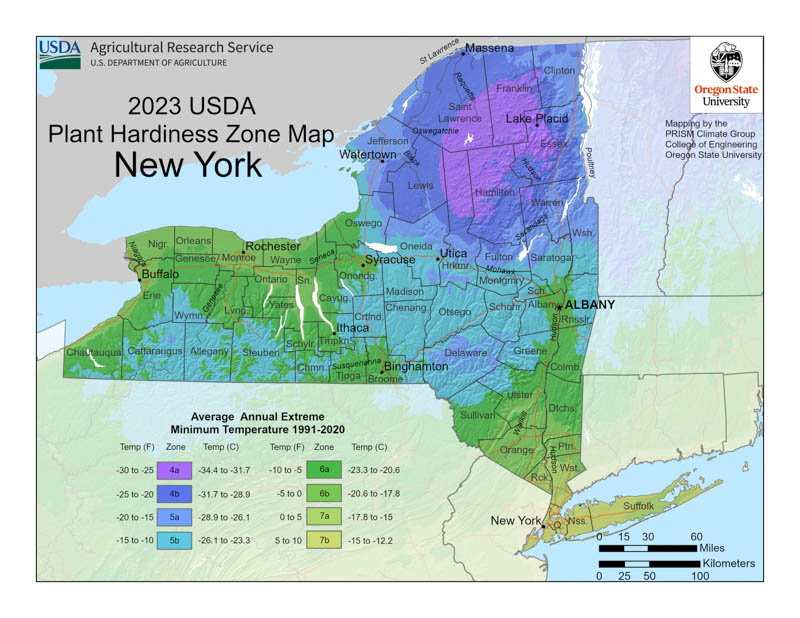
A simplified New York planting zone map based on the USDA 2023 Hardiness Zone Map, using 1991–2020 climate data.
Use the map together with your ZIP code to pinpoint your exact New York garden zone. Look up your New York planting zone by ZIP code using the USDA tool, then come back here or visit our Plant Finder for plants tailored to your zone and site conditions.
Although New York’s planting zones run from 4a to 7b, the state’s lakes, rivers, mountains, and dense cities create countless microclimates. Breaking New York into regions makes it easier to match plants to your climate and your garden style.
This region includes the five boroughs, western Long Island, and many coastal communities. Winters are relatively mild, summers are hot and humid, and the growing season is delightfully long—perfect for warm-season vegetables, herbs, and lush ornamental gardens.
From Westchester and Rockland into parts of Orange and Putnam Counties, this corridor blends river-moderated temperatures with suburban development. It’s a sweet spot for fruit trees, mixed borders, and four-season landscapes, with plenty of heat for summer crops and winters that are cold but not brutal.
From the mid-Hudson Valley through Albany and Troy, you’ll find a classic Northeast four-season climate. Spring can be slow to arrive, fall is often gorgeous, and gardeners juggle cool nights with warm summer days. This region supports a wide range of vegetables, hardy fruits, and both sun-loving and shade-tolerant ornamentals.
Think Ithaca, Syracuse, and the wine country around Canandaigua and Seneca Lakes. Lake influence can moderate winter lows near the water, while uplands stay cooler. Gardeners here can grow an impressive mix of cool- and warm-season crops, plus cold-hardy perennials and small fruits.
This region includes Buffalo, Rochester, and communities stretching toward the Pennsylvania border. Lake-effect snow, breezy conditions, and rolling hills mean winters can feel long, but soils are often fertile and summers mild, ideal for cool-loving crops and hardy ornamentals.
In Lake Placid, Saranac Lake, and surrounding high country, winters are long and cold, and frost can arrive early and linger late. Gardeners here rely on cold-hardy crops, season extension (cold frames, row covers, small tunnels), and native plants that are built for real winter.
In a state as varied as New York, frost dates are your best friend. Whether you garden in a Brooklyn backyard or a North Country meadow, your average last and first frosts determine when it’s safe to plant tender crops and when you should be ready with covers in fall. New York’s last frosts typically range from mid-April to late June, and first frosts from early September to late November, depending on location.
| Region / City | Average Last Spring Frost | Average First Fall Frost | Approx. Frost-Free Days |
|---|---|---|---|
| New York City (Central Park) | Early April (Apr 1–15) | Mid–Late November (around Nov 20) | ~220–230 days |
| Albany (Capital Region) | Early May (around May 1–5) | Mid October (Oct 10–20) | ~160–170 days |
| Buffalo (Western New York) | Mid May (May 11–20) | Mid October (Oct 11–20) | ~150 days |
| Syracuse (Central New York) | Early May (May 1–10) | Mid October (Oct 11–20) | ~160 days |
| Plattsburgh (North Country) | Early May (May 1–10) | Mid October (Oct 11–20) | ~150 days |
Dates summarized from regional climate and frost-date tools; always check a local forecast and ZIP-code–based lookup for the most precise information for your garden.
Use these frost dates as a planning guide—your yard may be warmer or cooler depending on elevation, slope, wind, surrounding pavement, nearby water, and building heat. They’re long-term averages, not promises, so keep an eye on the forecast during spring and fall cold snaps.
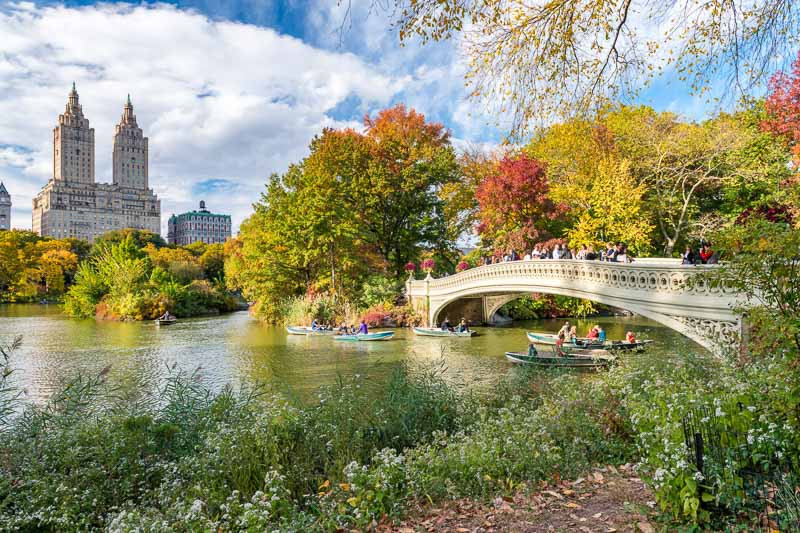
Once you know your New York planting zone, you can lean into your region’s strengths—whether that’s a short, cool season in the mountains or a long, warm season in New York City and Long Island. Focus on cold-hardy staples in zones 4–5 and heat-loving crops and ornamentals in zones 6–7, while choosing perennials rated for your specific hardiness zone.
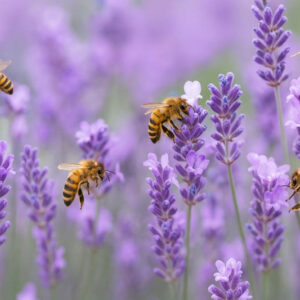
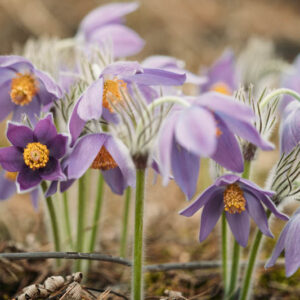
New York native plants are perfectly tuned to local soils, moisture, and winter cold. Mix native wildflowers, grasses, shrubs, and trees for a low-maintenance, wildlife-friendly landscape that supports pollinators, songbirds, and beneficial insects.
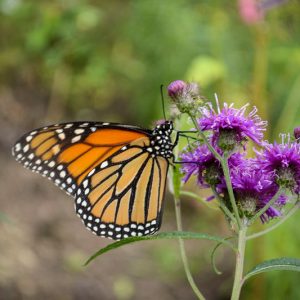
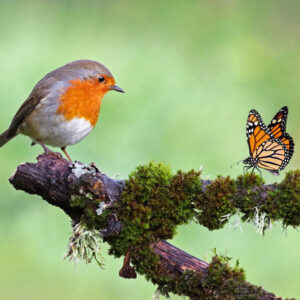
Browse curated lists like great pollinator plants for New York and monarch nectar plants for New York to build a garden that buzzes and flutters from spring through frost.
Tap a month to see what to plant in New York by zone. Use these quick guides as a starting point—then adjust for your exact frost dates and whether you garden in a windy lakeshore yard, shaded city courtyard, or sunny Hudson Valley slope.
New York gardeners juggle lake-effect snow, coastal storms, urban heat islands, and, yes, deer. These tips help your plants thrive from zone 4a to 7b:
Now that you understand your New York planting zone, frost dates, and regional climate, you’re ready to choose plants that love your conditions and create a thriving Empire State garden. Mix edible crops, flowering perennials, and native plants for a landscape that feeds both your household and local wildlife. Want to compare New York to other states? Visit our national USDA planting zone guide to explore growing zones across the United States.
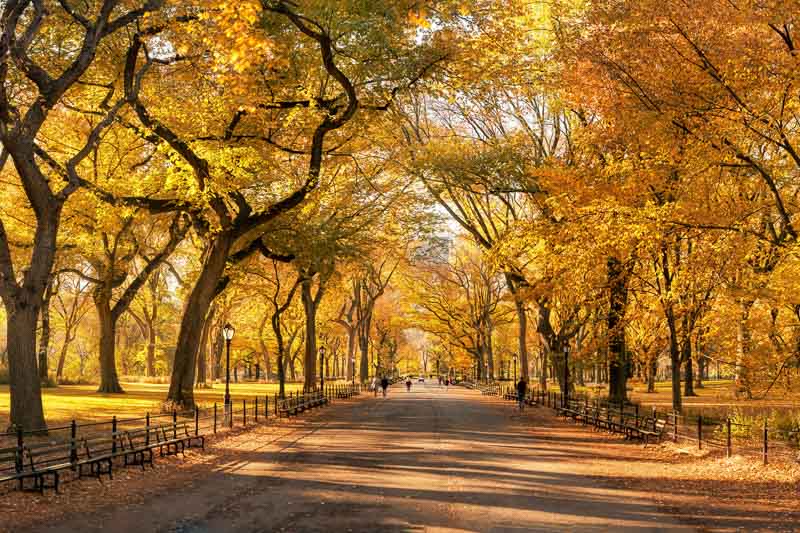
Most of New York falls within USDA hardiness zones 5a to 6b. The coldest parts of the Adirondacks and North Country are in zones 4a–4b, while the warmest areas, such as New York City and parts of Long Island, reach zones 7a–7b. These zones are based on the average annual minimum winter temperature over a 30-year period and help gardeners choose plants that can reliably survive winter conditions in their area.
New York City is primarily in USDA hardiness zones 7a and 7b. Most neighborhoods are mapped as zone 7b on the 2023 USDA Plant Hardiness Zone Map, reflecting relatively mild winter lows. The combination of dense development, the urban heat island effect, and proximity to the Atlantic Ocean keeps winter temperatures warmer than in inland or higher-elevation parts of the state.
Albany and much of the surrounding Capital Region are generally classified as USDA zones 5b–6a. Winters are cold enough to require hardy perennials, but the growing season is long enough for a wide range of vegetables and fruits. Average last spring frosts tend to occur in early May, while average first fall frosts arrive in mid-October, giving the area roughly 160–170 frost-free days in a typical year.
Buffalo is typically mapped as USDA zone 6b. Its location near Lake Erie moderates winter lows compared with some inland locations at similar latitudes, but the area still experiences significant snow and cold. Last spring frosts commonly occur around mid-May, and first fall frosts usually happen in mid-October, resulting in roughly 150 frost-free days on average.
Much of the Adirondack region, including towns such as Lake Placid and Saranac Lake, lies in USDA zones 4a–5a. Higher elevations and exposed sites can be especially cold, with long winters and short summers. Gardeners in the Adirondacks focus on very cold-hardy perennials, shrubs, trees, and short-season vegetable varieties, often using season-extension tools like row covers and cold frames.
Typical frost dates vary widely across New York. In the warmest coastal and urban areas, such as New York City, the average last spring frost can be as early as early April, and the first fall frost may not arrive until mid to late November. In cooler inland and northern locations, last frosts often occur in early to mid-May, and first frosts usually happen in late September or October. Mountainous areas, especially in the Adirondacks, may see even later last frosts and earlier first frosts. Overall, New York gardeners can expect roughly 140–200 frost-free days depending on their specific location and elevation.
Yes. Frost dates are crucial for planning a New York garden. Warm-season crops such as tomatoes, peppers, squash, and beans are easily damaged or killed by frost, so knowing your average last spring frost date helps determine when it is safe to plant them outside. Likewise, average first fall frost dates help you decide when to protect or harvest late-season crops. Frost dates are based on historical averages, not guarantees, so gardeners should also monitor local weather forecasts each season.
Most of New York is very suitable for fruit trees. Apples, pears, plums, tart cherries, and hardy grape varieties perform well in zones 4–6 when planted in well-drained soil and given proper pruning and pest management. Peaches, sweet cherries, and some apricots are better suited to warmer locations in zones 5–7 and benefit from sites with good air drainage to reduce spring frost damage to blossoms. In the warmest microclimates of New York City and coastal Long Island (zones 7a–7b), cold-hardy figs and American persimmons can sometimes be grown successfully in protected spots.
Yes. New York has many microclimates that can make conditions feel effectively a half-zone warmer or cooler than the official map. Large bodies of water, such as Lake Erie, Lake Ontario, and the Finger Lakes, can moderate temperatures and delay frosts near the shoreline. Urban centers like New York City, Albany, and Buffalo hold heat and may experience slightly warmer winter lows than nearby rural areas. Conversely, low-lying valleys can trap cold air and experience later spring frosts and earlier fall frosts than surrounding higher ground. Local factors such as slope, wind exposure, pavement, and tree cover all influence how plants experience temperature.
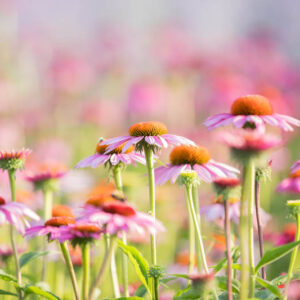
Across New York’s zones 4–7, beginner-friendly vegetables include lettuce, peas, radishes, kale, green beans, cucumbers, and summer squash. Tomatoes and peppers also perform well when started indoors and transplanted after frost. For ornamentals, widely adapted perennials such as coneflower, black-eyed Susan, daylilies, hostas, phlox, and many native wildflowers and grasses thrive with reasonable soil preparation, mulching, and regular watering.
To find your precise planting zone, use the official USDA Plant Hardiness Zone Map or an online zone-lookup tool that allows you to enter your ZIP code. These tools show your zone (for example, 4a, 5b, 6a, 7a, or 7b) based on the long-term average of the coldest winter temperature in your area. Once you know your zone, pair it with local frost-date information and your own observations of sun, shade, wind, and drainage in your yard. This combination provides the most reliable guide to which plants will thrive in your specific site.
Updated: December 2025 • Reviewed by Gardenia Editors
| Hardiness |
4 - 7 |
|---|---|
| Native Plants | United States, Northeast, New York |
| Hardiness |
4 - 7 |
|---|---|
| Native Plants | United States, Northeast, New York |
Create a membership account to save your garden designs and to view them on any device.
Becoming a contributing member of Gardenia is easy and can be done in just a few minutes. If you provide us with your name, email address and the payment of a modest $25 annual membership fee, you will become a full member, enabling you to design and save up to 25 of your garden design ideas.
Join now and start creating your dream garden!
Create a membership account to save your garden designs and to view them on any device.
Becoming a contributing member of Gardenia is easy and can be done in just a few minutes. If you provide us with your name, email address and the payment of a modest $25 annual membership fee, you will become a full member, enabling you to design and save up to 25 of your garden design ideas.
Join now and start creating your dream garden!