Create Your Garden

Shade-Loving Native Perennials for Central Florida

Curious which plants actually enjoy your darkest, dampest Central Florida corners? Shade loving native perennials like Aquatic Milkweed, Swamp Lily, Partridge Berry, and Common Blue Violet turn rooty, soggy spots into thriving habitat.
Native Plants, Native Perennials, Native Shade Perennials, Florida Native Plant, Florida Native Perennials, Florida Shade Perennials

Shade Loving Native Perennials for Central Florida – Best Picks

Have a yard where turf grass sulks, roots crisscross the surface, and the afternoon sun barely peeks through the trees? In Central Florida, those tricky spots are prime real estate for shade loving native perennials. From Orlando, Tampa, and Lakeland to smaller towns scattered across the peninsula, these plants turn dark corners into cool, green retreats in USDA zones 9a and 9b.

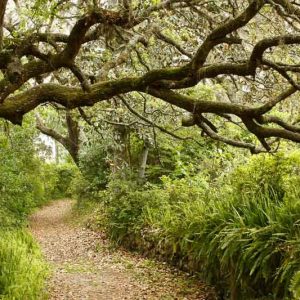
Central Florida sits within the Florida Peninsula ecoregion. It stretches roughly 300 miles south from the mainland and includes a mosaic of habitats – cypress domes and forested wetlands, lake edges and swamps, shady hammocks, and upland hardwood forests. With warm temperatures, high humidity, and an average of about 65 inches of rain a year, this region is a paradise for native woodland and wetland perennials.

At the same time, Florida also ranks among the top states for threatened and endangered species. Habitat loss and invasive plants put pressure on many of our wild places. When you choose Central Florida native shade perennials for your landscape, you are not just filling a bare spot – you are rebuilding habitat, feeding pollinators, and helping preserve the real Florida right outside your door.

Central Florida Shade Perennial Quick Start

  • Know your shade – is it bright, dappled shade under high pines, or deep, dense shade beneath live oaks or along the north side of the house?
  • Check the soil moisture – many natives here love moist to wet soil, while a few prefer average garden soil that dries slightly between rains.
  • Think layers, not rows – combine low groundcovers, mid sized perennials, and taller accents to mimic a natural woodland edge.
  • Plant in drifts, not singles – groups of 3, 5, or more plants create a lush, natural look and are easier for pollinators to find.
  • Water to establish – even tough natives need regular deep watering their first season. After that, many can coast on rainfall except in serious drought.
  • Go pesticide free if you can – shade loving natives support butterflies, bees, and birds. Avoid broad spectrum pesticides that can harm these allies.

Central Florida Shade Habitats At A Glance

The easiest way to pick the right shade loving native perennial is to think about where it grows in the wild and then match those conditions in your own yard.

Spend a day watching how light and water move through your garden. The low spots that stay wet after a storm and the high, root filled zones under oaks will suggest exactly which native perennials will thrive there.

Guide Information

Hardiness 9
Plant Type Perennials
Exposure Partial Sun, Shade
Native Plants United States, Southeast, Florida

Recommended Shade-Loving Native Perennials for Central Florida

Arisaema triphyllum (Jack in the Pulpit)
Asclepias perennis (Aquatic Milkweed)
Crinum americanum (Swamp Lily)
Hydrocotyle umbellata (Marsh Pennywort)
Lobelia cardinalis (Cardinal Flower)
Mitchella repens (Partridge Berry)
Peperomia obtusifolia (Baby Rubber Plant)
Ruellia caroliniensis (Carolina Wild Petunia)
Saururus cernuus (Lizard Tail)
Triadenum virginicum (Virginia Marsh St. Johnswort)
Viola sororia (Common Blue Violet)
Zephyranthes atamasca (Atamasco Lily)

Why Choose Native Perennials For Central Florida Shade Gardens

Switching from exotic shade plants to Central Florida native perennials comes with plenty of perks, for you and for local wildlife.

  • Perfectly adapted – these plants evolved with our sandy to organic rich soils, hot summers, and mild winters. Once established, most handle heat, humidity, and seasonal downpours far better than many imported ornamentals.
  • Lower water needs – natives suited to your site usually need far less irrigation after the first year, especially those adapted to seasonal wet and dry cycles.
  • Wildlife friendly – flowers and berries from native perennials feed pollinators, songbirds, and beneficial insects that exotics often ignore. Aquatic Milkweed, for example, supports monarch caterpillars, and Partridge Berry offers food for small birds.
  • Non invasive choices – carefully selected natives are far less likely to escape into nearby natural areas compared with some popular non native shade plants.
  • Four season interest – many shade perennials offer spring bloom, summer foliage, fall berries, and interesting winter structure or evergreen leaves.
  • Support local genetic diversity – when you choose plants grown from local or regional seed sources, you help preserve unique Florida ecotypes and strengthen the resilience of native populations.

Best Shade Loving Native Perennials For Central Florida Gardens

Use this plant list as a menu of dependable Central Florida shade perennials. Mix and match based on your light, soil moisture, and desired height or spread.

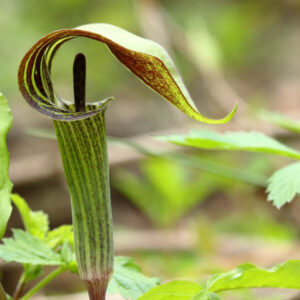
  • Arisaema triphyllum (Jack in the Pulpit) – a charismatic woodland perennial with three part leaves and a hooded flower structure that looks like a tiny preacher in a pulpit. In Central Florida it prefers rich, moist, slightly acidic soil and dappled shade under hardwoods or pines. The unusual spring blooms are followed by clusters of bright red berries that attract birds. Tuck Jack in the Pulpit into shady beds where the soil never completely dries.
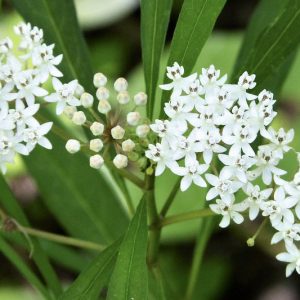
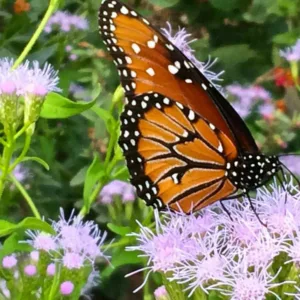
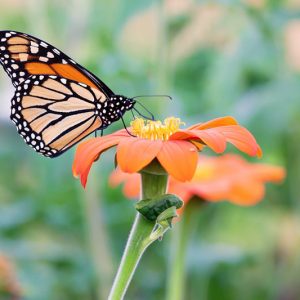
  • Asclepias perennis (Aquatic Milkweed) – one of the best native milkweeds for shade and wet soil. This compact perennial thrives at the edges of ponds, rain gardens, and slow moving ditches where its roots can stay consistently moist. Clusters of white to pale pink flowers appear through the warm months and host monarch and queen butterfly caterpillars. Plant Aquatic Milkweed in groups so the blooms form a visible landing pad for pollinators.
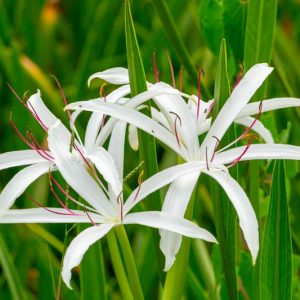
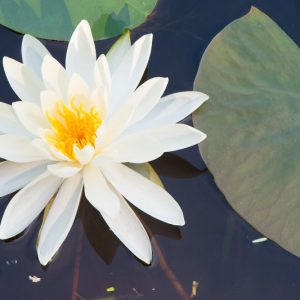
  • Crinum americanum (Swamp Lily) – a bold, architectural plant for wet shade. Long, strap like leaves rise in a fountain, topped by large, fragrant white flowers that resemble elegant lilies. Swamp Lily loves mucky to saturated soils in bright shade or morning sun with afternoon shade. It is ideal for pond edges, rain gardens, and low areas that stay damp. Combine it with finer textured plants like Marsh Pennywort for contrast.
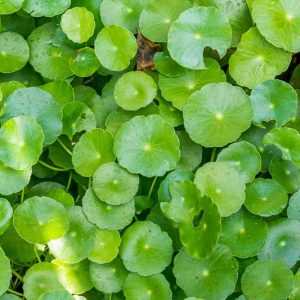
  • Hydrocotyle umbellata (Marsh Pennywort) – a charming groundcover with round, penny sized leaves held on slender stems. In the right site it forms a soft, low carpet that is perfect for edging stepping stones or filling in moist depressions. Marsh Pennywort tolerates shallow standing water and bright shade. Use it along the margins of water features or in rain gardens where you want a lush, natural look.
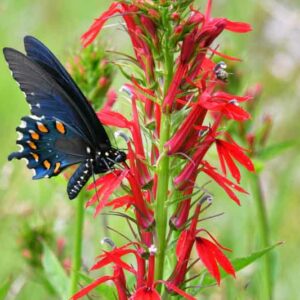
  • Lobelia cardinalis (Cardinal Flower) – famous for its intense red flower spikes that hummingbirds cannot resist. In Central Florida shade gardens, Cardinal Flower prefers moist, rich soil and partial shade with a bit of morning sun. The stems can reach 2 to 3 feet tall, making this a superb vertical accent in rain gardens, along shaded streambanks, or at the back of a mixed perennial bed.
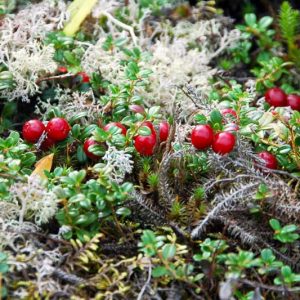
  • Mitchella repens (Partridge Berry) – a petite, evergreen groundcover tailor made for deep shade and tree roots. Tiny paired white flowers bloom close to the stems, followed by bright red berries that persist into winter and feed birds and small mammals. Partridge Berry grows slowly but steadily, hugging the ground in a dense mat that suppresses weeds. It enjoys acidic, humus rich soil and protection from hot afternoon sun.
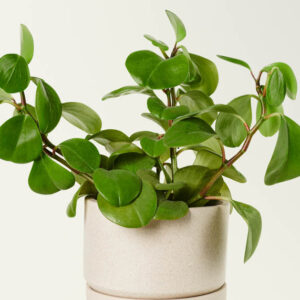
  • Peperomia obtusifolia (Baby Rubber Plant) – in Central Florida this glossy leaved species can act as a small scale groundcover or edging plant in bright shade or filtered light. Its thick, succulent like leaves make it surprisingly drought tolerant once established, especially in beds protected by tree canopies or building overhangs. Use Baby Rubber Plant near paths, patios, and entryways where you can appreciate the shiny foliage up close.
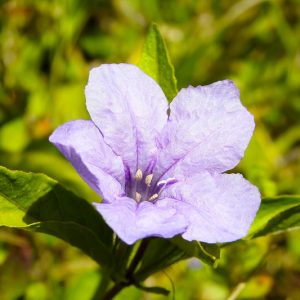
  • Ruellia caroliniensis (Carolina Wild Petunia) – a cheerful, long blooming perennial with lavender purple funnel shaped flowers that resemble miniature petunias. It tolerates a wide range of conditions – from part sun to light shade and from average to moist soil. In a Central Florida shade garden, Carolina Wild Petunia is excellent for weaving between other perennials and shrubs, providing months of color for bees and butterflies.
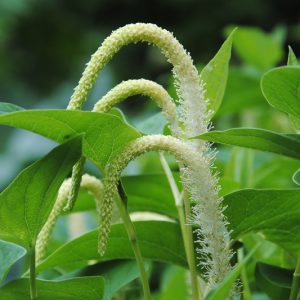
  • Saururus cernuus (Lizard Tail) – a distinctive wetland perennial named for its curved, tail like flower spikes. Lizard Tail thrives in shallow water, boggy soil, or saturated muck in part shade. The fragrant white flower spikes appear in summer and attract pollinators, while the dense foliage offers cover for frogs and aquatic wildlife. Plant it in large drifts along pond edges, in rain gardens, or in containers set into water features.
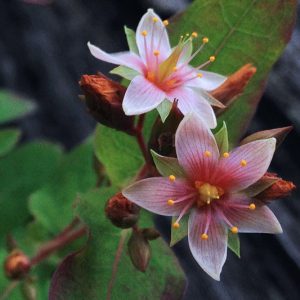
  • Triadenum virginicum (Virginia Marsh St Johnswort) – a slender, upright perennial for consistently moist to wet soils. It bears small pinkish flowers followed by decorative seed capsules that add subtle interest later in the season. Virginia Marsh St Johnswort works beautifully in naturalistic plantings around ponds, in wet meadows, or in low spots that collect stormwater, especially in bright shade or light sun.
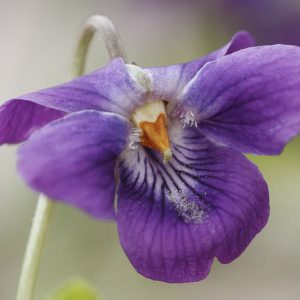
  • Viola sororia (Common Blue Violet) – a classic woodland violet with heart shaped leaves and violet blue spring flowers. Common Blue Violet pops up naturally in many Central Florida yards, especially in moist shade. Encourage it as a low, flowering groundcover under shrubs, trees, and along shaded paths. The flowers feed early pollinators, and the foliage supports fritillary butterfly caterpillars.
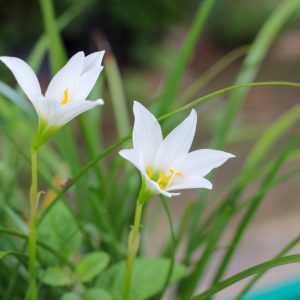
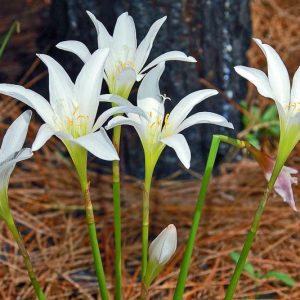
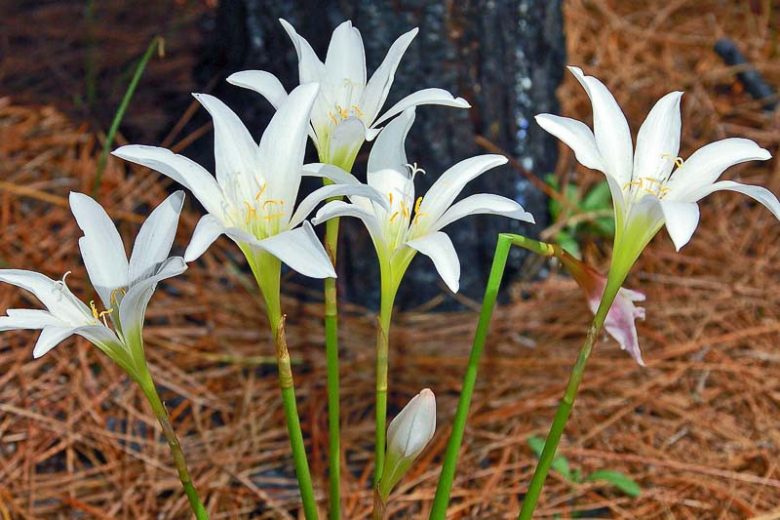
  • Zephyranthes atamasca (Atamasco Lily, Rain Lily) – a charming bulb like perennial that sends up starry white blossoms after soaking rains in late winter and spring. In Central Florida, Atamasco Lily likes moist, acidic soils that are not constantly flooded and light shade or morning sun. Plant bulbs in drifts so the flowers appear in sparkling clusters after storms, echoing the wild rain lily displays along country roads and wet meadows.

Easy Design Recipes With Central Florida Shade Perennials

Woodland Pathway Glow – Along a shady garden path, mass clumps of Mitchella repens (Partridge Berry) at the edges, then tuck in groups of Viola sororia and a few clumps of Arisaema triphyllum (Jack in the Pulpit) as vertical accents. Add a small birdbath or log for extra woodland charm.

Hummingbird Shade Swale – In a low, partially shaded area that stays damp, combine Lobelia cardinalis (Cardinal Flower) and Asclepias perennis (Aquatic Milkweed) with drifts of Ruellia caroliniensis. The red and lavender blooms will draw hummingbirds and butterflies all season while helping soak up stormwater.

Pond Edge Oasis – Around the shaded side of a pond or water feature, plant bold groups of Crinum americanum (Swamp Lily) as anchors. Weave Saururus cernuus (Lizard Tail) between them and use Hydrocotyle umbellata (Marsh Pennywort) as a living fringe at the water line. The result is a lush, wildlife friendly shoreline.

Courtyard Evergreen Carpet – In a protected, shaded courtyard or side yard, mix Peperomia obtusifolia (Baby Rubber Plant) with patches of Partridge Berry and scattered Atamasco Lilies. The foliage stays attractive year round, and rain lily blossoms add sparkle after storms.

Planting And Caring For Shade Loving Natives In Central Florida

Most Central Florida native perennials are forgiving once they settle in, but a bit of prep goes a long way.

  • Start with site cleanup – remove invasive plants and struggling turf, especially around tree roots and wet depressions. This gives your new perennials a head start.
  • Loosen and enrich the soil – in very sandy or compacted areas, loosen the top 4 to 6 inches and mix in leaf mold, compost, or pine fines. For wet sites, avoid adding heavy clay that could trap water around roots.
  • Match the plant to the moisture – wetland species like Aquatic Milkweed, Swamp Lily, Marsh Pennywort, Lizard Tail, and Virginia Marsh St Johnswort want consistently moist or even saturated soil. Woodland plants like Jack in the Pulpit, Partridge Berry, and Common Blue Violet prefer moist but well drained soil with plenty of organic matter.
  • Plant at or slightly above grade – set crowns so the top of the root ball is level with or just above the surrounding soil. Planting too deep is a common cause of decline, especially in heavy wet soils.
  • Mulch like a forest – spread a 2 to 3 inch layer of shredded leaves, pine straw, or bark around your plants, keeping mulch a couple of inches away from stems and crowns. This mimics natural leaf litter, moderates soil temperature, and supports beneficial soil life.
  • Water deeply the first season – give new plants a slow, deep soak once or twice a week during dry spells. After roots are established, you can gradually taper off, especially for species adapted to natural rainfall cycles.
  • Skip heavy fertilizer – native perennials generally dislike rich chemical feeding. A light topdressing of compost or leaf mold once a year is usually plenty.
  • Cut back selectively – in late winter, remove tattered foliage and spent stems on perennials that go dormant, but consider leaving some seedheads for birds and overwintering insects.

Blending Native Shade Perennials Into Your Landscape Design

Think of shade loving natives as the soft stitching that ties together trees, shrubs, and hardscape in your Central Florida yard. They can transform bare mulch rings and soggy corners into layered, living spaces.

  • Understory layers – under live oaks, magnolias, or pines, use Partridge Berry, Common Blue Violet, and Baby Rubber Plant as low carpets. Add Jack in the Pulpit and Cardinal Flower as scattered accents rising above the groundcovers.
  • Rain garden drama – in a shallow basin that catches roof runoff, plant Aquatic Milkweed, Swamp Lily, Lizard Tail, and Virginia Marsh St Johnswort. Border the upper, slightly drier edges with Carolina Wild Petunia and Atamasco Lily.
  • Shade border edges – along fences or the north side of the house, create a layered bed with Baby Rubber Plant at the front, drifts of Wild Petunia and Common Blue Violet in the middle, and taller Swamp Lilies or Cardinal Flowers at the back where they can lean into the light.
  • Wildlife viewing zones – near patios or windows, cluster nectar rich plants like Cardinal Flower and Aquatic Milkweed with berry producers such as Partridge Berry. Add a shallow water dish or small pond and enjoy the parade of hummingbirds, butterflies, and songbirds.

Over time, your Central Florida shade garden will shift from patchy turf and bare mulch to a resilient, layered woodland filled with movement and birdsong. Each native plant you add helps rebuild the ecological puzzle – one shady corner at a time.

Discover More Florida Native Plants

Florida Native Plant Guides – Design, Soil and Wildlife

Frequently Asked Questions

What are the best shade-loving native perennials for Central Florida home gardens?

Some widely used shade-loving natives for Central Florida (USDA zones 9a–9b) include: Arisaema triphyllum (Jack in the Pulpit), Asclepias perennis (Aquatic Milkweed), Crinum americanum (Swamp Lily), Hydrocotyle umbellata (Marsh Pennywort), Lobelia cardinalis (Cardinal Flower), Mitchella repens (Partridge Berry), Peperomia obtusifolia (Baby Rubber Plant), Ruellia caroliniensis (Carolina Wild Petunia), Saururus cernuus (Lizard Tail), Triadenum virginicum (Virginia Marsh St. Johnswort), Viola sororia (Common Blue Violet), and Zephyranthes atamasca (Atamasco Lily or Rain Lily). Together they cover moist woodland shade, wet swales and pond edges, and brighter, lightly shaded beds.

Which native perennials thrive in very wet or boggy shade such as rain gardens and pond edges?

For consistently moist to saturated soils in part shade, choose wetland species that naturally occur in marshes and along slow-moving water. Top performers for Central Florida include Asclepias perennis (Aquatic Milkweed), Crinum americanum (Swamp Lily), Hydrocotyle umbellata (Marsh Pennywort), Saururus cernuus (Lizard Tail), and Triadenum virginicum (Virginia Marsh St. Johnswort). These plants tolerate periodic flooding, help stabilize soil, and are ideal for rain gardens, ditches, lake margins, and low spots that collect stormwater.

What native perennials are suitable for dry or root-filled shade under live oaks and pines?

Under mature trees where roots dominate and the soil can dry between rains, look for species adapted to woodland litter and high shade rather than standing water. Good options include Mitchella repens (Partridge Berry) as a dense evergreen groundcover, Viola sororia (Common Blue Violet) in the moister pockets, and Peperomia obtusifolia (Baby Rubber Plant) in bright to dappled shade. All benefit from a permanent layer of leaf mulch and occasional supplemental watering during extended droughts.

Are any of these Central Florida shade perennials especially valuable for pollinators and wildlife?

Yes. Asclepias perennis (Aquatic Milkweed) is a larval host plant for monarch and queen butterflies and also attracts many nectar-feeding insects. Lobelia cardinalis (Cardinal Flower) is a magnet for hummingbirds and native bees. Ruellia caroliniensis (Carolina Wild Petunia) provides nectar and is a host for several butterfly species. Viola sororia (Common Blue Violet) supports fritillary butterfly caterpillars, while Mitchella repens (Partridge Berry) offers berries for birds and small mammals. Wetland species like Lizard Tail and Marsh Pennywort contribute cover and foraging habitat for amphibians and other aquatic wildlife.

How much shade do Central Florida native perennials actually tolerate?

Tolerance varies by species, but most listed shade-loving natives perform best in bright or dappled shade—areas that receive filtered light or a few hours of gentle morning sun and shade for the rest of the day. Deep, dense shade under evergreen canopies is suitable for low, woodland species such as Partridge Berry, Marsh Pennywort in wet areas, and Common Blue Violet in moist soil. Plants with showy flowers, such as Cardinal Flower, Aquatic Milkweed, and Swamp Lily, usually bloom best with some indirect or morning sun rather than constant darkness.

What kind of soil do Central Florida shade perennials prefer?

Most woodland species favor slightly acidic, organic-rich soils that mimic natural leaf litter. Incorporating shredded leaves, compost, or pine fines into the top few inches of sand improves moisture retention and nutrient availability. Wetland species such as Aquatic Milkweed, Marsh Pennywort, Lizard Tail, Swamp Lily, and Virginia Marsh St. Johnswort prefer muck or loamy soils that stay moist to saturated but are not permanently stagnant. Good site matching—choosing dry-shade species for higher ground and wetland species for low spots—is more important than heavy fertilization.

Do shade-loving native perennials need fertilizer or special care?

In most Central Florida gardens, shade-loving natives require minimal fertilization. They evolved in relatively low-nutrient environments and can be stressed by frequent synthetic feeding. A yearly topdressing of compost or shredded leaves is typically enough. The most important care steps are: planting at the correct depth, maintaining 2–3 inches of organic mulch (kept away from plant crowns), watering deeply but not constantly during the first growing season, and removing invasive weeds that compete for light and moisture. After establishment, many species can rely on rainfall except during prolonged drought.

Can I grow these native perennials in containers on a shaded patio or balcony?

Many Central Florida natives adapt well to containers as long as their moisture needs are met. For a shaded or partially shaded patio, good container candidates include Crinum americanum (in large, deep containers kept moist), Lobelia cardinalis (with regular watering), Peperomia obtusifolia (for bright shade and well-drained potting mix), Mitchella repens (as a trailing groundcover layer), and Hydrocotyle umbellata in saucers or pots that stay evenly moist. Containers dry out much faster than in-ground plantings, so irrigation frequency must be increased, especially during hot, windy weather.

How should I design a Central Florida shade bed using native perennials?

Successful designs imitate natural plant communities by layering heights and textures. Use low groundcovers such as Partridge Berry, Marsh Pennywort, Common Blue Violet, and Baby Rubber Plant to knit the soil surface. Add mid-height perennials like Carolina Wild Petunia, Aquatic Milkweed, and Virginia Marsh St. Johnswort for seasonal flowers and foliage. Reserve taller accents—Cardinal Flower, Swamp Lily, and Lizard Tail—for the back of the bed, the edges of ponds, or the low point of a rain garden. Plant each species in groups of at least three to five individuals to create coherent drifts rather than isolated dots.

References

Updated: November 2025 • Reviewed by Gardenia Editors

Great Pollinator Plants for Florida
Monarch Nectar Plants for Florida
Native Aquatic Plants for Central Florida
Native Ferns for Central Florida
Native Grasses for Central Florida
Native Vines for Central Florida
Shade-Loving Native Shrubs for Central Florida
Sun-Loving Native Perennials for Central Florida
Sun-Loving Native Shrubs for Central Florida

Recommended Guides

Shade-Loving Native Shrubs for Central Florida
Sun-Loving Native Trees for Central Florida
Shade-Loving Native Trees for Central Florida
Native Groundcovers for Central Florida
Shade-Loving Native Perennials for Central Florida
Native Aquatic Plants for Central Florida
Native Grasses for Central Florida
Native Ferns for Central Florida
Native Vines for Central Florida
Sun-Loving Native Shrubs for Central Florida
Sun-Loving Native Perennials for Central Florida
Highly Drought Tolerant plants for your Florida Native Garden
Native Plants that Attract Hummingbirds in Florida
Invasive Plant Species in Florida
Highly Salt Tolerant plants for your Florida Native Garden
Great Pollinator Plants for Florida
Monarch Nectar Plants for Florida
Explore Great Plant Combination Ideas
Coastal South
Guides with
Coastal South Florida
While every effort has been made to describe these plants accurately, please keep in mind that height, bloom time, and color may differ in various climates. The description of these plants has been written based on numerous outside resources.

Guide Information

Hardiness 9
Plant Type Perennials
Exposure Partial Sun, Shade
Native Plants United States, Southeast, Florida
Explore Great Plant Combination Ideas
Coastal South
Guides with
Coastal South Florida

Related Items

Please Login to Proceed

You Have Reached The Free Limit, Please Subscribe to Proceed

Subscribe to Gardenia

To create additional collections, you must be a paid member of Gardenia
  • Add as many plants as you wish
  • Create and save up to 25 garden collections
Become a Member

Plant Added Successfully

You have Reached Your Limit

To add more plants, you must be a paid member of our site Become a Member

Update Your Credit
Card Information

Cancel

Create a New Collection

Sign Up to Our Newsletter

    You have been subscribed successfully

    Join Gardenia.net

    Create a membership account to save your garden designs and to view them on any device.

    Becoming a contributing member of Gardenia is easy and can be done in just a few minutes. If you provide us with your name, email address and the payment of a modest $25 annual membership fee, you will become a full member, enabling you to design and save up to 25 of your garden design ideas.

    Join now and start creating your dream garden!

    Join Gardenia.net

    Create a membership account to save your garden designs and to view them on any device.

    Becoming a contributing member of Gardenia is easy and can be done in just a few minutes. If you provide us with your name, email address and the payment of a modest $25 annual membership fee, you will become a full member, enabling you to design and save up to 25 of your garden design ideas.

    Join now and start creating your dream garden!
    Find your Hardiness Zone

    Find your Heat Zone

    Find your Climate Zone