Create Your Garden

Native Aquatic Plants for Central Florida

Curious which water lilies, lotus, and marsh flowers actually belong in Central Florida ponds? Native aquatic plants keep water cleaner, invite frogs and dragonflies, and protect local lakes from invasives. Explore the top species, planting tips, and quick answers so your backyard water garden looks and functions like real Florida.
Native Plants, Native Perennials, Native Aquatic Plants, Florida Native Plant, Florida Native Perennials, Florida Native Aquatic Plants

Native Aquatic Plants for Central Florida – Colorful, Wildlife Friendly Water Gardens

Dreaming of a pond, lake edge, or rain garden that looks like real Florida instead of a generic water feature? In Central Florida, native aquatic plants bring color, movement, and wildlife to everything from tiny backyard ponds to big natural shorelines in USDA zones 9a and 9b.

Central Florida sits in the heart of the Florida Peninsula ecoregion, where long growing seasons, warm temperatures, and generous rainfall create perfect conditions for wetland plants. From marshy lake margins and cypress domes to slow moving rivers and roadside ditches, native aquatic species have evolved to handle fluctuating water levels, sandy or mucky soils, and intense summer sun.

Unfortunately, many of those natural wetlands are stressed by development, altered water flows, and aggressive invasive aquatic plants. Invasives crowd out natives, reduce habitat for fish and wildlife, and can even turn clear water into dense mats that are impossible to enjoy. By choosing native Central Florida aquatic plants for your shoreline, pond, or water garden, you help restore balance, support birds and pollinators, and keep your landscape authentically Floridian.

Central Florida Native Aquatic Plant Quick Start

  • Know your water depth – some natives sit happily in shallow margins, others float on the surface, and a few like their roots anchored several feet below.
  • Match sun and shade – many Florida water lilies and blooming aquatics need full sun, while some emergent grasses and sedges tolerate part shade at woodland pond edges.
  • Group plants by moisture zone – use bog and rain garden species in areas that are often wet but not permanently flooded, then transition to true aquatics in standing water.
  • Start with clumps, not singles – plant in groups of three or more so colonies fill in quickly, stabilize soil, and look natural from the start.
  • Skip wild collecting – buy from reputable nurseries that specialize in Florida native aquatic plants and avoid spreading invasives.

Central Florida Aquatic Habitats At A Glance

To choose the best native water plants for Central Florida, think about where your site falls on the wetness scale. Many gardens have more than one zone, especially around ponds, retention areas, or natural lakes.

  • Shallow shelves and pond margins – water from a few inches to about 12 inches deep, often with sandy or mucky bottoms. Great for Nymphaea species (native water lilies), Nelumbo lutea (American lotus), Thalia geniculata (alligator flag), and native rushes and sedges.
  • Emergent wetland edges – areas that are sometimes flooded and sometimes just soggy. Perfect for Pontederia cordata (pickerelweed), Sagittaria lancifolia and Sagittaria latifolia (arrowhead or duck potato), Canna flaccida (golden canna), and Crinum americanum (swamp lily).
  • Shallow coves, coves, and quiet backwaters – protected spots with calm water are ideal for floating and submerged plants like Nuphar lutea subsp. advena (yellow pond lily) and native submerged species that offer fish cover.
  • Rain gardens and swales – engineered depressions that capture stormwater then slowly drain. These are excellent for moisture loving but not fully aquatic species like Iris hexagona (Dixie iris), Juncus effusus (common rush), and Carex sedges.
  • Lakefronts and retention ponds – larger shorelines benefit from a mix of emergent grasses, sedges, shrubs, and blooming aquatics that soften the bank, filter runoff, and provide wildlife habitat.

Take a few minutes to notice how water behaves on your property. Does your shoreline stay wet year round or swing between high water and exposed mud flats after dry spells? Matching plants to those seasonal rhythms is the secret to low maintenance success with native Central Florida wetland plants.

Guide Information

Hardiness 9
Plant Type Aquatic Plants
Native Plants United States, Southeast, Florida

Recommended Native Aquatic Plants for Central Florida

Nelumbo lutea (American Lotus)
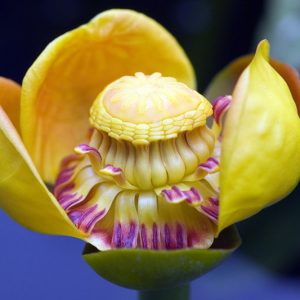
Nuphar lutea subsp. advena (Yellow Pond Lily)
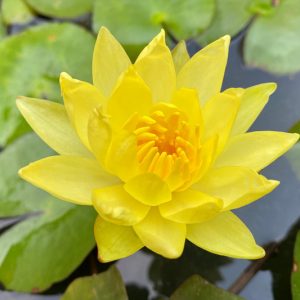
Nymphaea mexicana (Yellow Water Lily)
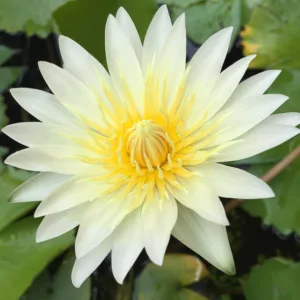
Nymphaea odorata (Fragrant Water Lily)
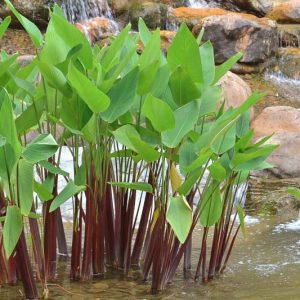
Thalia geniculata ‘Ruminoides’ (Red Stemmed Alligator-Flag)
Pontederia cordata (Pickerel Weed)
Sagittaria latifolia (American Arrowhead)
Sagittaria lancifolia (Lanceleaf Arrowhead)
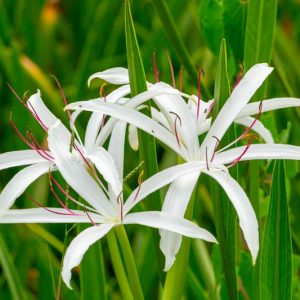
Crinum americanum (Swamp Lily)
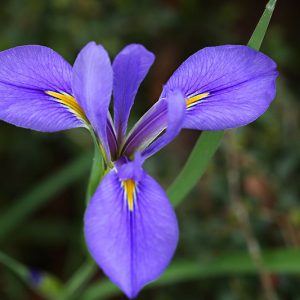
Iris hexagona (Dixie Iris)
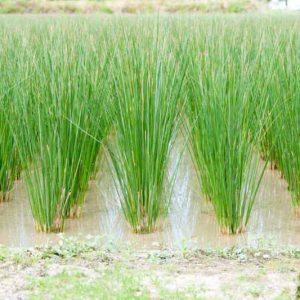
Juncus effusus (Common Rush)
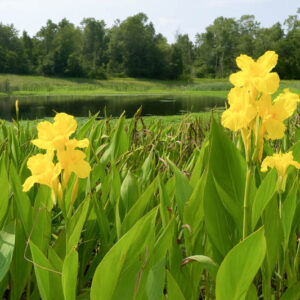
Canna flaccida (Golden Canna)

Why Choose Native Aquatic Plants in Central Florida

It can be tempting to grab whatever looks pretty at the garden center, but many common pond plants are either invasive in Florida or simply not adapted to local conditions. Native aquatic plants offer a long list of advantages.

  • Perfectly adapted – Central Florida natives evolved with our sandy soils, intense sun, heavy summer downpours, and occasional winter cold snaps. They are better at handling fluctuating water levels than many introduced ornamentals.
  • Wildlife magnets – native flowers and foliage feed and shelter butterflies, dragonflies, frogs, pollinators, wading birds, and fish. A small patch of pickerelweed or duck potato can buzz with life.
  • Water quality helpers – emergent and submerged plants absorb nutrients, slow stormwater, and help keep algae in check. A well planted shoreline can reduce erosion and filter runoff naturally.
  • Lower maintenance – once established, many native pond plants spread into self sustaining colonies that need occasional thinning rather than constant replacement.
  • Non invasive choices – carefully selected natives are far less likely to escape into natural water bodies and create the kind of choking mats associated with invasive exotics.

Important – never dig aquatic plants from wild wetlands or lakes. Collecting can damage fragile ecosystems, spread invasive weeds, and may be illegal. Always purchase from reputable nurseries that specialize in Florida native aquatic species.

Best Native Aquatic Plants for Central Florida Gardens

Use this list as a menu of dependable native water garden plants for Central Florida. Always double check mature size and water depth needs, then choose species that fit your particular pond, lakefront, or rain garden.

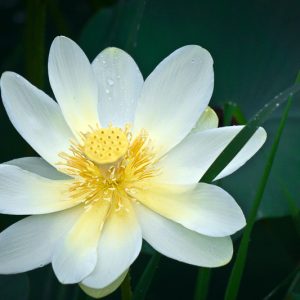
  • Nelumbo lutea (American lotus) – bold, architectural leaves float like giant pale green coins on the water surface, while large creamy yellow flowers rise above in summer. American lotus loves full sun and still or slow moving water 1 to 4 feet deep. Give it space in natural ponds or large lined water features where it can form impressive colonies and provide excellent fish cover.
  • Nuphar lutea subsp. advena (yellow pond lily) – heart shaped leaves and cheerful yellow cup shaped blooms make this native pond lily a classic choice for Central Florida lakes and larger ponds. It tolerates slightly more shade than some water lilies and thrives in water 1 to 5 feet deep. Use it to create natural looking coves and wildlife habitat along quiet shorelines.
  • Nymphaea mexicana (yellow water lily) – a sun loving native water lily with golden yellow flowers held above patterned floating leaves. It performs best in still water 1 to 3 feet deep. Ideal for medium to large ponds where you want colorful blooms, dragonfly perches, and shade for fish beneath the pads.
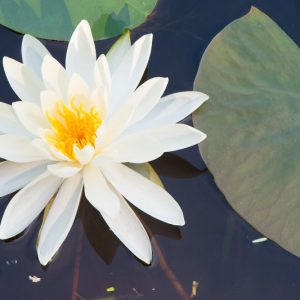
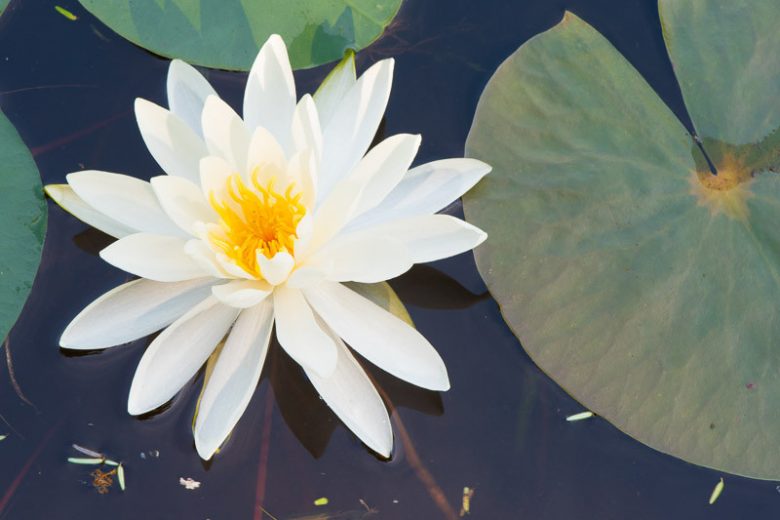
  • Nymphaea odorata (fragrant water lily) – beloved for its classic white or soft pink flowers and sweet fragrance, this native water lily is a showstopper in full sun. Plant rhizomes in containers or directly in pond soil 12 to 36 inches below the surface. Flowers open during the day, attracting pollinators and adding a romantic touch to naturalized ponds.
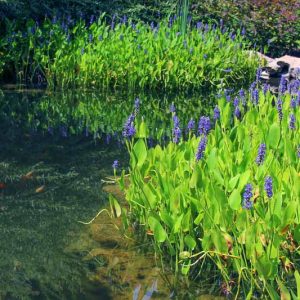
  • Pontederia cordata (pickerelweed) – one of the best multi purpose native pond marginals. Arrow shaped leaves and spikes of purple flowers draw bees and butterflies from late spring through fall. Pickerelweed thrives in shallow water or saturated soil and is perfect for softening pond edges, raingardens, and stormwater swales.
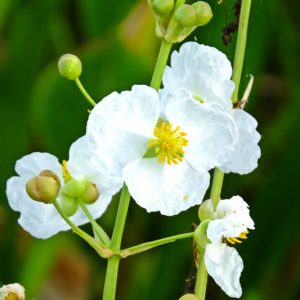
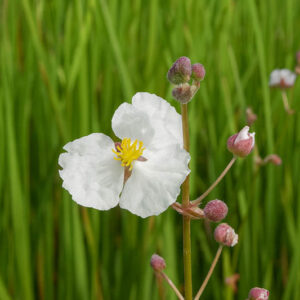
  • Sagittaria lancifolia and Sagittaria latifolia (arrowhead, duck potato) – handsome plants with arrow shaped leaves and white flowers that rise above shallow water. Tubers are an important wildlife food, especially for ducks. These tough natives handle seasonal flooding and drying, making them ideal for fluctuating shorelines and retention ponds.
  • Thalia geniculata (alligator flag) – tall, tropical looking foliage with purple flower clusters held high on arching stems. Alligator flag thrives in full sun to part shade at the water edge and can reach 6 to 8 feet tall. Use it as a dramatic backdrop in large ponds or as a screen along a lakefront.
  • Canna flaccida (golden canna) – native canna with bright yellow blooms that attract butterflies and hummingbirds. It grows in shallow water, soggy soil, or moist rain gardens and provides bold foliage interest from spring through fall. Regular deadheading encourages repeat bloom.
  • Iris hexagona (Dixie iris) – a graceful native iris with blue to purple spring flowers. It prefers moist to wet soil and is excellent along pond margins, in rain gardens, or at the edges of ditches where water stands periodically. Pair with canna and pickerelweed for a long season of color.
  • Crinum americanum (swamp lily, seven sisters) – fragrant white lily like flowers rise on tall stems above strappy leaves. Swamp lily tolerates wet soils and shallow standing water and brings an elegant, old Florida look to lake edges and wet gardens.
  • Juncus effusus (soft rush) and other native rushes – vertical clumps of dark green stems offer strong structure and year round texture. Rushes thrive in saturated soils, shorelines, and stormwater features where they help stabilize banks and filter runoff. Mix them with flowering aquatics for contrast.
  • Carex species (native sedges) – many Florida sedges are excellent for moist soil, shallow water, and rain gardens. They form fine textured clumps that blend beautifully with bolder plants and provide nesting material and cover for wildlife.

Easy Design Recipes With Native Aquatic Plants

Natural Lake Edge Buffer – Along a Central Florida lakefront, plant sweeping drifts of Pontederia cordata (pickerelweed), Sagittaria lancifolia (arrowhead), and clumps of Juncus effusus (soft rush). Tuck in patches of Canna flaccida (golden canna) for seasonal flowers. This mix stabilizes soil, filters runoff, and creates a soft, natural looking transition from lawn to water.

Backyard Wildlife Pond – In a lined pond or small preformed basin, use containers of Nymphaea odorata (fragrant water lily) or Nymphaea mexicana (yellow water lily) in the deeper section. Around the edges, mass pickerelweed, duck potato, and soft rush. The result is a buzzing oasis for frogs, dragonflies, bees, and songbirds.

Rain Garden Wet Pocket – In a low spot that collects roof or driveway runoff, plant Iris hexagona (Dixie iris), Canna flaccida (golden canna), and native sedges. Add a small grouping of duck potato in the deepest zone where water lingers longest. The planting will handle periodic flooding while still looking good in drier spells.

Tropical Look, Native Roots – For a lush, exotic vibe without invasive plants, combine towering Thalia geniculata (alligator flag) and Canna flaccida with the big round leaves of American lotus or fragrant water lily. Even in a suburban backyard pond, the effect feels like a slice of the Everglades.

Planting and Caring for Native Aquatic Plants in Central Florida

Most Central Florida native aquatic plants are surprisingly easy once they are matched to the right depth and light. A little planning at installation pays off for years.

  • Check water depth – verify the preferred planting depth for each species and create shelves or ledges in ponds so you can place plants at the right level. Use sturdy aquatic baskets or fabric planting bags if you want to control spread.
  • Use the right soil – for container grown aquatics, avoid fluffy potting mixes that float away. Use a heavy loam or topsoil with a little compost mixed in. Top the soil with pea gravel to keep fish from digging.
  • Plant during warm weather – late spring through early fall is ideal in Central Florida, when water temperatures are warm and plants root quickly. Avoid disturbing established plants during periods of extreme heat or drought unless necessary.
  • Water and wait – newly installed shoreline plants may need supplemental irrigation if water levels drop. Once roots reach stable soil or pond bottoms, most natives thrive on rainfall and natural water levels.
  • Fertilize lightly if at all – excessive fertilizer can fuel algae blooms. Many native aquatics need little to no added fertilizer once established, especially in nutrient rich ponds or stormwater areas.
  • Thin, do not scalp – over time, healthy colonies of pickerelweed, duck potato, or water lilies may need thinning. Remove extra clumps or rhizomes and replant elsewhere or share with neighbors who also use native species.
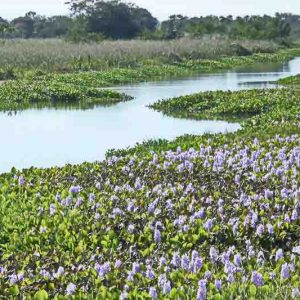
  • Watch for invasives – regularly check for problem species like hydrilla, water hyacinth, or other non native plants. Remove them promptly and avoid accidentally introducing them through contaminated soil or equipment.

In winter, many Central Florida wetland plants simply slow down rather than disappearing. Some foliage may brown during cold snaps but new growth returns quickly as temperatures warm. Trim dead stems in late winter so fresh foliage and blooms take center stage in spring.

Blending Native Aquatic Plants Into Your Landscape Design

Think of aquatic plants as the living shoreline that ties your yard to the water. Whether you are working with a tiny backyard pond or a long lakefront, the same design ideas apply.

  • Create layered edges – start with taller emergent plants like alligator flag, golden canna, or rushes in the back. In front, use medium height species like pickerelweed and duck potato, then low ground hugging sedges at the very edge of the water.
  • Blend wet and dry zones – echo colors and textures by repeating some of the same species from the water up into bordering beds. For example, extend a line of Dixie iris from the pond margin into a nearby rain garden.
  • Leave wildlife corridors – stagger plantings along the shoreline so birds, turtles, and other creatures can move easily between open water and dense cover. A mix of open views and sheltered pockets feels more natural and is more fun to watch.
  • Use curves, not straight lines – gently curving plant beds and pockets of vegetation look more like a natural marsh than a straight strip of plants along the bank.
  • Plan viewing spots – leave openings for docks, benches, or small decks where you can enjoy the view. Frame these spaces with water lilies in front and tall emergent plants to the sides, like curtains on a stage.

Over time, a thoughtfully planted shoreline or pond becomes more than a decorative feature. It turns into a small ecosystem where you can watch herons stalk minnows, dragonflies patrol, and frogs call at dusk. That connection to real Florida water landscapes is one of the biggest rewards of choosing native aquatic plants for Central Florida gardens.

Frequently Asked Questions

What are native aquatic plants, and why are they important in Central Florida?

Native aquatic plants are species that evolved naturally in Florida’s wetlands, lakes, rivers, and ponds without human introduction. In Central Florida, they are adapted to warm temperatures, seasonal droughts and floods, and local soils. They stabilize shorelines, filter pollutants from runoff, support fish, frogs, birds, and pollinators, and help maintain clearer, healthier water. Using native species instead of exotics reduces the risk of invasives taking over ponds and natural waterways.

What are some of the best native aquatic plants for Central Florida home landscapes?

Reliable native choices include American lotus (Nelumbo lutea), yellow pond lily (Nuphar lutea subsp. advena), fragrant water lily (Nymphaea odorata), yellow water lily (Nymphaea mexicana), pickerelweed (Pontederia cordata), arrowhead or duck potato (Sagittaria lancifolia and Sagittaria latifolia), alligator flag (Thalia geniculata), golden canna (Canna flaccida), Dixie iris (Iris hexagona), swamp lily (Crinum americanum), soft rush (Juncus effusus), and several native Carex sedges. Together these cover deep water, shallow shelves, and wet soils around ponds, lakes, and rain gardens in USDA zones 9a and 9b.

Which native aquatic plants are best for small backyard ponds and water features?

For compact ponds, choose species that stay reasonably sized and can be grown in containers. Fragrant water lily (Nymphaea odorata) or yellow water lily (Nymphaea mexicana) work well for the deeper area, while pickerelweed, duck potato (Sagittaria latifolia), soft rush, and Dixie iris fit the shallow margins. These plants provide flowers, cover for fish, and habitat for dragonflies and frogs without overwhelming a small space when thinned as needed.

Are American lotus and water lilies safe to use in home ponds, or will they become invasive?

American lotus (Nelumbo lutea), yellow pond lily (Nuphar lutea subsp. advena), fragrant water lily (Nymphaea odorata), and yellow water lily (Nymphaea mexicana) are native to parts of Florida and are not invasive when planted thoughtfully. They can, however, spread vigorously in warm, nutrient rich water. In home ponds, many gardeners grow them in large containers or designated zones so colonies can be thinned periodically. Problems typically arise when non native or invasive water lilies are introduced, or when any species is allowed to cover almost the entire water surface.

How deep should I plant native aquatic species in Central Florida ponds?

Planting depth varies by species. Most marginal plants like pickerelweed, duck potato, golden canna, Dixie iris, rushes, and sedges prefer saturated soil or water from a few inches deep up to around 12 inches. Native water lilies and American lotus are usually planted so that the rhizome sits 12 to 36 inches below the water surface, sometimes deeper in large lakes. Always check the recommended depth range and use shelves or ledges in the pond to place each plant correctly.

Can native aquatic plants be used in rain gardens, bioswales, or periodically wet areas that dry out between storms?

Yes. Many Central Florida wetland species are excellent for rain gardens and swales that alternate between flooding and drying. Plants like pickerelweed, duck potato, Dixie iris, golden canna, soft rush, and native sedges tolerate short periods of standing water followed by normal soil moisture. The wettest zone in the basin can host the most water loving species, while slightly higher slopes can be planted with moisture tolerant but not fully aquatic natives.

How do native aquatic plants improve water quality and support wildlife?

Native aquatic plants slow down stormwater, allowing sediments and pollutants to settle before they reach open water. Their roots absorb excess nutrients such as nitrogen and phosphorus, which helps reduce algae blooms. Stems and leaves offer shelter, spawning sites, and foraging areas for fish, tadpoles, aquatic insects, and invertebrates. Flowers provide nectar and pollen for bees, butterflies, and other pollinators, while seeds and tubers feed ducks and wading birds, turning a simple pond into a functioning mini ecosystem.

Will planting native aquatic species increase mosquito problems in my pond or rain garden?

Healthy, well balanced ponds with native plants generally have fewer mosquito issues than bare, stagnant water. Aquatic plants create habitat for mosquito predators such as dragonfly larvae, fish, backswimmers, and frogs. Problems arise when water is very shallow, warm, and still, with little circulation and no predators. Maintaining water movement with a pump or fountain, avoiding nutrient overload, and encouraging predator species usually keeps mosquito populations low.

How much maintenance do native aquatic plants require once they are established?

After the first growing season, most native aquatic plants in Central Florida need only occasional care. New installations benefit from monitoring water levels, removing competing weeds, and making sure plants do not uproot in storms. Long term, maintenance usually consists of thinning or dividing crowded clumps, cutting back dead stems at the end of the season, and removing excess plant material so it does not decay in large quantities and add nutrients back into the water. Heavy fertilization is usually unnecessary and can actually harm water quality.

References

Updated: December 2025 • Reviewed by Gardenia Editors

Recommended Guides

Shade-Loving Native Shrubs for Central Florida
Sun-Loving Native Trees for Central Florida
Shade-Loving Native Trees for Central Florida
Native Groundcovers for Central Florida
Shade-Loving Native Perennials for Central Florida
Native Aquatic Plants for Central Florida
Native Grasses for Central Florida
Native Ferns for Central Florida
Native Vines for Central Florida
Sun-Loving Native Shrubs for Central Florida
Sun-Loving Native Perennials for Central Florida
Highly Drought Tolerant plants for your Florida Native Garden
Native Plants that Attract Hummingbirds in Florida
Invasive Plant Species in Florida
Highly Salt Tolerant plants for your Florida Native Garden
Great Pollinator Plants for Florida
Monarch Nectar Plants for Florida
Explore Great Plant Combination Ideas
Coastal South
Guides with
Coastal South Florida
While every effort has been made to describe these plants accurately, please keep in mind that height, bloom time, and color may differ in various climates. The description of these plants has been written based on numerous outside resources.

Guide Information

Hardiness 9
Plant Type Aquatic Plants
Native Plants United States, Southeast, Florida
Explore Great Plant Combination Ideas
Coastal South
Guides with
Coastal South Florida

Related Items

Please Login to Proceed

You Have Reached The Free Limit, Please Subscribe to Proceed

Subscribe to Gardenia

To create additional collections, you must be a paid member of Gardenia
  • Add as many plants as you wish
  • Create and save up to 25 garden collections
Become a Member

Plant Added Successfully

You have Reached Your Limit

To add more plants, you must be a paid member of our site Become a Member

Update Your Credit
Card Information

Cancel

Create a New Collection

Sign Up to Our Newsletter

    You have been subscribed successfully

    Join Gardenia.net

    Create a membership account to save your garden designs and to view them on any device.

    Becoming a contributing member of Gardenia is easy and can be done in just a few minutes. If you provide us with your name, email address and the payment of a modest $25 annual membership fee, you will become a full member, enabling you to design and save up to 25 of your garden design ideas.

    Join now and start creating your dream garden!

    Join Gardenia.net

    Create a membership account to save your garden designs and to view them on any device.

    Becoming a contributing member of Gardenia is easy and can be done in just a few minutes. If you provide us with your name, email address and the payment of a modest $25 annual membership fee, you will become a full member, enabling you to design and save up to 25 of your garden design ideas.

    Join now and start creating your dream garden!
    Find your Hardiness Zone

    Find your Heat Zone

    Find your Climate Zone