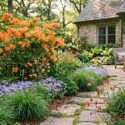
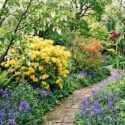
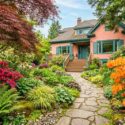
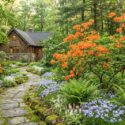
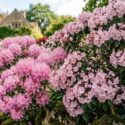
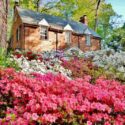
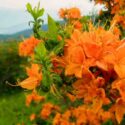
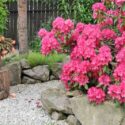
Beautiful rhododendrons begin beneath the surface. Discover how to create the acidic, well-drained soil these flowering shrubs love, choose the right fertilizer, and know when feeding is actually necessary. From yellow leaves and alkaline soil to container care, learn practical solutions for healthier roots, lush foliage, and spectacular spring flowers.
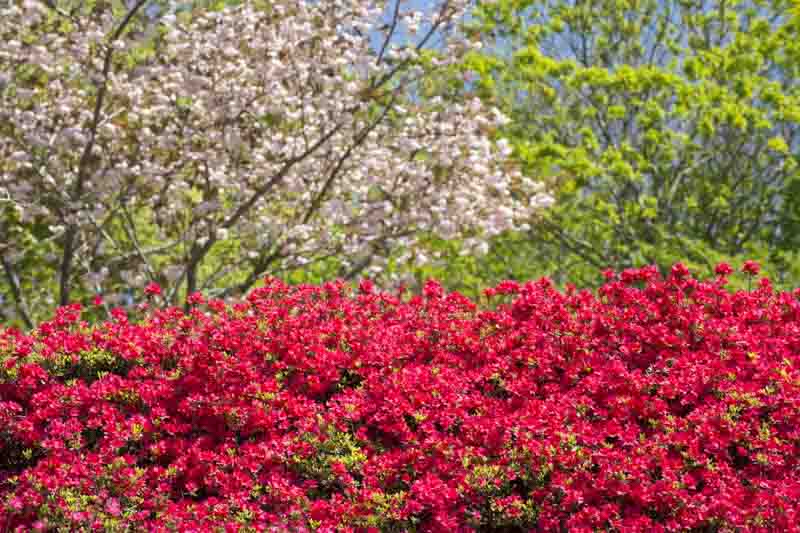


A rhododendron covered in spring flowers is a glorious sight. But when its leaves turn yellow, growth slows, or flower buds fail to develop, many gardeners reach for fertilizer. Often, the real problem lies beneath the surface.
Rhododendrons and azaleas have fine, shallow roots that need acidic soil, steady moisture, and good drainage. Give them those conditions, and many established shrubs thrive with little or no fertilizer. Plant them in waterlogged or alkaline ground, and extra feeding may do more harm than good.
So what is the best soil for rhododendrons? When should you fertilize, and which products should you use? This guide explains soil pH, planting preparation, soil amendments, fertilizers, feeding schedules, and common nutrient problems so you can give your plants what they actually need.
Rhododendron essentials: Aim for acidic soil, generally pH 4.5-6.0, that stays moist but drains freely. Healthy plants in fertile soil may need no fertilizer. Yellow leaves are a reason to investigate, not automatically a reason to feed.
Many rhododendrons grow naturally in woodland habitats, where their roots spread near the surface among decomposing leaves and other organic material. They prefer soil that holds moisture without becoming saturated, allowing oxygen to reach their roots.
The ideal rhododendron soil is:
Soil pH measures acidity or alkalinity. A reading of 7 is neutral, lower values are acidic, and higher values are alkaline.
Rhododendrons prefer acidic conditions partly because soil pH affects nutrient availability. In alkaline ground, iron and manganese may become less accessible to roots, even when the soil contains adequate amounts. Young leaves may then turn yellow while their veins remain green, a condition known as interveinal chlorosis.
This explains why adding fertilizer often fails to correct yellow foliage. The nutrients may already be present, but unsuitable soil conditions prevent the plant from absorbing them.
| Soil pH | What it means | What to do |
|---|---|---|
| Below 4.5 | More acidic than most garden varieties require. | Confirm the reading; avoid additional acidifiers. |
| 4.5-6.0 | Generally suitable for most rhododendrons and azaleas. | Maintain good moisture and drainage. |
| 6.1-7.0 | Less acidic than preferred; nutrient availability may decline. | Check plant health and soil-test recommendations. |
| Above 7.0 | Alkaline; increased risk of chlorosis. | Investigate soil chemistry; consider containers. |
These ranges are guidelines, not absolute limits. Some species tolerate slightly higher pH, and a healthy plant should not be subjected to drastic amendments merely to reach a particular number.
Loamy soil is often ideal because it balances moisture retention with good drainage. Clay soil can work if it is sufficiently acidic and well structured, but compacted, waterlogged clay restricts oxygen around the roots. Sandy soil drains readily but may require more frequent watering and organic mulch.
Whatever your soil type, check both acidity and drainage. Texture alone does not tell you whether rhododendrons will thrive.
Good preparation begins before planting. A soil test and a careful look at drainage can prevent years of disappointing growth, particularly if your garden has heavy clay or naturally alkaline soil.
In heavy clay, avoid digging a deep hole and filling it with loose compost surrounded by impermeable soil. Water can accumulate in that pocket, leaving the root ball waterlogged. A broad, slightly raised planting area is usually a better solution.
Composted pine bark and suitable leaf mold can help maintain soil structure. Peat moss is not essential, and peat-free ericaceous growing media are available, particularly for container cultivation.
Because rhododendron roots lie close to the surface, avoid deep digging or cultivating around established shrubs. Organic mulch helps conserve moisture, moderate soil temperatures, and gradually enrich the upper soil layer.
Planting mistake to avoid: Never place concentrated fertilizer directly beneath the root ball. Newly planted rhododendrons need moisture, oxygen, and healthy root establishment, not fertilizer salts against their roots.
If your soil is slightly too alkaline, gradual correction may be possible. However, naturally chalky or limestone-rich ground can be difficult to change permanently because calcium carbonate neutralizes added acidity.
Elemental sulfur is commonly recommended for lowering soil pH. Soil microorganisms gradually convert it into acidic compounds, a process influenced by temperature, moisture, and biological activity.
It can take several months to produce a significant change. Application rates depend on the soil’s starting pH, texture, and buffering capacity. Clay-rich soils generally require different quantities from sandy soils.
Always follow soil-test recommendations and product instructions. Too much sulfur can make soil excessively acidic, while digging amendments around established plants may damage their shallow roots.
Aluminum sulfate is generally not recommended for rhododendrons because excessive aluminum can damage roots. Elemental sulfur is usually preferable when acidification is justified by a soil test.
Iron sulfate supplies iron and can contribute to soil acidification, but it may be ineffective for persistent iron chlorosis where high soil pH prevents iron from remaining available to roots. It will not correct waterlogging or unhealthy roots. Addressing the underlying soil conditions is usually more important than adding iron.
Used coffee grounds do not reliably acidify soil. Pine needles make a useful mulch, but they are not an effective way to substantially lower the pH of alkaline mineral soil.
If your garden is persistently alkaline, growing compact rhododendrons in containers with ericaceous potting mix may be more practical than repeatedly applying amendments.
Gardenia’s practical advice: Slightly unsuitable soil may be worth correcting. Strongly alkaline, lime-rich ground is often better avoided. Choosing the right growing environment is easier than fighting your soil year after year.
Healthy rhododendrons often need no additional fertilizer. Established plants growing in fertile, acidic soil may receive enough nutrients naturally. If foliage is healthy, growth is satisfactory, and flowering is normal, feeding may offer little benefit.
When a soil test identifies a nutrient shortage, choose a fertilizer suitable for acid-loving plants and apply it at the recommended rate.
Fertilizer labels display three numbers representing nitrogen (N), phosphate (P2O5), and potash (K2O).
Nitrogen supports foliage and shoot growth. Phosphorus and potassium contribute to normal plant development, but adding more is not necessarily beneficial. Many garden soils already contain adequate phosphorus.
There is no universally ideal NPK ratio for every rhododendron. A fertilizer formulated for azaleas and rhododendrons is convenient, but soil-test results and appropriate application rates matter more than a particular formula.
| Fertilizer | Best use | Precaution |
|---|---|---|
| Slow-release granular | Gradual feeding when nutrients are needed. | Apply at the recommended rate, away from stems. |
| Liquid ericaceous | Convenient for container-grown plants. | Excessive concentration can burn roots. |
| Organic | Gradual nutrition when deficiencies are identified. | Nutrient release varies; overapplication is still possible. |
Avoid routine use of Epsom salts or bone meal. Epsom salts supply magnesium only when that nutrient is needed. Bone meal adds phosphorus and calcium, which may be unnecessary or undesirable in an acid-loving planting.
When feeding is necessary, early spring is a common time to fertilize as growth begins. In some climates, specialist growers recommend feeding shortly after flowering. Follow local guidance and avoid heavy late-season applications that may encourage tender growth before winter.
Usually not immediately. Correct planting depth, suitable soil, and consistent watering are more important during establishment. Feed later only when growth or soil-test results indicate a need.
Not necessarily. Poor flowering is frequently caused by excessive shade, late pruning, drought during flower-bud formation, or winter injury. Applying high-phosphorus fertilizer will not correct these problems.
For more help, read Why Is My Rhododendron Not Blooming?.
Yellow leaves, weak growth, and brown leaf edges can result from very different problems. Before choosing a treatment, look at which leaves are affected, the condition of the soil, and any recent changes in watering, weather, or feeding.
Gardenia’s diagnostic guide brings these clues together, highlighting what to check first and which common treatments to avoid until the cause is clearer.
| What you see | Possible cause | Check first | Avoid doing immediately |
|---|---|---|---|
| Young leaves yellow, veins green | Possible iron or manganese deficiency, often linked to high pH or root problems. | Soil pH, drainage, root health. | Adding general fertilizer. |
| Older leaves yellow between veins | Possible magnesium deficiency or other stress. | Leaf age, soil nutrients, overall health. | Applying Epsom salts without testing. |
| Leaves wilt in wet soil | Poor aeration or root disease. | Drainage, planting depth, roots. | Watering again. |
| Brown leaf edges | Drought, heat, wind, salt injury, or root stress. | Moisture, weather, fertilizer history. | Assuming nutrient deficiency. |
| Healthy leaves, few flowers | Shade, pruning, frost, or bud damage. | Sunlight, pruning, flower buds. | Using bloom-booster fertilizer. |
| Pale leaves, weak growth | Possible nutrient deficiency or damaged roots. | Soil test, watering, root health. | Increasing feeding blindly. |
| Brown margins after feeding | Possible fertilizer salt injury. | Product, rate, moisture. | Applying another dose. |
These are diagnostic clues, not confirmed diagnoses. Several problems produce similar symptoms, and persistent or severe cases may require soil analysis or professional plant diagnosis.
Yellowing between green veins on young leaves may indicate iron chlorosis, manganese deficiency, or impaired root function. Older leaves showing similar symptoms may suggest magnesium deficiency, although water stress and natural leaf aging also deserve consideration.
Check soil pH, drainage, moisture, and overall plant health before treating. For photographs and additional troubleshooting, visit Rhododendron Problems: Yellow Leaves, Pests and Diseases.
Sometimes the best solution is choosing plants suited to the existing conditions rather than repeatedly changing the ground.
Gardenia’s Plant Finder lets you compare plants by soil pH, soil type, drainage, hardiness, sunlight, and water needs. Save your favorites, then use the Garden Design Tool to review growing-condition compatibility, mature sizes, seasonal interest, and planting quantities.
Containers are an excellent option where garden soil is too alkaline or poorly drained. They give you control over the growing medium but require more careful watering and occasional feeding.
Repeated watering with highly alkaline water can gradually alter the chemistry of container growing media. Rainwater is often useful where available, although water alkalinity matters more than hardness alone.
Don’t allow plants to dry out simply because rainwater is unavailable. If a potted rhododendron develops yellow leaves, check the growing medium, roots, and drainage before feeding.
Container tip: Restricted roots, deteriorating potting mix, and unsuitable pH can all cause poor growth. Inspect the container before assuming your rhododendron needs more nutrients.
Most rhododendrons prefer acidic, organic-rich, moist but well-drained soil, generally with a pH of 4.5-6.0. Their shallow roots need consistent moisture and good aeration. Avoid compacted, waterlogged, or strongly alkaline ground.
Healthy rhododendrons in fertile acidic soil may not need fertilizer. Where a nutrient deficiency is identified, choose a suitable fertilizer for acid-loving plants and follow soil-test recommendations and product directions.
Early spring is a common feeding time when fertilizer is needed. Some regional recommendations favor feeding shortly after flowering. Avoid heavy late-season applications, particularly in cold climates.
Not automatically. Yellow leaves may result from high soil pH, reduced iron or manganese availability, poor drainage, drought, or damaged roots. Check soil pH, moisture, drainage, and the pattern of yellowing before treating.
Elemental sulfur can gradually lower soil pH when used according to soil-test recommendations. Strongly alkaline or limestone-rich soils are difficult to correct permanently, so containers with ericaceous potting mix may be more practical.
Used coffee grounds do not reliably lower soil pH. Small amounts may be composted, but large quantities should not be applied directly around rhododendron roots. Use a soil test to guide acidity corrections.
Yes, provided the clay is sufficiently acidic, well structured, and adequately drained. Waterlogged clay restricts oxygen around the roots. A broad raised planting area may help where drainage is poor.
Beautiful rhododendrons begin with healthy roots. Give them acidic soil, steady moisture, good drainage, and organic mulch, and many will thrive with surprisingly little fertilizer. When trouble appears, investigate the soil before reaching for plant food. The right diagnosis will do far more for your rhododendron than another unnecessary feeding.
Updated by Gardenia: October 2026
| Hardiness |
3 - 10 |
|---|---|
| Plant Type | Shrubs |
| Genus | Rhododendron |
| Exposure | Full Sun, Partial Sun |
| Season of Interest | Spring (Early, Mid, Late), Summer (Early), Fall, Winter |
| Maintenance | Low |
| Water Needs | Average |
| Soil Type | Clay, Loam, Sand |
| Soil pH | Acid |
| Soil Drainage | Moist but Well-Drained |
| Tolerances | Rabbit |
| Attracts | Butterflies, Hummingbirds |
| Landscaping Ideas | Beds And Borders, Patio And Containers, Small Gardens |
| Garden Styles | City and Courtyard, Gravel and Rock Garden, Informal and Cottage, Japanese Garden, Traditional Garden |
Create a membership account to save your garden designs and to view them on any device.
Becoming a contributing member of Gardenia is easy and can be done in just a few minutes. If you provide us with your name, email address and the payment of a modest $25 annual membership fee, you will become a full member, enabling you to design and save up to 25 of your garden design ideas.
Join now and start creating your dream garden!