Do rhododendrons prefer sun or shade? The answer depends on the variety, climate, and season. Some thrive in bright woodland shade, while others bloom beautifully in sunnier gardens. Discover the best light conditions, sun-tolerant varieties, signs of too much shade, and practical tips for spectacular flowers and healthy foliage.
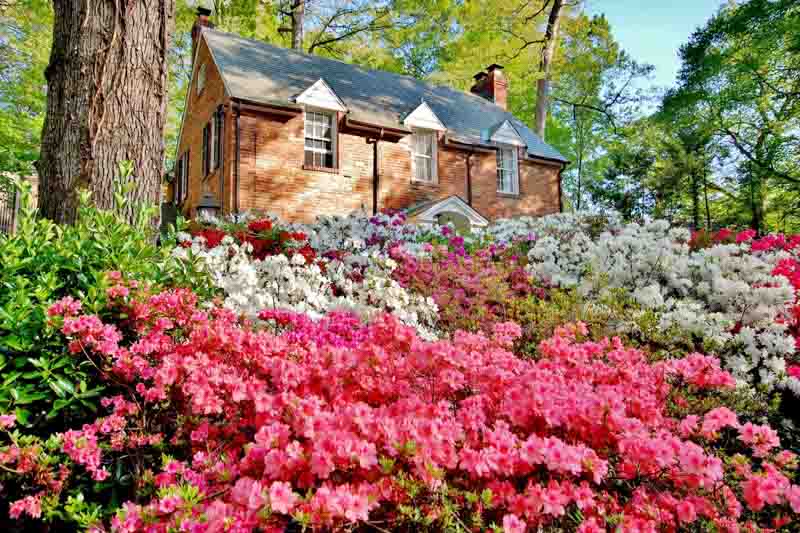


You’ve found a beautiful rhododendron, covered in flowers, and you’re imagining it in your garden. But where should you plant it? Beneath the trees, along a sunny border, or beside the house where it receives a few hours of morning sunshine?
Rhododendrons have a reputation for loving shade, but that’s only part of the story. Some flower beautifully in sunny gardens. Others prefer the filtered light beneath trees, while certain woodland species tolerate considerable shade.
Too much shade can mean fewer flowers. Too much sun can scorch leaves and stress the plant. A rhododendron that thrives in a sunny garden in Oregon may need afternoon protection in Georgia.
So, how much sun do rhododendrons need? Here’s how to choose the right exposure, identify sun-tolerant varieties, and recognize when your plant is receiving too much or too little light.
Quick answer: Most rhododendrons prefer bright, dappled shade or partial sun, often with morning sunshine and protection from intense afternoon heat. Some deciduous azaleas and dwarf alpine rhododendrons tolerate full sun in suitable climates. Deep shade usually reduces flowering.
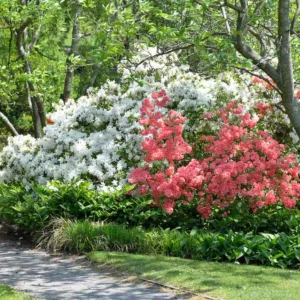
For many rhododendrons, the ideal position resembles an open woodland edge: plenty of light, some protection from strong sunshine, and soil that stays moist without becoming waterlogged.
But sunlight isn’t just about hours. Four hours of gentle morning sun can be far less stressful than four hours of intense afternoon exposure.
| Light exposure | Conditions | Rhododendron suitability |
|---|---|---|
| Full sun | 6+ hours of direct sunlight. | Selected sun-tolerant varieties, mainly in cooler climates. |
| Partial sun | Approximately 3-6 hours of direct light. | Often excellent, particularly with morning sun. |
| Dappled shade | Bright, shifting light beneath trees. | Ideal for many woodland rhododendrons. |
| Deep shade | Very limited direct sunlight. | Some species survive, but flowering may decline. |
Morning sun with afternoon shade is often ideal in warm climates. It provides light for growth and flower-bud development without exposing foliage to the day’s greatest heat.
In cooler climates, additional sunshine may improve flowering. However, exposed winter morning sun can damage frozen evergreen foliage, making shelter important in cold regions.
Some rhododendrons flower beautifully in relatively open positions. Adequate light can encourage compact growth and abundant flower buds, provided the roots remain healthy.
But sun tolerance is not drought tolerance. Even varieties suited to full sun may struggle when their shallow roots repeatedly dry out.
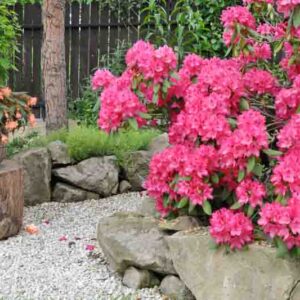
Selected small-leaved and alpine rhododendrons suit sunny rock gardens, raised beds, and open borders, particularly where summers are cool.
| Hardiness |
3 - 10 |
|---|---|
| Plant Type | Shrubs |
| Genus | Rhododendron |
| Exposure | Full Sun, Partial Sun |
| Season of Interest | Spring (Early, Mid, Late), Summer (Early), Fall, Winter |
| Maintenance | Low |
| Water Needs | Average |
| Soil Type | Clay, Loam, Sand |
| Soil pH | Acid |
| Soil Drainage | Moist but Well-Drained |
| Tolerances | Rabbit |
| Attracts | Butterflies, Hummingbirds |
| Landscaping Ideas | Beds And Borders, Patio And Containers, Small Gardens |
| Garden Styles | City and Courtyard, Gravel and Rock Garden, Informal and Cottage, Japanese Garden, Traditional Garden |
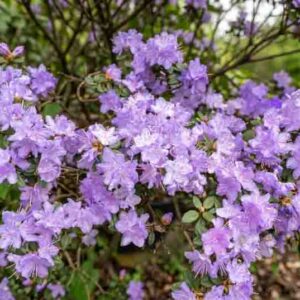
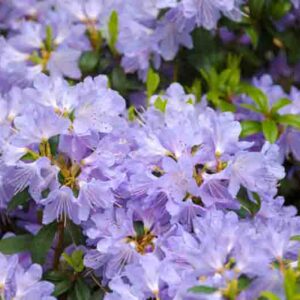
Not every dwarf rhododendron tolerates full sun. ‘Blue Tit’ generally appreciates a bright, sheltered position, while sun-tolerant varieties such as ‘Ginny Gee’ can handle greater exposure when soil moisture and local growing conditions are suitable.
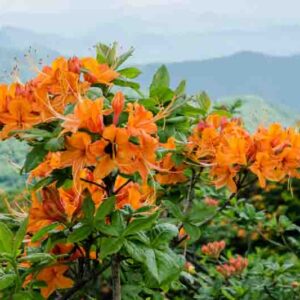
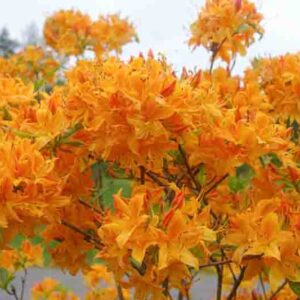
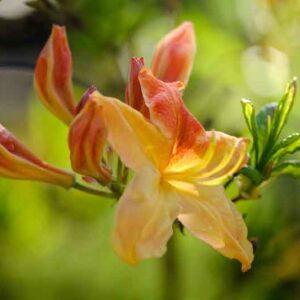
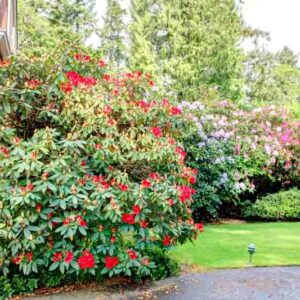
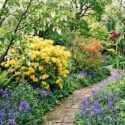
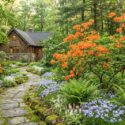
Many deciduous azaleas perform well in sunny woodland edges, particularly when their soil remains evenly moist.
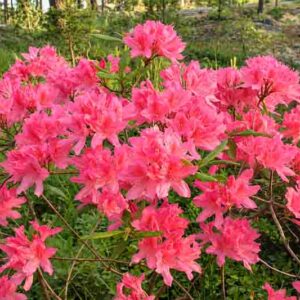
Selected Northern Lights and Knaphill-Exbury deciduous azalea hybrids also grow successfully in sunny gardens, although exposure requirements vary by cultivar.
Sun-tolerant doesn’t mean sun-proof: A rhododendron recommended for full sun in Oregon may need afternoon shade in Georgia. Intense sunlight can also fade flower colors or shorten the blooming display during hot weather.
Have a sunny garden? Use Gardenia’s Plant Finder to narrow your choices by sunlight, hardiness, soil pH, drainage, and water needs.
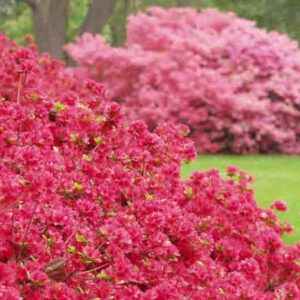
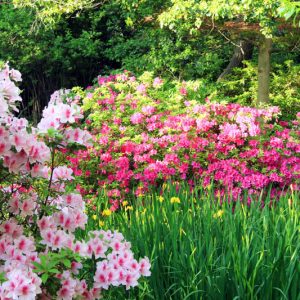
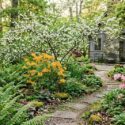
A woodland garden with high-branched trees, gentle sunshine, and cool soil is an excellent home for many rhododendrons. Bright partial shade supports flowering while protecting leaves from excessive heat.
For mild-climate gardens, ‘Else Frye’ offers exceptionally fragrant flowers in sheltered partial shade. Unlike the cold-hardy rhododendrons featured here, it is suitable mainly for regions with relatively mild winters.
Some tolerate more sun in cooler regions. In hotter climates, afternoon shelter helps preserve flowers and foliage.
Some rhododendrons tolerate deep shade, but survival and abundant flowering are not the same thing.
In dark locations, shrubs may produce fewer flower buds, develop sparse growth, or stretch toward brighter areas. Rosebay Rhododendron is notably shade tolerant, yet generally flowers more freely with additional filtered light.
Flower-bud development requires sufficient energy from photosynthesis. When light is limited, a rhododendron may maintain healthy foliage without producing many flowers.
The problem can develop gradually. Trees grow, canopies become denser, and a once-bright planting area may eventually receive very little light.
If the location receives almost no useful daylight, moving the rhododendron to a brighter position may be more successful than searching for a full-shade variety.
For extremely dark areas, shade-adapted foliage plants, including suitable ferns, may provide more reliable interest.
Gardenia’s rule of thumb: Bright shade is excellent for many rhododendrons. Deep shade is different. If flowers are your priority, choose the brightest suitable position that still offers protection from excessive heat and drying winds.
The same rhododendron may perform very differently in two gardens. Temperature, humidity, wind, and soil moisture all influence its tolerance of direct sunlight.
In regions with mild summers and reliable moisture, many rhododendrons tolerate more sunshine. Suitable parts of the Pacific Northwest offer particularly favorable conditions, although exposed winds and summer drought can still cause damage.
In the Southeast and other hot-summer regions, afternoon shade becomes more valuable. Strong sun and high temperatures increase moisture stress, particularly where soil is shallow or compacted.
Select heat-adapted varieties, maintain organic mulch, and avoid positions beside heat-reflecting walls or paving.
Winter sun and cold winds can damage evergreen foliage when frozen soil prevents roots from replacing lost moisture. A sheltered woodland edge or windbreak may provide better protection than an open lawn.
USDA hardiness zones describe winter temperature extremes, not summer heat or sunlight intensity. Use them alongside local climate and site conditions when choosing plants.
Rhododendrons often reveal when their growing conditions are unsuitable. However, scorched leaves, weak flowering, and wilting can have several causes. Check the circumstances before moving or treating the plant.
| What you notice | Possible cause | Check first | What may help |
|---|---|---|---|
| Brown, scorched leaves | Sun, heat, drought, or winter injury. | Timing, exposed leaves, soil moisture. | Appropriate watering and afternoon shelter. |
| Healthy leaves, few flowers | Too little light, pruning, or bud damage. | Light exposure and flower buds. | A brighter site if shade is responsible. |
| Long, sparse growth | Possible insufficient light. | Canopy density and growth direction. | More filtered light. |
| Drooping in afternoon heat | Heat or water stress. | Root moisture and overnight recovery. | Water appropriately; provide heat protection. |
| Leaves curling in freezing weather | Normal cold response in some evergreens. | Recovery as temperatures rise. | Usually no treatment if temporary. |
| Yellow leaves | Soil pH, drainage, or nutrient problems. | pH, moisture, yellowing pattern. | Diagnose before fertilizing or moving. |
These symptoms are diagnostic clues, not confirmed diagnoses. Several problems can affect the same plant.
Winter leaf curling is not necessarily sun damage. Some evergreen rhododendrons naturally roll and droop their leaves during freezing weather. If they recover as temperatures rise, no treatment is usually needed.
If a rhododendron has healthy foliage but few flowers, check for inadequate light, late pruning, drought during bud formation, and frost injury. Gardenia’s Rhododendron Not Blooming Guide explains the causes. For damaged foliage, consult the Rhododendron Problems Guide.
Before digging, observe your proposed planting area throughout the day. A spot that looks shaded in the morning may receive intense afternoon sunshine, while ground beneath trees may be surprisingly dry.
If leaf scorch recurs despite adequate watering and healthy soil, a more sheltered position may help. Smaller rhododendrons can often be transplanted during suitable cool weather, preserving as much of the shallow root ball as possible.
Before relocating a struggling plant, investigate drainage and soil pH. Moving it won’t solve problems that exist throughout the garden.
For detailed soil advice, see Gardenia’s Rhododendron Soil & Fertilizer Guide.
Choosing the right rhododendron means matching its light requirements with your climate, soil, and available space. This comparison highlights promising species and cultivars for different exposures.
| Garden exposure | Plants to explore | Important consideration |
|---|---|---|
| Full sun, cool climate | Selected alpine types, ‘Ramapo’ | Reliable moisture and wind protection. |
| Sunny woodland edge | R. calendulaceum, R. atlanticum | Climate, acidic soil, consistent moisture. |
| Morning sun, afternoon shade | ‘Blue Tit’, ‘Ginny Gee’, selected evergreen azaleas | Cultivar-specific needs and mature size. |
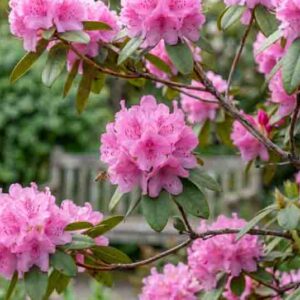
| Bright woodland shade | ‘Scintillation’, ‘Ken Janeck’, R. catawbiense | Root competition and adequate space. |
| Substantial shade | R. maximum | Potentially reduced flowering and large size. |
| Hot afternoon sun | Consider a more sheltered planting site. | Heat stress may outweigh sun tolerance. |
These are starting points, not guaranteed recommendations. Check each species or cultivar’s documented light, hardiness, and moisture requirements before planting.
Use Gardenia’s Plant Finder to explore rhododendrons by sunlight, hardiness, soil pH, drainage, and water needs.
Save promising varieties, then use the Garden Design Tool to check growing-condition compatibility, mature sizes, seasonal interest, and planting quantities.
That is especially useful when designing a border that moves from a sunny edge into woodland shade, where neighboring plants may need different amounts of light and moisture.
Many rhododendrons thrive in bright, dappled shade or with a few hours of morning sunlight. Requirements vary by variety and climate. Some deciduous azaleas and dwarf alpine rhododendrons tolerate full sun.
Yes. Selected dwarf alpine rhododendrons and deciduous azaleas tolerate full sun, particularly in cooler climates with adequate soil moisture. Intense heat and drought can still cause stress.
Some species tolerate substantial shade, but flowering generally decreases when light is insufficient. Rosebay Rhododendron is especially shade tolerant, although it usually blooms better in brighter conditions.
Morning sun with afternoon shade is often preferable, especially in hot climates. It provides light while limiting heat stress. In very cold regions, exposed winter morning sun can contribute to foliage injury.
Selected dwarf alpine rhododendrons, ‘Ramapo’, and deciduous azaleas such as Flame Azalea and Coastal Azalea tolerate relatively sunny conditions. Climate, moisture, and wind exposure remain important.
Brown patches, scorched leaf margins, or afternoon wilting may indicate excessive sun or heat. Drought, winter injury, and root problems can produce similar symptoms, so check moisture and exposure before relocating the plant.
Insufficient light is one possibility. Other causes include late pruning, summer drought, excess nitrogen, and frost-damaged flower buds. Identify the cause before moving or fertilizing the shrub.
Rhododendrons don’t all need the same amount of sunshine. Some flourish in the gentle light of woodland gardens, while others reward brighter positions with abundant flowers. Choose a variety suited to your climate, give its roots the right conditions, and protect it from unnecessary heat and drought. The right balance of sun and shade makes all the difference.
Updated and reviewed by Gardenia: October 2026
| Hardiness |
3 - 10 |
|---|---|
| Plant Type | Shrubs |
| Genus | Rhododendron |
| Exposure | Full Sun, Partial Sun |
| Season of Interest | Spring (Early, Mid, Late), Summer (Early), Fall, Winter |
| Maintenance | Low |
| Water Needs | Average |
| Soil Type | Clay, Loam, Sand |
| Soil pH | Acid |
| Soil Drainage | Moist but Well-Drained |
| Tolerances | Rabbit |
| Attracts | Butterflies, Hummingbirds |
| Landscaping Ideas | Beds And Borders, Patio And Containers, Small Gardens |
| Garden Styles | City and Courtyard, Gravel and Rock Garden, Informal and Cottage, Japanese Garden, Traditional Garden |
Create a membership account to save your garden designs and to view them on any device.
Becoming a contributing member of Gardenia is easy and can be done in just a few minutes. If you provide us with your name, email address and the payment of a modest $25 annual membership fee, you will become a full member, enabling you to design and save up to 25 of your garden design ideas.
Join now and start creating your dream garden!