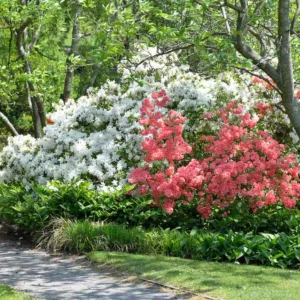
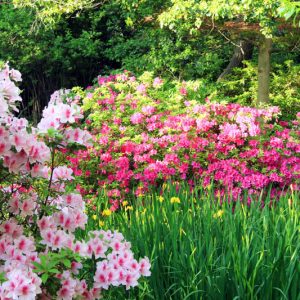
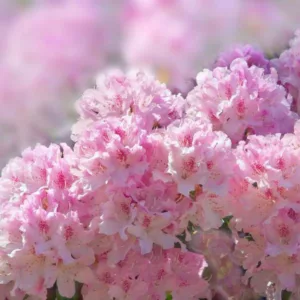
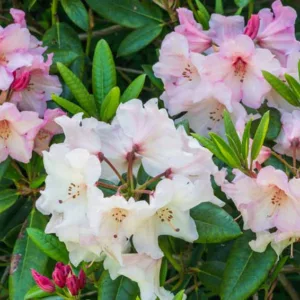
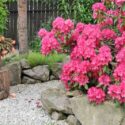
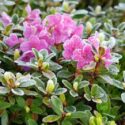
Discover the extraordinary beauty of North America's native rhododendrons and azaleas, from fiery orange Flame Azaleas to fragrant summer bloomers and magnificent evergreen rosebays. Explore their natural habitats, flowering seasons, wildlife benefits, and growing requirements, and learn how to choose the right species for a beautiful, thriving native garden.
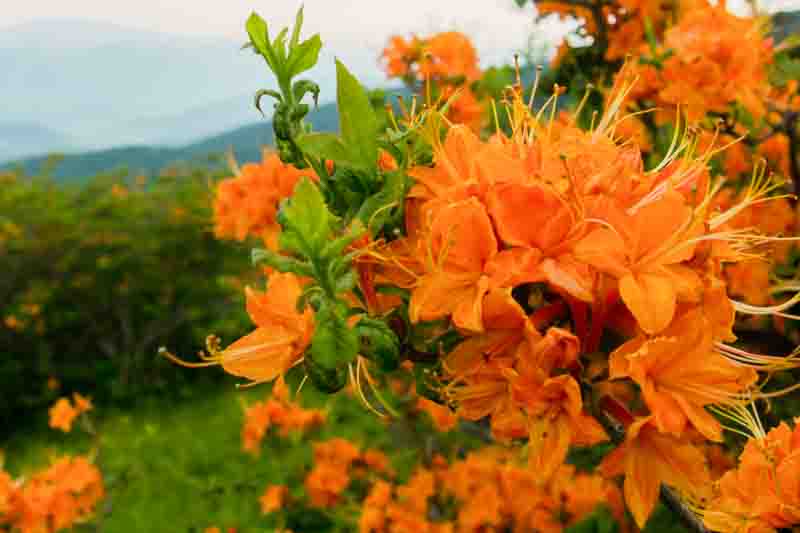


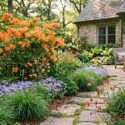
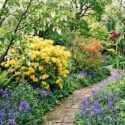
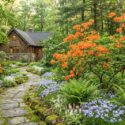
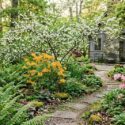
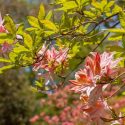
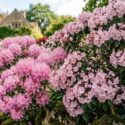
In spring, the Appalachian Mountains come alive with wild azaleas. Golden flowers glow against fresh green foliage, fiery orange blooms light up rocky slopes, and fragrant pink blossoms brighten woodland trails. Farther south, native azaleas perfume stream banks and forest edges. Across the continent, the Pacific Rhododendron fills western woodlands with spectacular rose-pink flowers.
These magnificent shrubs are part of North America’s natural heritage. Long before today’s garden hybrids were developed, native rhododendrons and azaleas were flourishing in forests, mountains, wetlands, and coastal landscapes.
Some are compact enough for small woodland gardens. Others form impressive evergreen thickets. Their flowers range from pure white and delicate pink to golden yellow, brilliant orange, and rich purple. Several are wonderfully fragrant, and careful selection can extend the flowering season from early spring into late summer.
But there’s an important distinction between a plant being native to North America and being suitable for your particular garden. A mountain azalea adapted to cool summers may struggle with coastal heat, while a species from moist lowlands may never thrive on a dry, exposed slope.
This guide introduces the best native azaleas and rhododendrons, compares their flower colors, sizes, bloom times, and native regions, and explains how to choose and grow species suited to your landscape.
At a glance: North America has native deciduous azaleas and evergreen rhododendrons. Most prefer acidic soil and dependable moisture, but individual species differ in hardiness, light, drainage, mature size, and summer heat tolerance. Always match the species to its natural habitat as well as your garden conditions.
Azaleas belong to the genus Rhododendron, so every azalea is botanically a rhododendron. Gardeners generally use “azalea” for shrubs with relatively slender stems and often funnel-shaped flowers, while “rhododendron” commonly refers to larger evergreen shrubs with leathery foliage and clustered blooms.
Most North American native azaleas are deciduous, shedding their leaves in autumn. Many belong to the botanical group traditionally called Pentanthera. Distinctive relatives such as Rhododendron vaseyi and R. canadense are classified outside that familiar group.
The Azalea Society of America features 17 native azalea types, although species boundaries and classifications vary among botanical authorities. Natural hybridization can further complicate identification.
North America also has evergreen rhododendrons, including R. maximum, R. catawbiense, R. minus, and R. macrophyllum.
Native status is geographic. Rhododendron austrinum (Florida Azalea) belongs naturally to the southeastern United States, while R. macrophyllum (Pacific Rhododendron) grows wild in western North America.
Neither is native everywhere in the country. For a regionally authentic garden, check the species’ documented range within your state, ecoregion, and local habitat.
Native species or garden hybrid? Named hybrids may have North American native parents without occurring naturally in the wild. For habitat restoration or strictly regional native planting, choose verified species from appropriate nursery-propagated sources.
Before choosing a native azalea for its flowers, consider its eventual size, flowering season, and natural habitat. Two shrubs with similar blooms may have very different growing requirements.
This Gardenia comparison highlights representative North American species. Mature sizes are approximate and can vary with age, provenance, and growing conditions.
| Native species | Typical height | Flowers / season | Native habitat / garden fit |
|---|---|---|---|
| R. alabamense | 4-6 ft. | Fragrant white, spring | Southeastern, well-drained woodlands |
| R. atlanticum | 2-5 ft. | Fragrant white-pink, spring | Eastern coastal plain, spreading habit |
| R. austrinum | 6-10 ft. | Fragrant yellow-orange, spring | Lower Southeast, woodland edges |
| R. calendulaceum | 4-8 ft. | Yellow-orange-red, late spring | Appalachian mountains, cool acidic sites |
| R. cumberlandense | 3-7 ft. | Orange-red, early summer | Cumberland Plateau and nearby mountains |
| R. viscosum | 3-8 ft. | Fragrant white-pink, summer | Eastern moist acidic habitats |
| R. prunifolium | 6-10 ft. | Orange-red, summer | Restricted southeastern range, moist sites |
| R. maximum | 10-20+ ft. | White-pink, late spring-summer | Eastern forests, large shaded landscapes |
| R. macrophyllum | 6-15+ ft. | Rose-pink, spring-early summer | Pacific coastal and forest habitats |
Bloom seasons refer to broad North American patterns. Elevation, latitude, weather, and local growing conditions can shift flowering by several weeks. For exact cultivar or species characteristics, consult individual plant profiles.
Native deciduous azaleas offer some of the finest flowers of any North American shrub. Many bloom before or alongside new foliage, creating an airy, luminous display that looks especially beautiful beneath deciduous trees.
| Hardiness |
3 - 9 |
|---|---|
| Plant Type | Shrubs |
| Genus | Rhododendron |
| Exposure | Full Sun, Partial Sun |
| Season of Interest | Spring (Early, Mid, Late), Summer (Early), Fall, Winter |
| Maintenance | Low |
| Water Needs | Average |
| Soil Type | Clay, Loam, Sand |
| Soil pH | Acid |
| Soil Drainage | Moist but Well-Drained |
| Native Plants | United States |
| Tolerances | Rabbit |
| Attracts | Butterflies, Hummingbirds |
| Landscaping Ideas | Beds And Borders, Patio And Containers, Small Gardens |
| Garden Styles | City and Courtyard, Gravel and Rock Garden, Informal and Cottage, Japanese Garden, Traditional Garden |
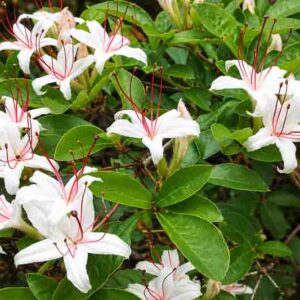





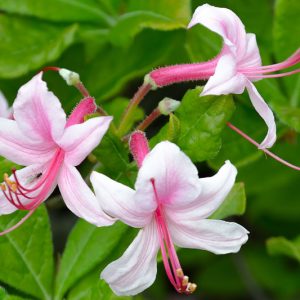

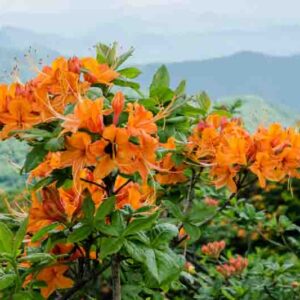


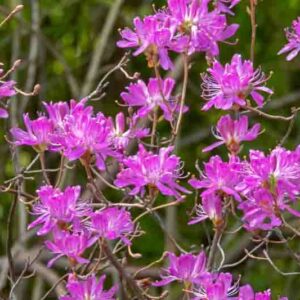
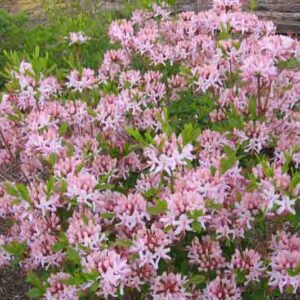


Other noteworthy southeastern natives include Rhododendron colemanii (Red Hills Azalea) and R. eastmanii (May White Azalea), both recognized for their restricted natural distributions and ornamental interest. Their unusual native ranges make accurately identified, responsibly propagated plants especially important.
Where deciduous azaleas bring seasonal color and fragrance, native evergreen rhododendrons provide year-round structure. Their leathery foliage creates a handsome backdrop for woodland flowers, ferns, and groundcovers.

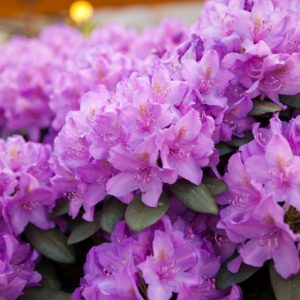

These shrubs differ greatly in mature size and climate adaptation. A Rosebay Rhododendron may eventually form a substantial screen, while a smaller-leaved rhododendron can suit more intimate woodland spaces.
A beautiful flower is only the beginning. The best native rhododendron for your garden is one adapted to conditions reasonably close to those in its natural habitat.
USDA hardiness zones describe winter temperature extremes, not summer heat, humidity, drainage, or drought.
A mountain species may survive your winter but suffer during hot, humid summers. A shrub from a moist streamside habitat may be hardy enough yet fail in dry, compacted soil.
Check the complete growing environment: regional nativity, climate, sunlight, soil acidity, drainage, moisture, and available space.
Gardenia’s selection tip: Don’t choose a native azalea solely by hardiness zone or flower color. A cool-climate mountain species and a moisture-loving coastal species may share a USDA zone but require very different garden conditions.
Planting several native azaleas with different bloom times can turn a brief spring display into a succession of flowers lasting several months.
These periods overlap and vary with location. At higher elevations or northern latitudes, flowering can occur weeks later than in warmer lowland gardens.
For a particularly beautiful combination, pair an early pink azalea with a vivid orange late-spring species and a fragrant summer bloomer. Just make sure they share compatible moisture, light, and soil requirements.
Native rhododendrons and azaleas contribute more than beautiful flowers. Their nectar and pollen attract visiting insects, while their branches and foliage add structure to woodland habitats.
Depending on species and location, flowering shrubs may attract bumblebees, other native bees, butterflies, moths, and hummingbirds. Some orange and red-flowered azaleas, including Flame Azalea and Florida Azalea, can be especially attractive to hummingbirds where their ranges overlap.
Some native rhododendrons also support caterpillars. For example, Cumberland Azalea is documented as a host for the azalea caterpillar and rhododendron borer moth. However, host relationships differ among species, and a flower being visited by butterflies does not automatically make the shrub a butterfly larval host.
For wildlife-rich planting, combine native rhododendrons with regional native trees, ferns, grasses, and flowering perennials. This creates habitat and food sources beyond the comparatively short azalea bloom season.
For pollinator gardens: Use several native species with different flowering seasons, avoid unnecessary insecticides during bloom, and choose companion plants that provide nectar, pollen, or documented caterpillar host resources at other times of year.
Native doesn’t mean maintenance-free, but a well-sited plant can be remarkably rewarding. Try to recreate the conditions the species experiences naturally rather than expecting every azalea to adapt to the same garden bed.
For detailed planting and maintenance advice, see Gardenia’s Rhododendron and Azalea Growing Guide.
Most native azaleas develop graceful shapes with minimal pruning. Remove dead or damaged wood as necessary, and complete optional shaping shortly after flowering to avoid sacrificing next year’s flower buds.
Yellow leaves can indicate unsuitable soil pH, poor drainage, or damaged roots. Brown edges may result from drought, winter exposure, or heat. Persistent wilting in wet ground may indicate root damage or disease.
Gardenia’s Rhododendron Problems Guide helps distinguish these symptoms before choosing a treatment.
Choose nursery-propagated plants with accurate botanical names. If regional ecological value is your priority, ask about seed origin and provenance, particularly for species with small natural populations.
Do not remove shrubs from the wild. For restoration planting, locally appropriate, genetically diverse material may be preferable to a single named ornamental selection.
Safety: Rhododendrons and azaleas contain grayanotoxins and are poisonous if eaten. Keep plant material away from grazing animals and discourage children and pets from ingesting any part of these shrubs.
You’ve found a native azalea with gorgeous flowers. Now comes the question that matters most: Will it actually thrive in your garden?
Start with the species’ natural range, then compare its needs with your site’s sunlight, soil, moisture, climate, and available space. A low-growing Coastal Azalea, a summer-flowering Swamp Azalea, and a towering Rosebay Rhododendron offer very different design possibilities.
| Your garden goal | Native species to compare | Important consideration |
|---|---|---|
| Brilliant orange flowers | R. calendulaceum, R. austrinum | Regional climate and moisture |
| Outstanding fragrance | R. arborescens, R. alabamense, R. viscosum | Bloom time and mature size |
| A smaller flowering shrub | R. atlanticum | Spreading habit and space |
| Late-season color | R. prunifolium, R. viscosum | Summer moisture and local suitability |
| Evergreen woodland structure | R. maximum, R. catawbiense, R. macrophyllum | Region, mature size, and exposure |
Use Gardenia’s Plant Finder to narrow plant choices by hardiness, sunlight, soil pH, drainage, water needs, mature size, and native-plant preferences.
Once you’ve chosen your favorites, save them and open the Garden Design Tool to check growing-condition compatibility, compare seasonal interest, assess mature sizes, estimate quantities, and build a planting list.
This is where a collection of beautiful native plants becomes a garden plan suited to your actual conditions.
Yes. North America has many native rhododendrons, including deciduous azaleas such as Rhododendron calendulaceum and R. austrinum, and evergreen species such as R. maximum, R. catawbiense, and R. macrophyllum. Their native ranges and habitat requirements differ considerably.
The familiar North American native azalea species are predominantly deciduous. Native evergreen rhododendrons include Rosebay, Catawba, Piedmont, and Pacific Rhododendron. Most commonly grown evergreen garden azaleas originate from Asian species or their hybrids.
Fragrant native azaleas include Rhododendron arborescens (Sweet Azalea), R. alabamense (Alabama Azalea), R. atlanticum (Coastal Azalea), R. austrinum (Florida Azalea), R. prinophyllum (Roseshell Azalea), and R. viscosum (Swamp Azalea). Their scents and flowering seasons differ.
North American native azaleas can bloom from early spring into late summer, depending on the species and region. Florida and Piedmont Azaleas bloom relatively early, Flame and Sweet Azaleas generally flower later in spring, and Swamp and Plumleaf Azaleas help extend the season into summer.
Many native azaleas attract bees, butterflies, moths, and hummingbirds. Orange and red-flowered species such as Flame Azalea and Florida Azalea can be particularly attractive to hummingbirds. Wildlife associations and caterpillar host relationships vary by species and location.
Most native rhododendrons prefer acidic, organic-rich soil, generally around pH 4.5-6.0, with consistent moisture and good drainage. Light, heat, and moisture requirements vary, so choose plants according to their documented native habitat as well as your garden conditions.
Not necessarily. A cultivated hybrid may have North American native parents without occurring naturally in the wild. For strict native planting or habitat restoration, verified species with suitable provenance are generally preferable. Hybrids may still be excellent ornamental shrubs.
North America’s native rhododendrons and azaleas offer far more than spectacular spring flowers. They bring fragrance, vivid color, summer blooms, handsome evergreen foliage, and a connection to the landscapes where they evolved. Choose species that suit your region and growing conditions, and they can make a woodland garden feel both beautiful and wonderfully at home.
Updated by Gardenia: October 2026
| Hardiness |
3 - 9 |
|---|---|
| Plant Type | Shrubs |
| Genus | Rhododendron |
| Exposure | Full Sun, Partial Sun |
| Season of Interest | Spring (Early, Mid, Late), Summer (Early), Fall, Winter |
| Maintenance | Low |
| Water Needs | Average |
| Soil Type | Clay, Loam, Sand |
| Soil pH | Acid |
| Soil Drainage | Moist but Well-Drained |
| Native Plants | United States |
| Tolerances | Rabbit |
| Attracts | Butterflies, Hummingbirds |
| Landscaping Ideas | Beds And Borders, Patio And Containers, Small Gardens |
| Garden Styles | City and Courtyard, Gravel and Rock Garden, Informal and Cottage, Japanese Garden, Traditional Garden |
Create a membership account to save your garden designs and to view them on any device.
Becoming a contributing member of Gardenia is easy and can be done in just a few minutes. If you provide us with your name, email address and the payment of a modest $25 annual membership fee, you will become a full member, enabling you to design and save up to 25 of your garden design ideas.
Join now and start creating your dream garden!