Gardening in Wyoming is challenging but rewarding. Learn which USDA hardiness zone you’re in, see typical frost dates for major cities, and find vegetables, fruits, flowers, and native plants that thrive from Jackson’s high valleys to Cheyenne’s windy plains so your Wyoming garden truly flourishes.
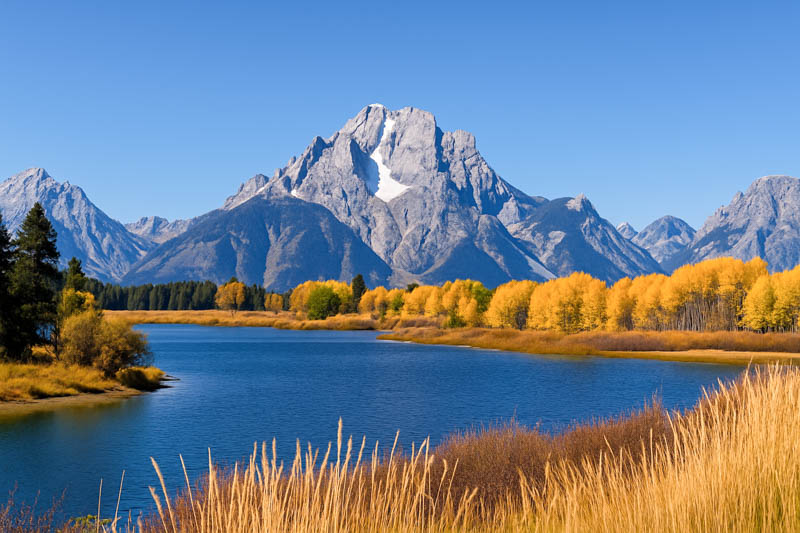


Gardening in Wyoming might mean a windy Cheyenne backyard on the High Plains, a Laramie or Rawlins lot at high elevation, a Casper or Riverton yard tucked into a central basin, a Cody or Sheridan garden near the Bighorns, raised beds in Gillette, or a mountain-town plot in Jackson, Pinedale, or Afton. Wyoming planting zones range from very cold mountain valleys to relatively mild basins and plains – each with its own gardening personality.
This guide will help you understand your Wyoming growing zone using the updated 2023 USDA Plant Hardiness Zone Map, plan around frost dates, and choose the best plants for your corner of the Cowboy State.
On the 2023 USDA Plant Hardiness Zone Map, Wyoming runs roughly from zone 3b to zone 6a, based on 30-year averages of the coldest winter temperatures (1991–2020). The coldest zones hug high mountain valleys and some wind-swept plateaus, while the comparatively mild zones show up in lower-elevation basins and parts of the eastern plains. Most home gardens fall between zones 4a and 5b, with a few warmer 6a pockets near sheltered towns and cities.
*Zones summarized from the 2023 USDA hardiness map and Wyoming-focused analyses using 1991–2020 climate data.
The updated 2023 USDA Plant Hardiness Zone Map uses 30-year climate normals (1991–2020) and higher-resolution terrain and elevation data than earlier versions, refining zone lines across Wyoming’s patchwork of plains, plateaus, basins, and mountains. State-level resources confirm that Wyoming now spans roughly zones 3b–6a, with slightly warmer zones expanding in some basins and plains compared with the older 2012 map.
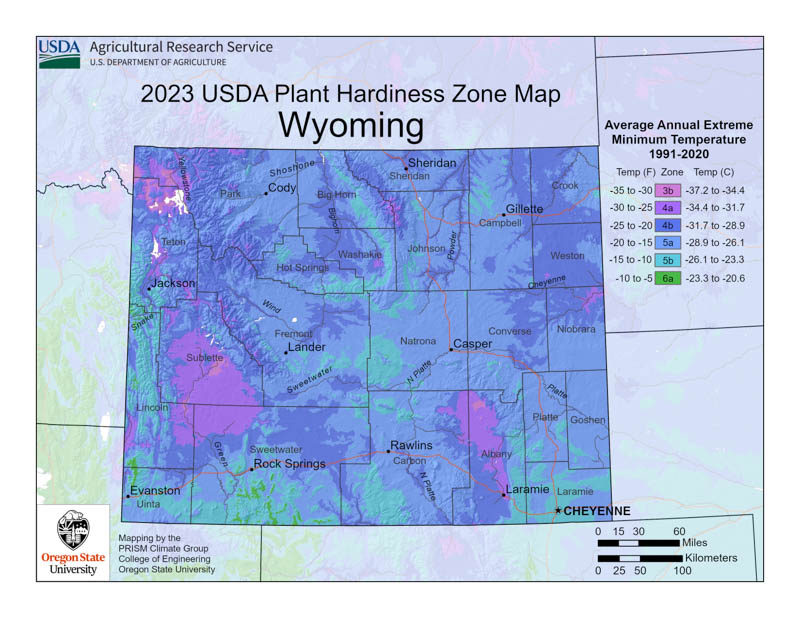
Imagine a Wyoming planting zone map here showing colder blues and purples in the western mountains and high valleys, with somewhat warmer greens and yellows across central basins and the eastern plains.
Use the map alongside your ZIP code to pinpoint your Wyoming garden zone. Look up your Wyoming planting zone by ZIP code using the USDA tool, then come back here or visit our Plant Finder for plants tailored to your zone, elevation, and site conditions.
*According to the USDA and regional climate groups using 1991–2020 data.
Wyoming’s climate is shaped by elevation, latitude, the Continental Divide, rain shadows, and strong winds. Cold air drains into valley bottoms, chinook winds bring quick thaws, and snowpack can linger in the high country long after basins and plains have warmed. It’s common for gardens only a few miles apart – or a few hundred feet apart in elevation – to differ by a half-zone or more in winter lows and frost dates.
This region includes Cheyenne, Laramie, Wheatland, Torrington, and nearby communities along the eastern border and I-25/I-80 corridors.
This region includes Casper, Riverton, Lander, Rawlins, and neighboring agricultural communities in central Wyoming.
Gillette, Sheridan, Buffalo, and nearby towns sit along the northern plains and the eastern slopes of the Bighorn Mountains.
Higher-elevation towns such as Jackson, Pinedale, Afton, and Star Valley communities experience long winters and brief summers.
Rock Springs, Green River, Evanston, and nearby high-desert towns lie in a landscape of sagebrush steppe, canyons, and mesas.
In Wyoming, frost is all about elevation, wind, and local topography. A Cheyenne backyard may offer a modest but workable season, while Laramie, Jackson, or high mountain basins can see freezing temperatures from early fall into late spring. Your average last and first frosts determine when to plant tomatoes, protect dahlias, and time cool-season crops.
Across Wyoming, last spring frosts typically range from mid–late May in many basins and eastern plains locations to mid–late June in colder high-elevation and western valleys. First fall frosts may hit places like Laramie or Jackson in early September, while parts of the central basins and southeast plains can stay frost-free into late September or early October. On average, Wyoming gardeners see roughly 95–125 frost-free days, with a statewide average around 115 days, depending heavily on region and elevation.
| Region / City | Average Last Spring Frost | Average First Fall Frost | Approx. Frost-Free Days |
|---|---|---|---|
| Cheyenne (Southeast High Plains) | Late May (around May 28) | Mid September (around Sept 18) | ~110–115 days |
| Casper (Central Wyoming) | Late May (around May 22) | Mid September (around Sept 19) | ~115–120 days |
| Gillette (Northeast Plains) | Late May (around May 22) | Mid September (around Sept 18) | ~115–120 days |
| Laramie (High Plains & Laramie Range) | Early June (around Jun 10-14) | Early September (around Sept 9) | ~90–100 days |
| Rock Springs (Southwest High Desert) | Late May (around May 28) | Mid September (around Sept 19) | ~110–120 days |
Dates summarized from regional climate data and frost-date tools using 1991–2020 datasets; always check a local forecast and ZIP-code frost lookup for the most precise information for your garden.
Use these frost dates as flexible guidelines – your own yard may be warmer or cooler depending on elevation, slope, cold-air drainage, wind exposure, irrigation, snow cover, and urban heat effects. They’re averages, not guarantees, so watch the forecast in spring and fall and protect tender plants whenever temperatures dip toward freezing.
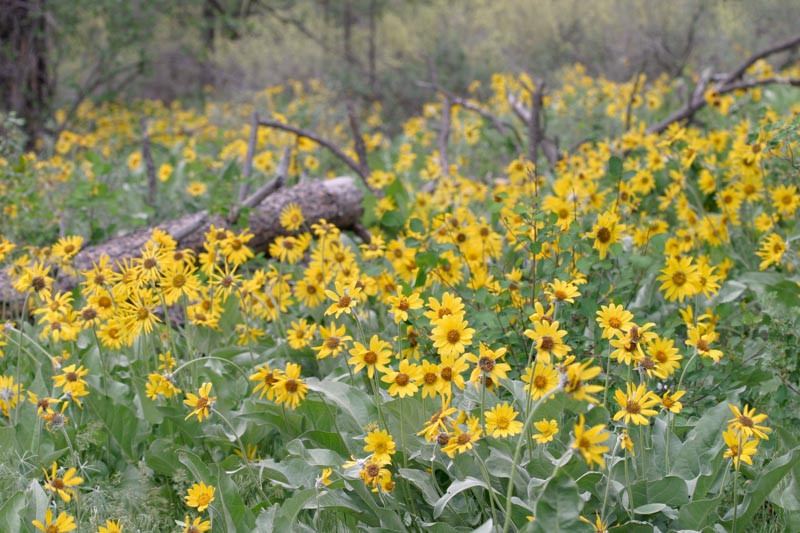
Once you know your Wyoming planting zone – and whether you garden in a windy Cheyenne backyard, a Casper or Riverton basin lot, a northern plains yard near Sheridan or Gillette, or a short-season mountain town like Jackson – you can work with your climate instead of against it. Focus on plants that tolerate cold winters, strong sun, wind, and relatively dry summers. Choose perennials rated for zones 3–6, and time annual plantings carefully around your frost dates and summer heat.
Intermountain West and regional native plants are adapted to local soils, cold winters, and summer drought – and they feed pollinators, birds, and beneficial insects. Mix native wildflowers, shrubs, trees, and bunchgrasses for a resilient, habitat-rich Wyoming landscape.
Tap a month to see what to plant in Wyoming by zone. Use this as a starting point, then adjust for your exact frost dates, elevation, and whether you garden in the southeast plains, central basins, northern plains, or western mountains and valleys.
Wyoming gardeners juggle cold winters, short growing seasons, intense sun, strong winds, and a wide spread of hardiness zones and microclimates. These tips help plants thrive from zones 3b to 6a:
While USDA hardiness zones (roughly 3b–6a in Wyoming on the 2023 map) tell you how cold it gets in winter, they don’t capture summer heat, wind, humidity, or the length and timing of your growing season. For Western gardeners, the Sunset climate zones are often more precise, factoring in elevation, continental vs. marine influence, and seasonal rainfall patterns. Wyoming primarily falls within Sunset Climate Zone 1, with cold winters, short growing seasons, and big temperature swings. Using both USDA and Sunset maps gives the clearest picture of what will thrive in your yard.
Now that you understand your Wyoming planting zone, frost dates, and regional climate, you’re ready to choose plants that match your conditions and build a thriving plains, basin, or mountain garden. Blend edible crops, flowering perennials, conifers, and native plants for a landscape that feeds both your household and local wildlife. Curious how Wyoming compares to other regions? Visit our national USDA planting zone guide to explore growing zones across the United States.
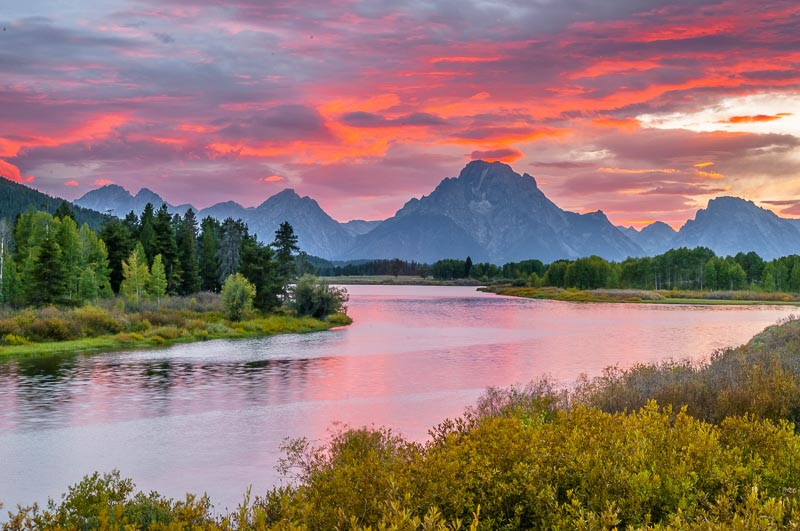
On the 2023 USDA Plant Hardiness Zone Map, Wyoming runs roughly from zone 3b in the coldest mountain valleys to about zone 6a in the mildest basins and plains. Most home gardens are in zones 4a–5b, with a few slightly warmer pockets around sheltered cities and low-elevation sites.
Wyoming combines high elevation, cold winters, strong winds, intense sun, and relatively low rainfall. That means short growing seasons and frequent late spring or early fall frosts. Success comes from knowing your exact zone and frost dates, improving soil, blocking wind, using mulch and drip irrigation, and choosing cold-hardy, short-season varieties.
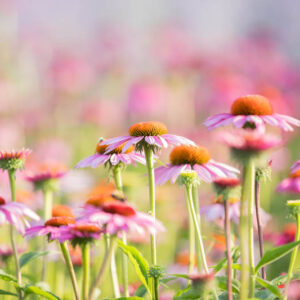
Cool-season vegetables like lettuce, spinach, peas, broccoli, and root crops perform very well in most of Wyoming. Hardy fruits such as apples, pears, tart cherries, and small fruits like raspberries and strawberries can thrive in many zones. For ornamentals, native grasses, penstemons, coneflowers, yarrow, and drought-tolerant shrubs are among the most reliable choices.
In much of Wyoming, tomatoes go outside only after the last expected spring frost and once nights consistently stay above about 45–50°F. That’s usually late May to early June in basins and eastern plains, and sometimes mid-June or later in high valleys. Most gardeners start tomatoes indoors 6–8 weeks earlier and use protection such as walls-of-water, row covers, or tunnels.
Cold-hardy apples and crabapples, pears, hardy tart cherries, and some plums are the most dependable fruit trees across zones 3–5. In milder basins and sheltered urban microclimates, carefully selected peaches, apricots, and grapes can also succeed. Choosing varieties rated at least one zone hardier than your location improves long-term survival.
Use the USDA Plant Hardiness Zone Map’s ZIP-code lookup, then compare that result with a local frost-date tool and your own experience. Note whether your garden sits on a slope, in a low frost pocket, near buildings, or in open windy exposure, and adjust your plant choices as if you were about a half-zone warmer or colder when necessary.
Season extension is critical. Start seeds indoors, use cold frames, low tunnels, or small greenhouses, and rely on row covers to protect crops from late and early frosts. Raised beds warm faster in spring, black mulch boosts soil temperature, and choosing early-maturing varieties ensures harvests before hard freezes return.
Most edible gardens in Wyoming need regular irrigation from late spring through early fall because natural rainfall is limited. Deep, infrequent watering with drip lines or soaker hoses encourages strong roots and reduces evaporation. Mulch 2–4 inches deep around plants, group high-water crops together, and fill the rest of the landscape with drought-tolerant natives and adapted ornamentals to keep total water use manageable.
Data sources: 2023 USDA Plant Hardiness Zone Map (1991–2020 normals), NOAA frost-date climatology, Sunset climate zone coverage for California and the wider West.
Updated: December 2025 • Reviewed by Gardenia Editors
| Hardiness |
3 - 6 |
|---|---|
| Climate Zones | 1A, 1B |
| Native Plants | United States, Rocky Mountains, Wyoming |
| Hardiness |
3 - 6 |
|---|---|
| Climate Zones | 1A, 1B |
| Native Plants | United States, Rocky Mountains, Wyoming |
Create a membership account to save your garden designs and to view them on any device.
Becoming a contributing member of Gardenia is easy and can be done in just a few minutes. If you provide us with your name, email address and the payment of a modest $25 annual membership fee, you will become a full member, enabling you to design and save up to 25 of your garden design ideas.
Join now and start creating your dream garden!
Create a membership account to save your garden designs and to view them on any device.
Becoming a contributing member of Gardenia is easy and can be done in just a few minutes. If you provide us with your name, email address and the payment of a modest $25 annual membership fee, you will become a full member, enabling you to design and save up to 25 of your garden design ideas.
Join now and start creating your dream garden!