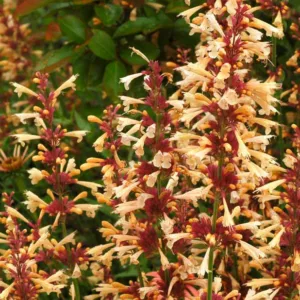
Purple Giant Hyssop, Giant Hyssop, Prairie Hyssop, Figwort Giant Hyssop
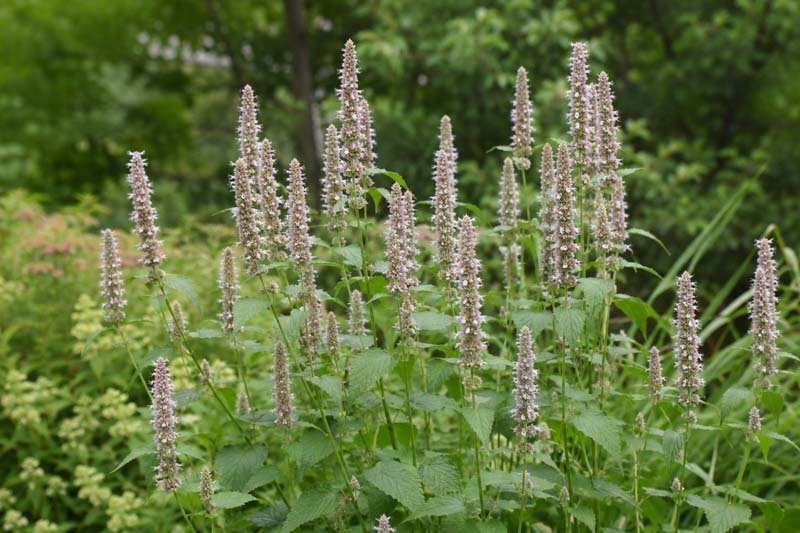


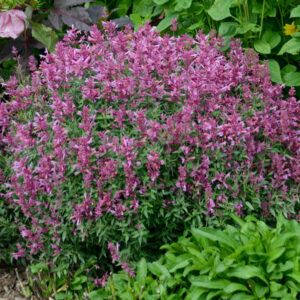
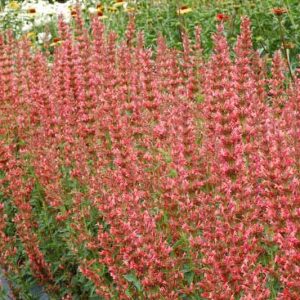
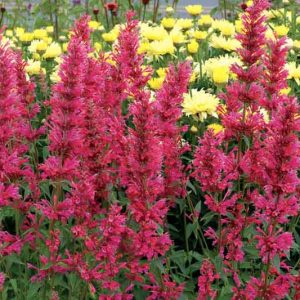
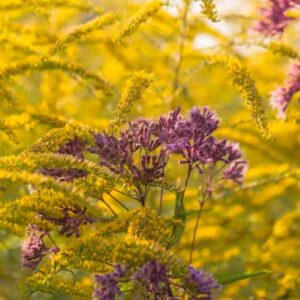
Agastache scrophulariifolia, commonly known as Purple Giant Hyssop or Figwort Giant Hyssop, is a tall, aromatic native perennial with purple-lavender flower spikes, mint-family foliage, and outstanding wildlife value. It is a superb native pollinator plant for gardeners who want height, movement, and late-season nectar without a fussy care routine.
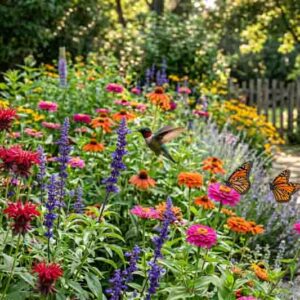
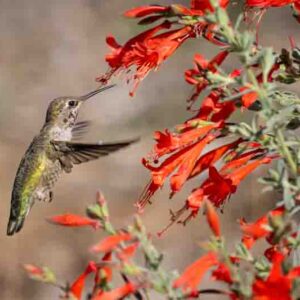
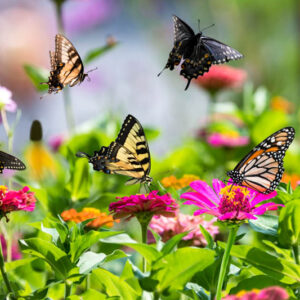
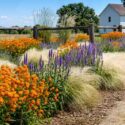
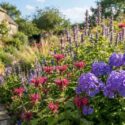
This bold native hyssop is best used in the middle or back of borders, pollinator gardens, cottage gardens, meadow plantings, and bright woodland edges. Its upright stems bring drama, while its flowers attract bees, bumblebees, butterflies, and hummingbirds. If you are looking for a bee garden plant, butterfly garden plant, or tall late summer perennial, Purple Giant Hyssop earns its place quickly.
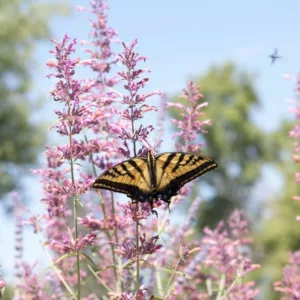
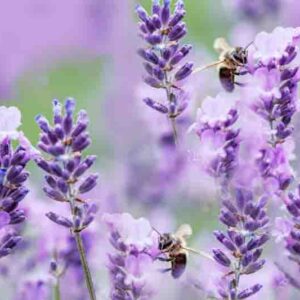
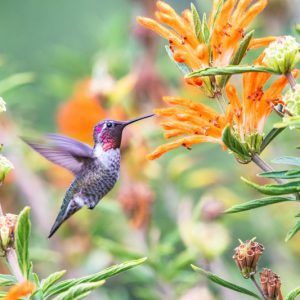
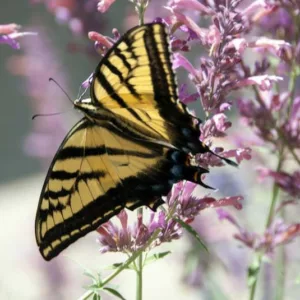
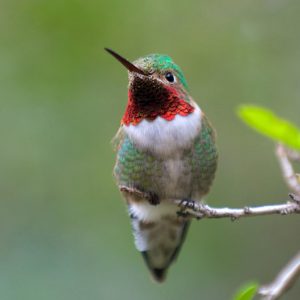
Garden spotlight: Plant Purple Giant Hyssop where you can watch the flower spikes closely. On warm days, the blooms can become a living tower of native bees, butterflies, and hummingbirds.
Use: Native perennial, pollinator plant, hummingbird plant, cottage garden perennial, meadow plant, woodland edge wildflower, and late-summer border accent.
Highlight: Tall purple flower spikes bloom from midsummer into fall and provide nectar for many beneficial insects.
Design note: Best in naturalistic drifts, mixed native borders, pollinator gardens, and tall meadow-style plantings.
| Botanical Name | Agastache scrophulariifolia |
|---|---|
| Family | Lamiaceae |
| Common Names | Purple Giant Hyssop, Figwort Giant Hyssop, Giant Hyssop |
| Native Range | Eastern and central North America, including parts of Canada and the United States |
| Plant Type | Herbaceous perennial wildflower |
| Hardiness | USDA Zones 3-8 |
| Height | Usually 3-6 ft. tall |
| Spread | About 18-24 in. wide, with possible self-sowing where happy |
| Sun Exposure | Full sun to partial sun |
| Soil | Average, loamy, sandy loam, or clay loam soil with good drainage |
| Moisture | Best in moist to moderately moist soil; tolerates brief dry spells once established |
| Bloom Time | July to October |
| Attracts | Native bees, bumblebees, butterflies, moths, wasps, beetles, hummingbirds, and seed-eating birds |
Agastache scrophulariifolia is a tall perennial wildflower in the mint family. Like many members of Lamiaceae, it has square stems, opposite leaves, aromatic foliage, and tubular flowers arranged in showy spikes. The plant has an upright, open habit that adds structure without looking stiff.
The name Figwort Giant Hyssop refers to the figwort-like leaves, while Purple Giant Hyssop describes the garden effect: tall purple flower spikes rising above summer perennials. It is related to Agastache foeniculum, but it is generally taller, looser, and more suited to moist native plantings and woodland edges.
Purple Giant Hyssop is native to eastern and central North America. It occurs in open woods, woodland borders, thickets, meadows, savannas, clearings, and moist edges where it receives enough light to bloom but enough moisture to support tall growth.
In the United States, it is reported as native in Connecticut, Delaware, Georgia, Illinois, Indiana, Iowa, Kansas, Kentucky, Maryland, Massachusetts, Michigan, Minnesota, Missouri, Nebraska, New Hampshire, New Jersey, New York, North Carolina, Ohio, Pennsylvania, South Carolina, South Dakota, Tennessee, Texas, Vermont, Virginia, West Virginia, and Wisconsin.
Purple Giant Hyssop usually grows 3-6 feet tall, depending on soil, moisture, light, and competition. In rich, moist, open sites, it can become impressively tall; in drier or shadier gardens, it may stay shorter and bloom less heavily.
The small tubular flowers are purple to lavender and bloom from midsummer into fall. This long bloom period makes it a valuable late summer perennial, especially when bees and butterflies are still actively searching for nectar.
Design magic: Use Purple Giant Hyssop as a vertical accent. Its tall spikes lift the eye and make lower perennials look fuller and more layered.
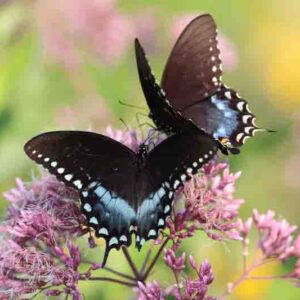
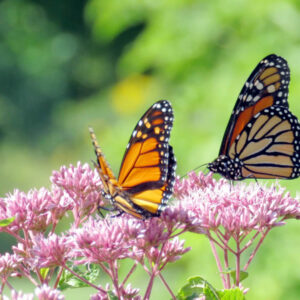
Purple Giant Hyssop is a high-value native pollinator plant. Its nectar-rich flowers attract long-tongued bees, bumblebees, butterflies, moths, wasps, beetles, and hummingbirds. It is especially useful in habitat gardens as a bee garden plant, butterfly garden plant, and tall nectar source for the late growing season.
After flowering, seedheads add texture and may help support seed-eating birds. If stems are left standing through winter, they also provide seasonal structure and habitat for beneficial insects.
Purple Giant Hyssop is best treated as a moist soil native perennial, not a xeric plant. It performs best in moist to moderately moist, well-drained soil and may decline during prolonged heat and drought. Established plants can handle brief dry spells, but flowering and vigor are better with consistent moisture.
Aromatic mint-family foliage may make Purple Giant Hyssop less appealing to deer and rabbits than many softer perennials. It can be a useful deer-resistant perennial, especially once established, though no plant is completely deer-proof.
Purple Giant Hyssop is not commonly listed as a toxic ornamental plant. Still, it should not automatically be used as a culinary substitute for anise hyssop unless correctly identified and used with appropriate caution. Keep pets and children from grazing on treated garden plants.
Within its native range, Agastache scrophulariifolia is a native wildflower rather than an invasive exotic. It may self-sow and can form small colonies in moist, favorable sites. Remove unwanted seedlings while small, and use nursery-propagated plants or responsibly sourced seed where the species is uncommon.
Purple Giant Hyssop care is simple when the plant is placed correctly. The best Agastache scrophulariifolia growing conditions are full sun to partial sun, moist to moderately moist soil, moderate fertility, and enough space for tall stems and airflow.
Full sun produces the strongest flowering and most upright growth. Partial sun is also suitable, especially in hot climates or bright woodland-edge plantings. Too much shade can reduce bloom and cause leaning.
Grow Purple Giant Hyssop in average garden soil, loam, sandy loam, or clay loam with good drainage. It appreciates moisture-retentive soil but does not want stagnant, waterlogged conditions.
Water regularly during the first growing season. Once established, keep plants evenly moist during long dry periods, especially in hot weather or sandy soil.
Heavy feeding is unnecessary. Rich soil and high nitrogen can produce soft, floppy stems. A light compost topdressing in spring is usually enough.
Use a light organic mulch to conserve soil moisture and reduce weeds. Keep mulch away from the crown so the base remains open and airy.
Care tip: If plants grow too tall, pinch or cut them back by one-third in late spring. This encourages branching and can create a fuller display.
Leave stems standing into winter for seed, structure, and habitat, then cut them back in late winter or early spring before new growth begins. Deadheading is optional. Remove spent spikes if you want fewer seedlings, or leave some if you want a more naturalized pollinator patch.
Plant in spring or early fall, spacing plants 18-24 inches apart for a full drift or 24-30 inches apart in mixed borders. Purple Giant Hyssop can be propagated by seed or division. Seeds often benefit from cold, moist stratification, while mature clumps can be divided in spring if needed.
Flopping is usually caused by too much shade, excessive fertility, high nitrogen, or crowding. More sun, leaner feeding, and better spacing usually solve the problem.
Poor bloom may result from shade, drought stress, young plants, or overcrowding. Give the plant light, moisture, and time to mature.
Good air circulation helps reduce foliar disease. Avoid crowding, limit overhead watering, and remove badly affected foliage if needed.
Seedlings may appear in open soil. Keep the strongest ones, transplant extras, or pull unwanted seedlings while small.
Choose companions with overlapping hardiness, light, soil, and moisture needs. These Gardenia.net plants pair well with Purple Giant Hyssop in native, naturalistic, and pollinator-focused designs.
| Companion Plant | Why It Works | Best Conditions |
|---|---|---|
| Agastache foeniculum | Adds lavender-blue spikes, fragrance, and more pollinator activity. | Zones 4-8, full sun to partial sun, well-drained soil, low to average water. |
| Monarda fistulosa | Echoes the mint-family character with lavender blooms loved by bees and hummingbirds. | Zones 3-9, full sun to partial shade, dry to medium moisture, well-drained soil. |
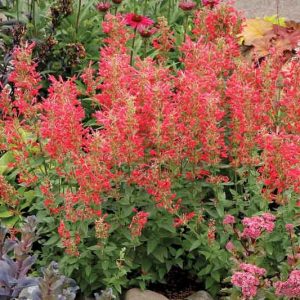
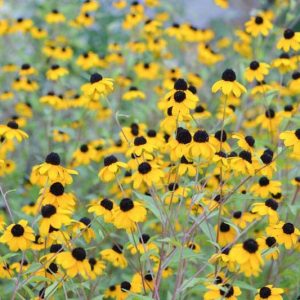
| Echinacea purpurea | Provides bold daisy flowers below the tall hyssop spikes. | Zones 3-9, full sun to partial sun, average well-drained soil, average to dry moisture. |
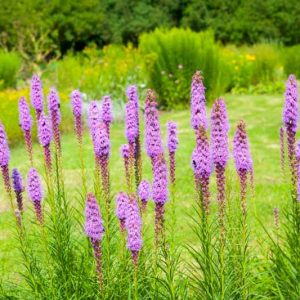
| Liatris spicata | Repeats the vertical form with dense purple wands and butterfly appeal. | Zones 3-9, full sun, moist but well-drained soil, average moisture. |
| Symphyotrichum novae-angliae | Adds rich fall color and late-season nectar as hyssop flowers mature. | Zones 4-8, full sun, average to medium moisture, well-drained soil. |
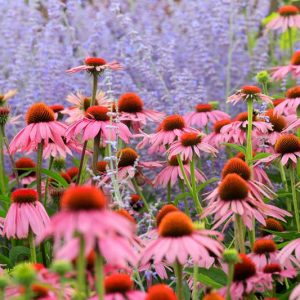
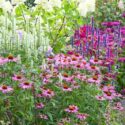
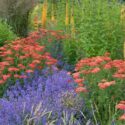
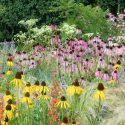
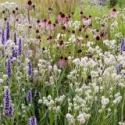
For a pollinator border, plant Purple Giant Hyssop behind purple coneflower, wild bergamot, and blazing star. Add New England aster for a colorful late-season finish.
For a woodland edge wildflower effect, grow it in partial sun with moisture-retentive soil and other native perennials. For a meadow border, repeat it in groups of three to five so the tall purple spikes look intentional, not isolated.
Best look: One plant is interesting; a small colony becomes a pollinator landmark.
| Plant | Best Feature | Key Difference |
|---|---|---|
| Agastache scrophulariifolia – Purple Giant Hyssop | Tall purple spikes and outstanding late-season pollinator value | Taller, wilder, and more woodland-edge tolerant than many garden agastaches |
| Agastache foeniculum – Anise Hyssop | Licorice-scented foliage and long lavender bloom | More compact, more strongly aromatic, and better known as an edible herb |
| Monarda fistulosa – Wild Bergamot | Rounded lavender flower heads for bees and hummingbirds | Shorter, more spreading, and more colony-forming |
Agastache scrophulariifolia, commonly called Purple Giant Hyssop or Figwort Giant Hyssop, is a tall native perennial in the mint family grown for purple flower spikes, aromatic foliage, and exceptional pollinator value.
Yes. Agastache scrophulariifolia is native to eastern and central North America, including parts of Canada and the United States, where it grows in open woods, woodland edges, thickets, meadows, and clearings.
Purple Giant Hyssop usually grows 3 to 6 feet tall. Plants are often tallest in moist, fertile, sunny sites and may be shorter in drier soil or partial shade.
The best Agastache scrophulariifolia growing conditions are full sun to partial sun, moist to moderately moist well-drained soil, moderate fertility, and enough space for tall stems and good air circulation.
Yes. Purple Giant Hyssop is an excellent native pollinator plant. Its tubular purple flowers attract native bees, bumblebees, butterflies, moths, beetles, wasps, and hummingbirds.
Purple Giant Hyssop is often useful as a deer resistant perennial because its aromatic mint-family foliage may be less appealing than softer plants. However, deer-resistant does not mean deer-proof, especially where browsing pressure is heavy.
Purple Giant Hyssop may self-sow and can form small colonies where soil is moist, open, and favorable. It is not usually aggressive in gardens, and unwanted seedlings can be removed while small.
Cut back Agastache scrophulariifolia in late winter or early spring before new growth begins. You can also pinch plants in late spring to encourage bushier growth and reduce height.
Lady Bird Johnson Wildflower Center – Agastache scrophulariifolia
USDA PLANTS Database – Agastache scrophulariifolia
USDA NRCS – Purple Giant Hyssop Plant Guide
USDA NRCS – Purple Giant Hyssop Fact Sheet
Illinois Wildflowers – Flower-Visiting Insects of Purple Giant Hyssop
Updated: June 2026 – Reviewed by Gardenia Editors
| Hardiness |
3 - 8 |
|---|---|
| Plant Type | Perennials |
| Plant Family | Lamiaceae |
| Genus | Agastache |
| Common names | Hyssop |
| Exposure | Full Sun, Partial Sun |
| Season of Interest | Summer (Mid, Late), Fall |
| Height | 3' - 6' (90cm - 180cm) |
| Spread | 1' - 2' (30cm - 60cm) |
| Spacing | 18" - 24" (50cm - 60cm) |
| Maintenance | Low |
| Water Needs | Average |
| Soil Type | Loam, Sand |
| Soil pH | Acid, Alkaline, Neutral |
| Soil Drainage | Moist but Well-Drained |
| Characteristics | Cut Flowers, Fragrant, Showy |
| Native Plants | United States, Connecticut, Delaware, Massachusetts, Maryland, New Hampshire, New Jersey, New York, Pennsylvania, Vermont, Northeast, Midwest, Southeast, Southwest, Illinois, Indiana, Iowa, Kansas, Michigan, Minnesota, Missouri, Nebraska, Ohio, South Dakota, Wisconsin, Georgia, Kentucky, North Carolina, South Carolina, Tennessee, Virginia, West Virginia, Texas |
| Tolerances | Deer, Rabbit, Heat |
| Attracts | Bees, Butterflies, Hummingbirds, Birds |
| Garden Uses | Beds And Borders |
| Garden Styles | Butterfly Garden, Informal and Cottage, Pollinator Garden, Prairie and Meadow, Woodland Garden |
| Toxic to Humans | No known toxicity |
| Toxic to Cats | No known toxicity |
| Toxic to Dogs | No known toxicity |
| Toxic to Horses | No known toxicity |


| Hardiness |
3 - 8 |
|---|---|
| Plant Type | Perennials |
| Plant Family | Lamiaceae |
| Genus | Agastache |
| Common names | Hyssop |
| Exposure | Full Sun, Partial Sun |
| Season of Interest | Summer (Mid, Late), Fall |
| Height | 3' - 6' (90cm - 180cm) |
| Spread | 1' - 2' (30cm - 60cm) |
| Spacing | 18" - 24" (50cm - 60cm) |
| Maintenance | Low |
| Water Needs | Average |
| Soil Type | Loam, Sand |
| Soil pH | Acid, Alkaline, Neutral |
| Soil Drainage | Moist but Well-Drained |
| Characteristics | Cut Flowers, Fragrant, Showy |
| Native Plants | United States, Connecticut, Delaware, Massachusetts, Maryland, New Hampshire, New Jersey, New York, Pennsylvania, Vermont, Northeast, Midwest, Southeast, Southwest, Illinois, Indiana, Iowa, Kansas, Michigan, Minnesota, Missouri, Nebraska, Ohio, South Dakota, Wisconsin, Georgia, Kentucky, North Carolina, South Carolina, Tennessee, Virginia, West Virginia, Texas |
| Tolerances | Deer, Rabbit, Heat |
| Attracts | Bees, Butterflies, Hummingbirds, Birds |
| Garden Uses | Beds And Borders |
| Garden Styles | Butterfly Garden, Informal and Cottage, Pollinator Garden, Prairie and Meadow, Woodland Garden |
| Toxic to Humans | No known toxicity |
| Toxic to Cats | No known toxicity |
| Toxic to Dogs | No known toxicity |
| Toxic to Horses | No known toxicity |
How many Agastache scrophulariifolia (Purple Giant Hyssop) do I need for my garden?
| Plant | Quantity | |
|---|---|---|
| Agastache scrophulariifolia (Purple Giant Hyssop) | N/A | Buy Plants |
Create a membership account to save your garden designs and to view them on any device.
Becoming a contributing member of Gardenia is easy and can be done in just a few minutes. If you provide us with your name, email address and the payment of a modest $25 annual membership fee, you will become a full member, enabling you to design and save up to 25 of your garden design ideas.
Join now and start creating your dream garden!
Create a membership account to save your garden designs and to view them on any device.
Becoming a contributing member of Gardenia is easy and can be done in just a few minutes. If you provide us with your name, email address and the payment of a modest $25 annual membership fee, you will become a full member, enabling you to design and save up to 25 of your garden design ideas.
Join now and start creating your dream garden!