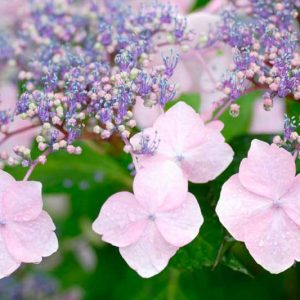
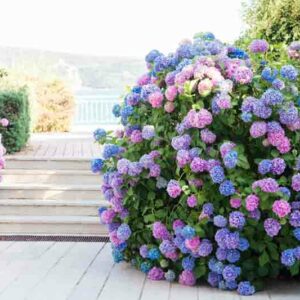
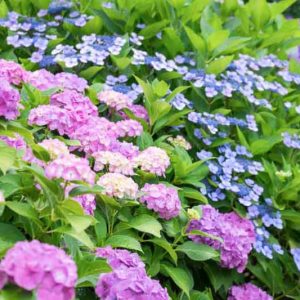
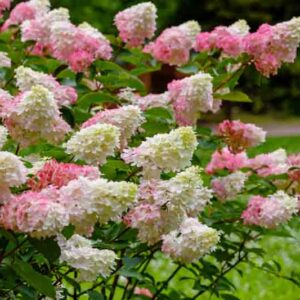
Centennial Ruby Hydrangea, Centennial Ruby Hydrangea Macrophylla, Centennial Ruby Mophead Hydrangea, Hydrangea macrophylla ‘Hokocentennial’
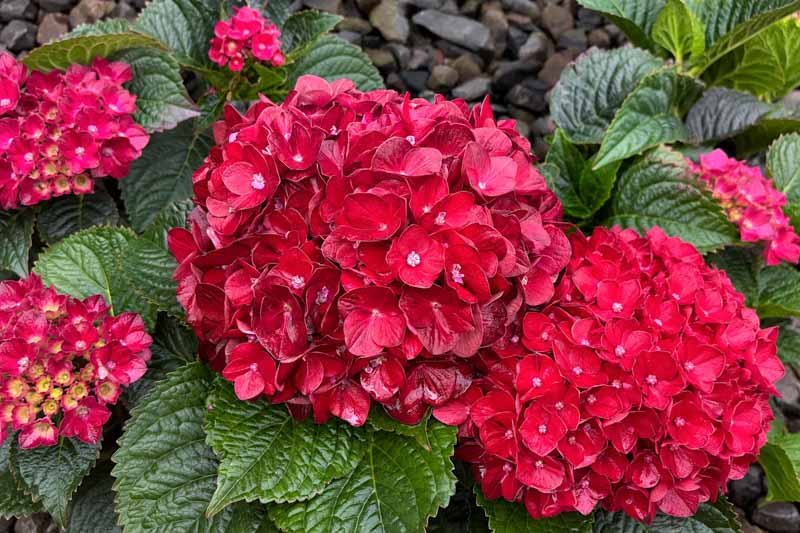
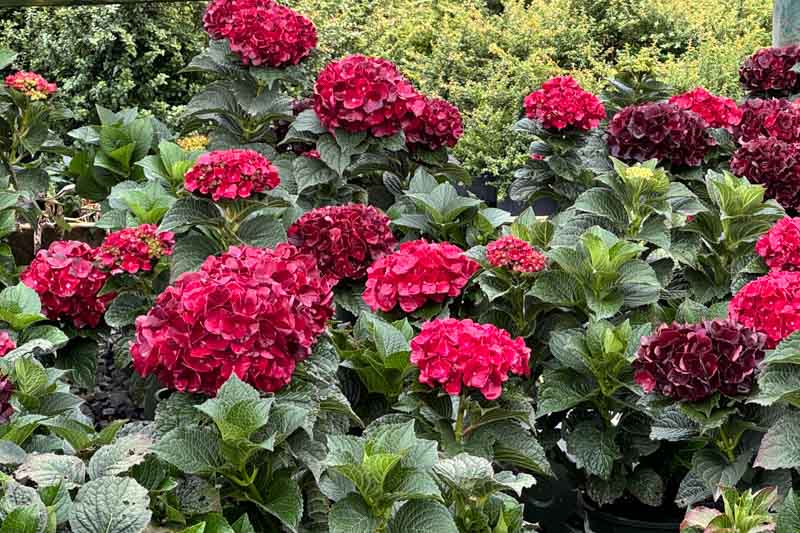
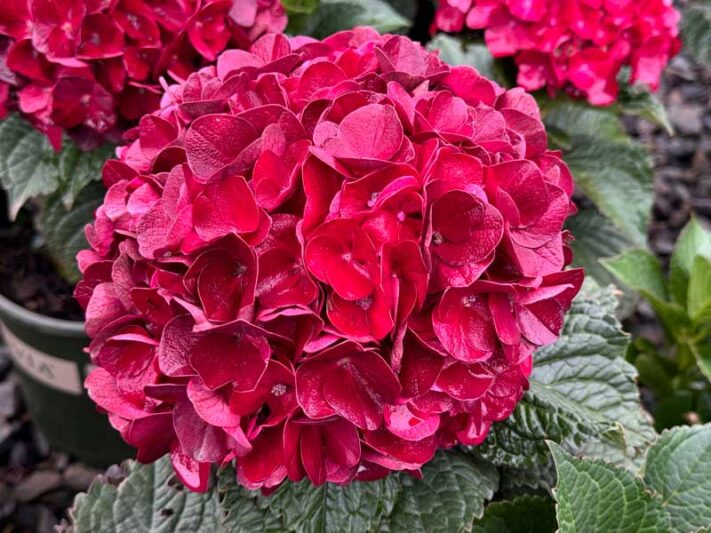


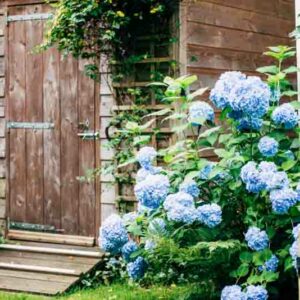
Hydrangea macrophylla Centennial Ruby™, commonly called Centennial Ruby hydrangea, is a compact bigleaf hydrangea celebrated for its rich ruby-red mophead flowers, sturdy stems, glossy green foliage, and long-lasting summer color. Released by Monrovia to celebrate its 100th anniversary, this petite shrub is designed for borders, containers, patios, foundation plantings, small gardens, and high-impact seasonal color.
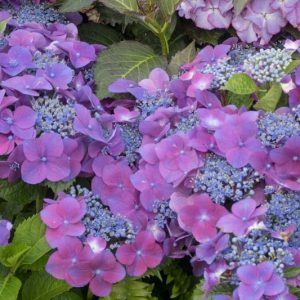
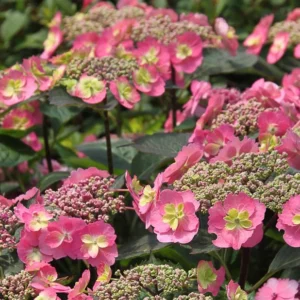
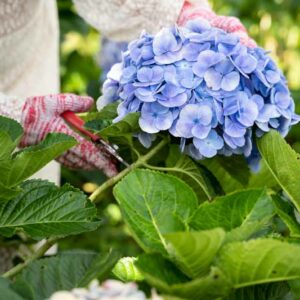
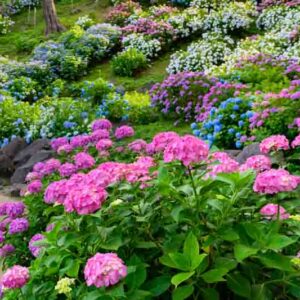
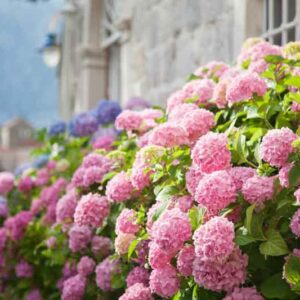
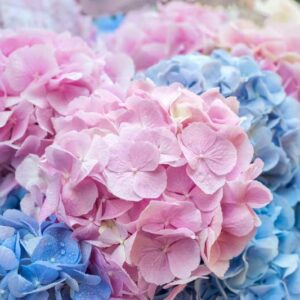
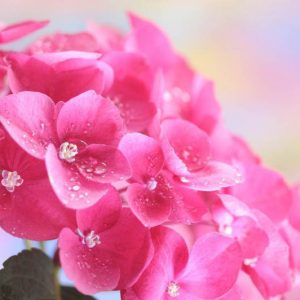
The flower clusters emerge with green tones, mature to saturated ruby red, and deepen as they age, sometimes taking on very dark red or wine-colored tones. Unlike many bigleaf hydrangeas that lean pastel, Centennial Ruby™ brings a bolder, jewel-toned look to the garden. Its compact 3 ft. size makes it easy to place near entries, walkways, outdoor seating, and containers where the flowers can be enjoyed up close.
Like other bigleaf hydrangeas, this shrub performs best with morning sun, afternoon shade in hot climates, moist well-drained soil, and protection from drought stress. Centennial Ruby™ is promoted for its naturally deep red color, so avoid acidifying treatments used to turn hydrangeas blue if you want to preserve the ruby-red effect.
Summary: Compact deciduous bigleaf hydrangea shrub with long-lasting ruby-red mophead flowers, sturdy stems, and glossy green foliage.
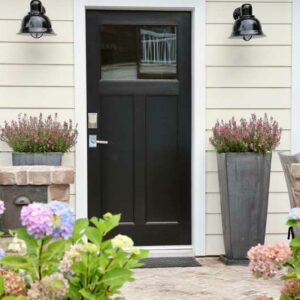
Use: Excellent for containers, patios, front borders, foundation plantings, small gardens, mixed shrub borders, and colorful entry plantings.
Highlight: Saturated ruby-red flowers on a compact 3 ft. plant, released to celebrate Monrovia’s 100th anniversary.
Note: Best in moist, well-drained soil with morning sun and afternoon shade in warm climates.
| Botanical Name | Hydrangea macrophylla Centennial Ruby™; listed as Hydrangea macrophylla ‘Hokocentennial’ PPAF |
|---|---|
| Family | Hydrangeaceae |
| Common Names | Centennial Ruby hydrangea, Centennial Ruby bigleaf hydrangea, mophead hydrangea, bigleaf hydrangea |
| Native Range | A cultivated selection of Hydrangea macrophylla, a species native to Japan and nearby parts of eastern Asia. |
| Plant Type and Habit | Deciduous shrub; compact, rounded, bushy bigleaf hydrangea with sturdy stems |
| Hardiness (USDA) | Often listed for USDA Zones 4 to 9 by Monrovia and Zones 5 to 9 by Plants Nouveau; Zones 5 to 9 are the more conservative range for reliable bigleaf hydrangea performance. |
| Size | Reaches about 3 ft. tall and 3 ft. wide at maturity. |
| Sun and Exposure | Full sun to part shade in cooler regions; morning sun and afternoon shade are best farther south or in hot climates. |
| Soil | Average to rich, moist, well-drained garden soil; avoid droughty, compacted, or waterlogged sites. |
| Water Needs | Average to high moisture; keep evenly moist, especially in containers and during hot weather. |
| Bloom Time | Summer; long-lasting flower clusters may remain attractive for many weeks. |
| Flower Color | Rich ruby red to deep red, sometimes darkening with age; promoted for strong red tones rather than blue-shifting color. |
| Foliage Color | Glossy green, broad, serrated bigleaf hydrangea foliage. |
| Pollinator Value | Mophead hydrangeas are grown mainly for showy sterile florets; pollinator value is lower than lacecap hydrangeas but the shrub adds cover and seasonal habitat structure. |
| Deer Resistance | Not deer resistant. Deer may browse leaves, stems, and flower buds. |
| Best Uses | Containers, patios, front borders, foundation plantings, small gardens, colorful shrub borders, entry plantings, cut flowers, and low informal hedges. |
Centennial Ruby™ is a compact bigleaf hydrangea selected for jewel-toned red flowers, a sturdy rounded habit, and strong container and border performance. It belongs to the mophead group of bigleaf hydrangeas, producing rounded clusters packed with large showy florets.
The flowers emerge with green tones, mature to deep ruby red, and remain attractive for a long period. Monrovia promotes the flower display as lasting up to 130 days on the plant, making this cultivar especially useful where long-lasting seasonal color is important. The compact habit keeps the plant manageable in tight spaces.
Centennial Ruby™ is a cultivated selection, not a wild species. Its species, Hydrangea macrophylla, is native to Japan and nearby parts of eastern Asia. In gardens, bigleaf hydrangeas are valued for their large leaves, rounded shrub form, and summer flowers in shades of pink, red, purple, blue, and white.
This hydrangea forms a compact, rounded deciduous shrub that typically reaches about 3 feet tall and wide. It is smaller than many traditional bigleaf hydrangeas, which makes it practical for foundation corners, front borders, containers, patios, and urban gardens.
The flowers are the main attraction. Centennial Ruby™ produces rounded mophead clusters that mature to a rich ruby red. The blooms are waxy, durable, and long-lasting, often deepening as they age. Plants Nouveau describes it as one of the darkest red mophead hydrangeas on the market, with tough red flower balls that remain on the plant for months.
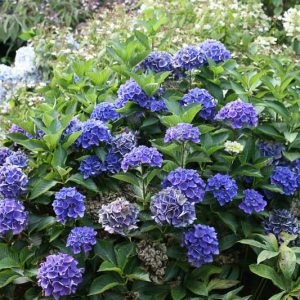
For the richest red display, avoid strong acidifying products used to turn hydrangeas blue. Centennial Ruby™ is promoted for holding strong red tones, but final flower depth can still vary with weather, heat, light, plant maturity, and general soil conditions.
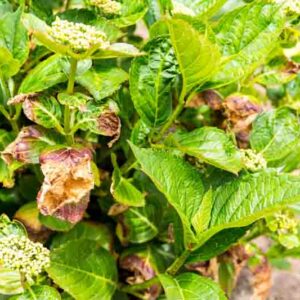
The foliage is broad, glossy green, and serrated, creating the lush look associated with bigleaf hydrangeas. The leaves provide a handsome backdrop for the dark red flowers and help the shrub feel full even when it is not at peak bloom. In hot sun or dry soil, leaves may wilt or scorch, so moisture management is important.
Centennial Ruby™ is listed for USDA Zones 4 to 9 by Monrovia and Zones 5 to 9 by Plants Nouveau. For reliable garden performance and flowering, Zones 5 to 9 are the more conservative range. In colder gardens, protect young plants from winter wind and late spring freezes, since bigleaf hydrangea flower buds can be damaged by cold. In hot climates, afternoon shade and consistent moisture are essential.
Centennial Ruby™ is grown primarily for ornamental flower color. Because it is a mophead hydrangea with many showy sterile florets, it is generally less useful to bees, butterflies, and other beneficial insects than lacecap hydrangeas or native flowering shrubs. Still, it contributes leafy cover and seasonal structure in mixed plantings.
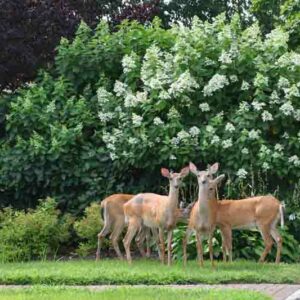
Bigleaf hydrangeas are not reliable choices for deer-heavy gardens. Deer may browse leaves, stems, and flower buds, especially in winter and spring. Protect young plants with fencing, cages, or repellents if deer pressure is high.
Centennial Ruby™ is not a drought-tolerant shrub. It needs consistent moisture to support large leaves and long-lasting blooms. Mulch well, water deeply during dry spells, and check containers frequently in hot weather. Afternoon wilting can happen in heat, but repeated severe wilting can reduce flowering and plant health.
Hydrangeas are considered toxic to dogs, cats, horses, and people if eaten. The plants contain cyanogenic glycosides and may cause vomiting, diarrhea, depression, or gastrointestinal upset. Cyanide poisoning is rare, but ingestion should still be taken seriously. Keep pets and children from chewing the leaves, flowers, or stems, and contact a veterinarian or poison control professional if ingestion is suspected.
Centennial Ruby™ hydrangea is not considered invasive. It is a compact cultivated shrub that stays within a manageable footprint. Give it enough room to reach its mature size, and avoid planting it in dry or exposed sites where it will struggle.
Bigleaf hydrangeas are deciduous shrubs prized for large leaves and showy mophead or lacecap flowers. Choose Centennial Ruby™ when you want a compact shrub with unusually saturated red flowers and long-lasting color.
Choose Centennial Ruby™ for intense red color and a small footprint. Choose reblooming blue or pink cultivars when soil-pH color play and repeat bloom are more important than deep ruby coloration.
Successful Centennial Ruby™ care comes down to moisture, afternoon shade in heat, rich well-drained soil, and careful pruning.
Centennial Ruby™ is listed as Hydrangea macrophylla ‘Hokocentennial’ PPAF, meaning propagation for sale or distribution is not permitted without authorization. Home gardeners should purchase plants from licensed nurseries. Bigleaf hydrangeas in general can root from softwood cuttings, but protected selections should not be propagated commercially without permission.
Centennial Ruby™ is promoted as sturdy and compact, but like other bigleaf hydrangeas, it can suffer when grown in too much sun, too little water, poor drainage, or insufficient winter protection.
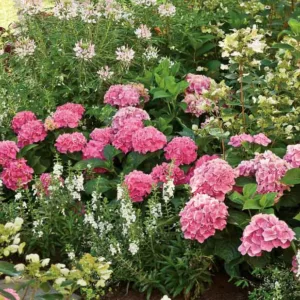
These companion plants suit Centennial Ruby™ because they prefer part sun to shade, moist well-drained soil, and the rich, layered look of hydrangea plantings. They also add foliage contrast, bloom sequence, and texture around the compact shrub.
Heuchera ‘Caramel’ – Coral bells add warm apricot foliage that contrasts beautifully with ruby-red hydrangea flowers. https://www.gardenia.net/plant/heuchera-caramel-coral-bells
Heuchera ‘Marmalade’ – This coral bells selection brings orange, amber, and bronze foliage that echoes the warmth of Centennial Ruby™ flowers. https://www.gardenia.net/plant/heuchera-marmalade-coral-bells
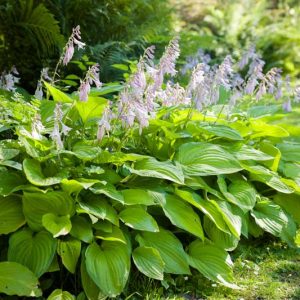
Hosta ‘Francee’ – Plantain lily adds cool green leaves with white margins, making a fresh foliage contrast beneath bigleaf hydrangeas. https://www.gardenia.net/plant/hosta-francee-plantain-lily
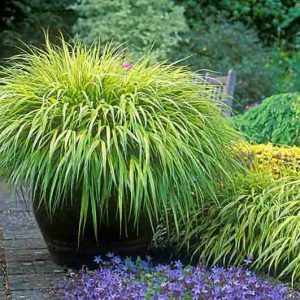
Hakonechloa macra ‘Aureola’ – Japanese forest grass softens the base of hydrangeas with cascading golden foliage. https://www.gardenia.net/plant/hakonechloa-macra-aureola-hakone-grass
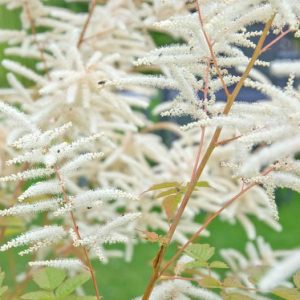
Astilbe ‘Bridal Veil’ – White astilbe plumes brighten part shade and provide a soft companion before or during hydrangea bloom. https://www.gardenia.net/plant/astilbe-bridal-veil-arendsii-hybrid
Brunnera macrophylla – Siberian bugloss adds heart-shaped leaves, airy spring blue flowers, and excellent shade-garden texture. https://www.gardenia.net/genus/brunnera-macrophylla-siberian-bugloss
Hydrangea macrophylla Endless Summer® The Original – A classic reblooming hydrangea with pink or blue mopheads that pairs well in hydrangea collections. https://www.gardenia.net/plant/hydrangea-macrophylla-endless-summer
Hydrangea macrophylla Summer Crush® – A compact raspberry-red to purple reblooming hydrangea that complements Centennial Ruby™ in small-space borders. https://www.gardenia.net/plant/hydrangea-macrophylla-endless-summer-summer-crush
Hydrangea macrophylla Centennial Ruby is a compact bigleaf hydrangea shrub with rich ruby-red mophead flowers, sturdy stems, and glossy green foliage. It was released by Monrovia to celebrate the company’s 100th anniversary.
Centennial Ruby hydrangea typically reaches about 3 feet tall and 3 feet wide, making it compact enough for containers, front borders, patios, foundation plantings, and small gardens.
Centennial Ruby hydrangea flowers mature to a rich ruby red and may deepen as they age. It is promoted for holding strong red tones, so avoid acidifying treatments used to turn hydrangeas blue.
Centennial Ruby grows best with morning sun and afternoon shade in warm climates. In cooler regions, it can tolerate more sun if the soil stays evenly moist. Deep shade may reduce flowering.
Yes. Centennial Ruby is compact, about 3 feet tall and wide, so it is well suited to large patio containers. Use a pot with drainage holes, keep the soil evenly moist, and protect the container in cold winters.
Centennial Ruby hydrangea blooms in summer. Its ruby-red mophead flower clusters are long-lasting and may remain attractive for many weeks as they deepen and age on the plant.
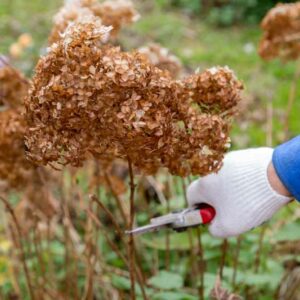
Prune Centennial Ruby only to remove dead wood or spent flowers. If shaping is needed, do it lightly after flowering. Avoid hard pruning from late summer through spring, which can reduce bloom.
No. Centennial Ruby hydrangea is not deer resistant. Deer may browse leaves, stems, and flower buds, especially in winter and spring. Protect plants in deer-heavy gardens.
Yes. Hydrangeas are considered toxic to dogs, cats, horses, and people if eaten. Keep pets and children from chewing leaves, flowers, or stems, and contact a veterinarian if ingestion is suspected.
No. Centennial Ruby hydrangea is not considered invasive. It is a compact cultivated shrub that stays around 3 feet tall and wide and does not spread aggressively by runners.
Monrovia – Centennial Ruby™ Hydrangea: https://www.monrovia.com/centennial-ruby-hydrangea.html
Plants Nouveau – Hydrangea macrophylla Centennial Ruby™: https://www.plantsnouveau.com/plants/shrubs/hydrangea-macrophylla-centennial-ruby
Gardenia – Hydrangea macrophylla: https://www.gardenia.net/genus/hydrangea-macrophylla
ASPCA – Hydrangea Toxicity: https://www.aspca.org/pet-care/aspca-poison-control/toxic-and-non-toxic-plants/hydrangea
Updated: June 2026 • Reviewed by Gardenia Editors
| Hardiness |
5 - 9 |
|---|---|
| Heat Zones |
6 - 9 |
| Climate Zones | 3, 3B, 4, 5, 6, 7, 8, 9, 14, 15, 16, 17, 18, 19, 20, 21, 22, 23, 24, H1 |
| Plant Type | Shrubs |
| Plant Family | Hydrangeaceae |
| Genus | Hydrangea |
| Common names | Bigleaf Hydrangea, Hydrangea |
| Exposure | Full Sun, Partial Sun |
| Season of Interest | Summer (Early, Mid, Late), Fall |
| Height | 2' - 3' (60cm - 90cm) |
| Spread | 2' - 3' (60cm - 90cm) |
| Spacing | 36" - 48" (90cm - 120cm) |
| Maintenance | Low |
| Water Needs | Average |
| Soil Type | Clay, Loam, Sand |
| Soil pH | Acid, Alkaline, Neutral |
| Soil Drainage | Moist but Well-Drained |
| Characteristics | Dried Arrangements, Cut Flowers, Showy |
| Tolerance | Clay Soil |
| Garden Uses | Beds And Borders, Hedges And Screens, Patio And Containers, Small Gardens |
| Garden Styles | City and Courtyard, Informal and Cottage, Traditional Garden, Woodland Garden |


| Hardiness |
5 - 9 |
|---|---|
| Heat Zones |
6 - 9 |
| Climate Zones | 3, 3B, 4, 5, 6, 7, 8, 9, 14, 15, 16, 17, 18, 19, 20, 21, 22, 23, 24, H1 |
| Plant Type | Shrubs |
| Plant Family | Hydrangeaceae |
| Genus | Hydrangea |
| Common names | Bigleaf Hydrangea, Hydrangea |
| Exposure | Full Sun, Partial Sun |
| Season of Interest | Summer (Early, Mid, Late), Fall |
| Height | 2' - 3' (60cm - 90cm) |
| Spread | 2' - 3' (60cm - 90cm) |
| Spacing | 36" - 48" (90cm - 120cm) |
| Maintenance | Low |
| Water Needs | Average |
| Soil Type | Clay, Loam, Sand |
| Soil pH | Acid, Alkaline, Neutral |
| Soil Drainage | Moist but Well-Drained |
| Characteristics | Dried Arrangements, Cut Flowers, Showy |
| Tolerance | Clay Soil |
| Garden Uses | Beds And Borders, Hedges And Screens, Patio And Containers, Small Gardens |
| Garden Styles | City and Courtyard, Informal and Cottage, Traditional Garden, Woodland Garden |
How many Hydrangea macrophylla Centennial Ruby (Bigleaf Hydrangea) do I need for my garden?
| Plant | Quantity | |
|---|---|---|
| Hydrangea macrophylla Centennial Ruby (Bigleaf Hydrangea) | N/A | Buy Plants |
Create a membership account to save your garden designs and to view them on any device.
Becoming a contributing member of Gardenia is easy and can be done in just a few minutes. If you provide us with your name, email address and the payment of a modest $25 annual membership fee, you will become a full member, enabling you to design and save up to 25 of your garden design ideas.
Join now and start creating your dream garden!
Create a membership account to save your garden designs and to view them on any device.
Becoming a contributing member of Gardenia is easy and can be done in just a few minutes. If you provide us with your name, email address and the payment of a modest $25 annual membership fee, you will become a full member, enabling you to design and save up to 25 of your garden design ideas.
Join now and start creating your dream garden!