Create Your Garden

Penstemon ‘Onyx and Pearls’ (Beardtongue)

Onyx and Pearls Beardtongue, Beardtongue 'Onyx and Pearls'
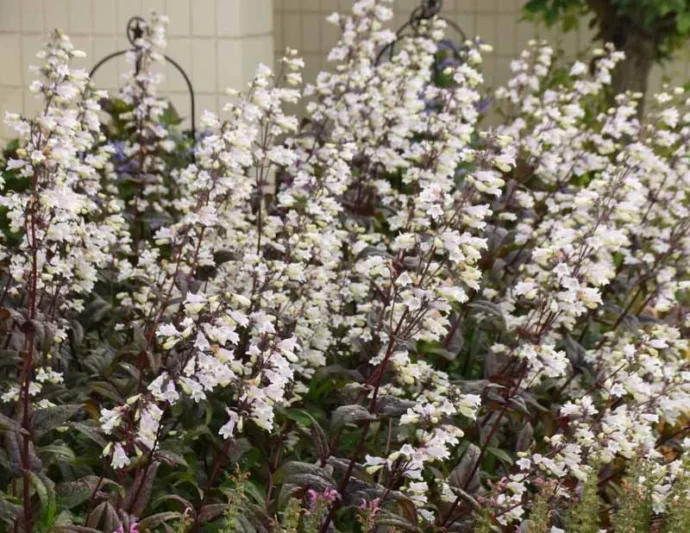
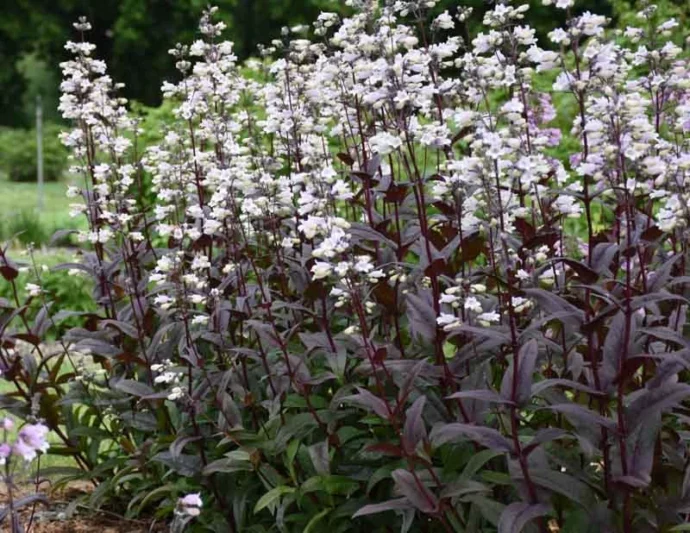
Penstemon 'Onyx and Pearls', Onyx and Pearls Beardtongue, Beardtongue 'Onyx and Pearls', White Penstemon, White Beardtongue, Black Penstemon, Black Beardtongue

Penstemon ‘Onyx and Pearls’: Striking Contrast, Pollinator Power, and Modern Drama for Every Border

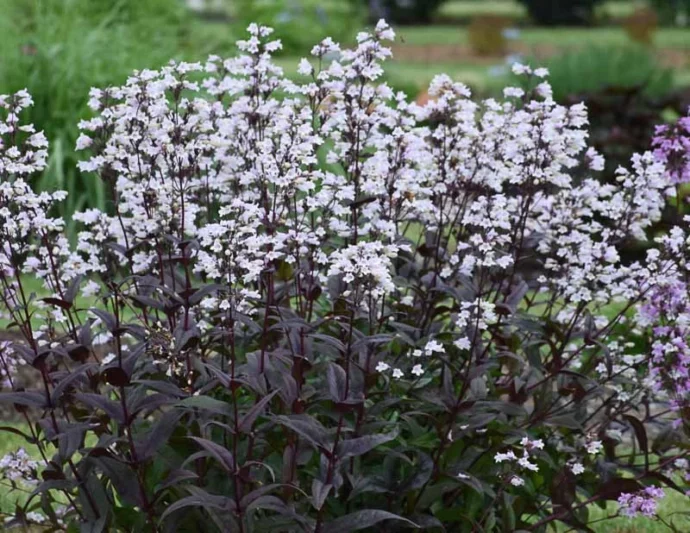
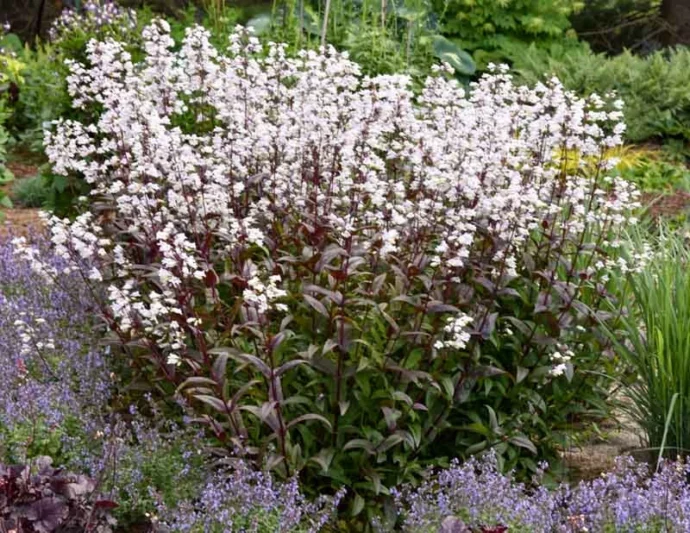
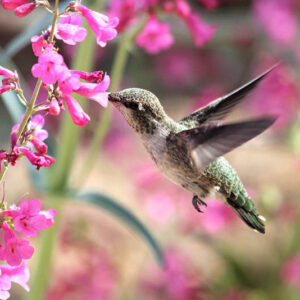
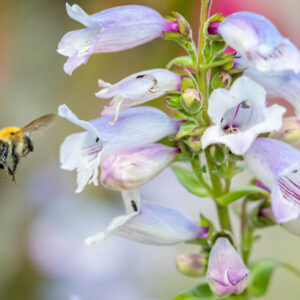
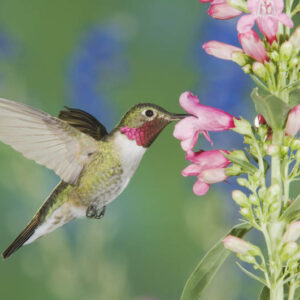
Imagine your garden in early summer: deep, near-black foliage rises up in bold clumps, and atop each sturdy stem floats a cloud of soft lavender-white blooms. Hummingbirds dart among the tubular flowers, while bees and butterflies join the feast. Every border, prairie patch, or curbside planting you edge with Penstemon ‘Onyx and Pearls’ has a look that stops passersby—a dramatic play of light and dark, toughness and sophistication, all in an easy-care native perennial.

History & Breeding

Selected from advanced seedlings of Penstemon digitalis ‘Pocahontas’, this recent Proven Winners® introduction was bred for showstopping, dark-chocolate foliage and a profusion of pale, lavender-to-white flowers. ‘Onyx and Pearls’ represents the new wave of Penstemons: sun-hardy, cold tolerant, and always in demand by pollinators. It was chosen for strong stems, improved branching, reliable rebloom, and show-garden flair. Like its wild American ancestors, it asks for little and gives a lot, thriving all season in the right spot.

Quick Facts: Penstemon ‘Onyx and Pearls’

Botanical Name Penstemon digitalis ‘Onyx and Pearls’ (PP32613)
Common Names Foxglove Beardtongue, Tall White Beardtongue
Plant Type Herbaceous perennial
Hardiness Zones USDA 3–8
Height & Spread 42 in. tall × 38–42 in. wide (105 × 95–105 cm)
Spacing 36–42 in. (90–105 cm)
Bloom Time Early to mid summer; sometimes repeat flowering
Flower Color Pale lavender to white, sometimes blushed rose; tubular-shaped
Foliage Color Deep purple-black (onyx shades) in full sun
Sun Requirements Full sun (at least 6 hours/day for best dark foliage)
Soil / pH Average, dry to medium; well-drained. pH 5.8–7, adapts to neutral/alkaline soils
Water Needs Low to average; drought tolerant once established
Wildlife Attracts hummingbirds, bees, butterflies; deer and rabbit resistant

Plant Type & Habit

  • Plant Type: Herbaceous perennial
  • Botanical Name: Penstemon digitalis ‘Onyx and Pearls’
  • Growth Habit: Upright, multi-stemmed, forms clumps with strong, bushy presence
  • Durability: Tolerates drought, heat, humidity, deer, rabbits, and clay soils—if well-drained

Size

Mature clumps reach 3–3.5 feet (90–106 cm) tall and fill out to 36–42 inches (90–107 cm) wide, offering a vertical accent with broad coverage.

Lifespan

A robust perennial in zones 3–8, returning for years with proper siting. Cut back dead stems in late winter to promote lush spring regrowth.

Flowers & Bloom Season

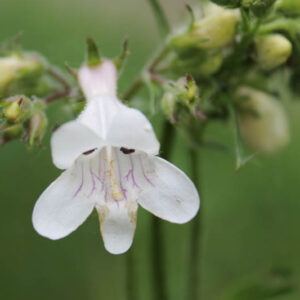
  • Flower Color: Spires of pale lavender, pink-blushed or nearly white tubular flowers, luminous against inky foliage
  • Scent: Not fragrant, but overflow with nectar for visiting pollinators
  • Bloom Period: Early to mid summer; occasional repeat bloom if deadheaded

Foliage

Near-black leaves define the look—glossy dark purple in full sun, greenish-bronze in less light. Color is richest in lean, bright sites. Foliage remains striking from first frost to last.

Hardiness

  • USDA Zones: 3–8; extremely cold hardy for a dramatic-leaved perennial
  • Weather Tolerance: Endures heat, humidity, dry spells, cold winters, brief flooding, road salt, and urban conditions; avoid soggy soil

Uses

  • Cottage, prairie, and naturalistic gardens
  • Modern, pollinator-friendly beds
  • Mixed borders, native plantings, mass plantings
  • Rain gardens, bioswales, slopes (well-drained)
  • Large containers for architectural impact
  • Excellent for cut flowers and bold, dark foliage effects

Deer and Rabbit Resistance

Plants are unpalatable to most deer — an easy perennial for sites battered by wildlife pressures.

Wildlife and Ecological Benefits

  • Tubular blooms attract hummingbirds as well as bees and butterflies.
  • Supports pollinators through gaps in the floral calendar—an essential “nectar bridge.”
  • Foliage hosts native insects; stems and seed-heads feed birds in winter.
  • Low fertilizer and modest water needs encourage sustainable gardening.

Toxicity

Penstemon digitalis is not considered toxic to people, pets, or wildlife. As with all ornamentals, supervision is recommended for children and pets.

Invasiveness

May gently self-seed but does not spread aggressively or overwhelm beds. Will slowly form handsome, manageable colonies if conditions suit.


Getting Started: Planting ‘Onyx and Pearls’

Location, Location, Location!

  • Sun: Full sun (6+ hours daily) for best color and flowering.
  • Soil: Well-drained, average to fertile. Adapts to loam, clay, or sandy soil if not chronically wet.
  • Spacing: 3 feet (90 cm) apart; roomy spacing preserves foliage color and air flow, prevents disease.

How to Plant

  • Dig a spacious hole, as deep as the root ball and twice as wide.
  • Set crown level with soil surface; firm lightly and water in well.
  • Mulch lightly (keep off crown) with compost or gravel, especially in heavy soil sites.

What About Seeds?

‘Onyx and Pearls’ is a patented vegetative cultivar. For reliable traits—color, stature, bloom—purchase named nursery plants. Letting a few seeds ripen will produce offspring, but these may differ in flowering and foliage.


Caring for Penstemon ‘Onyx and Pearls’

  • Water: Water well to establish, then reduce. Withstand moderate drought; avoid chronic wetness.
  • Fertilizer: Sparse—top-dress with compost in spring, or use a very dilute balanced feed.
  • Deadheading: Improves rebloom and tidiness; allow some spent stalks to mature for seed and winter wildlife.
  • Cut-back: Trim old stems in late winter or early spring to base rosettes for lush growth next year.
  • Mulch: Add mulch around (but not on) crowns to conserve moisture and moderate soil temperature. In coldest climates, layer lightly with straw or leaf mold in late fall.

Seasonal Care Calendar

Season Task
Spring Plant or divide; top-dress with compost; cut back old stems; water to establish.
Summer Deadhead faded stalks for repeat bloom; mulch if hot/dry; watch for aphids/spider mites.
Autumn Reduce water; enjoy seed heads for birds; mulch crowns before deep freeze if needed.
Winter In cold climates, apply light mulch; cut back dead stems before new spring growth.

Pests and Diseases

  • Pests: Rare—occasional aphids, spider mites or thrips; monitor young foliage and treat gently if needed.
  • Diseases: Root and crown rot in poorly drained soil; minimize by planting high and improving drainage. Leaf spots infrequent, removed by sanitation.

Designing with ‘Onyx and Pearls’

  • Architectural drama: Use as a focal point in borders against softer greens and silvers (like Artemisia or lamb’s ears).
  • Modern pollinator stripes: Mix with Echinacea, Salvia, daisies, or Veronica.
  • Prairie borders: Anchor with grasses like Panicum or Sorghastrum.
  • Containers & courtyards: Stunning in large planters paired with white phlox or purple-leafed coral bells.
  • Cut flower detail: Use blooms and foliage to give contrast in bouquets.

“Onyx and Pearls stopped visitors in their tracks—the foliage looks jet black from the curb, and the bees never leave the flowers.” — Home gardener, Illinois


Propagation & Plant Protection

‘Onyx and Pearls’ is a patented cultivar (PP32613). Propagate vegetatively only with permission until the patent expires; seed off-types will be variable. For reliability, purchase from reputable nurseries.


Fun Facts About ‘Onyx and Pearls’

  • The name embodies the deep leaf color (“Onyx”) and the soft, luminous blooms (“Pearls”).
  • Selection from Penstemon digitalis, a North American prairie native lauded for its adaptability and pollinator value.
  • Blushed blooms glow at dusk, making it a favorite in moon gardens.
  • Foliage color is deepest in high light and leaner soils—less fertilizer, more drama!

Common Questions Answered

Does ‘Onyx and Pearls’ bloom first year?

Yes—purchase young plants for immediate impact; cut back faded stalks for possible rebloom.

Will it flop?

Unlikely. Strong stems and upright growth ensure a full, bushy plant even in summer storms.

Is it salt tolerant?

Yes—tolerates road or spray salt; great for curb planting near sidewalks.

Does it need full sun?

It will grow in light shade, but foliage is richest purple/black in all-day sun.

Cut flower potential?

Superb—blooms and foliage add texture and color contrast to arrangements.

Will it self-seed?

Sometimes, but never aggressively. Pull stray seedlings if you wish to keep drifts pristine.

Safe for pets and kids?

Yes—no toxicity reported; as with all ornamentals, discourage nibbling.


Final tip: For best drama and least care, plant Penstemon ‘Onyx and Pearls’ in open, sunny spots with lean soil, cut it back each spring, and pair with silver or magenta for a garden you’ll be proud to show off all season.

Penstemon: How to Grow and Care with Success


Properly growing Penstemon ensures robust, vibrant blooms and foliage, enhances garden biodiversity by attracting pollinators, prevents disease, and maintains plant health. Thriving plants provide longer-lasting beauty and environmental benefits, contributing positively to local ecosystems and the aesthetic value of your landscape.

Requirements

Hardiness 3 - 8
Heat Zones 1 - 9
Climate Zones 6, 7, 8, 9, 14, 15, 16, 17, 18, 19, 20, 21, 22, 23, 24
Plant Type Perennials
Plant Family Plantaginaceae
Genus Penstemon
Common names Beardtongue, Penstemon
Exposure Full Sun
Season of Interest Summer (Early, Mid)
Height 3' - 4' (90cm - 120cm)
Spread 3' - 4' (90cm - 120cm)
Spacing 40" - 48" (100cm - 120cm)
Maintenance Low, Average
Water Needs Low, Average
Soil Type Chalk, Loam, Sand
Soil pH Neutral
Soil Drainage Well-Drained
Characteristics Cut Flowers, Showy
Tolerance Drought, Salt, Deer, Clay Soil
Attracts Hummingbirds, Bees, Butterflies
Garden Uses Beds And Borders
Garden Styles City and Courtyard, Coastal Garden, Gravel and Rock Garden, Informal and Cottage, Prairie and Meadow, Traditional Garden
How Many Plants
Do I Need?
Explore Great Plant Combination Ideas
Penstemon (Beardtongue)
Not sure which Penstemon (Beardtongue) to pick?
Compare Now

Alternative Plants to Consider

Penstemon barbatus Rock Candy ® Light Pink (Beardtongue)
Penstemon pallidus (Pale Beardtongue)
Penstemon pseudospectabilis (Desert Beardtongue)
Penstemon parryi (Parry’s Beardtongue)
Penstemon heterophyllus ‘Electric Blue’ (Foothill Beardtongue)
Penstemon ‘Evelyn’ (Beardtongue)

Recommended Companion Plants

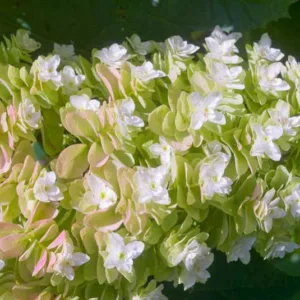
Hydrangea quercifolia Snowflake (Oak Leaf Hydrangea)
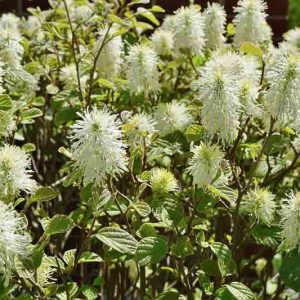
Fothergilla gardenii (Dwarf Fothergilla)
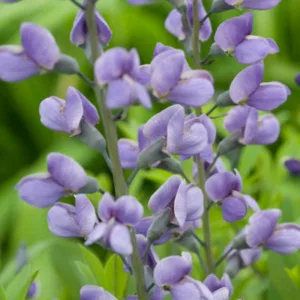
Baptisia ‘Purple Smoke’ (False Indigo)
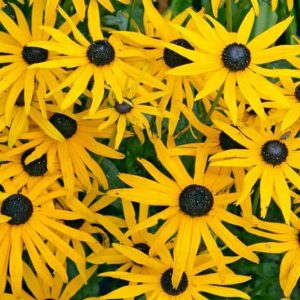
Rudbeckia fulgida var. sullivantii ‘Goldsturm’ (Black-Eyed Susan)
Amsonia tabernaemontana (Blue Star)
Sisyrinchium angustifolium (Blue-Eyed Grass)

Find In One of Our Guides or Gardens

Best Full Sun Perennials for Zone 8: Top Heat-Tolerant Garden Winners
Top Zone 6 Full Sun Perennials – Color That Thrives in Heat & Cold
Top Zone 7 Full Sun Perennials for Long Bloom, Color & Pollinators
Native Garden Ideas – Best Native Plants for a Beautiful Yard
Drought Tolerant Gardens – The Ultimate Water-Wise Guide
Pollinator Gardens: Plants, Designs & Care Guide
Top 70 Summer Flowers to Brighten Your Garden and Home
50 Best Fall Flowers to Color Your Autumn Garden
Desert Flowers: Bringing Color to Dry Gardens
50 Fall Wildflowers: Top Picks for a Vibrant Autumn Garden
50 Summer Wildflowers: Bright Blooms for Your Garden
50 Wildflowers that Thrive in Sun
50 Blue Wildflowers for Every Garden
50 Pink Wildflowers for Every Garden
50 Purple Wildflower to Brighten Your Garden
50 California Wildflowers: From Desert Blooms to Coastal Gems
50 Colorado Wildflowers to Know and Love
50 Texas Wildflowers to Brighten Your Garden
35 Flowering Shrubs That Blaze in Full Sun
42 Best Perennial Flowers and Plants to Brighten Your Garden Every Season
Penstemon and Pollinators: A Harmonious Dance in the Garden
Thriving in Thirst: Colorful Penstemons for Water-Wise Landscapes
Penstemon: How to Grow and Care with Success
Penstemon (Beardtongue)
For the Love of Bees: Best Flowers to Attract them to Your Garden
How to Cultivate a Thriving Bee-Friendly Garden
50 Native Wildflowers for North Carolina
Best Flowers to Attract Hummingbirds
While every effort has been made to describe these plants accurately, please keep in mind that height, bloom time, and color may differ in various climates. The description of these plants has been written based on numerous outside resources.
Buy Plants

Requirements

Hardiness 3 - 8
Heat Zones 1 - 9
Climate Zones 6, 7, 8, 9, 14, 15, 16, 17, 18, 19, 20, 21, 22, 23, 24
Plant Type Perennials
Plant Family Plantaginaceae
Genus Penstemon
Common names Beardtongue, Penstemon
Exposure Full Sun
Season of Interest Summer (Early, Mid)
Height 3' - 4' (90cm - 120cm)
Spread 3' - 4' (90cm - 120cm)
Spacing 40" - 48" (100cm - 120cm)
Maintenance Low, Average
Water Needs Low, Average
Soil Type Chalk, Loam, Sand
Soil pH Neutral
Soil Drainage Well-Drained
Characteristics Cut Flowers, Showy
Tolerance Drought, Salt, Deer, Clay Soil
Attracts Hummingbirds, Bees, Butterflies
Garden Uses Beds And Borders
Garden Styles City and Courtyard, Coastal Garden, Gravel and Rock Garden, Informal and Cottage, Prairie and Meadow, Traditional Garden
How Many Plants
Do I Need?
Explore Great Plant Combination Ideas
Penstemon (Beardtongue)
Not sure which Penstemon (Beardtongue) to pick?
Compare Now

Gardening Ideas

Plant Calculator

How many Penstemon ‘Onyx and Pearls’ (Beardtongue) do I need for my garden?

Input your garden space dimensions

Your Shopping List

Plant Quantity
Penstemon ‘Onyx and Pearls’ (Beardtongue) N/A Buy Plants

Please Login to Proceed

You Have Reached The Free Limit, Please Subscribe to Proceed

Subscribe to Gardenia

To create additional collections, you must be a paid member of Gardenia
  • Add as many plants as you wish
  • Create and save up to 25 garden collections
Become a Member

Plant Added Successfully

You have Reached Your Limit

To add more plants, you must be a paid member of our site Become a Member

Update Your Credit
Card Information

Cancel

Create a New Collection

Sign Up to Our Newsletter

    You have been subscribed successfully

    Join Gardenia.net

    Create a membership account to save your garden designs and to view them on any device.

    Becoming a contributing member of Gardenia is easy and can be done in just a few minutes. If you provide us with your name, email address and the payment of a modest $25 annual membership fee, you will become a full member, enabling you to design and save up to 25 of your garden design ideas.

    Join now and start creating your dream garden!

    Join Gardenia.net

    Create a membership account to save your garden designs and to view them on any device.

    Becoming a contributing member of Gardenia is easy and can be done in just a few minutes. If you provide us with your name, email address and the payment of a modest $25 annual membership fee, you will become a full member, enabling you to design and save up to 25 of your garden design ideas.

    Join now and start creating your dream garden!
    Find your Hardiness Zone

    Find your Heat Zone

    Find your Climate Zone