Discover how the 2023 USDA hardiness zones shape gardening in Alabama. Learn your frost dates, what grows best from Huntsville to Mobile, and how to choose vegetables, flowers, and native plants that truly thrive in your zone for a more resilient, wildlife-friendly Southern garden.
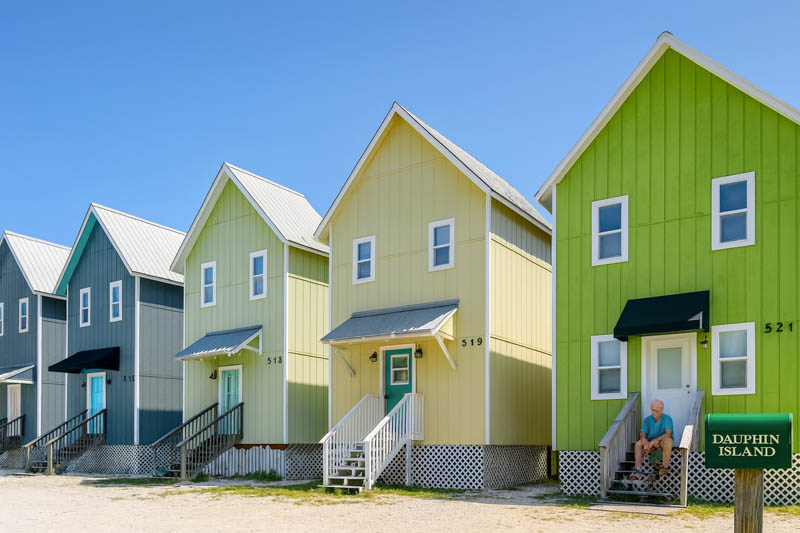


Gardening in Alabama might mean collards and heirloom tomatoes in a Birmingham backyard, blueberries along a North Alabama hillside, or Satsuma mandarins and camellias soaking up Gulf breezes near Mobile and Gulf Shores. Alabama planting zones stretch from cooler Tennessee Valley ridges to almost subtropical beaches, so what thrives in Huntsville won’t be the same as what loves Dauphin Island.
Using the updated 2023 USDA Plant Hardiness Zone Map (based on 1991–2020 winter lows), Alabama now spans roughly zones 7b to 9b. The coolest pockets cling to the far north along the Tennessee line, while the warmest zones hug the Gulf Coast. A hardiness zone describes your average annual extreme minimum temperature so you can quickly see which trees, shrubs, and perennials can reliably survive winter in your garden.
This guide will help you understand your Alabama growing zone, read the 2023 USDA map, time your planting around frost dates, and choose the best plants for your part of the Heart of Dixie.
Alabama runs from Appalachian foothills and the Tennessee Valley in the north, through the Birmingham Plateau and fertile Black Belt, down across piney woods, Wiregrass farms, and coastal plains to white-sand Gulf beaches. That mix of latitude, elevation, and Gulf influence creates several distinct gardening climates.
According to the 2023 USDA Plant Hardiness Zone Map, Alabama’s plant hardiness zones range from about 7b to 9b, with much of the state now mapped roughly a half-zone warmer than older charts. Most gardeners fall in zones 8a–8b, with small patches of 7b in the far north and 9a–9b close to the Gulf Coast.
The 2023 USDA Plant Hardiness Zone Map is built from 30-year averages (1991–2020) of the coldest winter temperatures. It’s the national standard gardeners use to choose trees, shrubs, and perennials that can reliably survive winter in their area.
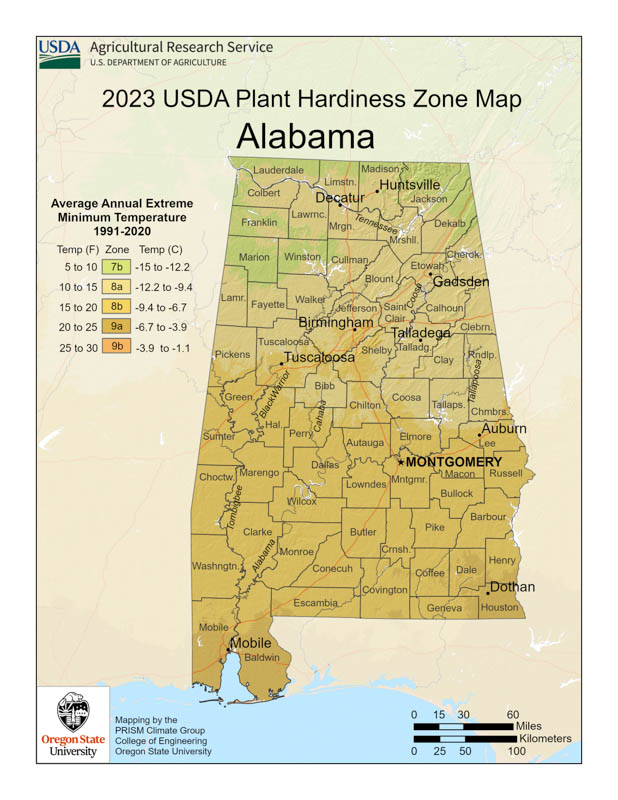
A simplified Alabama planting zone map based on the 2023 USDA Hardiness Zone Map, using 1991–2020 climate data.
Use the map together with your ZIP code to pinpoint your exact Alabama garden zone. Look up your Alabama planting zone by ZIP code using the USDA tool, then come back here or explore our Plant Finder to discover plants matched to your zone, sun exposure, and soil.
Although Alabama’s planting zones run from about 7b to 9b, local conditions—river bottoms, city heat islands, sandy coastal soils, and sheltered hollows—create countless microclimates. Thinking regionally makes it easier to match plants and planting dates to your yard.
This region includes Huntsville, Florence, Scottsboro, and surrounding hills and valleys along the Tennessee River. Winters are cooler than the rest of the state, and late frosts are more common.
Birmingham, Tuscaloosa, Anniston, Hoover, and surrounding communities form Alabama’s central urban and suburban belt. Winters are moderate, summers are hot and humid, and the growing season is comfortably long.
From Montgomery and Selma through the fertile Black Belt and on to Troy, Ozark, and Dothan, warm temperatures and rich or sandy-loam soils define this region. Winters are mild and spring comes quickly.
Mobile, Fairhope, Foley, Gulf Shores, and Dauphin Island are strongly influenced by the Gulf of Mexico. Frosts arrive later and end earlier here than anywhere else in the state, and some winters bring almost no freeze at all.
From cool Tennessee Valley mornings to breezy Gulf Coast patios, frost dates are your best planning tool. Whether you’re gardening in Huntsville, Birmingham, Tuscaloosa, Montgomery, Dothan, or Mobile, your average last and first frosts help you decide when to sow cool-season crops, set out tender seedlings, and be ready with row covers in fall.
Across Alabama, last spring frosts generally run from early April in the north to late February–March near the Gulf Coast. First fall frosts typically arrive from mid–late October in northern Alabama to early–mid November across most of the south and coast.
| Region / City | Average Last Spring Frost | Average First Fall Frost | Approx. Frost-Free Days |
|---|---|---|---|
| Huntsville / Scottsboro (North Alabama) | Early–Late April (around Apr 1–25) | Early–Mid October (around Oct 5–15) | ~165–175 days |
| Birmingham (Central Plateau) | Mid–Late April (around Apr 15–20) | Late October (around Oct 25–31) | ~185–200 days |
| Montgomery (River Region) | Late March (around Mar 25–31) | Late October (around Oct 25–31) | ~210–220 days |
| Dothan (Wiregrass) | Early April (around Apr 1–5) | Late October (around Oct 25–31) | ~205–215 days |
| Mobile (Gulf Coast) | Late March (around Mar 15–25) | Early–Mid November (around Nov 5–15) | ~230–245 days |
Dates summarized from statewide climate and frost-date tools using 1991–2020 data; always check a local forecast and ZIP code–based lookup for the most precise information for your garden.
Use these frost windows as planning guides—your yard may act warmer or cooler depending on slope, altitude, wind, nearby pavement, and buildings. They’re long-term averages, not guarantees, so watch the forecast closely during spring warm-ups and autumn cold snaps.
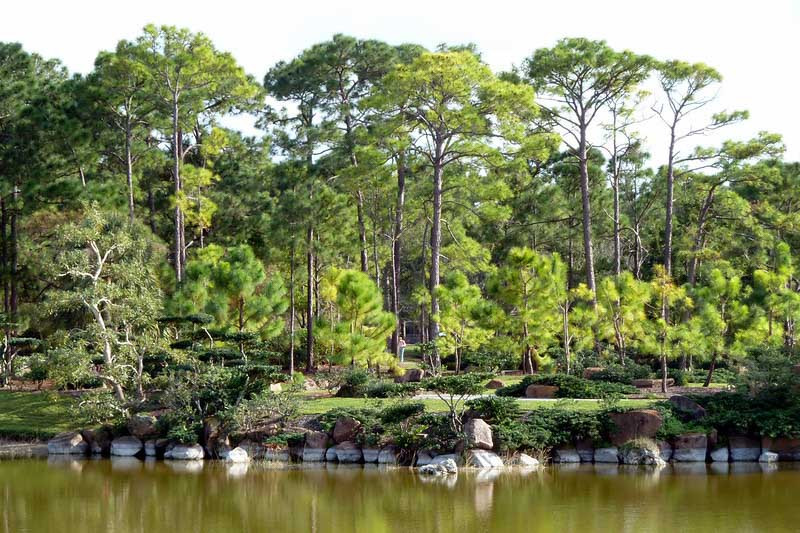
Once you know your Alabama planting zone, you can lean into your region’s strengths—cooler northern nights, long central Alabama autumns, or nearly frost-free falls along the Gulf. Focus on cold-hardy perennials for your zone (7–9) plus heat- and humidity-tolerant annuals and vegetables, and pair them with soil-building practices that match your local conditions.
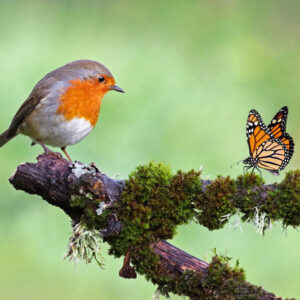
Many Alabama native plants are perfectly tuned to local soils, rainfall, and winter lows. Combine native wildflowers, grasses, shrubs, and trees for a low-maintenance, wildlife-friendly landscape that supports pollinators and songbirds while tolerating Alabama’s hot summers and occasional droughts.
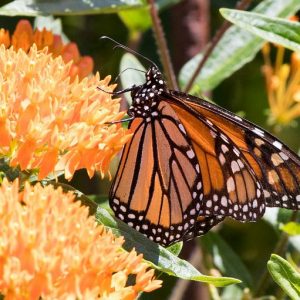
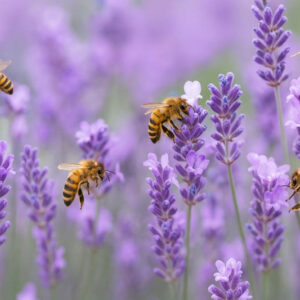
Explore curated lists like great pollinator plants for Alabama, monarch nectar plant collections, and guides to native grasses, shrubs, ferns, and vines to build a garden that buzzes and flutters from spring through fall.
Tap a month to see what to plant in Alabama by zone. Use these quick guides as a starting point—then adjust for your exact frost dates and whether you garden on a cool northern slope, a warm city balcony, or a breezy coastal patio.
Alabama gardeners juggle humidity, summer thunderstorms, clay and sandy soils, deer pressure, and the occasional tropical storm or hurricane. These tips will help your garden thrive from zone 7b to 9b:
Now that you understand your Alabama planting zone, frost dates, and regional climate, you’re ready to choose plants that love your conditions and build a thriving Heart of Dixie garden. Mix edible crops, flowering perennials, and native plants for a landscape that feeds both your household and local wildlife. Curious how Alabama compares to other states? Visit our national USDA planting zone guide to explore growing zones across the United States.
Key zone and climate information in this article is based on the 2023 USDA Plant Hardiness Zone Map and Alabama climate resources from extension and frost-date tools.
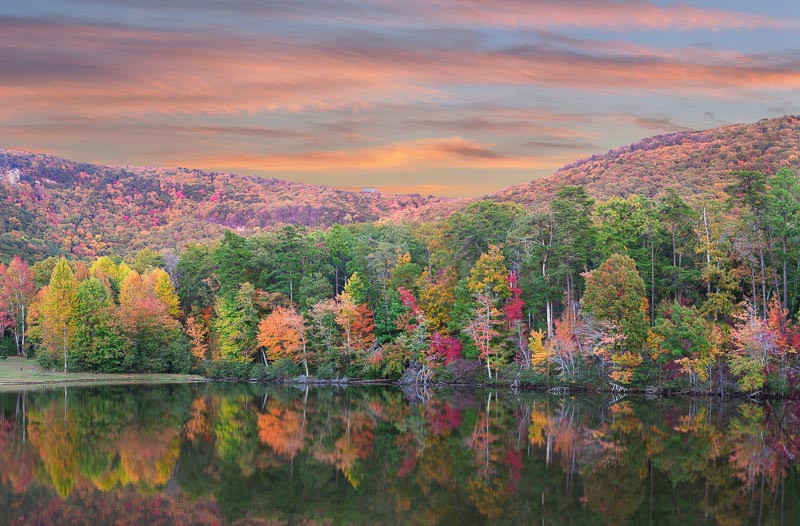
The 2023 USDA Plant Hardiness Zone Map places Alabama mostly in zones 8a and 8b, with cooler 7b pockets in the far north and warmer 9a–9b areas along the Gulf Coast. That means winters are milder than they were on older maps, opening the door to more marginally tender plants.
Go to the official USDA Plant Hardiness Zone Map website, enter your ZIP code into the search bar, and zoom in on your location. The tool returns a zone rating (for example, 8a) based on 1991–2020 winter lows, which you can then use to select zone-appropriate plants.
Wait until after your local last-frost date and until nights consistently stay above 50°F. In north Alabama, that’s usually mid–late April; central Alabama tends to plant in mid April; Montgomery and the Wiregrass can often plant late March to early April; the Gulf Coast may start in mid–late March. Always confirm with a ZIP code–based frost-date tool and local forecast.
Cold-hardy citrus such as Satsuma mandarins, Meyer lemons, and some kumquats can grow in the warmest parts of Alabama—mainly zones 9a–9b near the Gulf Coast and in protected urban microclimates. Even there, you’ll need good drainage and frost protection during occasional hard freezes. In colder zones, grow citrus in containers you can move indoors for winter.
Alabama excels with heat-loving crops: okra, southern peas (cowpeas), sweet potatoes, peppers, eggplant, melons, and long-season tomatoes all perform well when given full sun, fertile soil, and consistent moisture. Use mulch to cool roots and reduce evaporation, and select disease-resistant varieties bred for the Southeast’s humid climate.
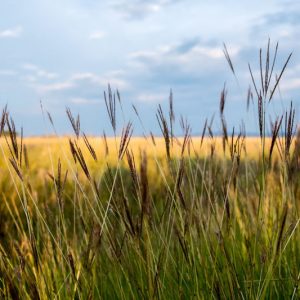
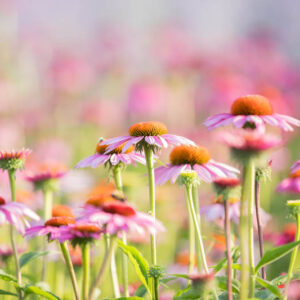
Alabama native plants such as lanceleaf coreopsis, purple coneflower, black-eyed Susan, little bluestem, beautyberry, Virginia sweetspire, oakleaf hydrangea, and longleaf pine handle local heat, humidity, and soils with minimal pampering. They also provide nectar, pollen, and habitat for birds, butterflies, and other wildlife. Native-plant lists tailored to Alabama are available through specialized plant-finder tools.
Updated: December 2025
| Hardiness |
7 - 9 |
|---|---|
| Native Plants | United States, Southeast, Alabama |
| Hardiness |
7 - 9 |
|---|---|
| Native Plants | United States, Southeast, Alabama |
Create a membership account to save your garden designs and to view them on any device.
Becoming a contributing member of Gardenia is easy and can be done in just a few minutes. If you provide us with your name, email address and the payment of a modest $25 annual membership fee, you will become a full member, enabling you to design and save up to 25 of your garden design ideas.
Join now and start creating your dream garden!
Create a membership account to save your garden designs and to view them on any device.
Becoming a contributing member of Gardenia is easy and can be done in just a few minutes. If you provide us with your name, email address and the payment of a modest $25 annual membership fee, you will become a full member, enabling you to design and save up to 25 of your garden design ideas.
Join now and start creating your dream garden!