Learn how to garden confidently in Louisiana’s warm USDA zones 8b–10a. Explore updated 2023 hardiness maps, typical frost dates, and region-by-region planting advice. Find the best vegetables, fruits, ornamentals, and native plants for your microclimate, plus a month-by-month planting calendar tailored to Louisiana’s heat, humidity, and long growing season.
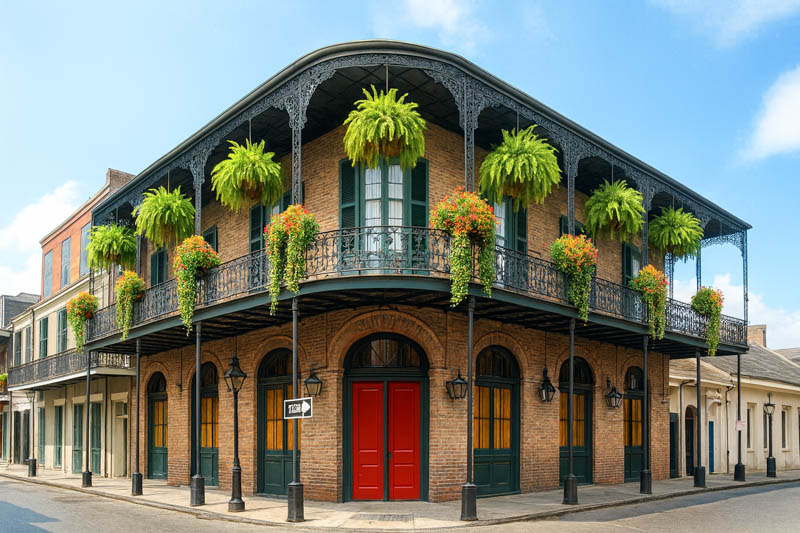


Gardening in Louisiana might mean okra and tomatoes along a Shreveport fence, satsumas and Meyer lemons in a New Orleans backyard, sugarcane and figs in Acadiana, or bald cypress and native irises edging a bayou. From piney woods in the north to salt marsh and Mississippi River delta in the south, Louisiana growing zones are warm, humid, and wonderfully long-season—but what thrives in Monroe won’t be the same as what loves Marrero.
Using the updated 2023 USDA Plant Hardiness Zone Map (based on 1991–2020 winter lows), Louisiana now spans roughly zones 8b, 9a, 9b, 10a, and tiny pockets of 10b. North Louisiana sits mainly in 8b, most of the state falls into 9a–9b, and the warmest coastal and southeast urban areas reach 10a–10b. A hardiness zone describes your average annual extreme minimum temperature so you can quickly see which trees, shrubs, and perennials can reliably handle winter in your garden.
This guide will help you understand your Louisiana growing zone, read the 2023 USDA map, time your planting around frost dates, and choose the best plants for your part of the Bayou State.
Louisiana stretches from rolling pine hills and red-clay uplands in the north, through rich river bottoms and prairie, to cypress-tupelo swamps, coastal marsh, and barrier islands along the Gulf. Elevation is low, but the mix of inland cold fronts, Gulf moisture, and urban heat islands creates several distinct gardening climates.
According to the 2023 USDA Plant Hardiness Zone Map, Louisiana’s plant hardiness zones range from about 8b in the north to 10a–10b along the warmest southeast coast, with many areas now mapped about a half-zone warmer than older charts. Most gardeners fall in zones 8b–9b, with 10a–10b in the most protected coastal and urban locations.
The 2023 USDA Plant Hardiness Zone Map is built from 30-year averages (1991–2020) of the coldest winter temperatures. It’s the national standard gardeners use to choose trees, shrubs, and perennials that can reliably survive winter in their area.
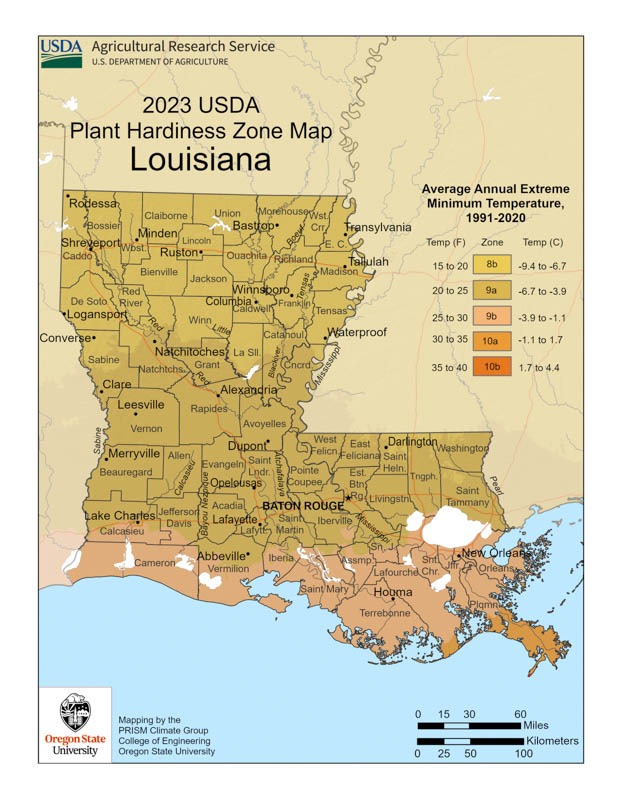
A simplified Louisiana planting zone map based on the 2023 USDA Hardiness Zone Map, using 1991–2020 climate data.
Use the map together with your ZIP code to pinpoint your exact Louisiana garden zone. Look up your Louisiana planting zone by ZIP code using the USDA tool, then come back here or explore our Plant Finder to discover plants matched to your zone, sun exposure, and soil.
Although Louisiana’s planting zones run from about 8b to 10a–10b, local conditions—urban heat, river bottoms, open fields, cypress swamps, and breezy coastal ridges—create countless microclimates. Thinking regionally makes it easier to match plants and planting dates to your own yard.
This region includes Shreveport, Bossier City, Ruston, Monroe, and surrounding hills and bottomlands. Winters are still mild compared to much of the U.S., but freezes are more common here than along the coast.
From Alexandria and Natchitoches to Crowley and prairie towns west of the Atchafalaya, this region is hot, humid, and long-season.
Lafayette, Baton Rouge, the River Parishes, New Iberia, and much of Cajun country enjoy very long, warm growing seasons with only brief dips into freezing temperatures most winters.
New Orleans, Slidell, Houma, coastal marshes, and delta communities experience some of the mildest winters in the continental U.S. Frost is occasional inland but rare and brief near the water, with tiny pockets of 10b in the warmest urban spots.
From foggy pine forests near Ruston to breezy balconies in New Orleans, frost dates are your best planning tool. Whether you’re gardening in Shreveport, Monroe, Alexandria, Lafayette, Baton Rouge, Lake Charles, Houma, or New Orleans, your average last and first frosts help you decide when to sow cool-season crops, set out tender seedlings, and be ready with covers in the rare cold snaps.
Across Louisiana, last spring frosts generally run from early–mid March in north Louisiana to late January–late February or “frost rare” on the immediate coast. First fall frosts typically arrive from early–mid November in the north to late November–December (or rarely at all) near the Gulf.
| Region / City | Average Last Spring Frost | Average First Fall Frost | Approx. Frost-Free Days |
|---|---|---|---|
| Shreveport / Monroe (North Louisiana) | Early–Mid March (around Mar 5–20) | Early–Mid November (around Nov 5–18) | ~240–260 days |
| Alexandria / Central Louisiana | Late February–Early March (around Feb 25–Mar 10) | Mid–Late November (around Nov 15–25) | ~250–265 days |
| Lafayette / Lake Charles (Acadiana & SW LA) | Mid–Late February (around Feb 15–28) | Late November–Early December (around Nov 25–Dec 5) | ~260–275 days |
| Baton Rouge / Hammond (Capital & Florida Parishes) | Late February–Early March (around Feb 21–Mar 7) | Late November–Early December (around Nov 25–Dec 5) | ~260–280 days |
| New Orleans / Coastal SE Louisiana | Late January–Late February (around Jan 25–Feb 28; frost rare some years) | Early–Mid December (around Dec 5–15; frost occasional) | ~280–300+ days |
Zone and frost-date ranges here are summarized from the 2023 USDA Plant Hardiness Zone Map plus extension and frost-date tools; always check a local forecast and ZIP code–based lookup for the most precise information for your garden.
Use these frost windows as planning guides—your yard may act warmer or cooler depending on elevation (even a little), wind, nearby pavement, buildings, and water. They’re long-term averages, not guarantees, so watch the forecast closely during late-winter warm spells and surprise Arctic outbreaks.
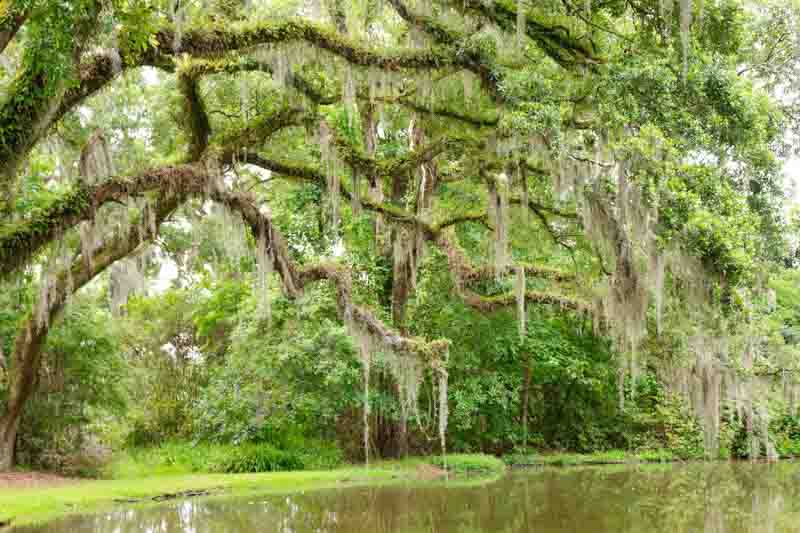
Once you know your Louisiana planting zone, you can lean into your region’s strengths—long north Louisiana seasons, Acadiana’s heat and humidity, or New Orleans’ near-tropical winters. Focus on cold-hardy perennials for your zone (8b–10), plus heat- and humidity-tolerant annuals and vegetables, and pair them with soil-building practices that match your local conditions.
Many Louisiana native plants are perfectly tuned to local soils, rainfall, and winter lows. Think bald cypress, Louisiana iris, swamp milkweed, switchgrass, and native bluestems. Combine native wildflowers, grasses, shrubs, and trees for a low-maintenance, wildlife-friendly landscape that shrugs off heat, heavy rain, and short droughts.
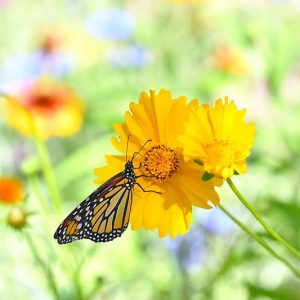
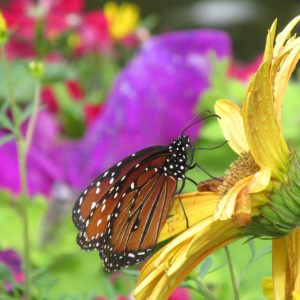
Explore curated lists like great pollinator plants for Louisiana, monarch nectar plant collections for Louisiana, and guides to native grasses, shrubs, ferns, and vines to build a garden that buzzes and flutters from spring through fall.
Tap a month to see what to plant in Louisiana by zone. Use these quick guides as a starting point—then adjust for your exact frost dates and whether you garden on a cooler north Louisiana hill, a hot city courtyard, or a marshy coastal yard.
Louisiana gardeners juggle humidity, sudden downpours, tropical storms, heavy or waterlogged soils, insects, and occasional hard freezes. These tips will help your garden thrive from zone 8b to 10a/10b:
Now that you understand your Louisiana planting zone, frost dates, and regional climate, you’re ready to choose plants that love your conditions and build a thriving Bayou State garden. Mix edible crops, flowering perennials, and native plants for a landscape that feeds both your household and local wildlife. Curious how Louisiana compares to other states? Visit our national USDA planting zone guide to explore growing zones across the United States.
Key zone and climate information in this article is based on the 2023 USDA Plant Hardiness Zone Map and Louisiana climate resources from extension, LSU AgCenter, and frost-date tools.
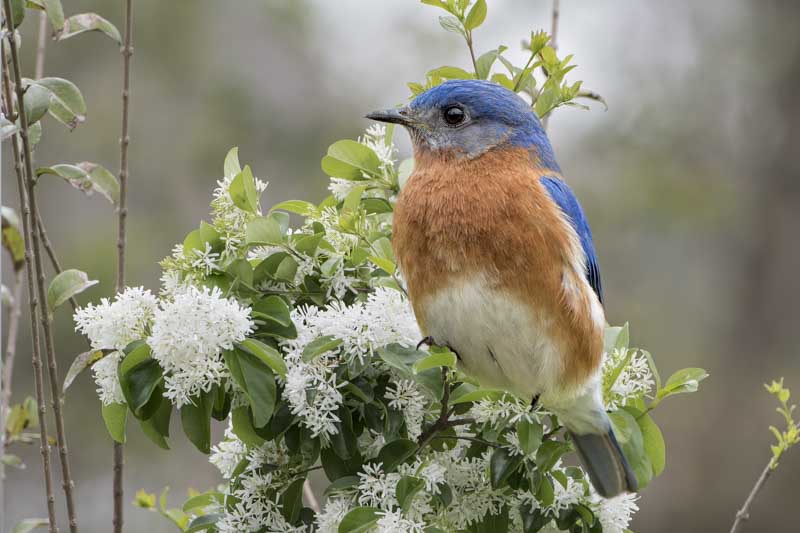
Based on the 2023 USDA Plant Hardiness Zone Map, Louisiana ranges from about zone 8b in the north to 9a–9b across most of the state, with 10a and tiny pockets of 10b in the warmest coastal and southeast Louisiana locations. These zones are defined by 30-year averages of the coldest winter temperatures.
New Orleans is typically classified as USDA zone 9b, with some of the warmest inner-city and coastal spots edging into zone 10a or even 10b. Winters are very mild, frost is infrequent, and many tropical and subtropical plants – bananas, gingers, and some palms – can overwinter outdoors with minimal protection.
In north Louisiana, the average last spring frost usually occurs in early–mid March. Central and south Louisiana often see their last frost from late February to early March, while immediate coastal areas near New Orleans, Houma, and barrier islands may have only a brief frost window from late January to late February, and some winters see no frost at all.
Most of Louisiana enjoys a very long frost-free season – typically about 240–260 days in the north, 250–270 days in central parishes, and 260–300 or more frost-free days in south and coastal Louisiana. That long season supports multiple plantings of warm-season vegetables and almost year-round gardening near the Gulf.
Louisiana is excellent for warm-season crops like tomatoes, peppers, okra, southern peas (cowpeas), lima beans, cucumbers, squash, melons, sweet corn, and sweet potatoes. Cool-season vegetables—lettuce, spinach, collards, cabbage, broccoli, carrots, beets, and radishes – perform best from fall through early spring, when temperatures are milder and pest pressure is lower.
Yes. Citrus does very well in much of south and coastal Louisiana, especially in zones 9a–10a. Satsuma mandarins, kumquats, Meyer lemons, and some cold-hardy oranges are common backyard choices. In north Louisiana, citrus usually needs winter protection, such as containers that can be moved indoors during hard freezes or planting in very sheltered microclimates.
Excellent Louisiana natives include bald cypress, live oak, southern magnolia, Louisiana iris, swamp milkweed, purple coneflower, black-eyed Susan, little bluestem, and switchgrass. These species evolved with local climate and soils, so they generally need less water and fertilizer once established and provide high habitat value for birds, butterflies, and pollinators.
Yes. Even in zones 9 and 10, occasional Arctic outbreaks, radiational frosts, and wind chills can damage tender plants, especially citrus, bananas, and tropical ornamentals. Protect them with frost cloth, mulch, and windbreaks during rare hard freezes. Choose cold-hardy cultivars and plant in sheltered spots – near walls, overstory trees, or thermal mass like water or bricks – for extra insurance.
Updated: December 2025
| Hardiness |
8 - 10 |
|---|---|
| Native Plants | United States, Southeast, Louisiana |
| Hardiness |
8 - 10 |
|---|---|
| Native Plants | United States, Southeast, Louisiana |
Create a membership account to save your garden designs and to view them on any device.
Becoming a contributing member of Gardenia is easy and can be done in just a few minutes. If you provide us with your name, email address and the payment of a modest $25 annual membership fee, you will become a full member, enabling you to design and save up to 25 of your garden design ideas.
Join now and start creating your dream garden!
Create a membership account to save your garden designs and to view them on any device.
Becoming a contributing member of Gardenia is easy and can be done in just a few minutes. If you provide us with your name, email address and the payment of a modest $25 annual membership fee, you will become a full member, enabling you to design and save up to 25 of your garden design ideas.
Join now and start creating your dream garden!