Discover Michigan growing zones using the 2023 USDA map. Learn typical last and first frost dates, get an easy month-by-month planting calendar, and explore the best vegetables, fruits, flowers, and native plants for Detroit, Grand Rapids, northern Michigan, and the Upper Peninsula.
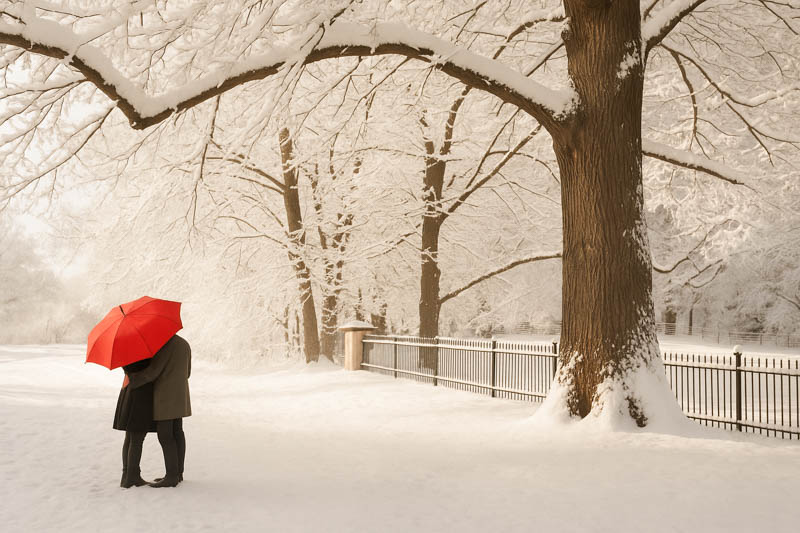


Gardening in Michigan might mean a compact Detroit backyard, a shady Ann Arbor or Lansing lot, a Grand Rapids garden near Lake Michigan, cherry orchards around Traverse City, or a rugged, short-season plot in the Upper Peninsula near Marquette, Houghton, or Sault Ste. Marie. Michigan planting zones range from cold northern forests to mild Great Lakes shorelines – each with its own gardening character and climate quirks.
This guide will help you understand your Michigan growing zone using the updated 2023 USDA Plant Hardiness Zone Map, plan around frost dates, and choose the best plants for your corner of the Great Lakes State.
On the 2023 USDA Plant Hardiness Zone Map, Michigan runs from zone 4a to zone 6b, based on 30-year averages of the coldest winter temperatures (1991–2020). The coldest zones appear in the Upper Peninsula’s interior and higher elevations of the northern Lower Peninsula, while the mildest zones trace the southern Lower Peninsula and Lake Michigan’s warming shoreline. Most home gardens fall between zones 5a and 6a, with scattered 4a pockets in the far north and 6b areas near Detroit and the Lake Michigan fruit belt.
*Zones summarized from the 2023 USDA hardiness map and Michigan climate analyses using 1991–2020 climate data.
The updated 2023 USDA Plant Hardiness Zone Map uses modern 30-year climate normals (1991–2020) and improved terrain data, refining zone boundaries around Michigan’s lakeshores, forests, plateaus, and urban regions. The Great Lakes especially shape winter lows: warming lakeshores and creating colder inland frost pockets. Compared to the older 2012 map, the 2023 map shows many Michigan areas warming by about a quarter-zone.
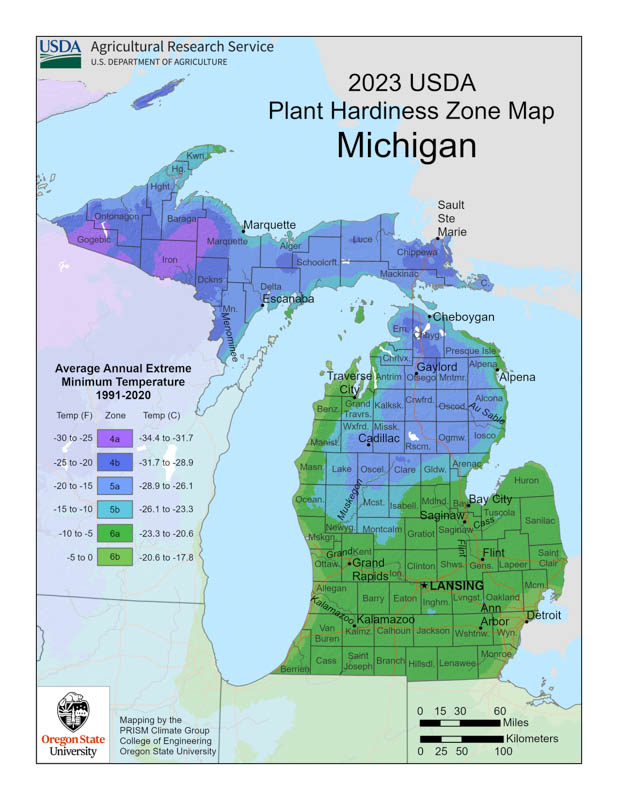
Imagine a Michigan planting zone map here showing colder blues and purples in the Upper Peninsula and inland northern Lower Peninsula, with warmer greens and yellows along Lake Michigan and throughout the southern Lower Peninsula.
Use the map alongside your ZIP code to pinpoint your Michigan garden zone. Look up your Michigan planting zone by ZIP code using the USDA tool, then return here or visit our Plant Finder for plants suited to your exact zone, soil, and exposure.
*According to the USDA and regional climate data groups using 1991–2020 climate normals.
Michigan’s climate is shaped by latitude, the Great Lakes, lake-effect snow, and elevation changes. The Great Lakes moderate winters, delay spring warmth, and boost snowfall, while inland regions experience more extreme cold and frost variability. Gardens only miles apart – or simply inland vs. shoreline – may differ by a half-zone or more.
This region includes Detroit, Ann Arbor, Dearborn, Warren, and suburban communities along I-94 and I-75.
This region includes Benton Harbor, St. Joseph, South Haven, Holland, and Muskegon.
This region includes Grand Rapids, Lansing, Kalamazoo, Flint, Midland, and Saginaw.
Includes Traverse City, Petoskey, Alpena, Gaylord, and Cadillac.
Marquette, Houghton, Ironwood, Sault Ste. Marie, Escanaba.
Frost in Michigan depends heavily on latitude, lake influence, elevation, and local cold-air drainage. A Detroit or Holland garden enjoys a long, relatively mild season, while inland northern Michigan and the U.P. may see frost from early fall into late spring.
Across Michigan, last spring frosts typically occur from mid–April to early June, and first fall frosts generally fall between early September and mid–October. Southern lakeshore areas enjoy the longest seasons; inland northern and U.P. gardens have the shortest. Most Michigan gardeners see roughly 110–160 frost-free days, varying widely with location.
| Region / City | Average Last Spring Frost | Average First Fall Frost | Approx. Frost-Free Days |
|---|---|---|---|
| Detroit (Southeast Michigan) | Late April–Early May | Early–Mid October | ~155–165 days |
| Grand Rapids (West/Central) | Early–Mid May | Late September–Early October | ~140–150 days |
| Lansing (Central Lower Peninsula) | Mid–Late May | Mid September | ~115–130 days |
| Traverse City (Northern Lower Lakeshore) | Late May | Late September | ~115–130 days |
| Marquette (Upper Peninsula) | Late May–Early June | Early–Mid September | ~95–115 days |
Dates represent averages from Michigan climate data and frost-date tools; always check local forecasts and ZIP-code frost lookups for exact dates in your microclimate.
Once you know your Michigan planting zone – whether you garden in a warm Detroit suburb, a Grand Rapids or Lansing backyard, a northern Lower Peninsula lakeshore, or a short-season Upper Peninsula site – you can choose plants that thrive with your climate. Focus on cold-hardy perennials, heat- and humidity-tolerant annuals, and varieties adapted to Midwest weather swings.
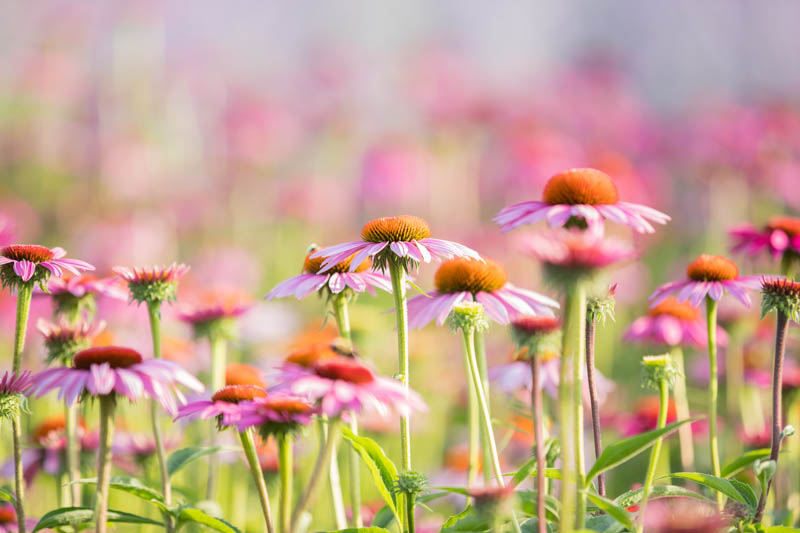
Michigan native plants are adapted to local soils, cold winters, and summer humidity. They support pollinators, birds, and beneficial insects while offering durable, low-maintenance beauty.
Tap a month to see what to plant in Michigan by zone. Adjust for your frost dates, elevation, and whether you garden near a lake, inland, or in the far north/U.P.
Michigan gardeners face winter cold, summer humidity, lake-effect weather, heavy soils, and shifting frost patterns. These tips help you succeed from zones 4a to 6b:
Now that you understand your Michigan planting zone, frost dates, and regional climate, you’re ready to choose plants that match your site and build a productive, beautiful garden. Blend edible crops, native plants, flowering perennials, and trees for a landscape that thrives through all four of Michigan’s seasons. Curious how Michigan compares to other states? Visit our national USDA planting zone guide to explore growing zones across the U.S.
Michigan spans USDA zones 4a–6b on the 2023 hardiness map. The Upper Peninsula and far northern Lower Peninsula fall into zones 4a–5a, while central Michigan ranges 5a–6a. The warmest areas—Detroit, Ann Arbor, and the Lake Michigan fruit belt—are zones 6a–6b.
Michigan’s warmest areas are zone 6b, found in parts of metro Detroit, Ann Arbor, and select Lake Michigan shoreline communities. These regions benefit from urban heat and lake moderation, giving them longer frost-free seasons.
The coldest regions—primarily inland areas of the Upper Peninsula and select high-elevation northern Lower Peninsula sites—fall into zone 4a, sometimes dipping below -30°F in extreme winters.
Michigan’s last frost varies widely:
• Southern Lower Peninsula: late April–mid May
• Central Lower Peninsula: mid–late May
• Northern Lower & U.P.: late May–early June
Always check local frost tools for ZIP-code accuracy.
First frosts usually occur:
• Northern Lower & U.P.: early–mid September
• Central Lower Peninsula: mid–late September
• Southern Lower Peninsula: early–mid October
Growing seasons range from 160+ days in warm southern regions to 95–120 days in the Upper Peninsula and colder northern inland areas.
Cool-season crops like peas, lettuce, spinach, carrots, and brassicas thrive statewide. Warm-season crops such as tomatoes, peppers, squash, beans, corn, and cucumbers grow well in zones 5–6, while short-season varieties are best for zones 4–5.
Yes—Michigan excels at fruit growing. Apples, tart cherries, pears, plums, peaches, and grapes all thrive when matched to the correct zone. The Lake Michigan fruit belt is especially productive due to moderated winter temperatures.
Absolutely. The Great Lakes warm winter lows, making shoreline areas ½ to 1 zone warmer than inland locations. They also create lake-effect snow, which insulates perennials, and delay spring warmth, protecting buds from early warming.
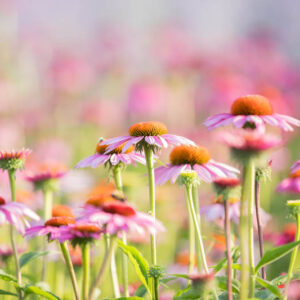
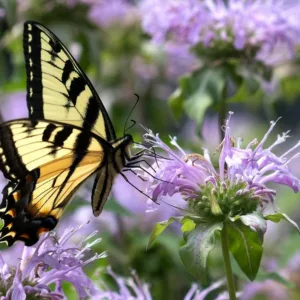
Top native choices include: coneflower, black-eyed Susan, bergamot, milkweed, asters, little bluestem, switchgrass, serviceberry, chokecherry, red osier dogwood, white pine, and sugar maple—plants adapted to Michigan’s cold winters and humid summers.
Data sources: 2023 USDA Plant Hardiness Zone Map (1991–2020 normals), NOAA frost-date climatology.
Updated: December 2025 • Reviewed by Gardenia Editors
| Hardiness |
4 - 6 |
|---|---|
| Native Plants | United States, Midwest, Michigan |
| Hardiness |
4 - 6 |
|---|---|
| Native Plants | United States, Midwest, Michigan |
Create a membership account to save your garden designs and to view them on any device.
Becoming a contributing member of Gardenia is easy and can be done in just a few minutes. If you provide us with your name, email address and the payment of a modest $25 annual membership fee, you will become a full member, enabling you to design and save up to 25 of your garden design ideas.
Join now and start creating your dream garden!
Create a membership account to save your garden designs and to view them on any device.
Becoming a contributing member of Gardenia is easy and can be done in just a few minutes. If you provide us with your name, email address and the payment of a modest $25 annual membership fee, you will become a full member, enabling you to design and save up to 25 of your garden design ideas.
Join now and start creating your dream garden!