From the cool Blue Ridge foothills to the warm, breezy Sea Islands, South Carolina offers rich gardening opportunities. Learn your planting zone, key frost dates, and the best vegetables, fruits, and ornamentals for zones 7–9. Grow confidently with tips tailored to the Palmetto State’s diverse climates and microclimates.
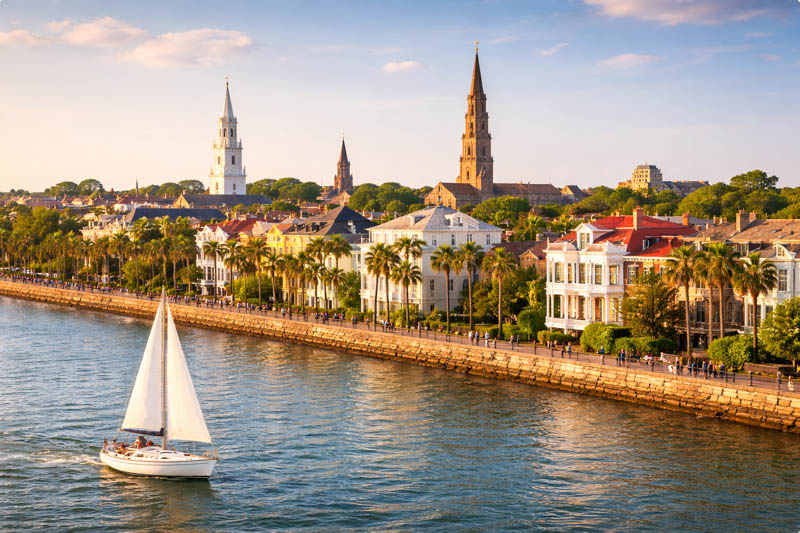


Gardening in South Carolina might mean terraced beds tucked into a cool Blue Ridge hollow, peppers and okra sizzling in a sunny Columbia backyard, or citrus and camellias thriving near the warm Atlantic coast. South Carolina planting zones span a warm range of USDA hardiness zones, running roughly from zone 7b in the cooler Upstate to zone 9a–9b along the coast and Sea Islands.
This guide will help you understand your South Carolina growing zone, read the USDA map, time your planting around frost dates, and pick the best plants for your corner of the Palmetto State.
South Carolina stretches from the higher, cooler Blue Ridge and Piedmont to the sandy Midlands and subtropical Atlantic coastline. That north–south and high–low mix creates distinct gardening climates. In general, South Carolina hardiness zones range from about 7b in the far Upstate to 9a–9b in the warmest coastal pockets, with much of the state sitting comfortably in zones 8a–8b.
The USDA Plant Hardiness Zone Map for South Carolina shows how winter lows change as you move from the higher, cooler Upstate to the humid, ocean-moderated Lowcountry. The map is based on 30-year averages of the coldest winter temperatures (1991–2020) and is the standard tool for choosing trees, shrubs, and perennials that can handle your local winter.
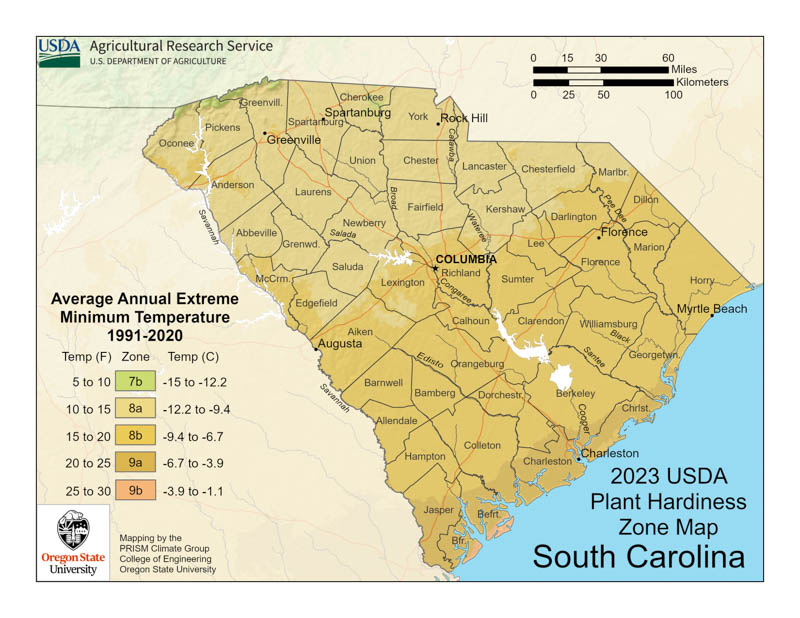
A simplified South Carolina planting zone map based on the USDA 2023 Hardiness Zone Map, using 1991–2020 climate data.
Use the map together with your ZIP code to pinpoint your exact South Carolina garden zone. Look up your South Carolina planting zone by ZIP code using the USDA tool, then come back here or visit our Plant Finder for plants tailored to your zone and site conditions.
Although South Carolina planting zones run from about 7b to 9b, local conditions such as elevation, cold air pockets, tidal creeks, and city pavement create countless microclimates. Breaking the state into regions makes it easier to match plants to your climate—and your gardening style.
This region includes the higher terrain and foothills around Greenville, Spartanburg, Clemson, and the mountains near the North Carolina border. Winters are cooler here than in the Lowcountry, and the growing season is a bit shorter—but still long and generous compared to many states.
Rolling hills around Anderson, Rock Hill, Greenwood, and parts of Spartanburg and Cherokee counties sit between the mountain ridge and the Midlands. Winters are still moderate, summers are hot and humid, and the growing season is nicely long.
Think Columbia, Lexington, Sumter, and the sandy ridge that cuts through the center of the state. This region is classic humid subtropical: hot summers, mild winters, and a long frost-free stretch.
From the Pee Dee through the rice-growing Lowcountry to Beaufort, winters are very mild and summers long, hot, and humid. Sea breezes temper extreme heat near the coast and creeks.
Hilton Head, barrier islands, and some protected neighborhoods around Charleston and Beaufort enjoy some of the warmest winters on the East Coast outside Florida. Frost is rare and often brief when it does occur.
In a state with everything from chilly mountain hollows to frost-rare barrier islands, frost dates are your best planning tool. Whether you’re gardening in breezy Greenville, steamy Columbia, or near the marshes of Charleston, your average last and first frosts determine when it’s safe to plant tender crops and when you should be ready with covers in fall.
Across South Carolina, last spring frosts typically range from early–mid February along the warmest coast to early April in the cooler Upstate, and first fall frosts usually arrive from late October to late November, depending on elevation and distance from the ocean.
| Region / City | Average Last Spring Frost | Average First Fall Frost | Approx. Frost-Free Days |
|---|---|---|---|
| Greenville (Upstate Foothills) | Late March–Early April (around Mar 21–Apr 5) | Mid–Late November (around Nov 11–20) | ~190–200 days |
| Columbia (Midlands) | Mid–Late March (around Mar 11–31) | Mid–Late November (around Nov 11–20) | ~210–230 days |
| Florence (Pee Dee) | Late March (Mar 21–31) | Mid–Late November (Nov 11–20) | ~210–220 days |
| Myrtle Beach (Grand Strand Coast) | Mid–Late March (roughly Mar 11–31) | Late November (around Nov 21–30) | ~230–240 days |
| Charleston (Lowcountry Coast) | Late January–Early February (Jan 21–Feb 10; frost often light) | Frost rare; when it occurs, usually late November–December | Often 260+ frost-free days |
Dates summarized from regional climate and frost-date tools; always check a local forecast and ZIP-code–based lookup for the most precise information for your garden.
Use these frost dates as a planning guide—your yard may be warmer or cooler depending on elevation, slope, wind, surrounding pavement, nearby water, and building heat. They’re long-term averages, not guarantees, so keep an eye on the forecast during spring and fall cold snaps.
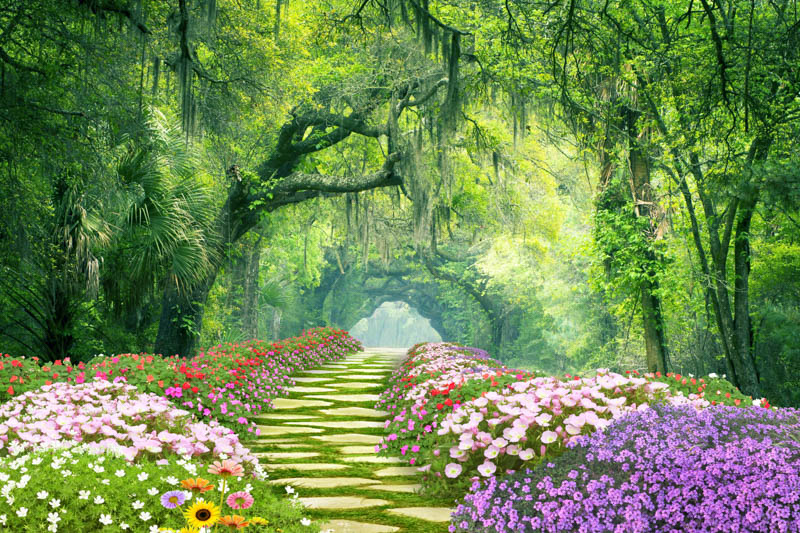
Once you know your South Carolina planting zone, you can lean into your region’s strengths—whether that’s a slightly cooler Upstate climate or the long, sultry summers of the Lowcountry. Focus on heat- and humidity-tolerant crops and choose perennials rated for your specific hardiness zone (7–9).
South Carolina native plants are perfectly tuned to local soils, rainfall, humidity, and winter lows. Mix native wildflowers, grasses, shrubs, and trees for a low-maintenance, wildlife-friendly landscape that supports pollinators, songbirds, and beneficial insects.
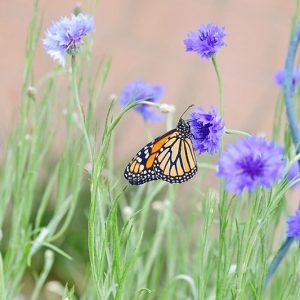
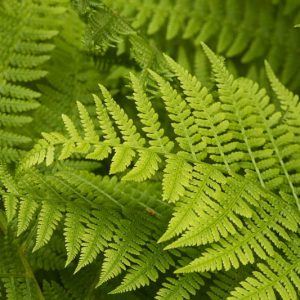
Browse curated lists like great pollinator plants for South Carolina, monarch nectar plant collections, and guides to native grasses, shrubs, ferns, and vines to build a garden that buzzes and flutters almost year-round.
Tap a month to see what to plant in South Carolina by zone. Use these quick guides as a starting point—then adjust for your exact frost dates and whether you garden in a breezy mountain yard, a hot Columbia courtyard, or a sheltered coastal patio.
South Carolina gardeners juggle humidity, thunderstorms, sandy or clay-heavy soils, and the occasional tropical storm. These tips will help your plants thrive from zone 7b to 9b:
Now that you understand your South Carolina planting zone, frost dates, and regional climate, you’re ready to choose plants that love your conditions and create a thriving Palmetto State garden. Mix edible crops, flowering perennials, and native plants for a landscape that feeds both your household and local wildlife. Want to compare South Carolina to other states? Visit our national USDA planting zone guide to explore growing zones across the United States.
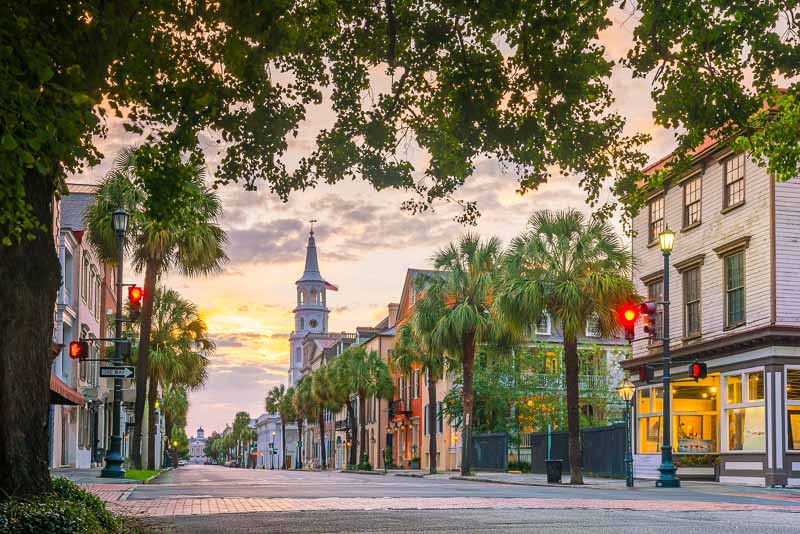
South Carolina spans USDA zones 7b–9b. The Upstate is mostly 7b–8a, the Midlands are 8a–8b, and the Lowcountry and Sea Islands reach 9a–9b. These zones are based on long-term average minimum winter temperatures.
Charleston is primarily in USDA zone 9a, with nearby coastal pockets trending toward 8b or 9b. Winters are very mild, and frost is infrequent, allowing many subtropical plants to thrive.
Greenville falls in zones 7b–8a. Its higher elevation creates cooler winters than the Midlands or coast, but the region still enjoys a long growing season suitable for many fruits, vegetables, and ornamentals.
Columbia is mainly in zone 8b, with some surrounding areas in 8a. Hot summers, mild winters, and a long frost-free season define its gardening climate.
Use the USDA Plant Hardiness Zone Map or a ZIP-code lookup tool. It will return a zone from 7b to 9b based on your location’s average coldest winter temperatures.
Upstate areas usually see last frost from late March to early April and first frost from late October to mid-November. The Midlands frost later and thaw earlier. Coastal areas may be frost-free for most of the year.
The state averages 190–260+ frost-free days annually: fewer in the Upstate, more in the Midlands, and the most along the coast and Sea Islands.
Zones 7–9 support cool-season crops like broccoli, peas, spinach, and collards, along with warm-season staples such as tomatoes, peppers, cucumbers, sweet corn, okra, and sweet potatoes. Ornamentals like camellias, crape myrtles, hydrangeas, and native wildflowers also thrive.
Yes. Peaches, apples, pears, plums, figs, persimmons, and muscadines grow well statewide. Coastal and Midlands areas can also support cold-tolerant citrus in protected areas.
Yes. Elevation changes, ocean influence, river valleys, and urban heat islands can make specific locations functionally warmer or cooler than the published USDA zone.
Use planting zones to select perennials, shrubs, and trees that can survive winter. Use frost dates to time planting and harvesting for annuals and vegetables. Zones guide long-term choices; frost timing guides week-to-week decisions.
Updated: December 2025
| Hardiness |
7 - 9 |
|---|---|
| Native Plants | United States, Southeast, South Carolina |
| Hardiness |
7 - 9 |
|---|---|
| Native Plants | United States, Southeast, South Carolina |
Create a membership account to save your garden designs and to view them on any device.
Becoming a contributing member of Gardenia is easy and can be done in just a few minutes. If you provide us with your name, email address and the payment of a modest $25 annual membership fee, you will become a full member, enabling you to design and save up to 25 of your garden design ideas.
Join now and start creating your dream garden!
Create a membership account to save your garden designs and to view them on any device.
Becoming a contributing member of Gardenia is easy and can be done in just a few minutes. If you provide us with your name, email address and the payment of a modest $25 annual membership fee, you will become a full member, enabling you to design and save up to 25 of your garden design ideas.
Join now and start creating your dream garden!