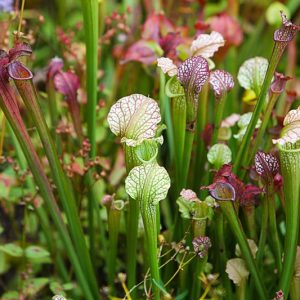
Turn dim, rooty corners into a cool South Carolina woodland with shade-loving native annuals and perennials. Discover jewelweed, Indian pink, foamflower, Green and Gold, wood anemone, trilliums, and more that thrive in dappled light, feed pollinators, and create an easy, low-maintenance, wildlife-friendly shade garden beside shady porches, paths, and patios.


Have a side yard, north wall, or tree canopy where lawn fizzles and big-box flowers flop? Shade-loving South Carolina native annuals and perennials are made for cool woodland mornings, dappled light, and moist Southern air. These wildflowers and groundcovers thrive in USDA zones 7 to 9 and turn dark corners into carpets of blooms, nectar, and texture from early spring through fall.
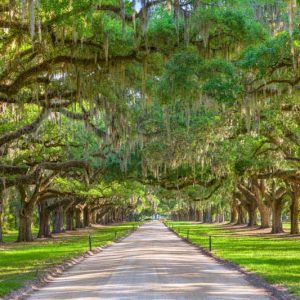
Shade in South Carolina can mean misty mountain coves, red clay stream banks, or Lowcountry live oak tunnels. Matching native annuals and perennials to your specific shade pattern is the secret to an easy, low maintenance shade garden.
Spend a sunny day checking your yard every few hours. Note where you get morning sun and afternoon shade, high bright shade under tall pines, and darker corners near fences or buildings. Then choose South Carolina shade-loving native annuals and perennials that match your real world light and soil.
Use this list as a menu of South Carolina woodland wildflowers that handle part shade to shade while feeding bees, butterflies, hummingbirds, and woodland wildlife. Mix early spring ephemerals, late season asters, and bold foliage perennials for a four season shade garden of native plants.
Note: Not every species is native to every county, but all are native somewhere within South Carolina or the greater Southeast.
| Plant Type | Annuals, Perennials |
|---|---|
| Exposure | Partial Sun, Shade |
| Native Plants | South Carolina, Southeast, United States |
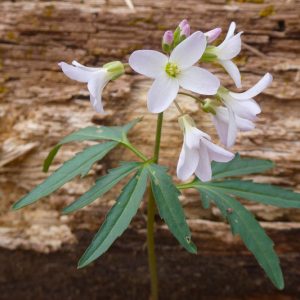
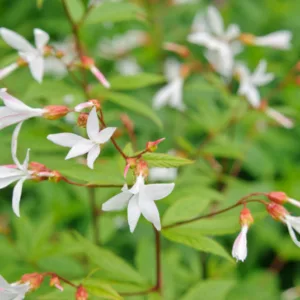
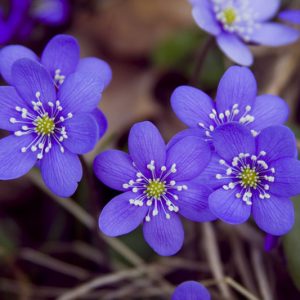
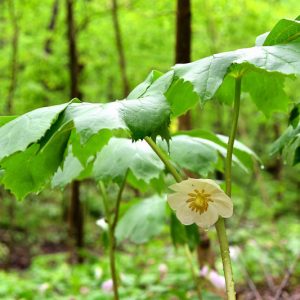
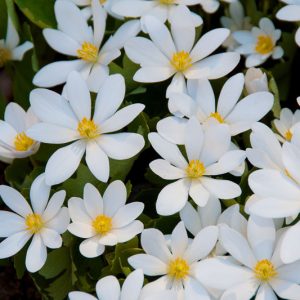
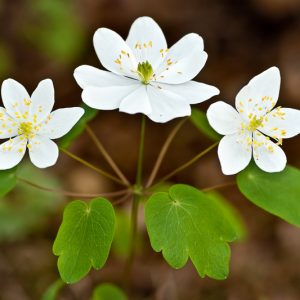
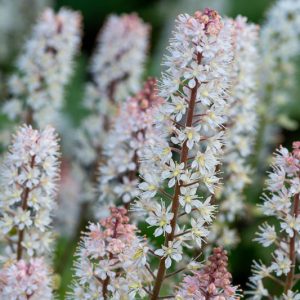
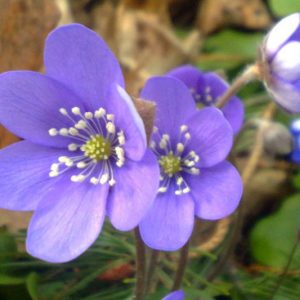
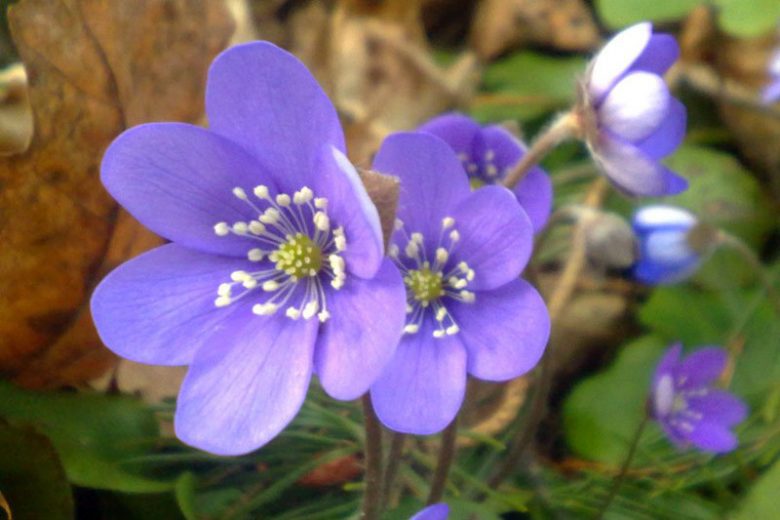
Spring Ephemeral Woodland Carpet: For a classic South Carolina woodland look, plant drifts of Sanguinaria canadensis (Bloodroot), Podophyllum peltatum (May Apple), Hepatica nobilis (Liverleaf), Thalictrum thalictroides (Rue Anemone), and Tiarella cordifolia (Foam Flower). These spring ephemerals bloom before trees leaf out, then quietly go dormant as shade deepens.
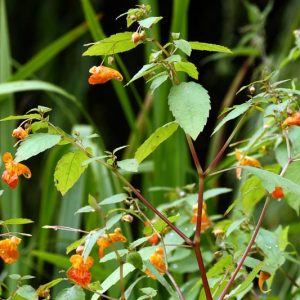
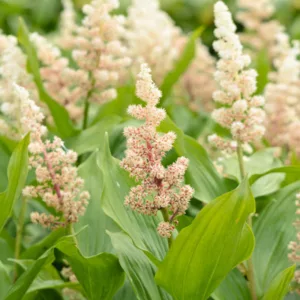
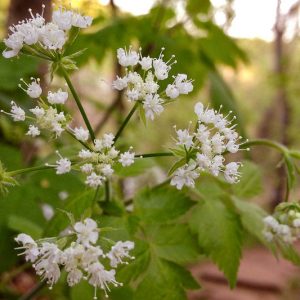
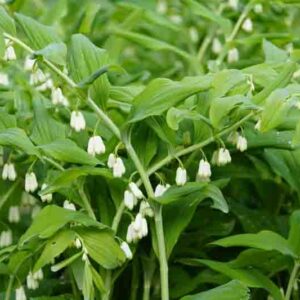
Moist Creek Bank And Swale Wildflower Mix: In shady low spots with moist, organically rich soil, combine Chelone glabra (White Turtlehead), Impatiens capensis (Orange Jewelweed), Maianthemum racemosum (False Solomons Seal), Polygonatum biflorum (Small Solomons Seal), and Osmorhiza longistylis (Anise Root). Add Cypripedium acaule (Pink Ladys Slipper Orchid) only where you can protect it and match its very specific acidic, well drained but moist woodland conditions.
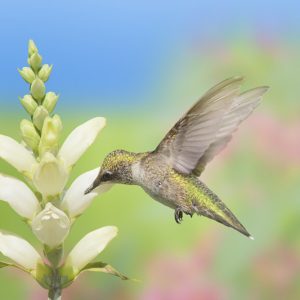
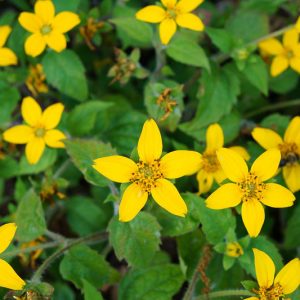
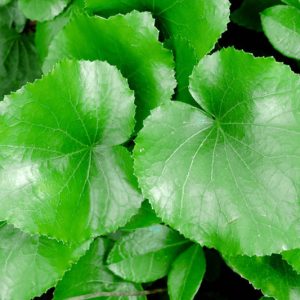
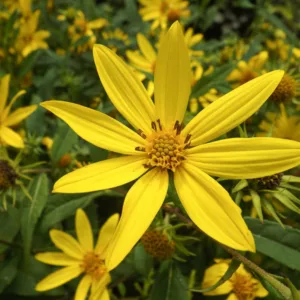
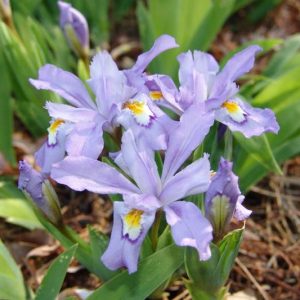
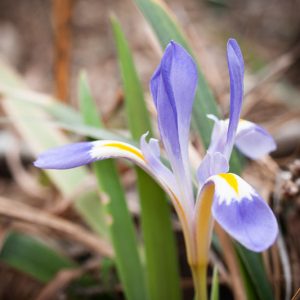
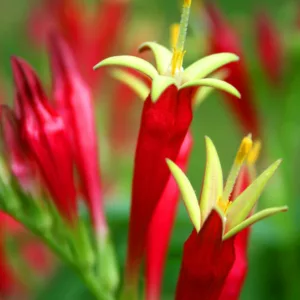
Hummingbird Shade Border: For a shady bed full of hummingbird friendly native perennials, mix Spigelia marilandica (Indian Pink), Impatiens capensis (Orange Jewelweed), and Iris verna (Dwarf Violet Iris). Tuck in Chrysogonum virginianum (Green and Gold) at the front as a bright evergreen groundcover.
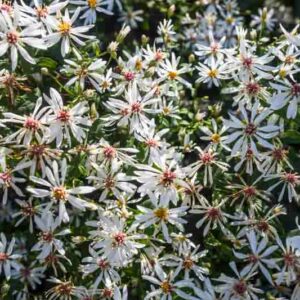
Dry High Shade Pollinator Patch: Under established oaks or pines with dappled high shade, combine Gillenia trifoliata (Bowmans Root), Helianthus divaricatus (Woodland Sunflower), Eurybia divaricata (White Wood Aster), and Galax urceolata (Beetleweed). These tough South Carolina shade-loving perennials handle root competition and bring months of color for bees and butterflies.
Big box shade plants like hosta, impatiens, or non native ferns often need constant water, fertilizer, and pest control in the South. Shade-loving native annuals and perennials evolved in South Carolina woodlands, so they are naturally tuned to our heat, humidity, and rainfall patterns.
Tip: In deeper shade, lean on foliage contrast and texture. Foam flower, galax, Solomons seal, and dwarf irises bring evergreen leaves, bold shapes, and subtle blooms even where direct sun is rare.
Start by sketching every shady space on your property: under tall trees, beside downspouts, along the north side of the house, and around patios and paths. Reserve the deepest, coolest shade for evergreen groundcovers like foam flower, galax, and Green and Gold. Use carpets of spring ephemerals such as bloodroot, May apple, and wood anemone under deciduous trees where they catch early sun.
Layer taller perennials like Bowmans Root, woodland sunflower, turtlehead, and Indian pink toward the back or center of beds, then edge paths with dwarf irises, jewelweed, rue anemone, and beetleweed. Within a few seasons your bare, rooty shade will transform into a South Carolina native woodland full of flowers, butterflies, and birdsong.
Easy, dependable choices include Chrysogonum virginianum (Green and Gold), Tiarella cordifolia (foamflower), Eurybia divaricata (white wood aster), Gillenia trifoliata (Bowman’s root), Iris cristata (dwarf crested iris), Spigelia marilandica (Indian pink), Galax urceolata (galax), and Helianthus divaricatus (woodland sunflower). All are native to the Southeast, tolerate part shade to shade, and perform well in USDA zones 7–9 when planted in moist, well-drained, organically rich soil.
For dry, root-filled shade, choose species adapted to high-canopy woodland conditions: Eurybia divaricata (white wood aster), Helianthus divaricatus (woodland sunflower), Gillenia trifoliata (Bowman’s root), Iris verna (dwarf violet iris), Galax urceolata (galax), Osmorhiza longistylis (anise root), and some clumps of Spigelia marilandica (Indian pink). These plants establish best if watered regularly their first year, then gradually tolerate typical summer dryness once roots reach deeper, cooler soil.
In low spots, swales, and shaded stream edges, look for Impatiens capensis (orange jewelweed), Chelone glabra (white turtlehead), Maianthemum racemosum (false Solomon’s seal), Polygonatum biflorum (small Solomon’s seal), and Spigelia marilandica (Indian pink). These perennials want consistently moist, humus-rich soil but not standing water for long periods. They are ideal for rain gardens and shaded downspout areas.
Spring ephemerals emerge early, flower, set seed, and go dormant once trees leaf out. Good native choices include Sanguinaria canadensis (bloodroot), Podophyllum peltatum (May apple), Hepatica nobilis (liverleaf), and Thalictrum thalictroides (rue anemone). They need undisturbed woodland soil, steady moisture in spring, and summer leaf litter to protect dormant rhizomes.
Most woodland natives bloom best in “bright shade” or part shade: morning sun and afternoon shade, or dappled light under high tree canopies. Foamflower, Green and Gold, white wood aster, Bowman’s root, and Indian pink flower well in these conditions. In deep, continuous shade, foliage plants like galax, some ferns, foamflower, and Green and Gold will persist but may bloom less. Sites with strong reflected heat or midday sun usually need extra mulch and irrigation to keep roots cool.
The most reliable times are fall (roughly October–November) and early spring (February–March, when soil is workable). Fall planting lets roots grow through winter, so plants face their first summer with a more established root system. Spring works well if you can water consistently through the first hot season. Bare-root spring ephemerals are best planted when they are just emerging or actively growing, not when fully dormant and hard to locate.
Aim to mimic forest-floor conditions. Loosen compacted soil 6–8 inches deep, remove large roots and rubble, and mix in several inches of shredded leaves, compost, or pine fines. Most shade-loving natives prefer slightly acidic, well-drained but evenly moist soil with high organic matter. Avoid heavy applications of synthetic fertilizer; instead, top-dress annually with leaf mold or compost and allow fall leaves to decompose in place where practical.
Spigelia marilandica (Indian pink) and Impatiens capensis (orange jewelweed) are standout hummingbird plants for part shade to shade. Helianthus divaricatus (woodland sunflower) and Eurybia divaricata (white wood aster) support a wide range of native bees and other pollinators. Foamflower, bloodroot, and spring anemones provide early nectar and pollen when few other flowers are open in woodland settings.
No plant is completely deer proof, but some are less palatable. Galax urceolata, Iris cristata, Iris verna, Gillenia trifoliata, and many ferns tend to be browsed less than tender species like jewelweed or May apple. Deer pressure varies by neighborhood; in heavy pressure areas, expect to protect new plantings with fencing or repellents, then observe which species your local deer avoid before planting large drifts.
Collecting native plants from the wild is strongly discouraged and is illegal in many parks and preserves. Removing wild populations can damage fragile habitats and threaten rare species, including some orchids and spring ephemerals. Instead, buy from reputable native plant nurseries, local plant sales, or garden centers that label plants as nursery-propagated natives. This supports both conservation and the regional native-plant economy.
Yes, many gardeners blend native and non-native ornamentals, but the ecological benefits differ. Using a high percentage of native species—such as foamflower instead of or alongside hybrid heucheras, or Green and Gold instead of invasive groundcovers—provides more food and habitat for local insects and birds. A design with a “backbone” of natives and a few carefully chosen non-invasive exotics can balance ecological value with personal style.
Updated: November 2025 • Reviewed by Gardenia Editors
Siri Spjelkavik, Flickr
| Plant Type | Annuals, Perennials |
|---|---|
| Exposure | Partial Sun, Shade |
| Native Plants | South Carolina, Southeast, United States |
Create a membership account to save your garden designs and to view them on any device.
Becoming a contributing member of Gardenia is easy and can be done in just a few minutes. If you provide us with your name, email address and the payment of a modest $25 annual membership fee, you will become a full member, enabling you to design and save up to 25 of your garden design ideas.
Join now and start creating your dream garden!
Create a membership account to save your garden designs and to view them on any device.
Becoming a contributing member of Gardenia is easy and can be done in just a few minutes. If you provide us with your name, email address and the payment of a modest $25 annual membership fee, you will become a full member, enabling you to design and save up to 25 of your garden design ideas.
Join now and start creating your dream garden!