Why are your rose leaves turning yellow, brown, or black? Discover how to identify common rose diseases, insect damage, watering problems, and environmental stress. Compare symptoms, recognize warning signs, and find practical solutions to protect your roses, prevent recurring problems, and encourage healthy growth and beautiful flowers all season.
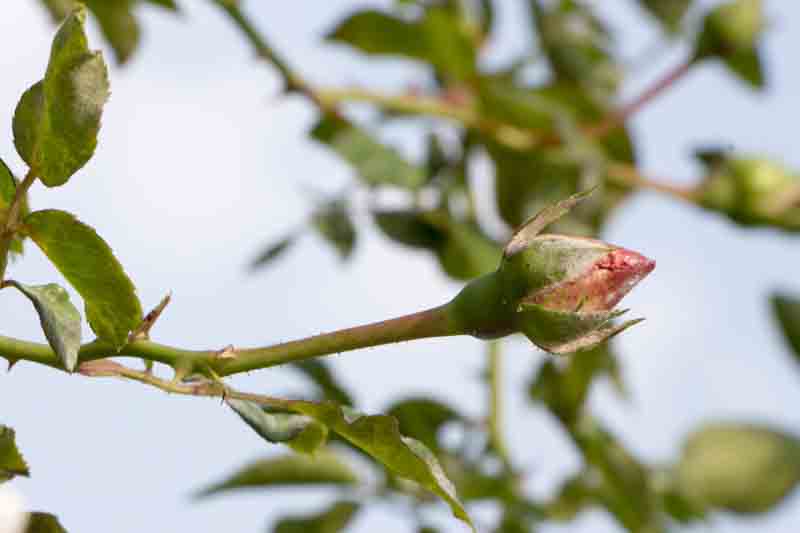


One week, your rose bush looks perfectly healthy. The next, its leaves are turning yellow, black spots are spreading across the foliage, or promising flower buds are turning brown before they open. What went wrong?
Rose problems can be surprisingly difficult to diagnose because different causes often produce similar symptoms. Yellow leaves may indicate black spot, poor drainage, or nutrient stress. Brown edges could mean drought, heat scorch, or fertilizer injury. And a wilting rose isn’t necessarily thirsty.
The key is to look beyond the damaged leaves. Where did the problem begin? Are the spots round or angular? Is the soil wet or dry? Are tiny insects hiding beneath the foliage?
This practical rose problem diagnosis guide helps you distinguish diseases, pests, and environmental damage, recognize warning signs, and choose the right treatment before a manageable problem becomes a serious one.
Rose Problems: Quick Diagnosis
Important: These symptoms are clues, not confirmed diagnoses. Several problems can affect the same rose simultaneously.
Before applying fertilizer, fungicide, or insecticide, examine the entire plant. Check both sides of the leaves, developing buds, affected canes, and soil around the roots.
Gardenia’s Rose Symptom Diagnosis Table helps you narrow down the possibilities. Select a symptom to jump directly to its detailed explanation.
| What You See | Possible Cause | What to Check First |
|---|---|---|
| Yellow leaves with dark spots | Black spot | Feathery margins, yellowing, leaf drop |
| Young leaves yellow between green veins | Iron chlorosis | Soil pH, drainage, newest leaves |
| Brown, crispy leaf edges | Heat, drought, salt injury | Weather, soil moisture, recent feeding |
| Angular purple or dark blotches | Possible downy mildew | Cool, damp weather; vein-limited spots |
| White powder or orange pustules | Powdery mildew or rust | Color and location of fungal growth |
| Pale stippling or fine webbing | Spider mites | Undersides of leaves, tiny moving mites |
| Transparent patches or holes | Sawfly larvae, beetles | Feeding patterns and insects beneath leaves |
| Brown buds that fail to open | Botrytis, thrips, weather | Gray mold, petal scarring, recent rain |
| Wilting despite wet soil | Root stress, poor drainage, cane damage | Root-zone moisture, stem lesions |
| Abnormal clusters of thorny shoots | Possible rose rosette disease | Multiple unusual growth symptoms |
Act promptly: Rapid stem dieback, severe wilting in waterlogged soil, sudden extensive defoliation, or several symptoms suggesting rose rosette disease. Inspect the plant immediately and seek expert diagnosis when appropriate.
Investigate and monitor: Spreading black spots, increasing powdery mildew, persistent yellowing, or growing aphid and spider mite populations. Identify the cause and assess its severity before treatment.
Often minor: A few naturally aging yellow leaves, limited sawfly damage, isolated aphids, or flowers spoiled by a brief spell of bad weather. Monitor new growth rather than treating automatically.
A useful five-minute check: Compare healthy and damaged leaves, inspect their undersides, check the newest shoots, feel the soil beneath the mulch, and examine any wilted stems. These observations frequently reveal more than leaf color alone.
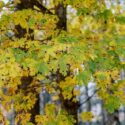
Yellow leaves are among the most common rose complaints. The crucial questions are which leaves yellow first and whether the yellowing comes with spots, green veins, or wilting.
Rose black spot, caused by Diplocarpon rosae, typically produces dark spots with irregular, feathery margins. Surrounding tissue turns yellow, and infected leaves may fall prematurely.
Symptoms often begin on older, lower foliage and become more severe in wet or humid weather. Repeated defoliation can weaken susceptible roses.
Next step: Remove fallen infected leaves, improve airflow, reduce unnecessary leaf wetness, and review disease management options in Gardenia’s black spot guide.
Water stress is a common cause. Drought limits water uptake, while saturated soil restricts oxygen to roots and may encourage root rot.
Check moisture below the soil surface. If the ground is already wet, more watering may make the problem worse.
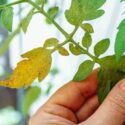
When young leaves turn yellow between green veins, consider iron chlorosis. It is often associated with alkaline soil that limits iron availability. Poor root function can produce similar symptoms.
Older leaves becoming uniformly pale may indicate nitrogen deficiency, but check drainage, root health, and soil fertility before adding fertilizer.
Not every yellow leaf signals trouble. A few older leaves naturally yellow and fall as roses grow. Widespread or progressive yellowing deserves closer attention.
 Rose Black Spot
Not every dark spot is black spot disease. Lesion shape, weather, and accompanying symptoms help distinguish several important rose infections.
Rose downy mildew is caused by an oomycete rather than the fungus responsible for black spot. A fungicide effective against one disease may not control another.
Fungicides generally protect susceptible tissue or limit further infections; they do not turn damaged leaves green again. Some diseases require preventive treatment, and different products have different effectiveness.
Remove badly infected leaves and fallen debris where practical, but avoid stripping an otherwise healthy rose of nearly all its foliage. Remaining leaves are needed for recovery.
Before spraying: Identify the disease, check whether treatment is justified, and use only a product labeled for roses and that particular problem. Follow application restrictions, temperature precautions, and local regulations. Repeatedly spraying the wrong product will not improve the diagnosis.
Brown leaf edges and brittle tips frequently indicate environmental stress rather than an infectious disease.
Intense sunlight, reflected heat, and drying winds can cause exposed leaf tissue to turn tan or brown. Damage often follows a heatwave, particularly on newly planted roses or plants near walls and paving.
Dry soil, drooping shoots, and crispy foliage suggest insufficient water uptake. Water the root zone slowly and deeply, then monitor new growth.
Existing brown tissue will not turn green again, but the rose may produce healthy replacement leaves once conditions improve.
Excess fertilizer salts can damage roots, causing brown leaf margins, stunted growth, or leaf drop. The risk is particularly high when concentrated products are applied to dry soil or at excessive rates.
Review recent feeding before applying more nutrients. Gardenia’s rose fertilizing guide explains correct timing, application amounts, and nutrient-related problems.
Herbicide drift may also distort young leaves and shoots. Narrow, twisted growth appearing after nearby lawn treatments is a useful clue, although it is not proof of herbicide injury.
Brown edges or spreading spots? Uniformly scorched margins after extreme weather suggest environmental stress. Distinct lesions that expand, develop fungal growth, or accompany rapid leaf loss are more concerning for disease.
 Mildew on Rose Leaves
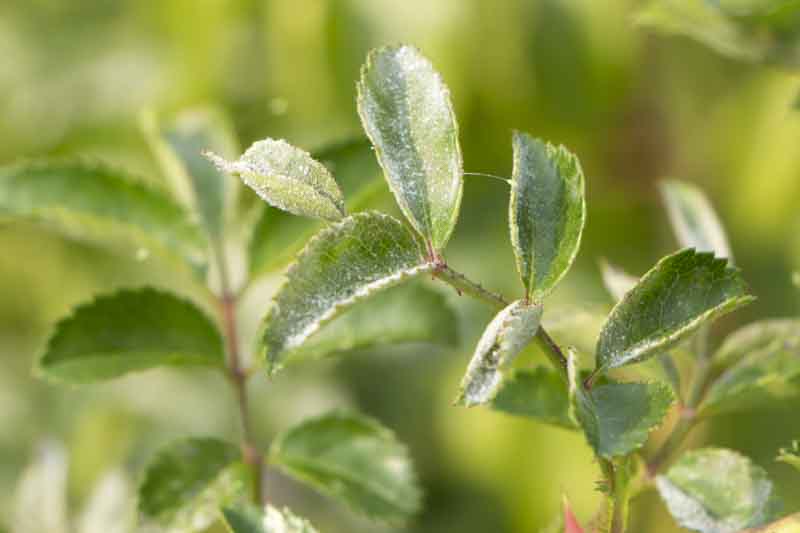
Powdery mildew appears as a white or grayish powdery coating on young foliage, stems, and buds. Affected leaves may curl, twist, or remain undersized.
Unlike black spot, powdery mildew does not require prolonged free water on leaf surfaces for infection. Humidity, susceptible new growth, and favorable temperatures can encourage outbreaks.
What helps: Choose resistant cultivars, improve airflow, avoid excessive nitrogen, and remove severely affected material when appropriate. For persistent outbreaks, use a fungicide specifically labeled for powdery mildew and follow temperature precautions, especially with oils or sulfur.
Rust often creates orange powdery pustules beneath leaves, with yellow or reddish marks above them. Severe infections can cause premature leaf drop.
Inspect leaf undersides and follow Gardenia’s rust disease guide for further identification and management.
Distortion may result from mildew, aphids, herbicide exposure, or other injuries. Inspect young shoots carefully before treating.
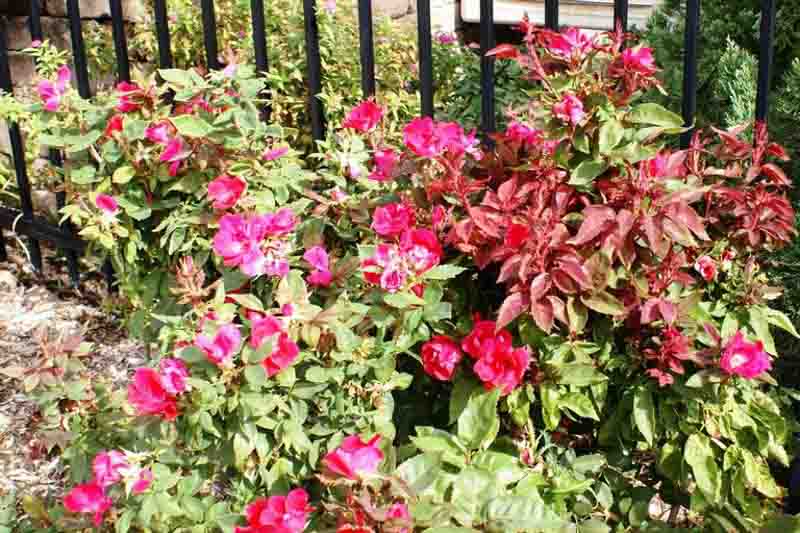
Normal reddish new growth is not a diagnosis of rose rosette disease. Many healthy rose varieties naturally produce bronze or red young foliage.
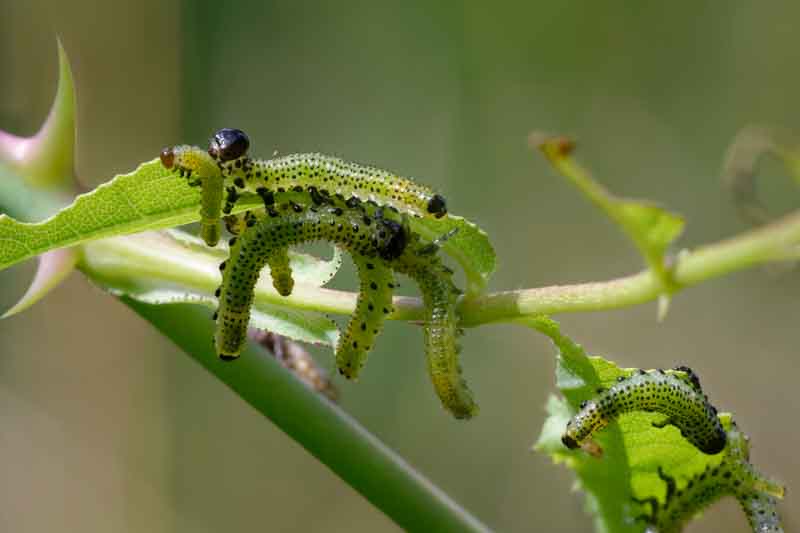 Rose Sawfly Larvae (Arge species) Feeding on Rose Leaves
Many rose pests leave distinctive feeding patterns. Inspect leaf undersides, buds, and new shoots before deciding whether treatment is necessary.
The greenish larvae resemble small caterpillars, but they are sawflies, related to wasps and bees. Bt-k products intended for moth and butterfly caterpillars do not control sawfly larvae.
For light damage, handpick larvae or remove affected leaves selectively. If intervention is necessary, use a product specifically labeled for the pest and rose plants.
Insecticidal soap or horticultural oil may help control certain susceptible pests, but these products require thorough contact and can injure foliage under unsuitable conditions. Repeated broad-spectrum spraying may also harm beneficial insects and worsen mite problems.
Protect pollinators: Avoid spraying open flowers visited by bees, follow all label restrictions, and favor targeted treatment over routine spraying.
Watching promising buds turn brown before opening is especially frustrating. The cause may be fungal infection, insect feeding, or unfavorable weather.
Botrytis favors damp conditions and can produce brown spots, rotting flower buds, and fuzzy gray fungal growth on decaying petals. Densely petaled roses may be particularly vulnerable during prolonged rain.
Remove affected blooms and fallen petals. Improve airflow and avoid unnecessarily wetting flowers.
Thrips can scar petals and cause buds to open unevenly. Examine several affected buds for tiny, slender insects before assuming a fungus is responsible.
After persistent rain, outer petals may become wet, stick together, and prevent a flower from opening. Gardeners call this rose balling.
Heat, frost, and drought may also injure developing buds. Remove ruined blooms and observe the next flush rather than automatically applying pesticides.
Quick distinction: Fuzzy gray growth suggests Botrytis. Scarred petals with tiny insects suggest thrips. Buds stuck shut after prolonged rain may be balling. Different causes require different responses.

Wilting does not always mean the soil is dry. A rose growing in saturated ground may wilt because damaged or oxygen-starved roots cannot supply water properly.
Persistently wet soil can cause oxygen deprivation and favor some root-rot pathogens. Symptoms include yellowing, weak growth, wilting, and gradual decline.
What to do: Check soil moisture and drainage, stop unnecessary irrigation, and inspect roots where practical without excessively disturbing the plant. For more information, see Gardenia’s root rot guide.
When one branch dies while others remain healthy, inspect it for sunken, discolored, cracked, or girdled areas. Cane cankers or physical injuries can interrupt water movement and cause the growth above them to wilt.
Prune affected stems back to healthy tissue, preferably in dry conditions, using clean tools. Gardenia’s rose pruning guide explains how pruning varies by rose type and climate.
Cold-damaged stems may turn brown or black and fail to grow in spring. Wait until living and dead tissue can be distinguished, then remove damaged growth.
On grafted roses, vigorous shoots arising below the graft union may come from the rootstock rather than the desired variety. Trace their origin before retaining them.
Rose rosette disease is a serious viral disease associated with transmission by microscopic eriophyid mites. Unlike black spot or powdery mildew, it cannot be cured with fungicides or fertilizer.
Suspicious symptoms may include:
Don’t diagnose rose rosette from one red shoot. Healthy roses commonly produce reddish young growth, and some cultivars naturally have very thorny canes.
When several characteristic abnormalities occur together, seek advice from a cooperative extension service or diagnostic laboratory. Follow local guidance for confirmed infected plants, which generally require removal because no curative treatment is available.
Seek expert diagnosis: Rapidly developing abnormal shoot clusters, widespread unusual distortion, or suspected rose rosette disease warrant prompt investigation. Avoid taking propagation material from plants suspected of carrying a systemic disease.
The best long-term strategy combines appropriate growing conditions with regular observation. Not every rose needs routine spraying, and a suitable resistant variety may require far less intervention than a susceptible one.
For more detailed care instructions, explore Gardenia’s rose bush care guide, rose pruning guide, and rose fertilizing guide.
When is it worth replacing a rose? If a cultivar suffers serious disease repeatedly despite suitable growing conditions and appropriate management, choosing one with better documented local resistance may be the most practical long-term solution.
Looking for a Healthier Rose for Your Garden?
Gardenia’s Plant Finder helps you explore rose varieties suited to your hardiness zone, sunlight, soil, drainage, and available space. Compare individual plant profiles, then check disease resistance against reliable local growing information before choosing a replacement.
A rose with black spots needs a different response from one suffering heat scorch, and a wilted rose in wet soil certainly doesn’t need another soaking. The most effective treatment begins with the right diagnosis. Use the visible symptoms to narrow down the causes, check the distinguishing clues, and take action only when you understand what is happening.
Yellow rose leaves may result from black spot, drought, waterlogged soil, nutrient problems, or normal aging. Look for dark spots, check soil moisture, and examine whether older or younger leaves are affected first before choosing a treatment.
Rose black spot, caused by the fungus Diplocarpon rosae, produces dark lesions with irregular or feathery margins, often followed by yellowing and leaf drop. Other diseases can also produce dark spots, so consider the lesion shape and weather conditions.
Brown, crispy leaf edges may indicate heat scorch, drought, drying winds, or fertilizer-salt injury. Check soil moisture, recent weather, and fertilizer history. Damaged leaves cannot turn green again, but new growth may recover when conditions improve.
Brown buds may result from Botrytis gray mold, thrips, rain, frost, or heat. Gray fuzzy growth suggests Botrytis, while insects and petal scarring suggest thrips. Persistent rain can also cause rose balling, preventing flowers from opening.
Roseslug sawfly larvae and Japanese beetles commonly damage rose leaves. Sawfly larvae scrape leaf surfaces, creating transparent patches that later develop holes, while Japanese beetles often skeletonize leaves. Inspect leaf undersides before treating.
Wilting in wet soil may result from oxygen-starved or damaged roots, poor drainage, or root rot. Check root-zone moisture and drainage before watering again. Cane injury can also interrupt water movement and cause individual branches to wilt.
Yes. Many roses recover if their roots and canes remain healthy. Remove fallen infected foliage, improve airflow, maintain appropriate watering, and prevent further infections where necessary. Highly susceptible varieties may continue to suffer repeated defoliation.
Updated and reviewed by Gardenia: October 2026
| Hardiness |
4 - 10 |
|---|---|
| Climate Zones | 1, 1A, 1B, 2, 2A, 2B, 3, 3A, 3B, 4, 5, 6, 7, 8, 9, 10, 11, 12, 13, 14, 15, 16, 17, 18, 19, 20, 21, 22, 23, 24, A1, A2, A3, H1, H2 |
| Plant Type | Roses, Shrubs |
| Plant Family | Rosaceae |
| Genus | Rosa, Rosa - English Rose, Rosa - Floribunda Rose, Rosa - Grandiflora Rose, Rosa - Groundcover Rose, Rosa - Hybrid Tea Rose, Rosa - Shrub Rose |
| Exposure | Full Sun, Partial Sun |
| Season of Interest | Spring (Late), Summer (Early, Mid, Late), Fall |
| Maintenance | Average |
| Water Needs | Average |
| Soil Type | Chalk, Clay, Loam, Sand |
| Soil pH | Acid, Alkaline, Neutral |
| Soil Drainage | Moist but Well-Drained, Well-Drained |
| Characteristics | Cut Flowers, Fragrant, Showy |
| Landscaping Ideas | Beds And Borders, Ground Covers, Hedges And Screens, Patio And Containers, Small Gardens, Wall-Side Borders |
| Garden Styles | City and Courtyard, Informal and Cottage |
Create a membership account to save your garden designs and to view them on any device.
Becoming a contributing member of Gardenia is easy and can be done in just a few minutes. If you provide us with your name, email address and the payment of a modest $25 annual membership fee, you will become a full member, enabling you to design and save up to 25 of your garden design ideas.
Join now and start creating your dream garden!