Your rose bush looks healthy, but where are the flowers? Discover why roses stop blooming, from insufficient sunlight and pruning mistakes to blind shoots, excessive fertilizer, heat, and damaged buds. Learn when flowers may return and follow practical solutions to help your roses bloom beautifully again throughout the growing season.
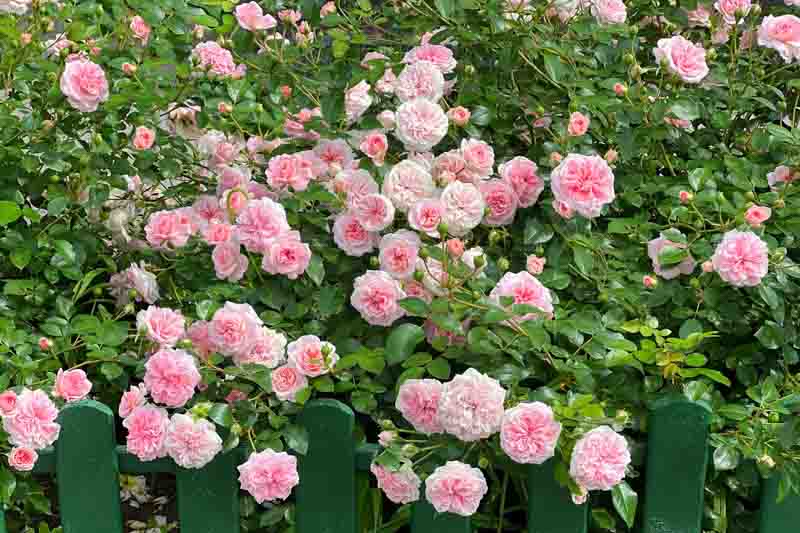


Your rose bush looks perfectly healthy. The leaves are green, the stems are growing, and the plant seems happy. There’s just one problem: no roses. Or perhaps it flowered beautifully in spring, then stopped producing buds altogether.
Before reaching for fertilizer or pruning shears, ask yourself one important question: Is this rose supposed to bloom again? Some roses flower once a year, others bloom in several flushes, and many modern varieties flower repeatedly throughout the growing season.
If your rose should be blooming but isn’t, the cause may be insufficient sunlight, incorrect pruning, excessive nitrogen, summer heat, or shoots that never develop flower buds. Sometimes buds form but are damaged before they can open.
This guide helps you discover why your roses aren’t blooming, what to do next, and when you can realistically expect flowers to return.
Roses Not Blooming? The Quick Answer
The golden rule: Identify the cause before changing your rose’s care. More fertilizer or harder pruning isn’t always the solution.
What is your rose doing instead of flowering? Is it growing vigorously, producing shoots without buds, forming flowers that never open, or barely growing at all?
Gardenia’s Rose Bloom Diagnosis Guide connects these observations to practical solutions and realistic flowering expectations. Select a symptom to jump to its detailed explanation.
| What You Notice | What to Do Next | When Flowers May Return |
|---|---|---|
| One spring flush, then nothing | Identify the variety and flowering habit. | Next natural season if once-blooming. |
| Healthy foliage but few flowers | Count direct sunlight hours. | Later in the season if light improves. |
| No flowers after heavy pruning | Check whether flowering wood was removed. | Often next season for once-bloomers. |
| Lush leaves and long shoots | Review fertilizer use and sunlight. | As growth rebalances; timing varies. |
| Healthy shoots without terminal buds | Check for blind shoots; prune selectively. | Possibly later the same season. |
| Flowering stops during a heatwave | Maintain moisture and reduce stress. | When temperatures moderate. |
| Buds brown, blacken, or fail to open | Inspect for pests, gray mold, or injury. | On a later flush if damage stops. |
| Few blooms with wilting or yellowing | Check drainage, roots, and moisture. | After recovery if roots remain healthy. |
| New rose or climber without flowers | Assess establishment and cane training. | This season or a subsequent season. |
These timelines are estimates, not promises. Flowering depends on the variety, season, plant health, and severity of the problem.
The three-minute rose bloom check: Did your rose flower earlier this season? Do its newest shoots end in visible flower buds? Does it receive at least six hours of direct sunlight? These answers often narrow down the problem immediately.
Not every rose should flower throughout summer. Many species roses, traditional ramblers, and once-blooming Old Garden Roses produce one spectacular flush in late spring or early summer. Afterward, they develop foliage, new canes, and sometimes ornamental rose hips.
Most modern hybrid teas, floribundas, and many English and landscape roses are repeat-flowering, although the intervals between flushes vary.
| Flowering Habit | Typical Behavior | What to Expect |
|---|---|---|
| Once-blooming | One seasonal flush | Usually no second display that year |
| Repeat-flowering | Several flushes separated by pauses | Further flowers when conditions allow |
| Near-continuous | Frequent blooms over a long season | Still subject to seasonal slowdowns |
Check your cultivar’s identity and flowering habit in Gardenia’s guide to rose types.
What to do: If your rose has completed its natural flowering season, enjoy the foliage and hips. Fertilizer and deadheading won’t transform a once-blooming variety into a repeat bloomer.
Most roses flower best with at least six hours of direct sunlight daily, often performing particularly well with six to eight hours or more.
A rose receiving only three or four hours may develop attractive foliage but few flowers. Trees, fences, or overgrown shrubs can gradually shade a planting that was once sunny.
What to do: Observe your garden throughout the day and count direct sunlight hours. Thin competing vegetation where practical, or relocate the rose during an appropriate transplanting season. In very hot climates, some varieties benefit from afternoon protection, but deep shade still limits flowering.
When might blooms return? An established repeat-flowering rose may produce more flowers later in the growing season if light improves. Transplanted roses may need additional time to establish.
Sometimes a rose isn’t failing to produce flowers. The shoots that would have carried them were cut off before they could bloom.
Hard pruning in late winter or early spring can eliminate much of the coming display on many once-blooming roses and ramblers, which flower on laterals arising from established wood.
Most repeat-flowering hybrid teas and floribundas produce flowers on new seasonal growth, so appropriate late-winter or spring pruning can encourage vigorous flowering shoots.
For detailed instructions, see Gardenia’s How and When to Prune Roses by Type and Climate and Climbing vs. Rambling Roses guide.
When will flowers return? A repeat-flowering rose may bloom on replacement growth later that season. If you removed the flowering wood of a once-blooming rose, you may need to wait until next year.
Pruning mistake to avoid: Never apply the same hard-pruning routine to every rose. A method that stimulates a hybrid tea may remove an entire season’s flowers from a once-blooming rambler.
A rose covered in lush, dark-green foliage but producing few flowers may be receiving too much nitrogen. Excessive nitrogen can favor leafy growth without improving flowering.
However, weak growth with pale foliage may indicate insufficient nutrition or unhealthy roots. Review recent feeding, soil conditions, and overall vigor before adding anything.
High-phosphorus fertilizer isn’t a universal bloom booster. Additional phosphorus won’t necessarily improve flowering when the soil already supplies enough.
Gardenia’s How to Fertilize Roses guide explains fertilizer types, application rates, and seasonal feeding schedules.
When might flowering improve? As nutrition and growth rebalance, a healthy repeat bloomer may resume producing flowers. There is no reliable instant fertilizer fix.
Sometimes a rose produces perfectly healthy shoots that never develop a flower bud. Gardeners call this rose blindness.
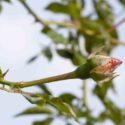
A blind shoot may have normal foliage and vigor but lacks the expected terminal flower bud. Frost damage, unfavorable weather, inadequate light, or poor growing conditions may contribute, although the exact cause isn’t always clear.
Compare several shoots of similar age. A normal flowering shoot develops a visible bud at its tip; a blind shoot reaches maturity without forming one.
Don’t confuse a young shoot that hasn’t matured with a blind shoot. Similarly, a blackened or missing bud may suggest frost or insect injury rather than true blindness.
What to do: On a suitable repeat-flowering rose, cut blind shoots back by approximately half to a strong, healthy bud. This may stimulate flowering replacement growth. Improve sunlight and growing conditions, but avoid indiscriminately cutting back main canes on climbing or once-blooming roses.
Blind shoot or damaged bud? A blind shoot never forms a normal terminal flower bud. A shoot whose tip has blackened or shriveled may instead have suffered frost, pest feeding, or another injury. Examine the shoot tip before pruning.
Many roses flower generously in spring, slow during extreme summer heat, and bloom again when temperatures become more favorable.
High temperatures can shorten flower life, interfere with bud development, and increase water stress. In hot inland gardens, a midsummer flowering pause doesn’t necessarily indicate disease or poor nutrition.
What to do: Maintain root-zone moisture, mulch to moderate soil temperatures, and avoid heavy feeding or aggressive pruning during heatwaves.
When might blooms return? On healthy repeat-flowering varieties, flowers often return as temperatures moderate, sometimes producing a stronger fall display.
Drought can slow shoot growth, reduce flower size, and cause developing buds to drop. But excessive watering can be equally damaging.
Saturated soil limits oxygen around roots and may encourage root rot. A rose with damaged roots may wilt even when the soil is wet.
What to do: Check soil moisture several inches below the surface before watering. Irrigate deeply when needed, adjusting frequency for rainfall, temperature, soil texture, and drainage. Container roses require particular attention during hot weather.
For detailed watering and soil recommendations, see Gardenia’s rose bush care guide.
Recovery: Flowering may improve when healthy root growth resumes, but buds lost to stress won’t recover. Severely damaged roots may require a long recovery period.
If your rose forms buds that never open, the issue isn’t necessarily flower production. Something may be damaging the buds after they develop.
Thrips are tiny insects that feed within developing flowers, causing scarred, streaked, or distorted petals. Inspect damaged buds for slender insects.
Rose midge is a less common, regionally important pest. Its larvae damage tender growing tips and young buds, which may blacken, shrivel, or drop before opening.
Similar damage can result from frost or other causes, so identify the pest before treating.
Botrytis gray mold favors damp conditions and may cause brown flower buds, rotting petals, and fuzzy gray fungal growth.
Persistent rain can also cause rose balling, when wet outer petals stick together and prevent flowers from opening. Densely petaled varieties are particularly vulnerable.
Remove spoiled blooms and improve airflow. If weather caused the problem, later buds may develop normally.
Late frost may kill developing buds while leaving the rest of the rose alive. Extreme heat or moisture stress can also cause bud failure.
Gardenia’s Rose Problems Diagnosis Guide helps distinguish damaged buds, fungal diseases, pest injury, and environmental stress.
Why aren’t my rose buds opening?
Identify the cause before applying pesticides. Weather damage cannot be corrected with sprays.
Roses need healthy foliage to support new growth and flowers. Severe pest infestations or repeated disease-related defoliation may reduce blooming.
Rose black spot can cause premature leaf drop, while powdery mildew may distort shoots and buds. Heavy infestations of aphids or spider mites can weaken plants.
Inspect both leaf surfaces and growing tips. A few spotted leaves or isolated insects rarely explain a complete lack of flowers.
For symptoms, identification, and treatment options, visit Gardenia’s Rose Problems guide.
A recently planted rose may prioritize root establishment over flowering. Transplant stress, disturbed roots, and unfamiliar growing conditions can temporarily slow flower production.
Provide adequate sunlight and moisture, and avoid heavy fertilizer applications intended to force rapid flowering. Some roses bloom during their first season; others need longer to establish.
Many climbing roses flower from shorter laterals developing along established main canes. Very upright canes may produce most of their flowers near the tips.
Train flexible main canes horizontally or in broad arcs along an appropriate support. This can encourage flowering laterals along more of the stem. Never force stiff canes into sharp bends.
Identify the cultivar before pruning. Most traditional ramblers flower once, while many climbers repeat. Gardenia’s Climbing vs. Rambling Roses guide explains the differences.
Removing spent flowers can encourage further blooming on many repeat-flowering roses. Cut back to an appropriate healthy bud without unnecessarily removing foliage.
Some landscape roses rebloom without deadheading. Once-blooming roses won’t produce another major flush simply because faded flowers were removed. Leave spent flowers on varieties grown for ornamental hips.
When a rose refuses to flower, changing everything at once can create additional stress. A more reliable approach is to identify the most likely cause and correct it.
When should you expect flowers? Healthy repeat bloomers may improve during a later flush. A once-blooming rose whose flowering stems were removed may not flower again until next year. Severely stressed plants may require longer.
Want Roses That Bloom Reliably in Your Garden?
Gardenia’s Plant Finder helps you explore roses suited to your hardiness zone, sunlight, soil, drainage, and available space. Compare individual rose profiles for flowering habit, bloom season, and mature size before choosing your next variety.
A rose that isn’t blooming doesn’t necessarily need more fertilizer or harder pruning. It may need more sunlight, healthier roots, time to establish, or relief from summer heat. And sometimes it has simply completed its natural flowering season.
Start with the flowering habit, examine the shoots, and address the actual cause. That’s the most reliable route to healthier roses and more rewarding blooms.
Common causes include insufficient sunlight, excess nitrogen, incorrect pruning, blind shoots, or a naturally once-blooming variety. Check the rose’s flowering habit, sunlight, and shoot tips before changing its care.
First confirm the variety is repeat-flowering. Provide adequate sunlight, suitable watering, and balanced nutrition. Deadhead when appropriate, avoid cutting off developing buds, and allow time for another natural flowering flush.
Some species roses, Old Garden Roses, and ramblers bloom only once each year. Repeat-flowering roses may pause between flushes, particularly during extreme heat. Identify the variety before assuming there is a problem.
Possible causes include shade, incorrect pruning, immature canes, or a once-blooming habit. Training flexible main canes more horizontally may encourage flowering laterals. Pruning must suit the specific cultivar.
Blind shoots are rose stems that grow normally but fail to develop a terminal flower bud. Frost, shade, or unfavorable growing conditions may contribute. Selective pruning on suitable repeat-flowering roses may stimulate shoots that flower later.
No fertilizer guarantees more flowers. Roses need balanced nutrition, but excessive nitrogen may favor foliage over blooms. Choose fertilizer according to soil fertility and plant needs rather than automatically applying high-phosphorus products.
Possible causes include Botrytis gray mold, thrips, prolonged rain, frost, or heat. Less commonly, rose midge may damage young buds. Check for fungal growth, insects, scarring, or weather injury before treating.
Yes. Some repeat-flowering roses produce fewer or smaller flowers during extreme heat, then bloom more strongly as temperatures moderate. Maintain adequate moisture and avoid unnecessary heavy pruning or fertilizing during heatwaves.
Updated and reviewed by Gardenia: October 2026
| Hardiness |
4 - 10 |
|---|---|
| Climate Zones | 1, 1A, 1B, 2, 2A, 2B, 3, 3A, 3B, 4, 5, 6, 7, 8, 9, 10, 11, 12, 13, 14, 15, 16, 17, 18, 19, 20, 21, 22, 23, 24, A1, A2, A3, H1, H2 |
| Plant Type | Roses, Shrubs |
| Plant Family | Rosaceae |
| Genus | Rosa, Rosa - English Rose, Rosa - Floribunda Rose, Rosa - Grandiflora Rose, Rosa - Groundcover Rose, Rosa - Hybrid Tea Rose, Rosa - Shrub Rose |
| Exposure | Full Sun, Partial Sun |
| Season of Interest | Spring (Late), Summer (Early, Mid, Late), Fall |
| Maintenance | Average |
| Water Needs | Average |
| Soil Type | Chalk, Clay, Loam, Sand |
| Soil pH | Acid, Alkaline, Neutral |
| Soil Drainage | Moist but Well-Drained, Well-Drained |
| Characteristics | Cut Flowers, Fragrant, Showy |
| Landscaping Ideas | Beds And Borders, Ground Covers, Hedges And Screens, Patio And Containers, Wall-Side Borders, Small Gardens |
| Garden Styles | City and Courtyard, Informal and Cottage |
Create a membership account to save your garden designs and to view them on any device.
Becoming a contributing member of Gardenia is easy and can be done in just a few minutes. If you provide us with your name, email address and the payment of a modest $25 annual membership fee, you will become a full member, enabling you to design and save up to 25 of your garden design ideas.
Join now and start creating your dream garden!