Create Your Garden

Vermont Planting Zones – Growing Zones Guide

Learn how Vermont’s 2023 USDA hardiness zones, frost dates, and microclimates shape what you can grow. From Champlain Valley veggies to Northeast Kingdom wildflowers, discover the best plants, native species, and month-by-month planting tips to build a resilient, pollinator-friendly Vermont garden that thrives year after year.
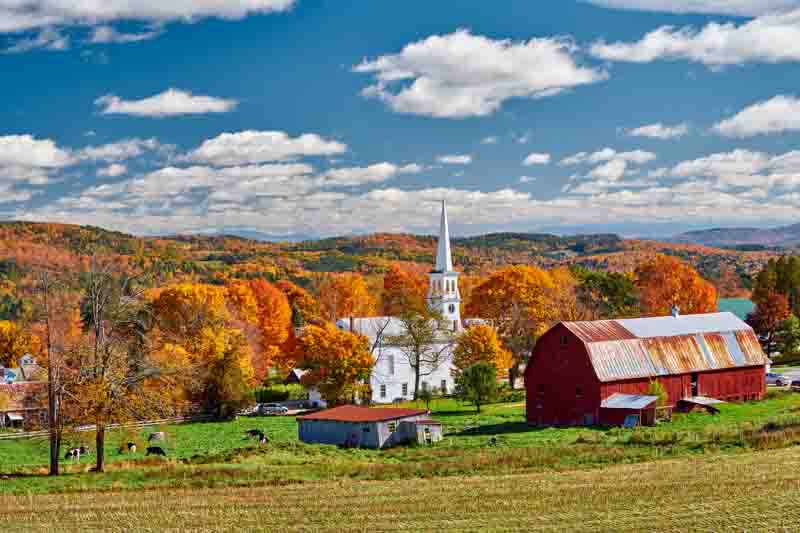
Vermont landscape in the fall

Vermont Growing Zones Guide: Frost Dates, Maps & What to Plant

Gardening in Vermont can mean a lakeside vegetable patch along Lake Champlain, a tiny pollinator strip in downtown Burlington, a hillside berry garden in the Green Mountains, a riverside border along the Connecticut River, or a short-but-bountiful summer plot in the Northeast Kingdom. Vermont planting zones range from chilly northern highlands to comparatively mild pockets in the Champlain Valley and southern valleys.

This guide will help you understand your Vermont growing zone, read the USDA map, plan around frost dates, and choose the best plants for your corner of the Green Mountain State.

What Planting Zone Is Vermont In?

Vermont sits in the northern heart of New England, where elevation, latitude, lake-effect moderation, and sheltered valleys all shape the climate. On the 2023 USDA Plant Hardiness Zone Map, Vermont falls mainly in zones 4a–5b, with small 6a pockets in the Champlain Valley and some southern river valleys. Higher, exposed ridges can be slightly colder than the surrounding landscape.

  • Northeast Kingdom & Northern Highlands: Upland towns and ridges in the Northeast Kingdom and far north are largely in zones 4a–4b, with long winters, cool summers, and the shortest growing seasons.
  • Central Green Mountains & Uplands: Mountain towns such as Stowe, Waitsfield, and Killington sit mainly in zones 4b–5a, with cool nights, deep snow, and a moderate but frost-prone season.
  • Champlain Valley & Northwest Lowlands: Burlington, Shelburne, Middlebury, and nearby lowlands are generally zones 5a–5b, with locally warmer 6a pockets near the lake and in dense town centers.
  • Central Valleys & Foothills: The broad valleys around Montpelier, Barre, and Rutland fall mostly in zones 4b–5b, great for hardy fruits, vegetables, and perennials.
  • Connecticut River Valley & Southern Vermont: Brattleboro, Bennington, Windsor County, and many southern valley towns are among Vermont’s mildest areas, often zones 5a–6a, with the longest frost-free periods.

USDA Hardiness Zone Map for Vermont

The updated 2023 USDA Plant Hardiness Zone Map is based on 30-year averages (1991–2020) of each location’s coldest winter temperatures. In Vermont, the map shows a clear pattern: cooler zones in the northern highlands and higher Green Mountains, and progressively milder zones as you move down into the Champlain Valley, southern valleys, and the lower Connecticut River corridor.
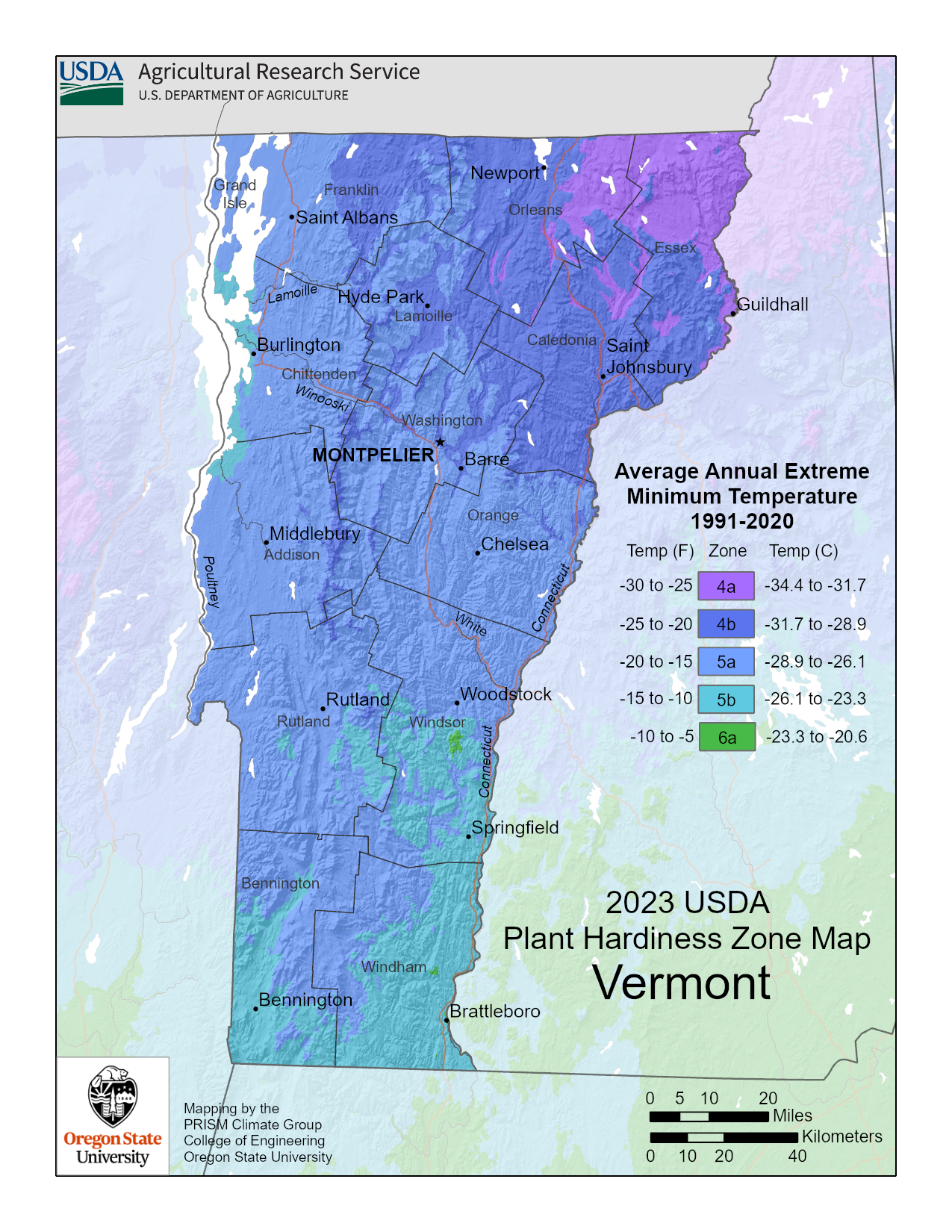
Vermont Planting Zones, Vermont Garden Zones, Vermont Hardiness Zone Map

Official 2023 USDA Vermont planting zone map, based on 1991–2020 climate data.

Use the map together with your ZIP code to pinpoint your exact Vermont garden zone. Look up your Vermont planting zone by ZIP code using the USDA tool, then come back here or visit our Plant Finder for plants tailored to your zone, soil, and sun conditions.

Vermont Growing Zones by Region

Vermont is narrow on the map but huge on microclimates. Elevation, slope, cold air drainage, distance from Lake Champlain, and even stone walls and barns can nudge a garden a half to a full zone warmer or colder than the surrounding countryside.

Champlain Valley & Northwest Cities (Approx. Zones 5a–6a)

This region includes Burlington, South Burlington, Winooski, Colchester, Shelburne, Vergennes, and lakeside communities stretching down toward Middlebury.

  • Lake Champlain moderates winter lows and spring/fall swings, giving one of Vermont’s longest growing seasons.
  • Urban heat around Burlington and paved lakefronts can shelter borderline-hardy shrubs, vines, and perennials on south-facing walls and patios.
  • Soils range from heavy valley clays to sandy river deposits; both benefit from compost, mulch, and careful watering in summer dry spells.
🔎 Find plants by hardiness zone

Central Green Mountains & Foothills (Approx. Zones 4b–5b)

Montpelier, Barre, Waterbury, Stowe village, Randolph, and many central hill towns sit in a transitional band between the relatively mild Champlain Valley and colder uplands and Northeast Kingdom.

  • Excellent for hardy fruit trees, cool- and warm-season vegetables, and classic New England perennials.
  • Average last frosts often arrive in mid–late May, with first frosts returning in late September or early October in upland pockets.
  • Rocky, glaciated soils are common—raised beds, generous compost, and mulch go a long way here.
🔎 Find plants by hardiness zone

Connecticut River Valley & Southern Vermont (Approx. Zones 5a–6a)

Brattleboro, Bennington, Springfield, Windsor County towns, and valleys along the Connecticut River experience cold winters, beautiful foliage seasons, and productive summers.

  • Valley bottoms can trap cold air (early frosts), while south-facing slopes and river benches can behave like a warmer half-zone.
  • Excellent for apples, hardy grapes, berries, and mixed vegetable gardens, with room to experiment with slightly less hardy ornamentals.
  • Wind breaks, row covers, and thoughtful siting help stretch the season and protect blossoms from late spring cold snaps.
🔎 Find plants by hardiness zone

Northeast Kingdom & Northern Highlands (Approx. Zones 4a–4b)

Far northern Vermont—St. Johnsbury, Newport area, Island Pond, and upland towns of the Northeast Kingdom—tends to have some of the state’s coldest winters and shortest seasons.

  • Very cold winters and a relatively short growing window; focus on hardy perennials, conifers, native shrubs, and fast-maturing vegetables.
  • Average last frosts may not arrive until mid–late May; first frosts often return by late September, especially in high, open sites.
  • Choose wind-sheltered sites, darker mulch to warm soil, and cold-tolerant, short-season varieties to make the most of the growing season.
🔎 Find plants by hardiness zone

Vermont Frost Dates: When to Plant and When to Protect

In Vermont, frost behaves very differently from lakeshore to mountain hollow. Along Lake Champlain and in some southern valleys, gardeners may start planting hardy crops in late April or early May. In the Northeast Kingdom and higher Green Mountain towns, killing frosts can linger into late May or even early June.

Statewide, average last frosts range from early–mid May in the warmest Champlain and southern valleys to late May in cooler central and northern locations. First fall frosts may hit the coldest upland gardens in mid–late September but often hold off until early–mid October in the mildest valleys.

Region / City Average Last Spring Frost Average First Fall Frost Approx. Frost-Free Days
Burlington / Champlain Valley (Zone 5a–5b, sheltered 6a) Late April–Early May (around Apr 28–May 10) Early–Mid October (around Oct 5–15) ~140–160 days
Montpelier / Central Vermont Mid–Late May (around May 15–26) Late September–Early October (around Sep 25–Oct 5) ~115–130 days
Rutland / Southwestern Valleys Mid–Late May (around May 12–25) Early–Mid October (around Oct 6–15) ~125–145 days
Brattleboro / Southern Connecticut River Valley Early–Mid May (around May 5–15) Early–Mid October (around Oct 1–10) ~140–160 days
St. Johnsbury / Northeast Kingdom Mid–Late May (around May 18–30) Late September–Early October (around Sep 25–Oct 5) ~115–135 days
Higher Uplands & Cold Pockets (Island Pond, High Ridges) Late May–Early June Mid–Late September ~90–115 days

Zone ranges and frost dates are based on the 2023 USDA Plant Hardiness Zone Map and regional frost-date tools such as NOAA climate normals and local extension frost-date tables. Use ZIP-code–based lookups and local climate data for the most precise information for your garden.

Use these frost dates as flexible guidelines—your specific yard may run warmer or cooler depending on wind exposure, slope, pavement, nearby water, and tree cover. They’re averages, not guarantees, so keep an eye on the forecast in spring and fall and protect tender plants whenever temperatures dip toward freezing.
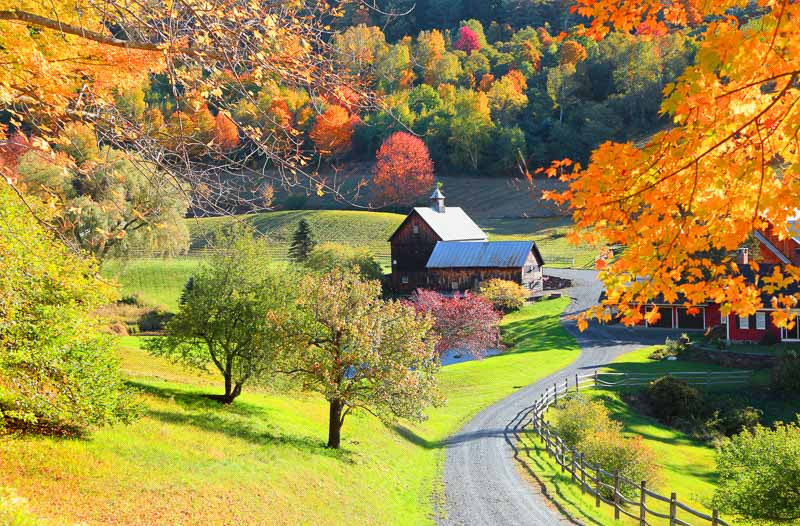
Vermont Native Plants

Interactive Vermont Planting Calendar (General Guide)

Tap a month to see what to plant in Vermont by zone. Use this as a starting point, then adjust for your exact frost dates, elevation, and whether you garden on the Champlain lakeshore, in central valleys, or in the Northeast Kingdom and higher Green Mountains.

🌆 Zones 5a–6a: Champlain & Southern Valleys (Burlington, Middlebury, Brattleboro, Bennington)
🌾 Zones 4b–5b: Central Hills & Foothills (Montpelier, Barre, Rutland)
🌲 Zones 4a–4b: Northeast Kingdom & Higher Uplands (St. Johnsbury, Island Pond, upland towns)
January – Plan, Dream & Start Slow Indoors
  • All zones: Review last year’s garden, order seeds, and sketch beds. Clean and sharpen tools; check grow lights and heat mats.
  • Zones 5–6: Start slow-growing perennials, onions, and leeks indoors late in the month.
  • Zones 4–5: Focus on planning and infrastructure—it’s usually too early for most indoor starts unless you have excellent light and space.
February – Seed-Starting Season Begins
  • Zones 5–6: Start cool-season crops indoors (broccoli, cabbage, lettuce), plus onions, leeks, and hardy herbs like parsley and chives.
  • Zones 4–5: Begin starting brassicas and hardy annual flowers indoors mid–late month.
  • Coldest uplands: Start onions and leeks inside; wait a bit longer for tomatoes and peppers.
March – Early Cool-Season Planning
  • Zones 5–6: Start more brassicas, herbs, and flowers indoors; in milder lakeshore or valley spots, direct-sow peas and spinach late in the month if soil can be worked.
  • Zones 4–5: Continue indoor seed starting; pot up slow seedlings and set up cold frames for future hardening off.
  • Colder uplands & NEK: Focus on transplants and season-extension plans; deep snow may linger.
April – Main Cool-Season Planting (South & West) & Soil Prep (North)
  • Zones 5a–6a (Champlain & southern valleys): As soon as soil is workable, direct-sow peas, spinach, radishes, and lettuce; plant potatoes and onions; set out brassicas under row cover.
  • Zones 4b–5a (central hills): Finish indoor sowing of tomatoes and peppers; begin outdoor planting of hardy greens toward month’s end in warm microclimates.
  • Zones 4a–4b (NEK & higher elevations): Snow may still be around—prep beds, add compost, and keep warm-season crops indoors.
May – Last Frosts & Warm-Season Kickoff
  • Zones 5a–6a: After your last frost, transplant tomatoes, peppers, eggplant, basil, and warm-season annuals; sow beans, corn, squash, cucumbers, and sunflowers.
  • Zones 4b–5a: Once frost danger passes (often mid–late May), plant warm-season crops and harden off seedlings gradually.
  • Coldest sites: In the chilliest uplands and NEK hollows, plant warm-season crops toward late May or early June and keep row covers handy.
June – Grow, Stake & Mulch
  • All zones: Stake tomatoes, trellis peas and cucumbers, and mulch beds to retain moisture and suppress weeds.
  • Warmer valleys: Succession-sow beans, carrots, beets, and salad greens; thin fruit trees and monitor for pests.
  • Higher elevations: Finish planting warm-season crops early in the month; keep young plants well-watered and protected from wind.
July – Peak Summer & First Big Harvests
  • All zones: Harvest early greens, peas, new potatoes, and summer squash; water deeply during dry stretches.
  • Zones 5–6: Start seeds indoors or in a shaded nursery bed for fall crops (broccoli, cabbage, kale, and lettuce).
  • Zones 4–5: Sow another round of beans and quick crops like radishes and baby greens to maximize the shorter season.
August – Fall Garden Planting
  • Zones 5–6: Direct-sow spinach, lettuce, radishes, and turnips for fall harvest; transplant fall brassicas started in July.
  • Zones 4–5: Plant fall greens and roots early in the month; use shade cloth or light mulch to help seedlings in the heat.
  • Coldest areas: Focus on fast crops like radishes and baby greens; begin prepping beds for garlic and cover crops.
September – Cooler Nights & Second Seasons
  • Warmer valleys: Enjoy fall greens and late tomatoes; start planting garlic toward the end of the month.
  • Central & upland zones: Harvest summer crops and fall plantings of kale, lettuce, and radishes; be ready to cover tender crops on chilly nights.
  • NEK & high ridges: Monitor for early frosts; prioritize harvesting and protecting warm-season crops.
October – Frosts, Fall Color & Garlic Time
  • Zones 5–6: Plant garlic, spring-flowering bulbs, and hardy perennials; continue harvesting cool-season crops under row cover.
  • Zones 4–5: Harvest pumpkins, winter squash, apples, and storage roots; mulch beds and plant garlic before the ground freezes.
  • Coldest spots: Clean up beds after hard frost, add compost, and protect young perennials with mulch.
November – Wrap-Up & Winter Prep
  • All zones: Finish mulching, drain hoses and irrigation lines, and protect young trees from rodents and deer.
  • Store tools, label beds for spring, and jot down notes about what worked and what you’ll change next year.
December – Rest, Reflect & Enjoy Evergreens
  • All zones: Enjoy winter interest from evergreens, berries, and ornamental grasses.
  • Review seed catalogs, evaluate this year’s successes and challenges, and dream up next season’s Vermont garden.

Vermont Gardening Tips by Zone

Vermont gardeners juggle rocky soils, cold winters, mud season, blackflies, deer and moose, surprise spring frosts, and rapidly changing weather. These tips help your plants thrive from zone 4a to 6a (with a few colder peaks):

  • Know your microclimate. A sheltered Burlington backyard may behave like a warmer zone 6a, while a windswept ridge in the Northeast Kingdom feels like zone 4—even if maps say otherwise.
  • Time your seasons. In the Champlain and southern valleys, you can plant earlier and harvest later. In central and northern zones, rely on compact, quick-maturing varieties and season extension.
  • Improve challenging soils. Much of Vermont has stony, acidic, or compacted soils. Add compost regularly, test pH, and consider raised beds for vegetables and herbs.
  • Water wisely. Use drip irrigation or soaker hoses under mulch to conserve water and limit foliar diseases during humid spells.
  • Use mulch generously. Organic mulches moderate soil temperature, suppress weeds, and reduce splash-borne diseases on tomatoes, roses, and cucurbits.
  • Rotate crops. Moving plant families around the garden each year helps manage pests and soil-borne diseases, especially in small vegetable plots.
  • Plan for wildlife. Fencing, tree guards, and resistant plant choices help you coexist with deer, rabbits, voles, and the occasional moose or bear.
  • Lean on natives. Let native trees, shrubs, and perennials form the backbone of your landscape, with tender or thirsty plants tucked into key protected spots.

Beyond USDA Zones: Snow, Wind & Microclimates in Vermont

USDA hardiness zones (primarily 4a–6a on the 2023 map) tell you how cold it gets in winter, but they don’t capture snowpack, wind, summer heat, or drainage. For a fuller picture, combine your USDA zone with local frost dates, slope and exposure (south-facing vs. north-facing), and soil type. In practice, that means a tomato on a sunny, stone-backed patio in Burlington lives in a very different world than a tomato in a breezy field near Island Pond—even if both share a similar hardiness zone.

Start Growing in Your Vermont Planting Zone

Now that you understand your Vermont planting zone, frost dates, and regional climate, you’re ready to choose plants that match your conditions and build a thriving garden—whether you’re growing salad greens on a balcony, herbs in a front-yard strip, or apples, berries, and wildflowers on a country acre. Blend edible crops, flowering perennials, and native plants for a landscape that feeds both your household and local wildlife. Curious how Vermont compares to other regions? Visit our national USDA planting zone guide to explore growing zones across the United States.

Vermont landscape in winter

Frequently Asked Questions

What planting zone is Vermont in on the 2023 USDA map?

On the 2023 USDA Plant Hardiness Zone Map, most Vermont gardens fall between zones 4a–5b as the core, 6a as limited. Higher, exposed ridges in the northern mountains can be slightly colder, while the Champlain Valley and parts of southern river valleys reach the warmest zones, including 5b and small 6a pockets.

What growing zones are Burlington and Montpelier, VT?

Burlington, on Lake Champlain, is generally in zone 5a–5b, with a few sheltered 6a microclimates near the lakeshore and in the urban core. Montpelier, in central Vermont’s uplands, is typically zone 4b–5a, with cooler nights and a shorter growing season than Burlington.

How long is the growing season in Vermont?

Vermont’s growing season ranges roughly from about 110–130 frost-free days in colder uplands and the Northeast Kingdom to 140–160 days in the Champlain Valley and southern valleys. Many gardeners in milder areas can plant cool crops by late April and harvest into early or mid-October.

When is the last frost in Vermont, on average?

Average last spring frosts usually occur from late April to mid-May in the Champlain Valley and southern valleys, and from mid–late May in central Vermont and the Northeast Kingdom. In a few higher, colder pockets, light frosts can linger into late May or even early June in unusual years.

When does the first fall frost usually occur in Vermont?

In colder uplands and parts of the Northeast Kingdom, first fall frosts often arrive in mid–late September. In the Champlain Valley, central valleys, and southern river towns, the first frost typically holds off until late September or early–mid October, depending on elevation and local microclimate.

Can you grow tomatoes and peppers in Vermont’s cooler zones (4a–4b)?

Yes, but you need a strategy. Start seeds indoors 6–8 weeks before your last frost, choose short-season or “early” varieties, use black plastic or dark mulch to warm the soil, and plant in your warmest microclimate (south-facing wall, protected bed, or tunnel). Low tunnels or small greenhouses greatly improve success in the coldest sites.

What are good fruit trees for Vermont?

Cold-hardy apples, pears, plums, and tart cherries perform very well across much of Vermont when varieties and rootstocks are matched to the local zone. In the warmer Champlain Valley and southern 5b–6a pockets, many gardeners also grow peaches and experiment with hardy figs in sheltered spots or containers.

Which native plants are best for a Vermont pollinator garden?

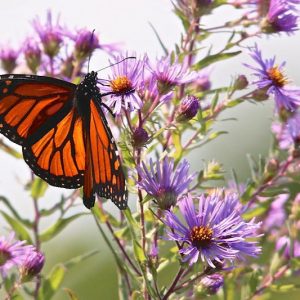
Excellent Vermont native pollinator plants include bee balm, New England aster, goldenrod, swamp milkweed, black-eyed Susan, wild columbine, and little bluestem, along with native asters and coneflowers. These species are adapted to Vermont’s climate, support butterflies and native bees, and blend beautifully into both formal and naturalistic designs. Build a Pollinator Garden that Blooms all Season Long

Updated: December 2025 • Reviewed by Gardenia Editors

Guide Information

Hardiness 4 - 6
Native Plants United States, Northeast, Vermont

Recommended Guides

Monarch Nectar Plants for Vermont
Great Pollinator Plants for Vermont
USDA Planting Zones Guide: Growing Zones by State Across the United States
Native Garden Ideas – Best Native Plants for a Beautiful Yard
Pollinator Gardens: Plants, Designs & Care Guide
The Ultimate Guide to Shade Plants for Lush Garden Design
The Ultimate Guide to Native Plants for a Beautiful Garden
The Ultimate Guide to Wildlife-Friendly Plants for a Beautiful Garden
Best Flowering Crabapples for New England
Great Clematis for New England
Best Perennials for Part Shade Gardens in New England
Best Perennials for Moist and Wet Soils in New England
Best Perennials for Late Summer and Fall in New England
Best Perennials for Full Sun Gardens in New England
Best Perennials for Full Shade Gardens in New England
Best Perennials for Gardeners in New England
Best David Austin Roses for Gardeners in New England
Best Grasses and Foliage Plants for Gardeners in New England
Beautiful Hydrangeas for New England
Beautiful Azaleas and Rhododendrons for New England
Great Shrubs with Berries for Winter Interest for New England
Best Spring Bulbs for New England
Great North American Plants for Dry Soils in New England
Great North American Shrubs for Sunny, Well-Drained Soils in New England
Great North American Trees for Sunny, Well-Drained Soils in New England
Best Trees for Gardeners in New England
Best Shrubs for Gardeners in New England
Great North American Shrubs for Moist Soils in New England
Award-Winning Shrubs for Gardeners in New England
Great Shrubs with Brilliant Fall Color for New England Gardens
Great Shrubs for Shady Gardens in New England
Great Shrubs for Sunny Slopes in New England Gardens
Overlooked Flowering Shrubs for New England Gardens
Great Shrubs for Dry Soils in New England
Recommended Native Shrubs for Virginia’s Central Rappahannock Region
Guides with
Vermont
While every effort has been made to describe these plants accurately, please keep in mind that height, bloom time, and color may differ in various climates. The description of these plants has been written based on numerous outside resources.

Guide Information

Hardiness 4 - 6
Native Plants United States, Northeast, Vermont
Guides with
Vermont

Related Items

Please Login to Proceed

You Have Reached The Free Limit, Please Subscribe to Proceed

Subscribe to Gardenia

To create additional collections, you must be a paid member of Gardenia
  • Add as many plants as you wish
  • Create and save up to 25 garden collections
Become a Member

Plant Added Successfully

You have Reached Your Limit

To add more plants, you must be a paid member of our site Become a Member

Update Your Credit
Card Information

Cancel

Create a New Collection

Sign Up to Our Newsletter

    You have been subscribed successfully

    Join Gardenia.net

    Create a membership account to save your garden designs and to view them on any device.

    Becoming a contributing member of Gardenia is easy and can be done in just a few minutes. If you provide us with your name, email address and the payment of a modest $25 annual membership fee, you will become a full member, enabling you to design and save up to 25 of your garden design ideas.

    Join now and start creating your dream garden!

    Join Gardenia.net

    Create a membership account to save your garden designs and to view them on any device.

    Becoming a contributing member of Gardenia is easy and can be done in just a few minutes. If you provide us with your name, email address and the payment of a modest $25 annual membership fee, you will become a full member, enabling you to design and save up to 25 of your garden design ideas.

    Join now and start creating your dream garden!
    Find your Hardiness Zone

    Find your Heat Zone

    Find your Climate Zone