Butterfly Flower, Butterfly Milkweed, Butterfly Root, Butterfly Weed, Chieger Flower, Flux Root, Indian Paintbrush, Indian Potato, Orange Root, Pleurisy Root, Swallow Root, Tuber Root, White Root, Wind Root, Windward Root


Asclepias tuberosa, commonly known as Butterfly Weed or Butterfly Milkweed, is a North American native perennial prized for its brilliant orange flowers, exceptional drought tolerance, and value to butterflies and other pollinators. Unlike some milkweeds that spread widely by underground rhizomes, Butterfly Weed forms a relatively tidy clump, making it especially easy to incorporate into home gardens.
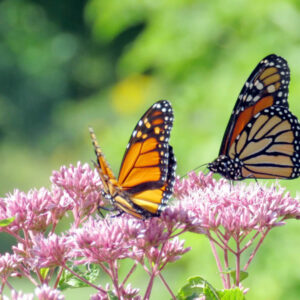
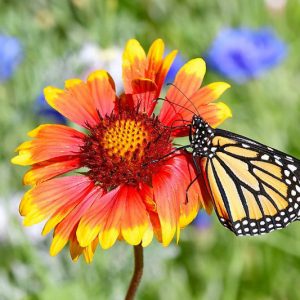
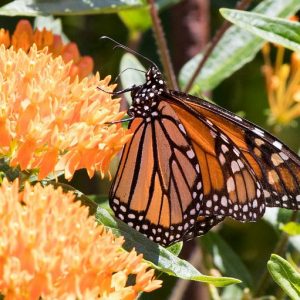
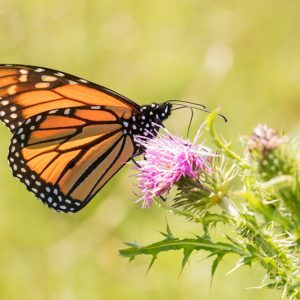
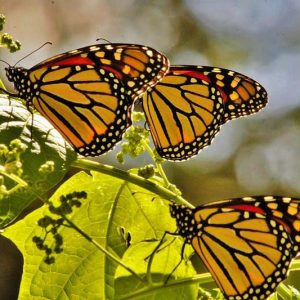
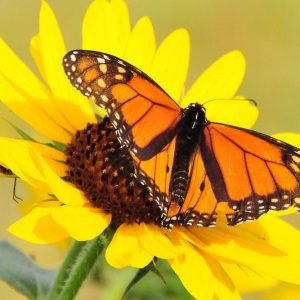
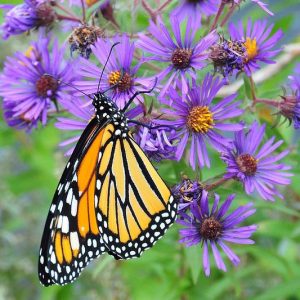
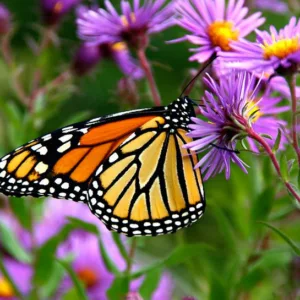
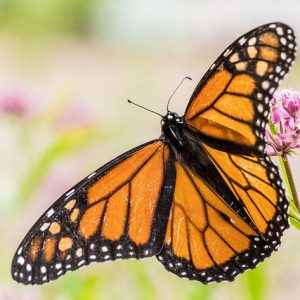
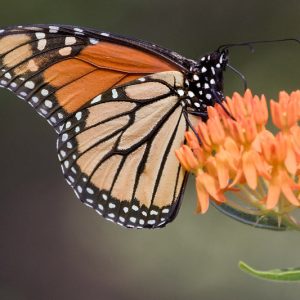
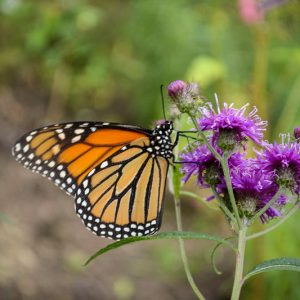
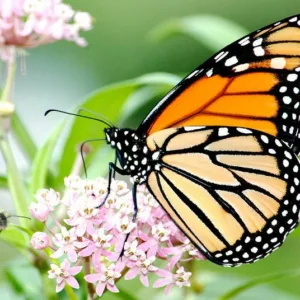
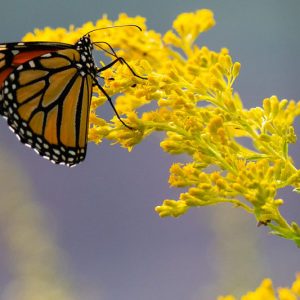
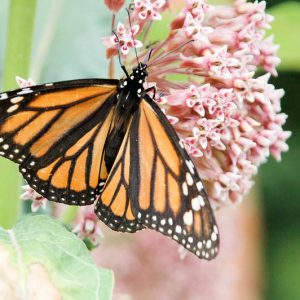
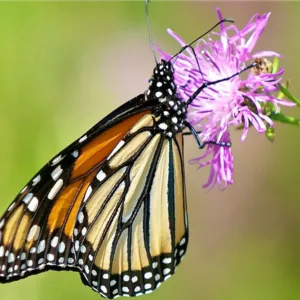
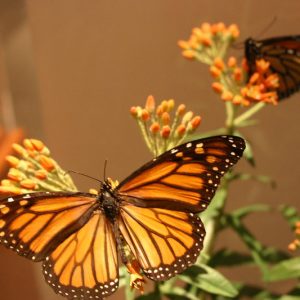
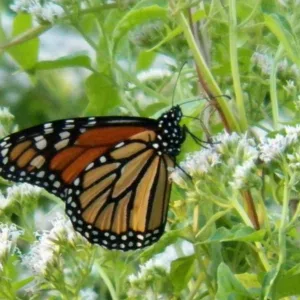
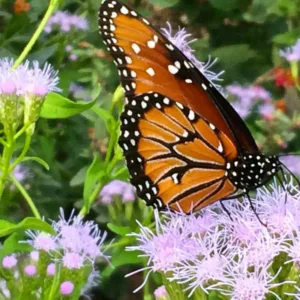
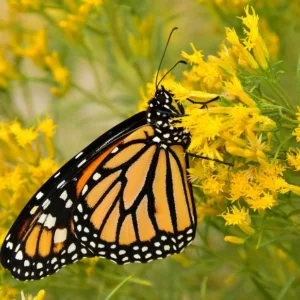
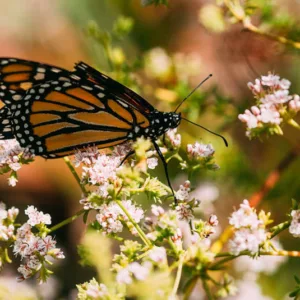
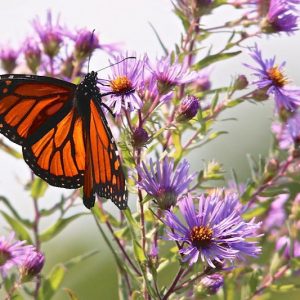
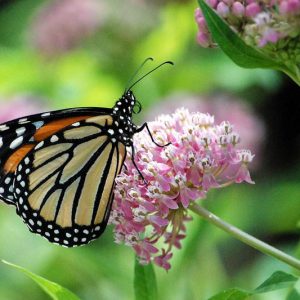
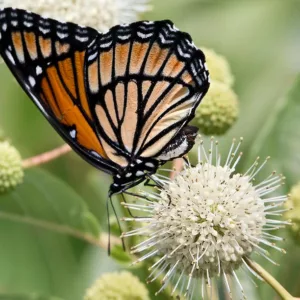
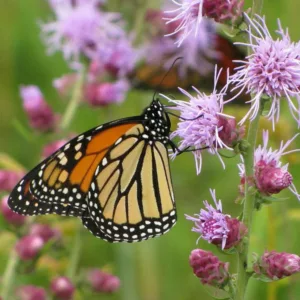
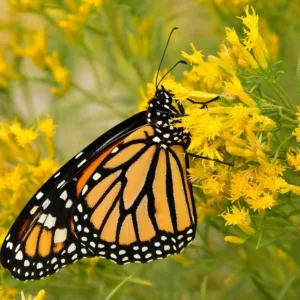
Its nectar-rich flowers attract butterflies, bees, and other beneficial insects, while its foliage is a larval host for Monarch caterpillars. With full sun, excellent drainage, and time to establish its deep root system, Butterfly Weed can become a long-lived feature of prairie gardens, pollinator borders, meadows, native plantings, rock gardens, and dry landscapes.
Asclepias tuberosa is a clump-forming native milkweed with vivid orange flowers from late spring through summer. Hardy in USDA Zones 3-9, it grows best in full sun and dry to medium, well-drained soil. Once established, it is highly drought-tolerant. Its foliage feeds Monarch caterpillars, while its flowers provide nectar for adult butterflies, bees, and other pollinators.

Use: Excellent for pollinator gardens, butterfly gardens, native borders, prairies, meadows, rock gardens, dry gardens, and naturalistic plantings.
Highlight: Brilliant orange flowers provide nectar for many pollinators, while the foliage serves as a Monarch caterpillar host.
Design note: Pair with purple, blue, and yellow prairie flowers and grasses for strong color contrast and a longer season of nectar.
| Botanical Name | Asclepias tuberosa |
|---|---|
| Family | Dogbane family (Apocynaceae) |
| Common Names | Butterfly Weed, Butterfly Milkweed, Orange Milkweed, Pleurisy Root |
| Native Range | Native across a broad area of eastern and central North America, extending into parts of the Southwest |
| Plant Type | Herbaceous perennial; upright and clump-forming with a deep, substantial root system |
| Hardiness | USDA Zones 3-9 |
| Height | 18-36 in. (45-90 cm), depending on conditions and provenance |
| Spread | 12-24 in. (30-60 cm) |
| Sun Exposure | Full sun for best flowering; light partial shade tolerated |
| Soil | Average to poor, sandy, gravelly, rocky, or other well-drained soils |
| Water | Regular moisture during establishment; low water needs once established |
| Bloom Time | Late spring through summer, varying by climate and region |
| Flower Color | Orange, yellow-orange, or reddish-orange |
| Drought Tolerant | Yes, once established |
| Wildlife Value | Monarch larval host; nectar for butterflies, bees, and other pollinators |
| Toxicity | Contains cardiac glycosides and should not be eaten; potentially harmful to people, pets, horses, and livestock if ingested |
| Spreading Habit | Clump-forming rather than aggressively rhizomatous; may self-seed |
Butterfly Weed is one of the most garden-friendly members of the milkweed genus, Asclepias. It combines the ecological value of a native milkweed with vivid flower color, a manageable growth habit, and excellent tolerance of dry conditions.
Unlike Common Milkweed (Asclepias syriaca), which can develop large colonies through spreading rhizomes, Asclepias tuberosa normally develops as an individual clump. It can produce seedlings, but its growth is generally easier to accommodate in perennial borders and smaller garden spaces.
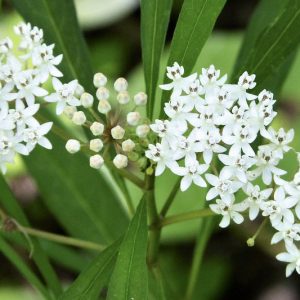
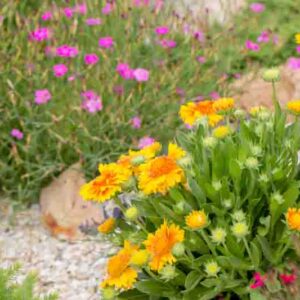
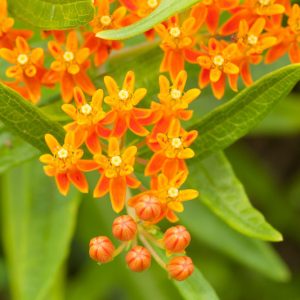
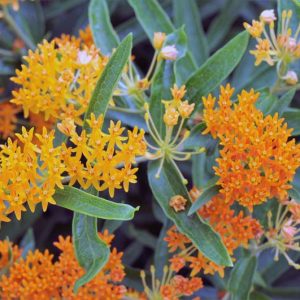
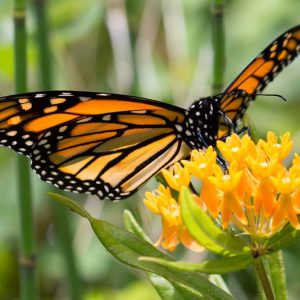
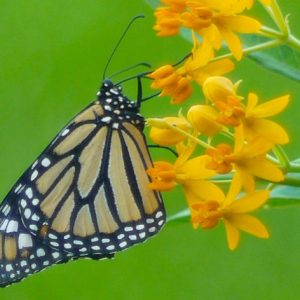
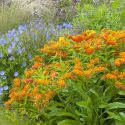
Butterfly Weed forms multiple upright stems clothed with narrow, lance-shaped green leaves. From late spring into summer, the stem tips carry broad clusters of small, complex milkweed flowers in glowing shades of orange, yellow-orange, or reddish-orange.
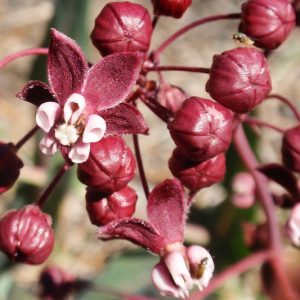
The vivid blooms stand out dramatically against prairie grasses and blue, purple, pink, and yellow perennials. After flowering, elongated spindle-shaped seed pods develop. When mature, they split open and release flat brown seeds attached to silky fibers that carry them on the wind.
Unlike most familiar milkweeds, Butterfly Weed generally does not produce conspicuous milky latex when its stems or leaves are broken.
Asclepias tuberosa is native across a broad area of North America. In the wild, it grows in sunny, open habitats including prairies, fields, dry meadows, roadsides, rocky slopes, glades, and open woodland edges.
Its natural habitat provides the best clue to successful garden culture: sun and drainage matter more than rich soil. Butterfly Weed is at home in relatively lean, dry conditions and often struggles more in wet, heavily amended beds than in poorer soil.
This is very different from Swamp Milkweed (Asclepias incarnata), which naturally favors consistently moist conditions. Matching the milkweed species to both your region and your site is more important than simply choosing whichever milkweed happens to be available.
Butterfly Weed commonly reaches about 18-36 inches tall (45-90 cm), forming a relatively compact upright clump. Plants vary in size according to climate, soil, moisture, genetics, and local provenance.
Below ground, the plant develops a substantial root system that helps it survive drought. That deep rooting also explains why mature Butterfly Weed dislikes being moved. Choose its position carefully, and whenever possible transplant only young plants.
The brilliant flowers are usually the star attraction. Individual blooms are small, but dozens are grouped into broad clusters that create intense blocks of color and convenient landing platforms for visiting pollinators.
Flowering typically begins from late spring into summer and can continue for several weeks. Removing spent flower clusters may encourage additional flowering under favorable conditions, although rebloom varies with climate and plant vigor.
The decorative seed pods extend the season into late summer and fall. Leave some to mature if you want seedlings and enjoy their silky seeds, or remove them before they open if you prefer to limit self-seeding.
One quirk surprises many first-time growers: Butterfly Weed often emerges noticeably later than neighboring perennials. A perfectly healthy plant can remain invisible while the rest of the border is already growing.
Mark its location in fall or winter so you do not accidentally dig into the dormant crown during spring cleanup.
Butterfly Weed is generally hardy in USDA Zones 3-9. Winter cold itself is rarely its greatest challenge. Poor drainage around the dormant crown can be more damaging than low temperatures.
Once established, it is also notably drought-tolerant, making it particularly useful where summer water is limited.
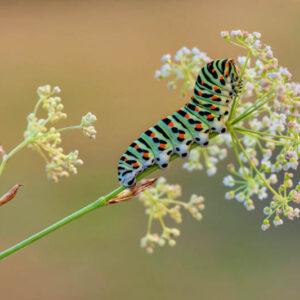
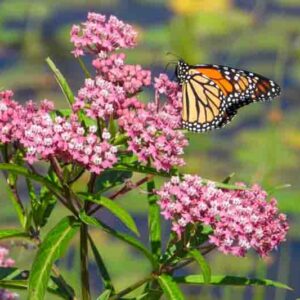
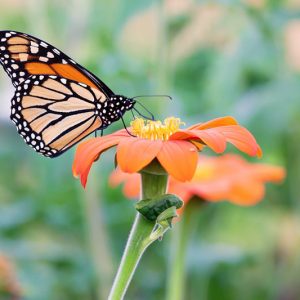
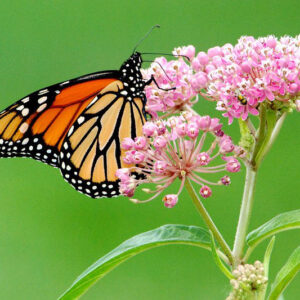
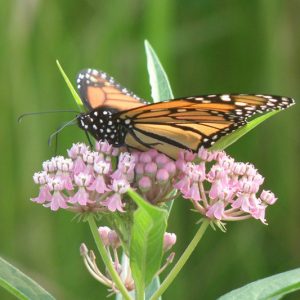
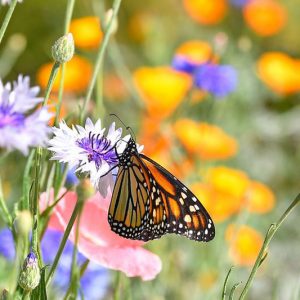
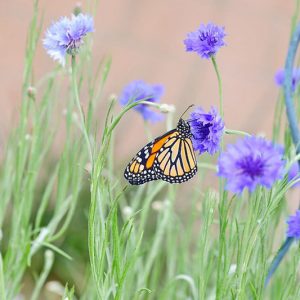
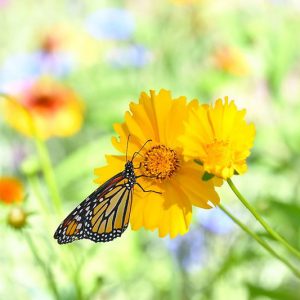
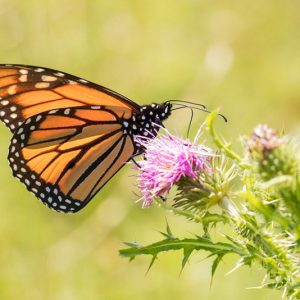
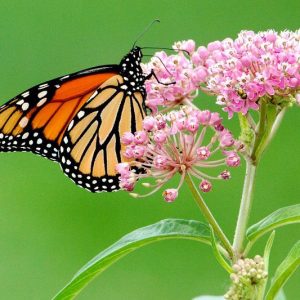
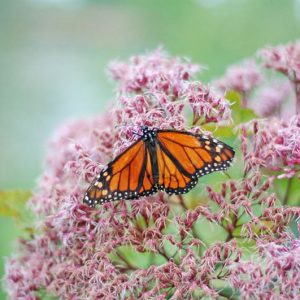
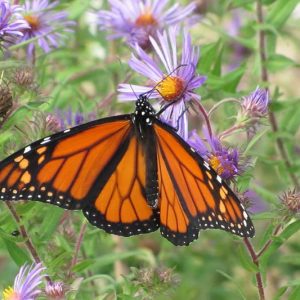
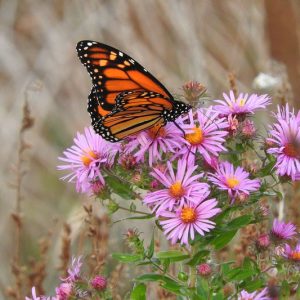
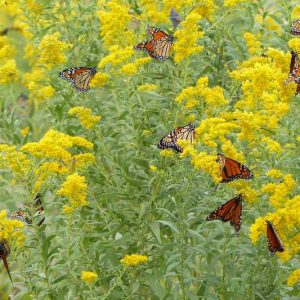
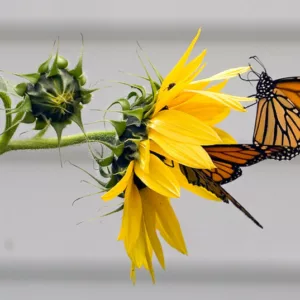
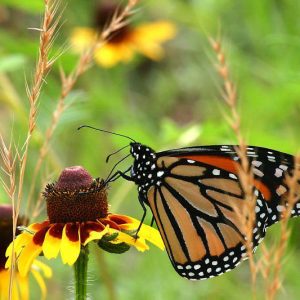
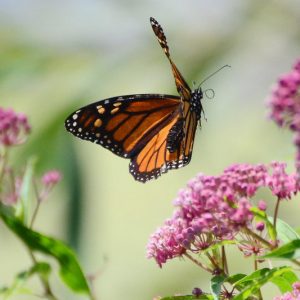
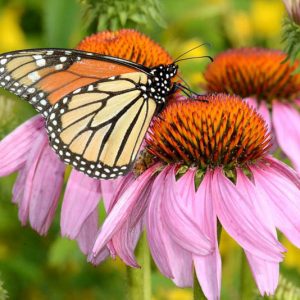
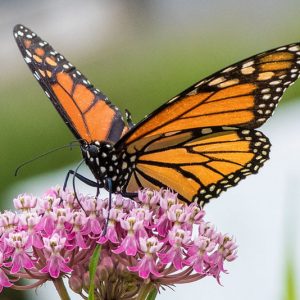
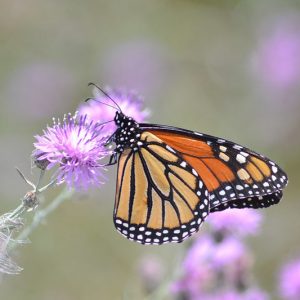
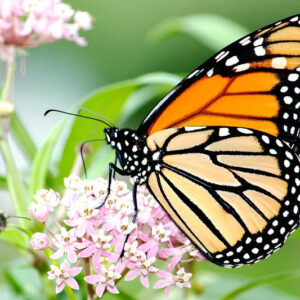
Butterfly Weed serves two roles in a Monarch garden: its foliage can feed Monarch caterpillars, while its flowers provide nectar for adult Monarchs and many other pollinators. For stronger habitat, combine locally appropriate milkweed with nectar-rich plants that flower at different times from spring through fall.
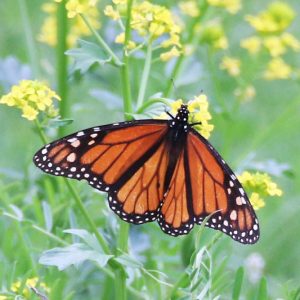
Milkweeds are essential to the Monarch butterfly life cycle. Female Monarchs lay their eggs on suitable milkweed plants, and the emerging caterpillars feed on the foliage.
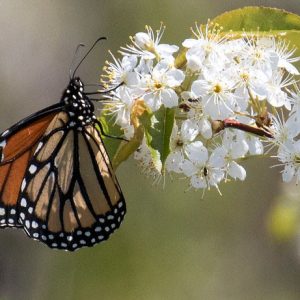
Adult Monarchs have different needs. They drink nectar from many kinds of flowers, particularly during breeding and migration. This means that a strong Monarch garden should contain more than milkweed alone.
Where Butterfly Weed is native and appropriate to the site, combine it with other locally suitable native milkweeds and a succession of nectar flowers that keep food available through as much of the growing season as possible.
Is Butterfly Weed actually a good choice for your garden? Use this quick decision guide before planting:
| Your Garden Conditions | Butterfly Weed Fit | Why |
|---|---|---|
| Full sun + fast-draining soil | Excellent | Closest to its natural growing conditions |
| Dry slope, prairie, gravel, or rock garden | Excellent | Excellent drainage and low competition from moisture-loving plants |
| Pollinator or Monarch garden | Excellent where regionally appropriate | Provides both larval-host foliage and nectar |
| Average soil that drains freely | Good | Butterfly Weed adapts to many soils if drainage is adequate |
| Heavy clay that stays wet in winter | Poor | Persistent moisture around the crown increases the risk of rot |
| Moist or rain-garden site | Choose another milkweed | Swamp Milkweed is generally better adapted to consistently moist soil |
| Need a relatively contained milkweed | Very good | Clump-forming rather than aggressively rhizomatous |
| Garden is frequently redesigned | Poor | Mature plants dislike transplanting |
There is no single “best” milkweed for every garden. Moisture, region, available space, and growth habit should determine which species you choose.
| Milkweed | Best Conditions | Moisture | Growth Habit | Best Reason to Choose It |
|---|---|---|---|---|
| Butterfly Weed Asclepias tuberosa |
Sunny borders, prairies, slopes, dry gardens | Dry to average | Clumping; may self-seed | Compact habit, orange flowers, drought tolerance |
| Swamp Milkweed Asclepias incarnata |
Moist borders, rain gardens, pond edges | Moist to wet | Clumping | Better milkweed for consistently moist sites |
| Common Milkweed Asclepias syriaca |
Meadows and larger naturalistic plantings | Average | Colonizing, rhizomatous | Useful where larger milkweed colonies are welcome |
| Showy Milkweed Asclepias speciosa |
Western native and wildlife plantings within its natural range | Dry to average | Can form colonies | Important western native milkweed with large showy flowers |
The best milkweed is not simply the prettiest one. Choose a species that is native or appropriate to your region and matches the actual moisture, sunlight, and space available in your garden.
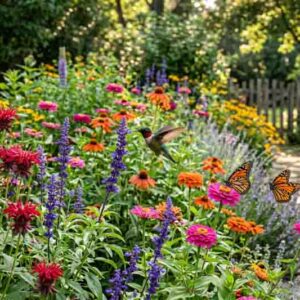
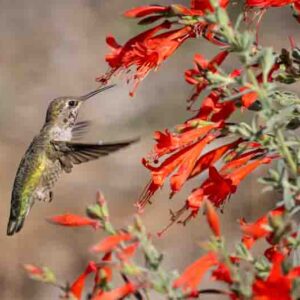
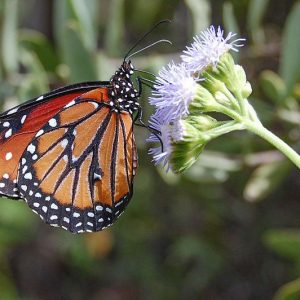
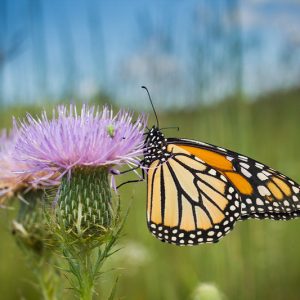
Butterfly Weed supports much more than Monarch butterflies. Its nectar-rich flowers are visited by native bees, butterflies, and other beneficial insects. Hummingbirds may also investigate the bright flower clusters.
For a more complete pollinator garden, combine Butterfly Weed with plants that provide different flower forms and bloom at different times. Gardenia’s guides to bees, butterflies, and hummingbirds can help broaden the planting beyond a single species.
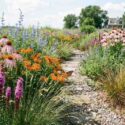
Butterfly Weed is more than a wildlife plant. Its saturated orange flowers can become a powerful design element, particularly when repeated through a sunny planting rather than used as a single isolated specimen.
The strongest companions do more than look attractive beside the orange flowers. They should also tolerate similar sun, soil, and water conditions while extending the garden’s bloom season.
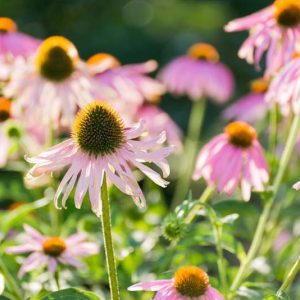
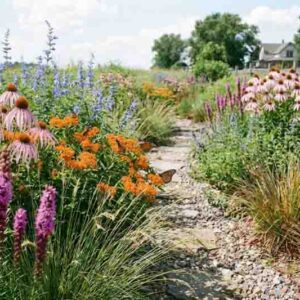
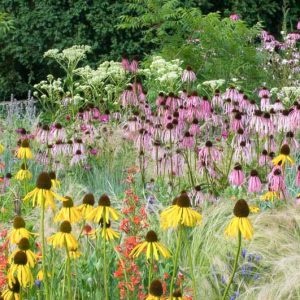
Excellent partners include Coneflowers (Echinacea), Black-Eyed Susans (Rudbeckia), Blazing Star (Liatris spicata), asters, goldenrods, little bluestem, prairie dropseed, and other sunny prairie plants.
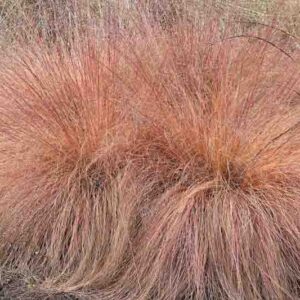
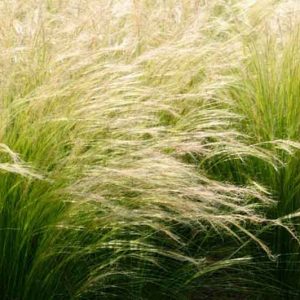
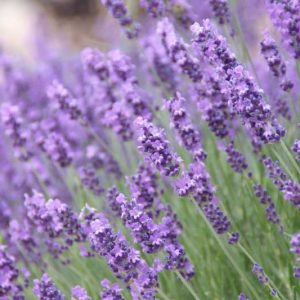
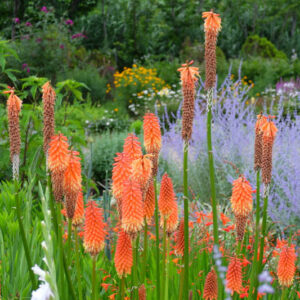
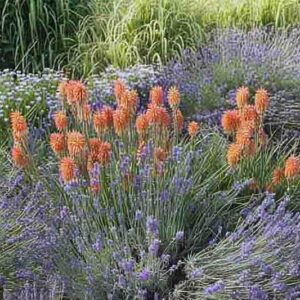
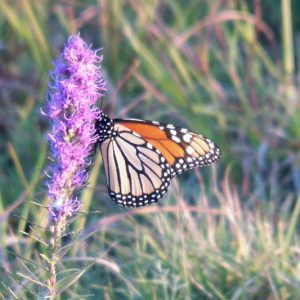
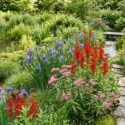
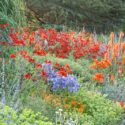
For design, orange Butterfly Weed is especially effective beside purple, violet, blue, and deep pink flowers, while fine-textured grasses soften its bold color and provide movement through the planting.
Grow Butterfly Weed in full sun, ideally with at least six hours of direct sunlight each day. It can tolerate some light partial shade, but plants generally flower more heavily and develop sturdier growth in open sun.
Good drainage is one of the most important requirements. Butterfly Weed grows in sandy, rocky, gravelly, loamy, and even some clay soils provided water does not remain around the crown for extended periods.
It does not need rich soil. In fact, heavily fertilized or overly amended beds can encourage lush growth without improving the plant’s long-term performance.
If your soil is heavy and remains wet through winter, consider a raised area, slope, berm, or another milkweed species rather than simply adding a small pocket of amended soil around the roots.
New plants need regular moisture while their roots establish. Water deeply enough to encourage downward root growth, then allow the soil to drain.
Once established, Butterfly Weed becomes highly drought-tolerant and usually requires supplemental water only during prolonged dry periods. Constantly wet soil is more likely to cause problems than temporary dryness.
Butterfly Weed generally needs little or no supplemental fertilizer. A modest amount of compost may be useful in extremely poor soil, but routine heavy feeding is unnecessary.
Spent flowers can be removed for a tidier appearance and may encourage some additional flowering. If you want to prevent self-seeding, remove developing pods before they split.
Once the stems die back, you can cut them down in late fall or leave them standing through winter and remove them before new spring growth begins.
Choose the planting location carefully. Mature Butterfly Weed develops a deep root system and generally resents transplanting.
Young nursery plants and seedlings move much more successfully than established specimens.
Patience pays off with this plant. Butterfly Weed can be slow to establish, and plants raised from seed may take two to three years to reach flowering size.
Slow early growth does not necessarily indicate a problem. Once established, plants can be durable and long-lived in a suitable site.

Seed is the easiest and most practical propagation method. Butterfly Weed seed commonly benefits from a period of cold, moist stratification, which mimics winter and helps break dormancy.
Plants grown from collected seed may not come perfectly true to named cultivars.
Butterfly Weed can also be propagated from sections of healthy roots taken while the plant is dormant. Root cuttings require more care than seed propagation and are usually unnecessary for the average gardener.
Division is generally not recommended because disturbing the mature root system can set the plant back.
Butterfly Weed is usually low-maintenance when planted in sun and well-drained soil. Most serious garden problems result either from excessive moisture or from insects naturally associated with milkweed.
Milkweeds commonly attract aphids, particularly bright yellow-orange oleander aphids. Small populations usually cause little lasting harm.
If numbers become excessive, dislodge them with a strong stream of water or remove heavily infested tips by hand. Avoid broad-spectrum insecticides on plants being grown for butterflies because they can also harm Monarch eggs, caterpillars, and beneficial insects.
Crown rot is most likely where soil remains persistently wet. Prevention is far more effective than treatment: plant at the correct depth and choose a site with reliable drainage.
Rust and occasional leaf spots may develop, particularly when foliage remains wet for long periods or air circulation is poor.
Space plants adequately and avoid unnecessary overhead irrigation.

Yes. Like other milkweeds, Asclepias tuberosa contains biologically active compounds including cardiac glycosides. It should not be treated as an edible plant.
Eating enough plant material can cause digestive and potentially more serious symptoms in people and animals. Prevent dogs, cats, horses, and livestock from consuming significant quantities, and wash your hands after extensive handling, particularly if you have sensitive skin.
Its historical common name Pleurisy Root reflects past medicinal use, but historical use should not be interpreted as evidence that the plant is safe for self-medication.
Butterfly Weed is generally considered deer-resistant rather than deer-proof. Its bitter, chemically defended foliage makes it less appealing than many garden perennials.
Rabbit damage is less predictable. Young shoots may be browsed, especially where other food is limited. Local browsing pressure can vary dramatically, so newly planted specimens may still need protection.
Butterfly Weed is not an aggressive rhizomatous spreader. It grows primarily as a defined clump rather than producing the extensive underground colonies associated with Common Milkweed.
It can nevertheless reproduce from seed. In favorable conditions, seedlings may appear near the parent plant. Remove the seed pods before they split if you prefer a tightly controlled planting.
Few native perennials combine such strong ornamental value with such practical ecological benefits.
For gardeners who want to combine wildlife value with strong garden design, Butterfly Weed is one of the most useful native perennials available.
Yes. Butterfly Weed (Asclepias tuberosa) is a true milkweed belonging to the genus Asclepias. It differs from many familiar milkweeds because it generally lacks conspicuous milky latex and grows as a relatively compact clump instead of spreading extensively through underground rhizomes.
Yes. Monarch females may lay eggs on Butterfly Weed, and the caterpillars feed on its leaves. Adult Monarchs and many other pollinators also visit the flowers for nectar.
For stronger Monarch habitat, combine locally appropriate native milkweed with diverse nectar plants that flower at different times from spring through fall.
Choose a permanent location in full sun with excellent drainage. Prairie gardens, native borders, dry meadows, gravel gardens, sunny slopes, and rock gardens are particularly suitable.
Avoid low areas where water accumulates or soil remains saturated through winter.
No. Young plants need regular moisture while establishing, but mature plants are highly drought-tolerant. Deep, occasional watering is preferable to keeping established plants constantly wet.
It may simply still be dormant. Butterfly Weed is notoriously late to emerge compared with many other perennials. Mark its position and allow additional time before deciding that the plant has died.
Seed-grown Butterfly Weed can take two to three years to reach flowering size. The plant spends considerable energy developing its root system before producing a mature floral display.
It can grow in clay if the site drains adequately. Persistently wet, compacted clay is a poor choice. On heavy sites, improving overall drainage or planting on a raised slope or berm is preferable to creating a small moisture-retentive amended hole.
It does not normally spread aggressively through rhizomes. Mature plants remain clump-forming but may produce seedlings if pods are allowed to mature and open.
Deadheading is optional. Removing spent flowers keeps the plant tidy and may encourage additional bloom. Removing developing seed pods limits self-seeding; leaving them provides ornamental interest and allows new plants to establish naturally.
Choose companions that also enjoy sun and well-drained soil. Coneflowers, Black-Eyed Susans, blazing stars, asters, goldenrods, little bluestem, prairie dropseed, and other prairie perennials can create beautiful combinations while extending nectar availability across the growing season.
Neither is inherently better. Butterfly Weed is the better choice for sunny, dry, well-drained sites, while Swamp Milkweed is better suited to consistently moist soils. The best milkweed is the species that fits both your region and your garden conditions.
| Hardiness |
3 - 9 |
|---|---|
| Heat Zones |
3 - 9 |
| Climate Zones | 1, 1A, 1B, 2, 2A, 2B, 3, 3A, 3B, 4, 5, 6, 7, 8, 9, 10, 11, 12, 13, 14, 15, 16, 17, 18, 19, 20, 21, 22, 23, 24, A1, A2 |
| Plant Type | Perennials |
| Plant Family | Apocynaceae |
| Genus | Asclepias |
| Common names | Butterfly Weed, Milkweed |
| Exposure | Full Sun |
| Season of Interest | Spring (Late), Summer (Early, Mid, Late) |
| Height | 1' - 2' (30cm - 60cm) |
| Spread | 1' - 2' (30cm - 60cm) |
| Spacing | 18" - 24" (50cm - 60cm) |
| Maintenance | Low |
| Water Needs | Low |
| Soil Type | Clay, Loam, Sand |
| Soil pH | Acid, Neutral |
| Soil Drainage | Well-Drained |
| Characteristics | Dried Arrangements, Cut Flowers, Showy |
| Native Plants | United States, Pennsylvania, Rhode Island, Vermont, Connecticut, Delaware, Maine, Massachusetts, Maryland, New Hampshire, New Jersey, New York, California, Northeast, Midwest, Southeast, Southwest, Rocky Mountains, Illinois, Indiana, Iowa, Kansas, Michigan, Minnesota, Missouri, Nebraska, Ohio, South Dakota, Wisconsin, Louisiana, Mississippi, North Carolina, South Carolina, Tennessee, Virginia, West Virginia, Alabama, Arkansas, Florida, Georgia, Kentucky, Texas, Arizona, New Mexico, Oklahoma, Colorado, Utah |
| Tolerances | Drought, Clay Soil, Deer, Rabbit, Salt, Dry Soil, Rocky Soil, Heat, Fire, Erosion |
| Attracts | Bees, Butterflies, Hummingbirds |
| Garden Uses | Beds And Borders |
| Garden Styles | Butterfly Garden, Gravel and Rock Garden, Informal and Cottage, Pollinator Garden, Prairie and Meadow |
| Toxic to Humans | Low severity |
| Toxic to Cats | Toxic |
| Toxic to Dogs | Toxic |
| Toxic to Horses | Toxic |


| Hardiness |
3 - 9 |
|---|---|
| Heat Zones |
3 - 9 |
| Climate Zones | 1, 1A, 1B, 2, 2A, 2B, 3, 3A, 3B, 4, 5, 6, 7, 8, 9, 10, 11, 12, 13, 14, 15, 16, 17, 18, 19, 20, 21, 22, 23, 24, A1, A2 |
| Plant Type | Perennials |
| Plant Family | Apocynaceae |
| Genus | Asclepias |
| Common names | Butterfly Weed, Milkweed |
| Exposure | Full Sun |
| Season of Interest | Spring (Late), Summer (Early, Mid, Late) |
| Height | 1' - 2' (30cm - 60cm) |
| Spread | 1' - 2' (30cm - 60cm) |
| Spacing | 18" - 24" (50cm - 60cm) |
| Maintenance | Low |
| Water Needs | Low |
| Soil Type | Clay, Loam, Sand |
| Soil pH | Acid, Neutral |
| Soil Drainage | Well-Drained |
| Characteristics | Dried Arrangements, Cut Flowers, Showy |
| Native Plants | United States, Pennsylvania, Rhode Island, Vermont, Connecticut, Delaware, Maine, Massachusetts, Maryland, New Hampshire, New Jersey, New York, California, Northeast, Midwest, Southeast, Southwest, Rocky Mountains, Illinois, Indiana, Iowa, Kansas, Michigan, Minnesota, Missouri, Nebraska, Ohio, South Dakota, Wisconsin, Louisiana, Mississippi, North Carolina, South Carolina, Tennessee, Virginia, West Virginia, Alabama, Arkansas, Florida, Georgia, Kentucky, Texas, Arizona, New Mexico, Oklahoma, Colorado, Utah |
| Tolerances | Drought, Clay Soil, Deer, Rabbit, Salt, Dry Soil, Rocky Soil, Heat, Fire, Erosion |
| Attracts | Bees, Butterflies, Hummingbirds |
| Garden Uses | Beds And Borders |
| Garden Styles | Butterfly Garden, Gravel and Rock Garden, Informal and Cottage, Pollinator Garden, Prairie and Meadow |
| Toxic to Humans | Low severity |
| Toxic to Cats | Toxic |
| Toxic to Dogs | Toxic |
| Toxic to Horses | Toxic |
How many Asclepias tuberosa (Butterfly Milkweed) do I need for my garden?
| Plant | Quantity | |
|---|---|---|
| Asclepias tuberosa (Butterfly Milkweed) | N/A | Buy Plants |
Create a membership account to save your garden designs and to view them on any device.
Becoming a contributing member of Gardenia is easy and can be done in just a few minutes. If you provide us with your name, email address and the payment of a modest $25 annual membership fee, you will become a full member, enabling you to design and save up to 25 of your garden design ideas.
Join now and start creating your dream garden!