China Pinks, Cheddar Pinks, Dianthus x hybrida 'Mountain Frost™ Ruby Glitter', Dianthus 'Kond1400k6'
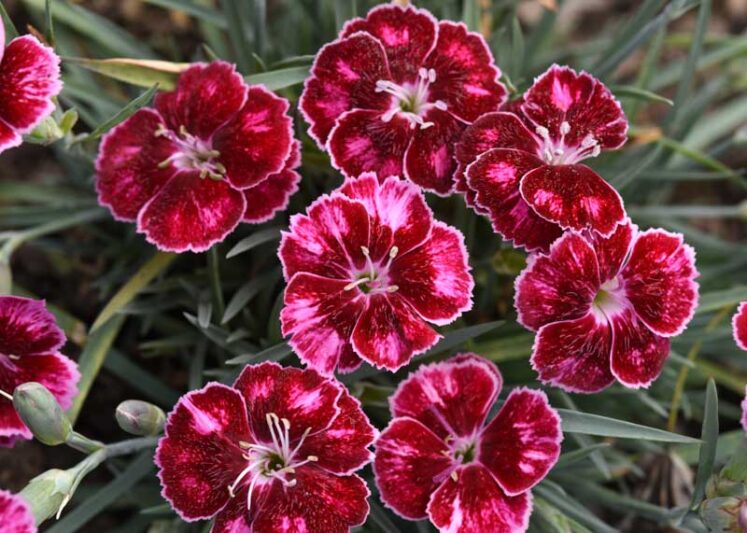


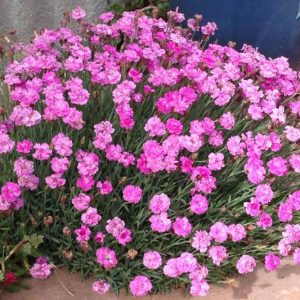
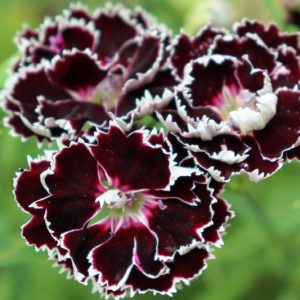
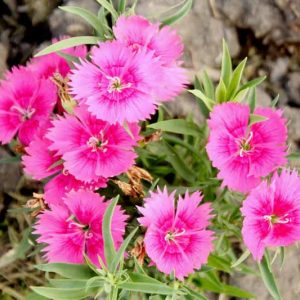
Dianthus Mountain Frost™ Ruby Glitter, commonly sold as Dianthus Mountain Frost Ruby Glitter, Ruby Glitter dianthus, cheddar pinks, or garden pinks, is a compact, mounding perennial with fragrant ruby-red flowers splashed with cream-white markings and tidy silver-gray foliage. It brings the charm of old-fashioned pinks to modern gardens, with a neater habit, strong rebloom, and excellent performance in sunny, well-drained sites.
This small plant has serious border power. Use it along paths, in rock gardens, patio pots, cottage gardens, low-water plantings, and sunny edging, where its sparkling flowers can be seen up close and its spicy clove fragrance can be enjoyed. Once established, Ruby Glitter is low maintenance, drought tolerant, generally deer resistant, and capable of flowering from early spring into fall with light trimming.
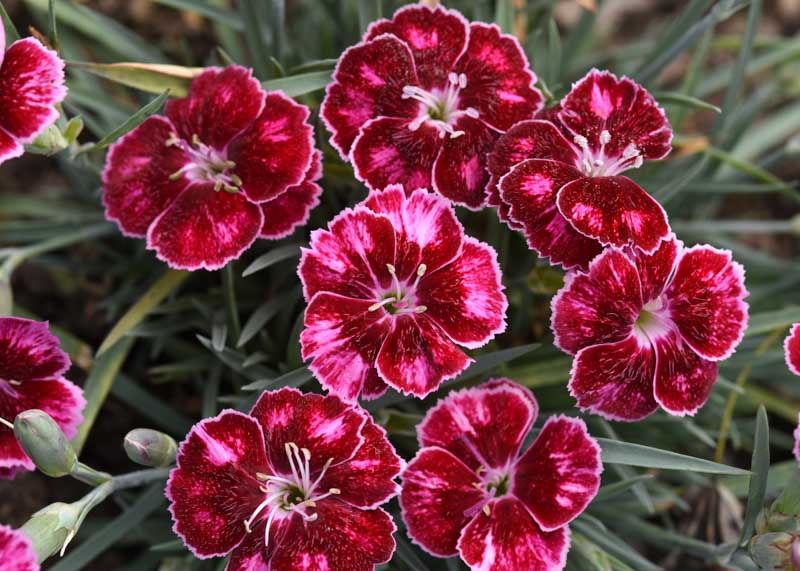
Compact, fragrant herbaceous perennial dianthus with ruby-red flowers marked by cream-white blotches and neat silver-gray foliage.
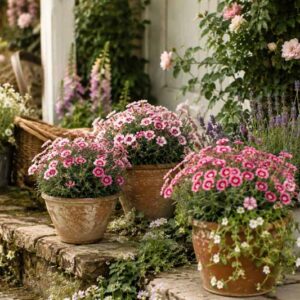
Use: Excellent for sunny borders, edging, rock gardens, cottage gardens, pollinator gardens, containers, small spaces, low-water plantings, and front-of-border color.
Highlight: A reblooming, deer-resistant, drought-tolerant garden pink with vivid red-and-white contrast.
Note: Best in full sun and sharply drained soil. Avoid heavy, wet winter soil.
| Botanical Name | Dianthus hybrida Mountain Frost™ Ruby Glitter; cultivar name ‘KonD1400K6’; PP33,461 |
|---|---|
| Family | Caryophyllaceae |
| Common Names | Ruby Glitter dianthus, Mountain Frost Ruby Glitter, pinks, cheddar pinks, China pinks, garden pinks |
| Plant Type and Habit | Herbaceous perennial; compact, mounded, evergreen to semi-evergreen in mild climates |
| Hardiness | USDA Zones 4b to 9a |
| Size | About 6 to 8 inches tall and 10 to 12 inches wide; space 12 to 14 inches apart |
| Sun and Exposure | Full sun; light afternoon shade may help in very hot climates |
| Soil | Well-drained, neutral to slightly alkaline soil; loam, sandy loam, gravelly soil, and raised beds are ideal |
| Bloom Time | Early spring through fall, with repeat bloom after trimming |
| Flower Color | Ruby red with cream-white blotches; fragrant |
| Foliage Color | Silver-gray to blue-gray |
| Wildlife Value | Attracts butterflies and other pollinators |
| Deer Resistance | Generally deer resistant, though no plant is completely deer-proof |
Plant Ruby Glitter in full sun, sharply drained soil, and an airy position. Light shearing after the main bloom flush keeps the mound neat and encourages repeat flowers.
Avoid soggy soil, buried crowns, and crowded, humid sites. Wet feet can lead to crown rot, while poor airflow may invite powdery mildew, rust, or tired foliage.
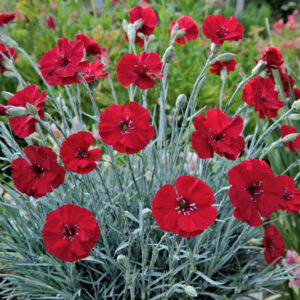
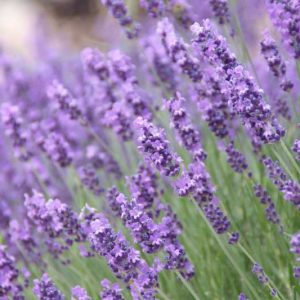
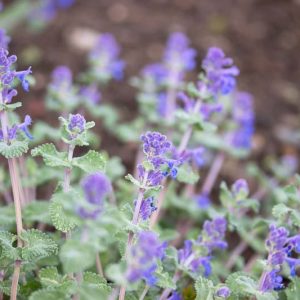
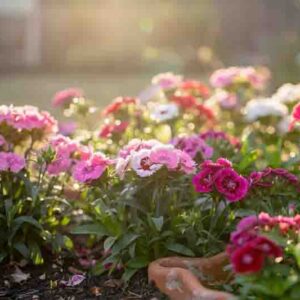
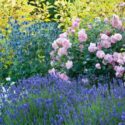
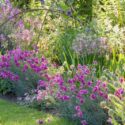
Use Ruby Glitter like jewelry for the edge of a sunny border. Its red-and-white flowers sparkle against silver foliage, especially beside lavender-blue, deep purple, soft pink, or smoky gray companions.
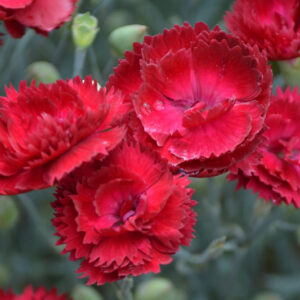
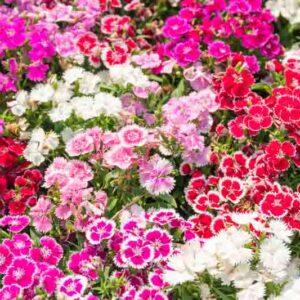
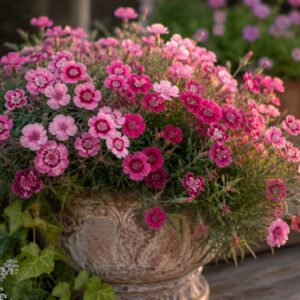
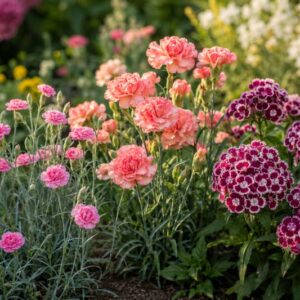
Dianthus Mountain Frost™ Ruby Glitter is a compact hybrid dianthus selected for bicolor flowers, rebloom, and tidy growth. The fringed flowers are rich ruby red with irregular cream-white blotches, giving each bloom a lively, hand-painted look. Their spicy clove scent makes this cultivar especially appealing near seating areas, walkways, and containers.
The foliage forms a low mound of narrow silver-gray leaves that remains attractive between bloom cycles. This cool color echoes stone, gravel, lavender, blue fescue, lamb’s ear, and other sun-loving companions, making Ruby Glitter easy to weave into designed borders.
Ruby Glitter typically grows about 6 to 8 inches tall and 10 to 12 inches wide. Its compact habit makes it ideal for edging, containers, rock gardens, troughs, and the front of mixed borders. Space plants 12 to 14 inches apart so they fill in cleanly without becoming crowded.
Blooms begin early and can continue from spring into fall when plants receive strong light, good drainage, and occasional trimming. Deadheading or light shearing after the main flush helps refresh the mound and stimulate new buds.
The narrow silver-gray foliage forms a tidy cushion beneath the flowers. Because the plant stays low, place it where its texture and fragrance can be appreciated: along paths, beside stepping stones, at the edge of raised beds, or in sunny pots close to outdoor seating.
Dianthus usually fails from wet feet, not from neglect. Give Ruby Glitter excellent drainage, keep the crown exposed, and avoid overwatering once plants are established.
Mountain Frost™ Ruby Glitter is hardy in USDA Zones 4b to 9a. It handles cold well when the soil drains freely and performs best with sun, airflow, and moderate moisture. Although this cultivar is noted for better tolerance of rainy conditions than many dianthus, it should not sit in waterlogged soil. Raised beds, slopes, gravel gardens, sandy loam, and improved clay are safer than low, wet planting pockets.
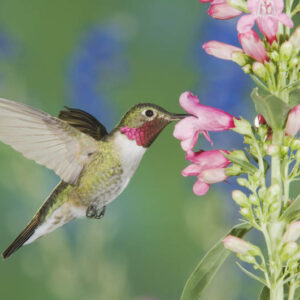
Ruby Glitter attracts bees and butterflies, adding nectar value to sunny pollinator gardens. For a longer season of wildlife support, pair it with catmint, salvia, lavender, sedum, and sea thrift.
Dianthus is generally considered deer-resistant because of its aromatic foliage and spicy-scented flowers. Still, protect young plants where browsing pressure is high.
Once established, Ruby Glitter is drought tolerant and prefers light to moderate watering. During the first growing season, water regularly to help roots settle in. After that, let the top layer of soil dry between waterings, especially in containers.
Dianthus may cause mild stomach upset if eaten and can irritate sensitive skin in some people or pets. Grow it as an ornamental plant, discourage chewing, and contact a veterinarian or medical professional if ingestion causes concern.
Ruby Glitter is a compact, clump-forming ornamental dianthus and is not generally considered invasive. It may spread slowly as the clump matures, but it does not run aggressively. Trim spent flowers for a cleaner look and stronger rebloom.
Full sun is best for abundant flowers and compact growth. Aim for at least six hours of direct sun daily. In very hot climates, morning sun with light afternoon shade can reduce heat stress while still supporting good bloom.
Well-drained soil is essential. Ruby Glitter prefers neutral to slightly alkaline conditions and performs well in loam, sandy loam, gravelly soil, rock garden soil, and raised beds. In heavy clay, improve drainage before planting or grow it in a raised position.
Water thoroughly after planting and keep the soil lightly moist during establishment. Mature plants prefer low to moderate water. In containers, water when the top inch of potting mix feels dry, then let excess water drain away.
Feed lightly in spring with compost or a balanced, slow-release fertilizer. Avoid high-nitrogen feeding, which can produce soft, leafy growth and fewer flowers.
Plant Ruby Glitter in spring or early fall. Set the crown level with the surrounding soil and avoid burying the base. Space plants 12 to 14 inches apart. Water deeply after planting, then mulch lightly with gravel or fine bark while keeping mulch away from the crown.
Remove spent flowers to keep plants tidy and encourage repeat bloom. After a heavy flush, shear lightly by about one-third, avoiding old woody growth. Remove winter-damaged foliage in early spring.
Because Mountain Frost™ Ruby Glitter is patented, propagation may be restricted. Home gardeners should purchase plants from licensed growers and avoid unauthorized vegetative propagation. General dianthus may be divided or grown from cuttings, but patented cultivars must follow current licensing rules.
Ruby Glitter is low-maintenance when grown in the right site. Most problems are linked to poor drainage, excess moisture, overcrowding, or insufficient light.
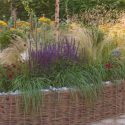
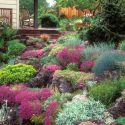
Design Ruby Glitter like a fragrant edging jewel. Its ruby-red and cream-white flowers pop against silver foliage, so the best companions either echo that cool texture or add blue, purple, pink, or soft gold contrast. Choose plants that also like full sun, sharp drainage, moderate to low water, and good airflow.
For the strongest effect, repeat Ruby Glitter in small groups along the front of a border, then weave in blue-flowered perennials and silver foliage plants behind it.
Dianthus Mountain Frost Ruby Glitter is a compact hybrid perennial dianthus with fragrant ruby-red flowers marked with cream-white blotches and tidy silver-gray foliage. It is grown for sunny borders, edging, containers, rock gardens, and long seasonal rebloom.
Dianthus Mountain Frost Ruby Glitter typically grows about 6 to 8 inches tall and 10 to 12 inches wide. Space plants 12 to 14 inches apart for a full but uncrowded planting.
Yes. Full sun is best for compact growth, strong flowering, and healthy silver-gray foliage. In very hot climates, light afternoon shade may help reduce stress, but too much shade will reduce bloom.
Dianthus Mountain Frost Ruby Glitter can bloom from early spring through fall, with the strongest flushes often in spring and repeat bloom after deadheading or light shearing.
Dianthus Ruby Glitter is generally considered deer resistant because of its aromatic foliage and scented flowers. However, no plant is completely deer-proof, especially when deer pressure is high.
Yes, once established, Dianthus Mountain Frost Ruby Glitter is drought tolerant and prefers low to moderate watering. It still needs regular water during establishment and should always be grown in well-drained soil.
Yes. Dianthus Ruby Glitter grows well in sunny containers if the pot has drainage holes and the potting mix drains freely. Avoid overwatering and never let the container sit in standing water.
Poor blooming is usually caused by too much shade, excess fertilizer, wet soil, or lack of deadheading. Move the plant to full sun, feed lightly, improve drainage, and trim after bloom flushes to encourage rebloom.
Ball Seed – Dianthus Mountain Frost™ Ruby Glitter: https://www.ballseed.com/PlantInfo/?phid=022508168045075
Darwin Perennials – Culture Guide – Dianthus Mountain Frost™ Ruby Glitter: https://www.darwinperennials.com/utility/culturesheetpdf.aspx?txtphid=022508168045075
Updated: June 2026 • Reviewed by Gardenia Editors
| Hardiness |
4 - 9 |
|---|---|
| Heat Zones |
1 - 8 |
| Climate Zones | 1, 1A, 1B, 2, 2A, 2B, 3, 3A, 3B, 4, 5, 6, 7, 8, 9, 10, 11, 12, 13, 14, 15, 16, 17, 18, 19, 20, 21, 22, 23, 24, A2, A3 |
| Plant Type | Perennials |
| Plant Family | Caryophyllaceae |
| Genus | Dianthus |
| Common names | Pink |
| Exposure | Full Sun |
| Season of Interest | Spring (Early, Mid, Late), Summer (Early, Mid, Late), Fall |
| Height | 6" - 8" (15cm - 20cm) |
| Spread | 10" - 1' (25cm - 30cm) |
| Spacing | 10" - 15" (25cm - 40cm) |
| Maintenance | Low |
| Water Needs | Low, Average |
| Soil Type | Chalk, Loam, Sand |
| Soil pH | Alkaline, Neutral |
| Soil Drainage | Well-Drained |
| Characteristics | Fragrant, Showy, Evergreen |
| Tolerances | Drought, Deer, Rabbit, Dry Soil, Fire |
| Attracts | Bees, Butterflies |
| Garden Uses | Banks And Slopes, Beds And Borders, Edging, Patio And Containers |
| Garden Styles | Butterfly Garden, City and Courtyard, Coastal Garden, Gravel and Rock Garden, Informal and Cottage, Pollinator Garden |
| Toxic to Humans | Low severity |
| Toxic to Cats | Toxic |
| Toxic to Dogs | Toxic |
| Toxic to Horses | Toxic |


| Hardiness |
4 - 9 |
|---|---|
| Heat Zones |
1 - 8 |
| Climate Zones | 1, 1A, 1B, 2, 2A, 2B, 3, 3A, 3B, 4, 5, 6, 7, 8, 9, 10, 11, 12, 13, 14, 15, 16, 17, 18, 19, 20, 21, 22, 23, 24, A2, A3 |
| Plant Type | Perennials |
| Plant Family | Caryophyllaceae |
| Genus | Dianthus |
| Common names | Pink |
| Exposure | Full Sun |
| Season of Interest | Spring (Early, Mid, Late), Summer (Early, Mid, Late), Fall |
| Height | 6" - 8" (15cm - 20cm) |
| Spread | 10" - 1' (25cm - 30cm) |
| Spacing | 10" - 15" (25cm - 40cm) |
| Maintenance | Low |
| Water Needs | Low, Average |
| Soil Type | Chalk, Loam, Sand |
| Soil pH | Alkaline, Neutral |
| Soil Drainage | Well-Drained |
| Characteristics | Fragrant, Showy, Evergreen |
| Tolerances | Drought, Deer, Rabbit, Dry Soil, Fire |
| Attracts | Bees, Butterflies |
| Garden Uses | Banks And Slopes, Beds And Borders, Edging, Patio And Containers |
| Garden Styles | Butterfly Garden, City and Courtyard, Coastal Garden, Gravel and Rock Garden, Informal and Cottage, Pollinator Garden |
| Toxic to Humans | Low severity |
| Toxic to Cats | Toxic |
| Toxic to Dogs | Toxic |
| Toxic to Horses | Toxic |
How many Dianthus Mountain Frost™ Ruby Glitter (Pink) do I need for my garden?
| Plant | Quantity | |
|---|---|---|
| Dianthus Mountain Frost™ Ruby Glitter (Pink) | N/A | Buy Plants |
Create a membership account to save your garden designs and to view them on any device.
Becoming a contributing member of Gardenia is easy and can be done in just a few minutes. If you provide us with your name, email address and the payment of a modest $25 annual membership fee, you will become a full member, enabling you to design and save up to 25 of your garden design ideas.
Join now and start creating your dream garden!
Create a membership account to save your garden designs and to view them on any device.
Becoming a contributing member of Gardenia is easy and can be done in just a few minutes. If you provide us with your name, email address and the payment of a modest $25 annual membership fee, you will become a full member, enabling you to design and save up to 25 of your garden design ideas.
Join now and start creating your dream garden!