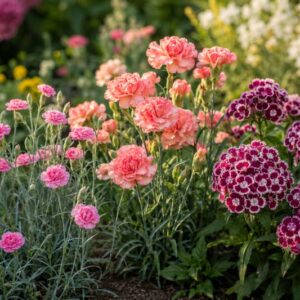
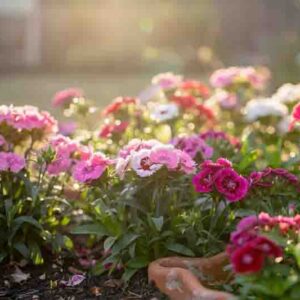
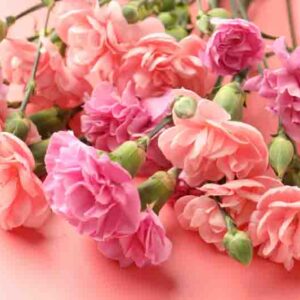
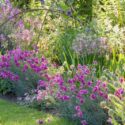
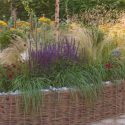
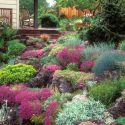
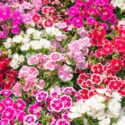
Pinks, carnations, and Sweet William all belong to the Dianthus family, but they are not the same garden plant. This expert guide explains how to tell them apart, where each performs best, and how to choose the right Dianthus for borders, containers, cottage gardens, and cutting gardens.
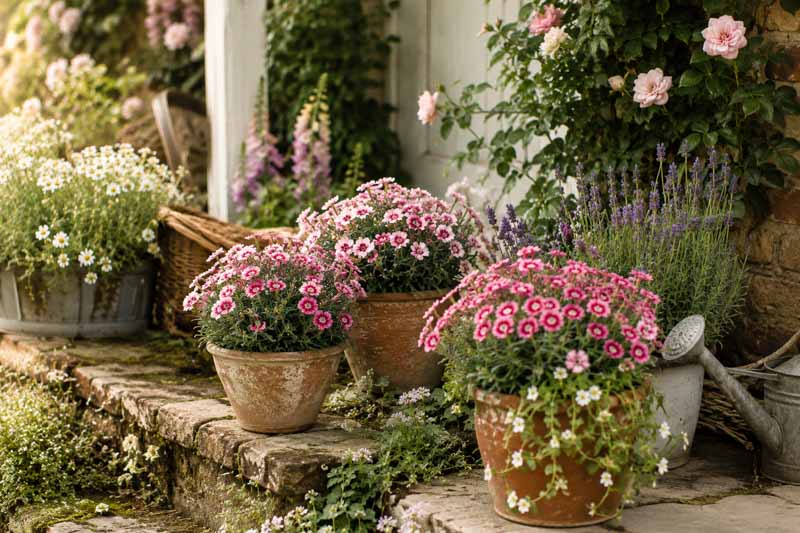


Pinks are gorgeous in pots – until they suddenly are not. One week they are neat cushions of blue-green foliage covered in spicy, clove-scented flowers. The next, they are yellowing, flopping, crisping, or quietly turning into compost. If that sounds familiar, do not blame yourself too quickly. Pinks, also called garden pinks or perennial Dianthus, are easy when their basic needs are met, but they are not forgiving of soggy soil, buried crowns, poor airflow, or containers that drain badly.
The good news is that potted pinks are not difficult. They simply have strong opinions. They want sun, air, sharp drainage, and moderate water. They do not want rich wet compost, daily “just in case” watering, deep shade, or mulch piled around their stems. Learn that rhythm, and they become some of the most rewarding flowering perennials for patio pots, balcony planters, troughs, steps, and sunny windowsills.
This guide explains how to grow pinks in pots without killing them, with practical advice on choosing the right Dianthus, selecting containers, mixing fast-draining soil, watering correctly, deadheading for more blooms, preventing root rot, managing summer heat, and handling pests such as aphids, thrips, and slugs.
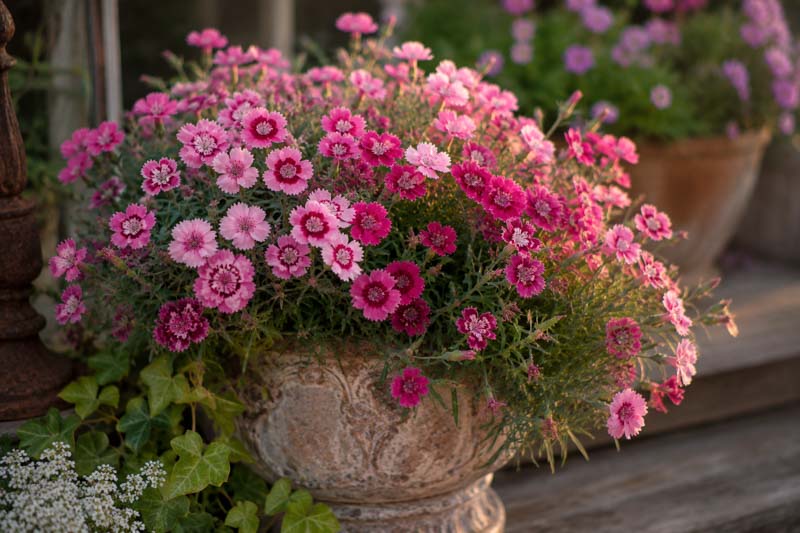
Fast answer: To grow pinks in pots, choose a container with drainage holes, use a gritty potting mix, plant the crown at soil level, place the pot in full sun, water only when the top inch begins to dry, and deadhead regularly for more flowers.
Water the roots, not the crown – and never let the pot sit soggy.
Pinks like moisture while they are settling in, but they hate stale, airless compost. If the stems at the base stay wet for too long, the plant can rot from the center out. Good drainage, bright sun, and steady airflow prevent most container disasters.
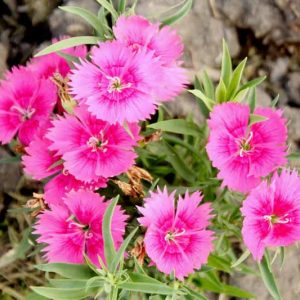
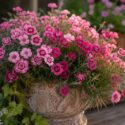
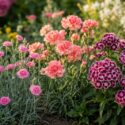
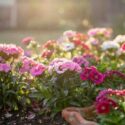
Pinks are naturally suited to pots because many varieties stay compact, form tidy mounds, and have attractive narrow foliage even when they are not flowering. Their blooms may be pink, rose, red, salmon, white, lavender, magenta, or bicolor, often with fringed petals that look as if they were cut with tiny pinking shears. Many have the classic Dianthus fragrance: sweet, spicy, and clove-like.
Containers also let you control the conditions. This is a major advantage if your garden soil is heavy, wet, acidic, or slow to drain. In a pot, you can create the gritty, open root zone that pinks prefer. You can move the container away from heavy rain, raise it off a wet patio, or place it near a seating area where the fragrance is easy to enjoy.
Pinks are especially valuable for small gardens. A single compact Dianthus can brighten a table, balcony rail, doorstep, or courtyard. A row of troughs can edge a path or terrace. A shallow bowl of pinks with gravel mulch can create the look of a miniature rock garden. For more inspiration, see Gardenia’s guide to pretty perennial Dianthus for rock gardens.
Need help choosing varieties? Use the Gardenia Plant Finder to filter Dianthus by hardiness zone, sun exposure, height, bloom time, flower color, and water needs. To plan container or garden combinations, try the Gardenia Garden Design Tool.
For containers, choose compact pinks rather than tall cut-flower carnations. Look for garden pinks, cheddar pinks, maiden pinks, clove pinks, alpine pinks, or modern compact Dianthus hybrids. These usually form low mounds or mats and are easier to manage in pots than taller, long-stemmed types.
Good container candidates include Dianthus plumarius, often called clove pink, Dianthus gratianopolitanus, often called cheddar pink, and Dianthus deltoides, often called maiden pink. For modern container color, consider cultivars such as Dianthus American Pie® ‘Cherry Pie’ and Dianthus Electric Red.
Check the plant label before buying. Mature height matters. A pink that grows 6-10 inches tall is ideal for bowls, troughs, edging pots, and window boxes. A taller variety can still work, but it needs a deeper container, more space, and better airflow.
Also check bloom habit. Some older pinks have one glorious spring or early summer flush. Many modern varieties repeat bloom if deadheaded. If your goal is months of patio color, choose a variety described as reblooming, long-flowering, or free-flowering. You can compare options using Gardenia’s Dianthus comparison tool.
The best pot for pinks is one with generous drainage holes. That is not optional. A decorative container without holes may look beautiful, but it traps water around the roots. If you want to use a cachepot, keep the pink in a separate nursery pot inside it, then remove the inner pot when watering so it can drain fully.
Terracotta is excellent because it breathes and dries faster than plastic, which helps reduce the risk of overwatering. Glazed ceramic, resin, fiberglass, and wooden planters can also work well if they drain freely. Avoid tiny pots that dry out in a few hours and oversized pots that hold too much wet compost around a small root system.
For one compact pink, use a pot about 8-10 inches wide. For larger varieties or mixed plantings, choose a wider container that allows air to move around the plant. Shallow bowls and troughs are especially good for low-growing pinks because they suit the plant’s compact habit.
Container warning: Gravel at the bottom of a pot does not magically fix poor drainage. The whole potting mix needs to be open and free-draining, and water must be able to escape through clear drainage holes.
Pinks need a mix that holds a little moisture but never stays heavy or airless. Standard multipurpose potting compost can work if it is improved with mineral material. On its own, especially in cool or rainy weather, it may stay too wet and increase the risk of root rot.
A reliable mix is two parts good-quality potting mix plus one part perlite, pumice, horticultural grit, coarse sand, or fine gravel. In rainy climates, use a grittier mix. In hot, dry climates, keep slightly more organic matter so the plant does not dry out too fast. The aim is not desert dust. The aim is fast drainage with enough moisture for healthy roots.
Pinks often prefer neutral to slightly alkaline conditions. Do not add lime blindly unless you know your mix is strongly acidic. In most containers, drainage and airflow matter more than chasing a perfect pH number.
Planting depth is critical. The crown – where the stems meet the roots – should sit at the surface of the potting mix, not buried below it. If the crown is covered by wet compost, the plant is much more likely to rot.
Fill the pot partway with your gritty mix. Remove the pink from its nursery pot and loosen any circling roots gently. Set the plant so the top of the root ball is level with the surrounding mix. Fill around the sides, firm lightly, and water once to settle everything in place.
Leave a little space between the top of the mix and the rim of the pot so water can soak in without spilling over. If you want a mulch, use fine gravel, grit, or small decorative stone. Avoid thick bark or compost mulch pressed around the stems, because it can hold moisture where the plant most needs dryness.
Pinks flower best in full sun. In most regions, that means at least six hours of direct sun per day. Morning sun is especially useful because it dries foliage quickly and helps reduce disease pressure.
In very hot climates, full afternoon sun on a paved patio can be too intense. If the plant wilts every afternoon, flowers fade quickly, or leaves become crispy, move the pot to a spot with morning sun and light afternoon shade. Containers heat up faster than garden soil, so a position that is perfect in spring can become harsh in midsummer.
If your pink is leafy but not blooming, shade may be the problem. Move it gradually into brighter light. For more reasons Dianthus may refuse to flower, see Gardenia’s guide to why pinks are not blooming.
Lots of leaves, few flowers? Give the pot more sun.
Crispy foliage and daily wilting? Keep bright morning light but protect the plant from fierce afternoon heat.
Watering is where most potted pinks get into trouble. They should not be watered on a rigid calendar. Instead, check the potting mix. Push a finger into the top inch. If it feels lightly dry, water thoroughly until excess runs from the drainage holes. If it still feels damp, wait.
New plants need steadier moisture while roots establish, but the compost should still drain well. Established pinks prefer a rhythm: water deeply, let the pot drain, then allow the top layer to dry slightly before watering again.
Never let the pot stand in a saucer of water. Empty saucers after watering, or raise the pot on feet so drainage holes stay open. Water the soil rather than the foliage whenever possible. Wet leaves and wet crowns are more likely to develop fungal problems, especially in humid or cool weather. If you are diagnosing broader symptoms, Gardenia’s plant problems guide is a useful companion reference.
Pinks in containers need some feeding because nutrients wash out of pots over time. But they do not need rich, lush conditions. Too much nitrogen can produce soft leafy growth, fewer flowers, and stems that flop.
At planting time, use a potting mix with a modest starter fertilizer or add a small amount of slow-release fertilizer according to the label. In spring, established plants can receive a light feed as growth begins. If the variety repeats bloom, a diluted balanced liquid feed every few weeks during active growth can help.
If the plant has dark green foliage but few flowers, stop feeding and check the light level. If it looks pale and weak in old compost, refresh the top layer or repot after flowering. Fertilizer helps only when the basics – sun, drainage, water, and airflow – are already right.
Deadheading is one of the easiest ways to keep potted pinks blooming. Remove faded flowers before they form seed. Snip each spent flower stem just above a set of leaves. After a heavy flush of bloom, you can lightly shear the plant to remove old stems and encourage fresh growth.
Do not cut hard into old woody stems unless you can see healthy shoots below. Many pinks become woody with age, especially in pots. Light, regular trimming keeps them compact much better than one severe rescue haircut after the center has opened up.
Pinks like open, breezy conditions. In pots, they often struggle when packed tightly with moisture-loving plants, wedged into a still corner, or crowded by overhanging foliage. Poor airflow keeps leaves damp and encourages diseases such as powdery mildew and leaf spot diseases.
Give each plant space. If you are making a mixed container, pair pinks with plants that enjoy similar conditions: thyme, lavender, sedum, armeria, dwarf grasses, compact salvias, or other sun-loving plants that do not demand constantly wet soil.
In mild climates, potted pinks may bloom in waves through summer with regular deadheading. In hot climates, they may slow down, pause, or produce smaller flowers during intense heat. During heat waves, move the pot where it gets morning sun and afternoon shade. Check moisture more often, but do not keep the compost constantly wet. A heat-stressed pink may wilt temporarily even when the soil is not dry, so check before watering.
Winter care is mostly about keeping hardy plants from sitting cold and wet. Many pinks tolerate cold better than wet compost around their crowns. Before winter, remove dead leaves and old flower stems, make sure drainage holes are clear, and move pots to a sheltered, bright, airy place protected from prolonged rain. Do not overwinter hardy pinks in a warm, dark room. They need cool conditions and light.
Pinks do not need huge pots, but they do decline in old, compacted mix. Refresh container plants every two to three years, preferably in early spring or after flowering. Choose a pot only slightly larger than the old one. A very large pot can hold too much wet compost around a small root system.
When repotting, remove loose tired compost from the root ball, trim dead stems, and replant in fresh gritty mix. Keep the crown level with the soil surface. Water once to settle the plant, then resume careful watering.
Many perennial pinks are naturally short-lived. If an old plant becomes woody, open in the center, and weak, repotting may not fully restore it. Take cuttings from healthy shoots if the variety is not protected, or replace the plant with a young vigorous one. That is normal Dianthus maintenance, not a gardening failure.
Yellow leaves: Usually caused by overwatering, poor drainage, exhausted compost, or root stress. Check the potting mix before feeding.
Brown, mushy stems at the base: Often a sign of crown rot or root rot. Remove affected stems, improve airflow, and reduce moisture around the crown.
Few flowers: Usually caused by too much shade, too much nitrogen, lack of deadheading, or an old tired plant. Gardenia’s Dianthus blooming guide covers this problem in more detail.
Leggy growth: Often caused by insufficient sun or overcrowding. Trim lightly and move the pot to a brighter, breezier position.
Wilting despite wet soil: This may indicate root damage. Do not water again automatically. Slide the plant from the pot and inspect the roots. Healthy roots are firm and pale. Rotten roots are dark, soft, and often smell unpleasant.
| Problem | Likely Cause | Best Fix |
|---|---|---|
| Plant collapses suddenly | Root rot or crown rot | Check roots, remove rot, repot into a drier mix if possible |
| Lots of leaves, few flowers | Too much shade or nitrogen | Move to more sun and reduce feeding |
| Crispy foliage | Heat stress or dry root ball | Water deeply if dry and give afternoon shade |
| Open woody center | Age or lack of trimming | Lightly trim, take cuttings, or replace old plants |
| Spotted or mildewed leaves | Poor airflow or damp foliage | Space plants, water soil only, remove affected leaves |
Pinks are not usually pest magnets, but stressed container plants can attract insects and mollusks. Aphids may gather on tender shoots and flower stems. Thrips can mark flowers and foliage. Slugs and snails may chew young growth where pots sit in damp, shaded places. For a broader overview, see Gardenia’s guide to common plant pests.
Inspect plants regularly, especially during warm weather. A firm spray of water can remove aphids. Slugs can be reduced by raising pots and removing damp hiding places. If using any treatment, follow the product label carefully and avoid spraying open flowers when pollinators are active.
Disease prevention is more important than cure. Use clean pots, fresh mix, good drainage, open spacing, and careful watering. Remove dead material quickly, because old stems and leaves trap moisture around the crown. Watch especially for root rot, leaf spot, and powdery mildew in damp or crowded conditions.
Pinks are not good long-term houseplants. They need strong light, cool air, and outdoor airflow. Indoors, they often become leggy, weak, and prone to pests such as aphids or spider mites. If you buy a flowering Dianthus as a gift plant, enjoy it inside briefly, then move it outdoors when conditions allow.
Transition gradually. A plant that has been indoors should not be placed suddenly into fierce sun. Start with bright shade or morning sun, then increase exposure over several days.
The best companions share the same love of sun and drainage. Good choices include thyme, lavender, sedum, sea thrift, blue fescue, dwarf salvia, santolina, compact catmint, and low ornamental grasses. These plants create a dry-garden or cottage-garden look without forcing you to overwater.
Avoid pairing pinks with moisture-loving annuals that need constantly damp soil. Also avoid aggressive trailers that cover the crown. In mixed containers, give pinks a front or edge position where they receive sun, air, and visibility.
For more planting inspiration, browse Gardenia Plant Combinations, where you can explore color palettes, companion plants, and seasonal garden ideas. You can also use the Gardenia Garden Design Tool to test patio and container layouts before planting.
The biggest mistake is treating pinks like thirsty bedding plants. They are not impatiens, begonias, or petunias. They prefer brighter, leaner, airier conditions. A pink in a pot without drainage holes is already in trouble. A pink with its crown buried under wet compost is also at risk.
Another mistake is trying to force endless growth with fertilizer. Pinks bloom best when they have sun, moderate nutrition, and good grooming. Too much feeding can make them leafy and weak. Finally, do not expect old potted pinks to live forever. Many are short-lived perennials. Refreshing plants every few years keeps the display attractive.
Pinks in pots are not difficult, but they are particular. They want sun, sharp drainage, careful watering, and open air around the crown. They do not want soggy compost, deep shade, heavy feeding, or winter wet.
Choose a compact Dianthus, plant it in a draining pot with gritty mix, keep the crown level with the soil surface, water only when needed, and deadhead after flowering. Do that, and your potted pinks can stay alive, fragrant, compact, and blooming instead of becoming another tiny patio tragedy.
For more Dianthus inspiration, explore Gardenia’s Dianthus guide, compare varieties with the Gardenia Dianthus comparison tool, and design container-friendly plantings with the Gardenia Garden Design Tool.
If your potted pinks are struggling, check these first:
Fix those basics, and pinks become far less dramatic – and far more floriferous.
Yes. Pinks grow very well in pots when they have full sun, excellent drainage, a gritty potting mix, and careful watering. They are especially good for patio pots, troughs, balcony planters, sunny steps, and window boxes.
Potted pinks usually die from overwatering, poor drainage, buried crowns, wet winter compost, or too much shade. They may also struggle with root rot, crown rot, aphids, slugs, or fungal leaf problems when stressed. Use a pot with drainage holes, plant the crown at soil level, and let the top inch of mix begin to dry before watering again.
The best potting mix for pinks is light, airy, and fast draining. Mix two parts quality potting mix with one part perlite, pumice, horticultural grit, coarse sand, or fine gravel to reduce the risk of soggy roots.
Water pinks in pots when the top inch of potting mix begins to dry. Water thoroughly until excess drains out, then empty saucers. Do not water on a fixed schedule if the compost is still damp.
Potted pinks flower best in full sun, usually at least six hours of direct light per day. In very hot climates, morning sun with light afternoon shade can prevent heat stress.
Yes. Deadheading removes faded blooms before they set seed and encourages many pinks to flower again. After a heavy bloom flush, shear lightly to keep the plant compact and tidy.
Many pinks can survive winter in pots if they are hardy in your region and kept well drained. Protect containers from prolonged wet weather, severe freeze-thaw cycles, and waterlogged compost.
Potted pinks may stop flowering because of too much shade, too much nitrogen fertilizer, lack of deadheading, heat stress, old exhausted plants, or disease stress. Move them to brighter light, feed lightly, improve airflow, and trim after flowering.
Updated: June 2026 • Reviewed by Gardenia Editors
| Hardiness |
5 - 9 |
|---|---|
| Plant Type | Perennials |
| Plant Family | Caryophyllaceae |
| Genus | Dianthus |
| Exposure | Full Sun |
| Maintenance | Low |
| Soil Type | Chalk, Loam, Sand |
| Soil pH | Alkaline, Neutral |
| Soil Drainage | Well-Drained |
| Characteristics | Fragrant |
| Tolerances | Drought, Deer, Rabbit, Dry Soil |
| Attracts | Bees, Butterflies, Hummingbirds |
| Garden Styles | City and Courtyard, Coastal Garden, Cutting Garden, Gravel and Rock Garden, Informal and Cottage, Mediterranean Garden |
| Hardiness |
5 - 9 |
|---|---|
| Plant Type | Perennials |
| Plant Family | Caryophyllaceae |
| Genus | Dianthus |
| Exposure | Full Sun |
| Maintenance | Low |
| Soil Type | Chalk, Loam, Sand |
| Soil pH | Alkaline, Neutral |
| Soil Drainage | Well-Drained |
| Characteristics | Fragrant |
| Tolerances | Drought, Deer, Rabbit, Dry Soil |
| Attracts | Bees, Butterflies, Hummingbirds |
| Garden Styles | City and Courtyard, Coastal Garden, Cutting Garden, Gravel and Rock Garden, Informal and Cottage, Mediterranean Garden |
Create a membership account to save your garden designs and to view them on any device.
Becoming a contributing member of Gardenia is easy and can be done in just a few minutes. If you provide us with your name, email address and the payment of a modest $25 annual membership fee, you will become a full member, enabling you to design and save up to 25 of your garden design ideas.
Join now and start creating your dream garden!
Create a membership account to save your garden designs and to view them on any device.
Becoming a contributing member of Gardenia is easy and can be done in just a few minutes. If you provide us with your name, email address and the payment of a modest $25 annual membership fee, you will become a full member, enabling you to design and save up to 25 of your garden design ideas.
Join now and start creating your dream garden!