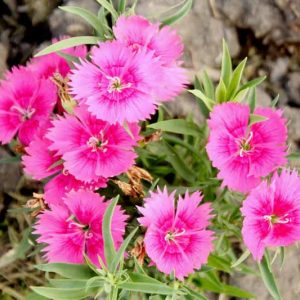
Electric Red Pinks, Pinks, Dianthus 'Electric Red', Pretty Poppers® 'Electric Red'
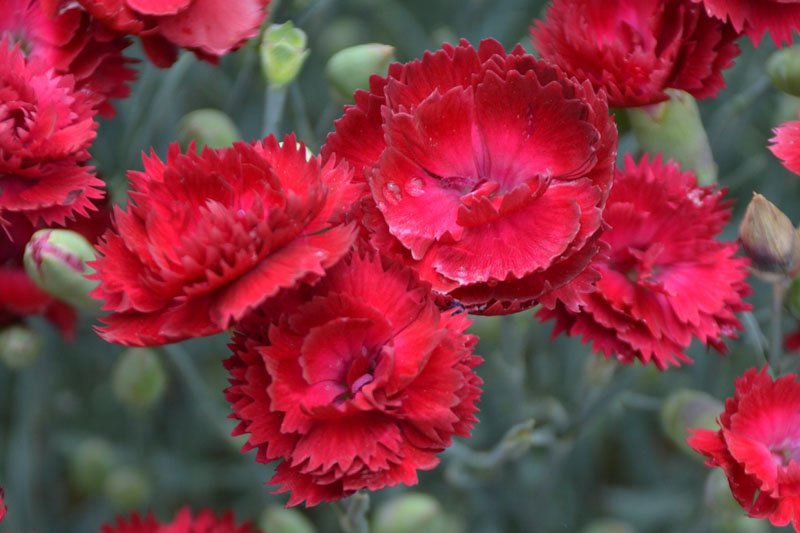


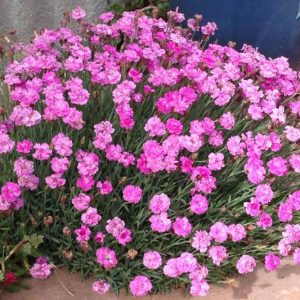
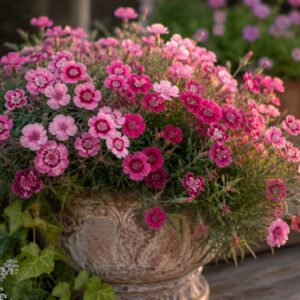
Dianthus ‘Electric Red’, also sold as Pretty Poppers Electric Red dianthus, Electric Red pinks, or simply red garden pinks, is a compact, semi-evergreen to evergreen in mild climates perennial grown for dramatic rich red flowers held on strong stems above neat blue-green foliage. It is the kind of small perennial that instantly wakes up the front of a border, especially when repeated along paths, patio edges, rock gardens, or sunny containers.
This cultivar belongs to the PRETTY POPPERS® Series, a group of garden pinks selected for abundant flowering, tidy growth, and strong color. Electric Red is especially useful when you want saturated red flowers without a large, floppy plant. At only about 8 to 10 inches tall and spreading to about 16 inches wide, it has enough presence to read from a distance while staying compact enough for edging, troughs, and small-space gardens.
Compact semi-evergreen perennial dianthus with rich red flowers on strong stems above blue-green to green foliage.
Use: Excellent for sunny borders, edging, rock gardens, cottage gardens, containers, small spaces, mass planting, and front-of-border color.
Highlight: A vivid red garden pink with fragrant flowers, butterfly appeal, and a tidy mounded habit.
Note: Best in full sun to light part shade and loose, well-drained, neutral to alkaline soil.
| Botanical Name | Dianthus ‘Electric Red’; PP29,591; PRETTY POPPERS® Series |
|---|---|
| Family | Caryophyllaceae |
| Common Names | Electric Red dianthus, Electric Red pinks, garden pinks, pinks |
| Plant Type and Habit | Herbaceous perennial; compact, mounded, semi-evergreen to evergreen in mild climates |
| Hardiness | USDA Zones 4 to 9 |
| Size | About 8 to 10 inches tall and 16 inches wide |
| Sun and Exposure | Full sun; tolerates part shade, with fewer flowers in too much shade |
| Soil | Loose, well-drained, average soil; neutral to alkaline pH preferred |
| Bloom Time | Early summer to early fall, with best bloom in bright light |
| Flower Color | Rich red to deep red shades; fragrant |
| Foliage Color | Blue-green to green |
| Wildlife Value | Attracts bees and butterflies |
| Special Uses | Border plant, edging, container, cut flower, dried flower, rock garden, mass planting, small garden accent |
Plant Electric Red in bright sun, loose soil, and an airy position. A quick trim after the main flower show helps refresh the mound and can encourage more color.
Avoid planting too deep, wet crowns, and dense humid conditions. Poor drainage can lead to crown or root rot, while wet foliage may invite fungal leaf spots.
Use Electric Red as a low-voltage garden spotlight. Its intense red flowers pull the eye forward, making paths, patios, and the front of sunny borders feel instantly more polished.
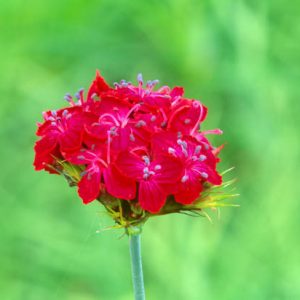
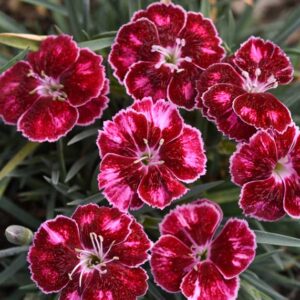
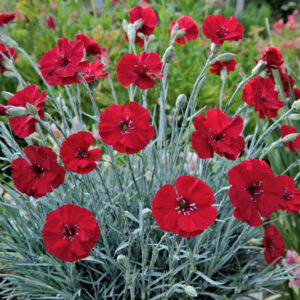
Dianthus ‘Electric Red’ is a compact perennial pink from the PRETTY POPPERS® Series. It produces dramatic red flowers above a neat mound of blue-green leaves, creating a bold color block that works beautifully in small gardens and professional landscapes alike. The flowers are showy, often fragrant, and excellent for bringing strong color to the front of mixed perennial beds.
Unlike taller carnations or biennial sweet Williams, Electric Red stays low and controlled. It is designed for edging, containers, rock gardens, and mass planting, where its strong color can be repeated for maximum impact.
Electric Red typically grows 8 to 10 inches tall and spreads to about 16 inches wide. The habit is mounded and compact, with flowers held on strong stems above the foliage. This makes the plant substantial enough to stand out, but low enough to keep views open along paths and border fronts.
The flowers are rich red and eye-catching from a distance. Bloom time is generally early summer into early fall, with the strongest display in bright, sunny conditions. Removing spent flowers keeps the plant cleaner and may encourage additional bloom.
The foliage is narrow, blue-green to green, and semi-evergreen to evergreen in mild climates. In colder regions, some winter dieback is normal, especially where soil stays wet or plants are exposed. That low texture contrasts well with upright salvias, soft catmint, silver lamb’s ear, compact grasses, and late-season sedums.
Dianthus dislikes being buried. Set the crown level with the soil surface, keep mulch away from the base, and remove heavy winter mulch as soon as spring growth begins.
Electric Red is hardy in USDA Zones 4 to 9. It tolerates cold winters best when drainage is excellent and the crown is not smothered by wet mulch. In hot climates, morning sun with light afternoon shade may reduce stress, but deep shade will reduce flowering.
Electric Red attracts bees and butterflies, especially when planted in sunny groups. For stronger pollinator value, combine it with a sequence of flowering companions such as catmint, salvia, lavender, sea thrift, daisies, and sedum.
Dianthus is generally considered deer-resistant because of its aromatic foliage and spicy-scented flowers. No plant is completely deer-proof, so protect young plants where browsing pressure is high.
Electric Red tolerates short dry periods once established, but it performs best with moderate moisture in well-drained soil. Avoid extremes: constantly wet soil can damage roots, while severe drought can fold or narrow the foliage and reduce bloom.
Dianthus may cause mild stomach upset if eaten and can irritate sensitive skin in some people or pets. Grow it as an ornamental plant, discourage chewing, and contact a veterinarian or medical professional if ingestion causes concern.
Electric Red is a compact, clump-forming ornamental perennial and is not generally considered invasive. It may widen slowly over time, but it does not run aggressively. Deadheading keeps the plant tidy and focuses energy on fresh growth.
Full sun is best for abundant flowers and compact growth. Electric Red can tolerate part shade, but too much shade often means fewer blooms and a looser habit. In hot, dry regions, light afternoon shade can be helpful.
Plant in loose, well-drained soil with a neutral to slightly alkaline pH. Average garden soil is fine if drainage is good. In acidic soil, lime may be used according to soil-test recommendations. In heavy clay, plant high, amend for drainage, or use raised beds.
Water well during establishment and during prolonged dry spells. Mature plants prefer low to average water, but they should not be kept extremely dry for long periods. In containers, water when the top inch of potting mix begins to dry and let excess water drain away.
Dianthus are moderate feeders. A spring topdressing of compost or a light slow-release fertilizer is usually enough. Avoid overfeeding, which can encourage soft growth and reduce the tight, compact look that makes Electric Red so useful.
Plant Electric Red in spring or early fall. Set the root ball so the crown sits at soil level, then water deeply. Space plants so air can move between them, especially in humid climates. A light gravel mulch can suit rock gardens, but keep mulch away from the crown.
Remove spent flowers after the main bloom flush. A light shear can tidy the plant, encourage fresh foliage, and support additional flowering. In fall, remove debris that could harbor pests or disease. If you mulch for winter protection, pull it back promptly in spring to reduce crown rot risk.
Because Dianthus ‘Electric Red’ is patented, propagation may be restricted. Purchase plants from licensed growers and avoid unauthorized vegetative propagation. General dianthus may be divided or grown from cuttings, but patented cultivars must follow current licensing rules.
Electric Red is easy to grow when planted in sun, open air, and well-drained soil. Most problems come from planting too deep, poor drainage, excess humidity, or weak light.
Electric Red is strongest when treated as a bright front-of-border accent. Its red flowers pair beautifully with blue, purple, silver, white, and soft yellow companions. Choose plants with similar needs: sun, well-drained soil, moderate to low moisture, and good airflow.
For a polished look, repeat Electric Red in groups of three or five, then cool the planting with blue flowers, silver foliage, or compact grasses.
Dianthus ‘Electric Red’ is a compact semi-evergreen to evergreen perennial pink in the PRETTY POPPERS Series. It produces rich red, fragrant flowers on strong stems above blue-green to green foliage and is used for sunny borders, edging, containers, rock gardens, and mass planting.
Dianthus ‘Electric Red’ typically grows about 8 to 10 inches tall and spreads to about 16 inches wide. Its compact size makes it ideal for edging, containers, rock gardens, and the front of sunny borders.
Yes. Dianthus ‘Electric Red’ is a perennial in USDA Zones 4 to 9. It is semi-evergreen to evergreen in mild climates and performs best where soil drains well through winter.
Full sun is best for the most flowers and the tightest growth. Dianthus ‘Electric Red’ can tolerate part shade, but too much shade usually reduces bloom.
Dianthus ‘Electric Red’ generally blooms from early summer into early fall, with the strongest display in bright, sunny conditions. Deadheading or light shearing can help keep plants tidy and encourage more flowers.
Dianthus ‘Electric Red’ is generally considered deer resistant because of its aromatic foliage and scented flowers. However, no plant is completely deer-proof, especially under heavy browsing pressure.
Yes. Dianthus ‘Electric Red’ grows well in sunny containers if the pot has drainage holes and the potting mix drains freely. Avoid burying the crown and do not let the pot sit in standing water.
Poor blooming is usually caused by too much shade, excess nitrogen fertilizer, wet soil, or lack of deadheading. Move the plant to brighter light, feed lightly, improve drainage, and trim after the main bloom flush.
Walters Gardens – Dianthus ‘Electric Red’ PP29,591: https://www.waltersgardens.com/variety.php?ID=DIAER
RHS – Dianthus ‘Electric Red’ (p): https://www.rhs.org.uk/plants/387678/dianthus-electric-red-%28p%29/details
NC State Extension – Dianthus: https://plants.ces.ncsu.edu/plants/dianthus/
Updated: June 2026 • Reviewed by Gardenia Editors
| Hardiness |
4 - 9 |
|---|---|
| Heat Zones |
1 - 8 |
| Climate Zones | 1, 1A, 1B, 2, 2A, 2B, 3, 3A, 3B, 4, 5, 6, 7, 8, 9, 10, 11, 12, 13, 14, 15, 16, 17, 18, 19, 20, 21, 22, 23, 24, A2, A3 |
| Plant Type | Perennials |
| Plant Family | Caryophyllaceae |
| Genus | Dianthus |
| Common names | Pink |
| Exposure | Full Sun, Partial Sun |
| Season of Interest | Spring (Late), Summer (Early, Mid, Late), Fall |
| Height | 8" - 10" (20cm - 25cm) |
| Spread | 1' - 2' (30cm - 60cm) |
| Spacing | 15" - 20" (40cm - 50cm) |
| Maintenance | Low |
| Water Needs | Low, Average |
| Soil Type | Chalk, Loam, Sand |
| Soil pH | Alkaline, Neutral |
| Soil Drainage | Well-Drained |
| Characteristics | Fragrant, Showy, Semi-Evergreen, Evergreen |
| Tolerances | Drought, Deer, Rabbit, Dry Soil, Fire |
| Attracts | Bees, Butterflies |
| Garden Uses | Banks And Slopes, Beds And Borders, Edging, Patio And Containers |
| Garden Styles | Butterfly Garden, City and Courtyard, Coastal Garden, Gravel and Rock Garden, Informal and Cottage, Pollinator Garden |
| Toxic to Humans | Low severity |
| Toxic to Cats | Toxic |
| Toxic to Dogs | Toxic |
| Toxic to Horses | Toxic |


| Hardiness |
4 - 9 |
|---|---|
| Heat Zones |
1 - 8 |
| Climate Zones | 1, 1A, 1B, 2, 2A, 2B, 3, 3A, 3B, 4, 5, 6, 7, 8, 9, 10, 11, 12, 13, 14, 15, 16, 17, 18, 19, 20, 21, 22, 23, 24, A2, A3 |
| Plant Type | Perennials |
| Plant Family | Caryophyllaceae |
| Genus | Dianthus |
| Common names | Pink |
| Exposure | Full Sun, Partial Sun |
| Season of Interest | Spring (Late), Summer (Early, Mid, Late), Fall |
| Height | 8" - 10" (20cm - 25cm) |
| Spread | 1' - 2' (30cm - 60cm) |
| Spacing | 15" - 20" (40cm - 50cm) |
| Maintenance | Low |
| Water Needs | Low, Average |
| Soil Type | Chalk, Loam, Sand |
| Soil pH | Alkaline, Neutral |
| Soil Drainage | Well-Drained |
| Characteristics | Fragrant, Showy, Semi-Evergreen, Evergreen |
| Tolerances | Drought, Deer, Rabbit, Dry Soil, Fire |
| Attracts | Bees, Butterflies |
| Garden Uses | Banks And Slopes, Beds And Borders, Edging, Patio And Containers |
| Garden Styles | Butterfly Garden, City and Courtyard, Coastal Garden, Gravel and Rock Garden, Informal and Cottage, Pollinator Garden |
| Toxic to Humans | Low severity |
| Toxic to Cats | Toxic |
| Toxic to Dogs | Toxic |
| Toxic to Horses | Toxic |
How many Dianthus ‘Electric Red’ (Pink) do I need for my garden?
| Plant | Quantity | |
|---|---|---|
| Dianthus ‘Electric Red’ (Pink) | N/A | Buy Plants |
Create a membership account to save your garden designs and to view them on any device.
Becoming a contributing member of Gardenia is easy and can be done in just a few minutes. If you provide us with your name, email address and the payment of a modest $25 annual membership fee, you will become a full member, enabling you to design and save up to 25 of your garden design ideas.
Join now and start creating your dream garden!
Create a membership account to save your garden designs and to view them on any device.
Becoming a contributing member of Gardenia is easy and can be done in just a few minutes. If you provide us with your name, email address and the payment of a modest $25 annual membership fee, you will become a full member, enabling you to design and save up to 25 of your garden design ideas.
Join now and start creating your dream garden!