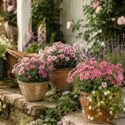
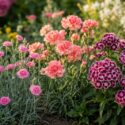
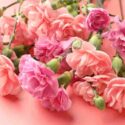
Few perennials smell as delicious as clove-scented Dianthus. These fragrant garden pinks bring spicy perfume, fringed flowers, silver foliage, and cottage-garden charm to borders, paths, rock gardens, and pots. Choose the right varieties, give them sun and sharp drainage, and they will reward you with unforgettable scented blooms.
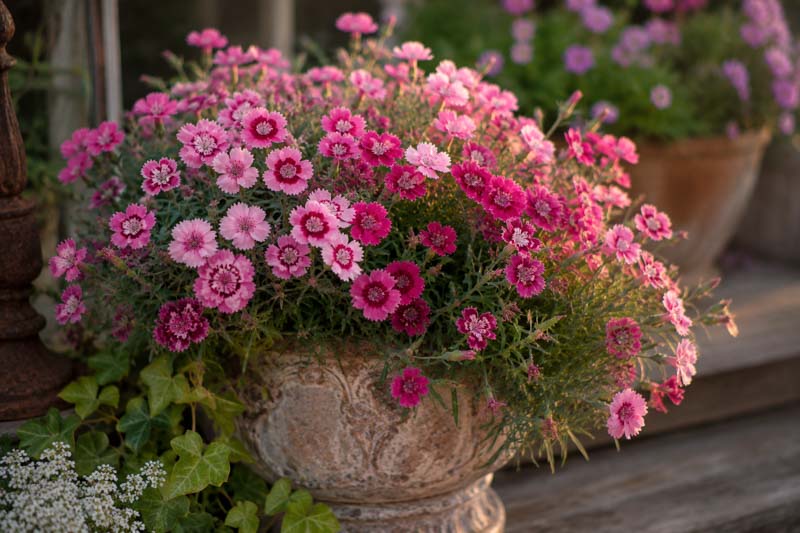


Fragrant garden pinks are small plants with an unforgettable presence. Their flowers may be modest in size, but their spicy clove scent can perfume a path, patio, rock garden, or sunny border on a warm day. If you have ever brushed past a clump of Dianthus and suddenly smelled something sweet, peppery, and old-fashioned, you already understand why these plants have been treasured for generations.
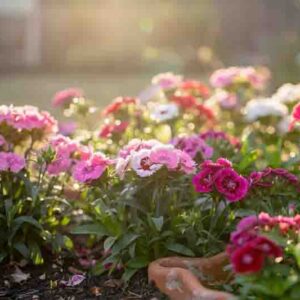
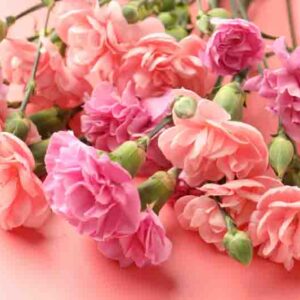
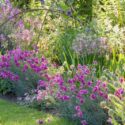
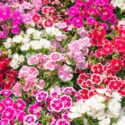
The best clove-scented Dianthus offer far more than perfume. They bring fringed flowers in pink, rose, red, white, salmon, purple, maroon, lavender, and bicolor combinations. They form neat cushions or tufts of blue-green, gray-green, or silver foliage. Many are excellent for small gardens, cottage borders, gravel gardens, edging, containers, raised beds, and paths where the flowers can be seen and smelled up close.
This guide focuses on verified strongly fragrant Dianthus, including old-fashioned clove pinks, Scent First garden pinks, border pinks, pot carnations, border carnations, and naturally scented species. You will learn which kinds are most worth growing for fragrance, how garden pinks differ from carnations and Sweet William, where to plant them, and how to keep them healthy without losing plants to soggy soil, buried crowns, or overfeeding.
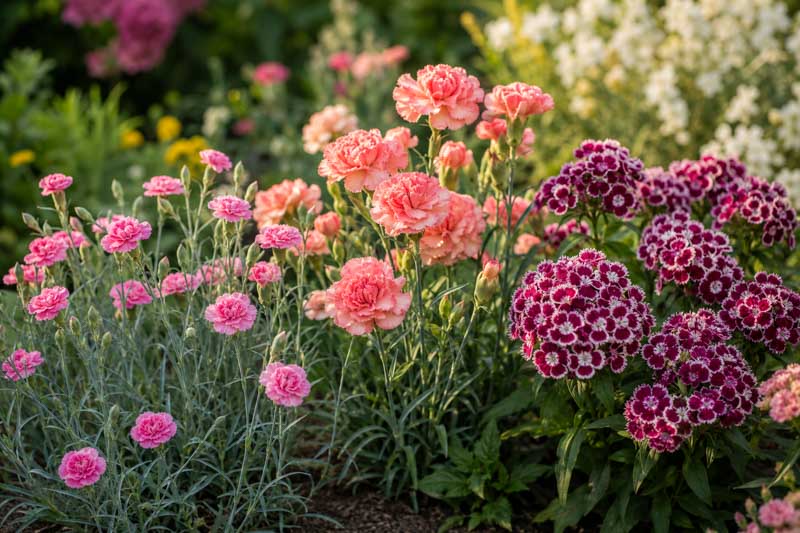
Fast answer: The most strongly fragrant Dianthus include Dianthus plumarius, Dianthus superbus, Dianthus Tickled Pink, Dianthus Memories, Dianthus ‘Old Red Clove’, Dianthus ‘Devon Flavia’, Dianthus Romance, Dianthus ‘Lady Madonna’, Dianthus ‘Monica Wyatt’, Dianthus ‘Faganza’, Dianthus ‘Maureen Lambert’, Dianthus ‘Alan Titchmarsh’, Dianthus ‘Lily the Pink’, Dianthus ‘Chesswood Margaret Alison’, Dianthus ‘Unique’, Dianthus ‘Whatfield Joy’, and Dianthus ‘Lancing Supreme’.
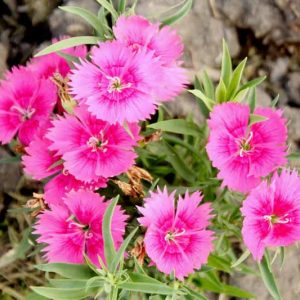
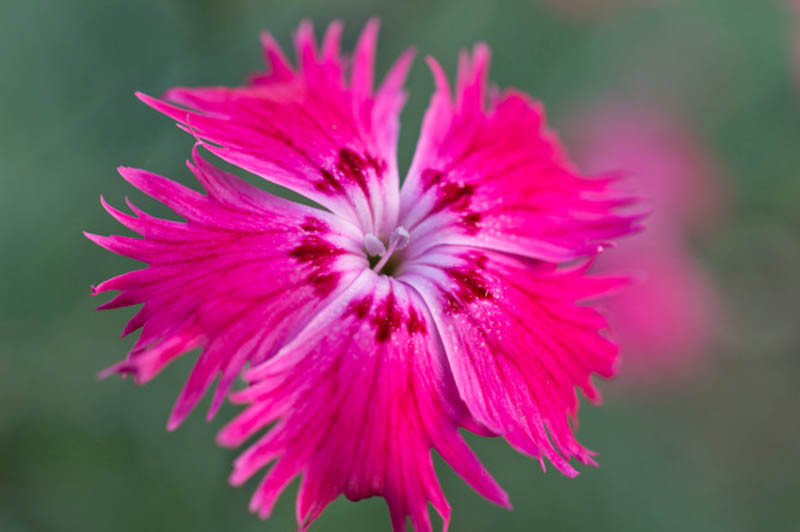
Garden pinks are mostly compact Dianthus grown for their fringed flowers, grassy foliage, and spicy fragrance. The name “pink” does not simply refer to flower color. It is often linked to the jagged petal edges, which look as if they were trimmed with pinking shears.
In gardens, “pinks” usually means low-growing perennial Dianthus, especially clove pinks, cheddar pinks, maiden pinks, and border pinks. These plants are different from tall florist carnations, although carnations are also Dianthus. Garden pinks are usually shorter, neater, and better suited to edging, rock gardens, troughs, walls, raised beds, and containers.
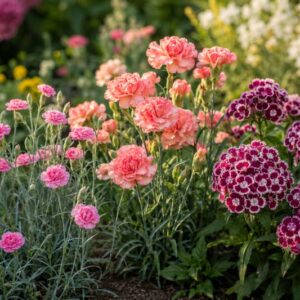
Sweet William is also a Dianthus, but it behaves differently. Dianthus barbatus, commonly called Sweet William, is often grown as a biennial or short-lived perennial. It produces rounded clusters of colorful flowers with a sweet cottage-garden fragrance.
The classic Dianthus fragrance is warm, spicy, sweet, and slightly peppery. Gardeners often describe it as clove-like because it resembles the aroma of cloves used in cooking. This scent is one of the main reasons old-fashioned pinks remained popular long before modern garden centers made plant shopping easy.
Fragrance is strongest when the plant is happy. Warm sun, open flowers, good airflow, and healthy growth all help. A clove pink planted beside a warm stone path may smell stronger than the same plant in a cool, shaded, crowded border. The scent is often easiest to notice in late morning, afternoon, or early evening after the flowers have warmed.
Not every Dianthus is strongly scented. Some modern varieties are bred mainly for flower power, compact growth, disease resistance, or vivid color. If fragrance matters most, look for descriptions such as highly scented, strongly scented, richly scented, clove-scented, spicy fragrance, sweetly fragrant, Scent First, clove pink, or old-fashioned garden pink.
Plant fragrant Dianthus where people pause. A clove-scented pink hidden at the back of a border may be beautiful but unnoticed. Place it beside steps, benches, gates, paths, patios, low walls, raised beds, and containers near seating areas.
For a highly accurate fragrant Dianthus article, it helps to separate plants that are strongly documented as highly scented or clove-scented from those that are simply described as fragrant. Many Dianthus have some scent, but the most memorable garden pinks are the ones repeatedly valued for strong perfume.
Dianthus plumarius, often called clove pink, cottage pink, garden pink, or feathered pink, is one of the classic species behind many old-fashioned scented pinks. It forms low cushions or mats of gray-green foliage and bears fringed flowers in white, pink, red, and bicolor shades. It is one of the safest species to recommend when readers want traditional spicy Dianthus fragrance.
Dianthus superbus, commonly called fringed pink or superb pink, adds a graceful species-level option. Its deeply cut flowers are usually pink to lavender and sweetly scented. Unlike many compact border pinks, it has a looser, airier habit, making it useful in naturalistic borders, meadow-style plantings, pollinator gardens, and summer cottage schemes.
Dianthus gratianopolitanus, the cheddar pink, is compact, mat-forming, sun-loving, and useful in rock gardens, raised beds, gravel gardens, edging, and small borders. Its flowers are generally fragrant, and it remains valuable in a broader Dianthus article, even when the strongest-fragrance list focuses on more heavily scented selections.
Dianthus deltoides, the maiden pink, is useful for banks, paving edges, rock gardens, and naturalistic borders. Its fragrance is usually lighter and more variable than classic clove pinks, so it is best recommended for ground cover, bloom value, and pollinator-friendly planting rather than as one of the most powerfully scented pinks.
Dianthus caryophyllus, the carnation or clove carnation, is the species behind many border carnations and florist carnations. Many carnations have a classic clove scent, especially older and border types, but they are usually taller and more cut-flower oriented than low garden pinks.
Use “very fragrant” carefully. Some Dianthus are powerfully perfumed, while others are simply pleasant. This guide reserves the main table for strongly fragrant selections, including classic clove pinks, Scent First selections, border pinks, carnations, pot carnations, and fragrant species.
The following Dianthus are included because fragrance is a primary reason to grow them. Some are compact garden pinks for border fronts and pots. Others are taller carnations or collector pinks better suited to cutting, specialist collections, or traditional cottage gardens.
| Plant | Flower or Look | Height | Best Use |
|---|---|---|---|
| Dianthus Tickled Pink (Scent First Series) | Strong spicy-fragrant lavender-pink flowers | To 30 cm | Patio pots, path edges, containers, fragrant border fronts |
| Dianthus ‘Maureen Lambert’ | Strongly scented, vivid purplish-red carnation flowers | 0.5-1 m | Cut flowers, greenhouse carnations, fragrant displays |
| Dianthus ‘Monica Wyatt’ | Very fragrant, double bright purplish-pink flowers with magenta markings | To 30 cm | Cottage borders, edging, raised beds, scented pink collections |
| Dianthus ‘Faganza’ | Very sweetly scented, double lilac-pink pot carnation flowers | To 20 cm | Pots, border fronts, patio fragrance, compact displays |
| Dianthus ‘Hot Spice’ | Very sweetly scented, double rose-pink flowers with a deep pink base | Leaves to 20 cm; RHS height range 0.1-0.5 m | Scented containers, sunny edging, close-up planting |
| Dianthus ‘Rose Devon Pearl’ | Very sweetly scented, double rose-pink flowers with a redder base | Leaves to 20 cm; RHS height range 0.1-0.5 m | Patio pots, fragrant cottage planting, border fronts |
| Dianthus ‘Alan Titchmarsh’ | Very sweetly scented, semi-double white flowers with pink traces and a green eye | To 20 cm | Border fronts, pots, white gardens, scented edging |
| Dianthus superbus | Sweetly scented pink to lavender flowers with deeply fringed petals | To 24 in. | Naturalistic borders, meadows, pollinator gardens, summer fragrance |
| Dianthus ‘Gold Dust’ | Single dark red flowers dusted with gold as they age | Stems 15-20 cm | Heritage pinks, close-up viewing, fragrant border collections |
| Dianthus ‘Devon Winnie’ | Very sweetly scented, semi-double pink flowers with a deep-pink-claret base | Leaves to 20 cm; RHS height range 0.1-0.5 m | Containers, scented borders, sunny edging |
| Dianthus ‘Unique’ | Very fragrant, dark purple single flowers with fine chocolate and pink brush marks | Around 18 cm | Heritage pinks, collector gardens, close-up planting |
| Dianthus ‘Linfield Kathy Brooker’ | White flowers with maroon and pink edging | To 20 in. | Cottage borders, cutting, scented border fronts |
| Dianthus ‘Lily the Pink’ | Strongly and spicily scented, vivid reddish-purple double flowers with a darker eye | Stems 35-47 cm | Long-flowering borders, cutting, cottage gardens |
| Dianthus ‘Dainty Dame’ | Double white flowers with crimson lacing | To 10 in. | Rock gardens, troughs, border fronts, close-up fragrance |
| Dianthus ‘Whatfield Joy’ | Highly fragrant, semi-double lilac-pink flowers above blue-gray foliage | To 10 cm | Fragrant border fronts, cottage gardens, edging |
| Dianthus ‘Lancing Supreme’ | Highly scented, light pink flowers with maroon lacing and a maroon center | To 30 cm | Cutting, border pink collections, fragrant cottage planting |
| Dianthus arenarius ‘Little Maiden’ | White to pale pink, finely fringed flowers | Low-growing | Rock gardens, troughs, alpine beds, gravel gardens |
| Dianthus plumarius | Highly scented white, pink, red, and bicolor fringed flowers | Variable by form | Cottage gardens, edging, raised beds, fragrant borders |
| Dianthus Memories | Outstanding spicy scent, pure white fully double flowers | 25-30 cm | Containers, border edges, moon gardens, patios |
| Dianthus ‘Old Red Clove’ | Deep red old-fashioned flowers with classic clove fragrance | To 12 in. | Traditional borders, cottage gardens, scent gardens |
| Dianthus ‘Devon Flavia’ (Scent First Series) | Highly scented pale sugar-pink flowers with purplish-red markings | To 15 in. | Patio pots, scented borders, long-season color |
| Dianthus Romance (Scent First Series) | Highly scented salmon-pink double flowers with a darker eye | To 35 cm | Containers, cottage borders, soft color schemes |
| Dianthus ‘Lady Madonna’ | Highly scented white flowers with a deep purple-red eye | To 14 in. | Containers, border fronts, scented patio planting |
| Dianthus ‘Chesswood Margaret Alison’ | Heavily clove-scented, old rose border carnation flowers | Stems about 91 cm under glass | Border carnations, cutting, classic scent gardens |
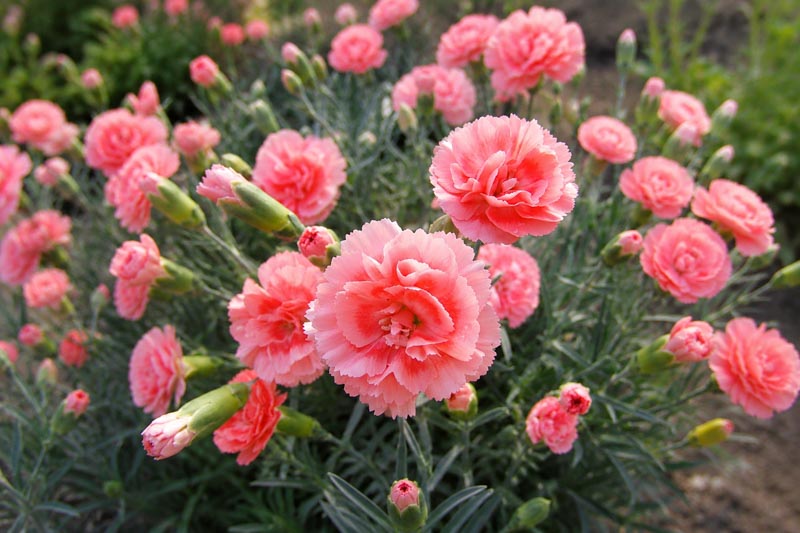
Dianthus Memories is one of the strongest modern choices for a highly fragrant Dianthus list. It produces pure white, fully double flowers above compact blue-green foliage. Its clean color and outstanding spicy scent make it excellent for border edges, containers, raised beds, and evening gardens where pale flowers glow at dusk.
Dianthus Tickled Pink, from the Scent First Series, is a compact scented pink with lavender-pink flowers and blue-green foliage. It is particularly useful near paths, patio doors, seating areas, and container displays because its perfume is easiest to enjoy at close range.
Dianthus ‘Old Red Clove’ is one of the clearest choices when the article promises classic clove scent. This old-fashioned pink has deep red, highly fragrant flowers and belongs in traditional cottage borders, scent gardens, and collections of heritage Dianthus.
Dianthus ‘Devon Flavia’, also from the Scent First Series, is a modern highly scented pink with pale sugar-pink flowers marked near the center with purplish-red. It is useful where you want a compact, floriferous Dianthus with strong fragrance and a long season of color.
Dianthus Romance is a Scent First garden pink with highly scented salmon-pink double flowers and a darker eye. It fits beautifully in patio pots, cottage borders, edging schemes, and soft pastel plantings where fragrance matters as much as color.
Dianthus ‘Faganza’ is a compact pot carnation with very sweetly scented double lilac-pink flowers. Its smaller habit makes it a good fit for patio pots, sunny border fronts, and containers placed near seating areas.
Dianthus ‘Hot Spice’, Dianthus ‘Rose Devon Pearl’, and Dianthus ‘Devon Winnie’ are very sweetly scented pinks with compact foliage and richly colored flowers. ‘Hot Spice’ has double rose-pink flowers with a deep pink base, ‘Rose Devon Pearl’ has double rose-pink flowers with a redder base, and ‘Devon Winnie’ has semi-double pink flowers with a deep-pink-claret base.
Dianthus ‘Unique’ is a heritage pink with very fragrant, dark purple single flowers marked with fine chocolate and pink brush strokes. It is especially valuable for collectors and for close-up planting, where its unusual coloring and perfume can both be appreciated.
Dianthus ‘Gold Dust’ is another distinctive heritage-style pink. Its single dark red flowers become dusted with gold as they age, giving it a changing, antique character that suits cottage borders and specialist pink collections.
Dianthus ‘Whatfield Joy’ is a very compact, highly fragrant pink with semi-double lilac-pink flowers above blue-gray foliage. Its low height makes it ideal for border fronts, troughs, rock gardens, and places where a short, scented plant is more useful than a taller carnation.
Dianthus ‘Lancing Supreme’ is a highly scented pink with long stems, light pink petals, maroon lacing, and a maroon center. It is especially useful for cutting, fragrant cottage borders, and collections of old-fashioned border pinks.
Dianthus ‘Maureen Lambert’ and Dianthus ‘Chesswood Margaret Alison’ are better treated as carnations rather than low garden pinks. ‘Maureen Lambert’ is a strongly scented perpetual flowering carnation with vivid purplish-red flowers. ‘Chesswood Margaret Alison’ is a heavily clove-scented border carnation with old rose flowers, valuable for cutting gardens and classic scent gardens.
Dianthus ‘Linfield Kathy Brooker’, Dianthus ‘Lily the Pink’, and Dianthus ‘Dainty Dame’ extend the list beyond modern scented selections into older border pinks and collector Dianthus.
Dianthus superbus adds a graceful species-level option. Its deeply cut flowers and sweet scent make it especially useful in naturalistic borders, meadow-style plantings, and pollinator-friendly gardens. Dianthus arenarius ‘Little Maiden’ is better for rock gardens, troughs, gravel gardens, and raised alpine beds where its low growth and fine flowers can be appreciated close up.
If fragrance is the goal, do not buy by flower color alone. Many Dianthus are pretty, but only some are truly aromatic. The most reliable scented choices are labeled fragrant, highly scented, clove-scented, spicy, strongly scented, richly scented, or sweetly scented. Named scented series, old border pinks, clove pinks, and strongly fragrant heritage cultivars are usually better bets than generic bedding Dianthus.
When possible, buy plants in bloom and smell them in warm conditions. A cool morning at a garden center may hide some fragrance, but a flower with no scent at all is unlikely to become strongly perfumed later. Check several blooms on the same plant, because fragrance can vary by flower age, weather, and temperature.
Look for healthy plants with firm crowns, clean foliage, and no yellowing center. Avoid plants sitting in waterlogged compost. Fragrant Dianthus hate stale, wet root conditions, and a stressed plant may struggle even after you bring it home.
To compare varieties, browse the Gardenia Dianthus guide, use the Gardenia Dianthus comparison tool, or filter by height, hardiness, color, bloom season, and garden use with the Gardenia Plant Finder.
Fragrant garden pinks need sun to bloom well and develop their best scent. In most climates, give them at least six hours of direct sun per day. Morning sun is especially valuable because it dries foliage quickly and reduces disease pressure.
In very hot regions, full afternoon sun on paving or against a reflective wall can be stressful. If flowers fade quickly, foliage crisps, or plants wilt every afternoon, choose a site with morning sun and light afternoon shade. The plant still needs bright light, but it does not need to bake.
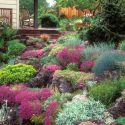
Drainage is just as important as sunlight. Dianthus dislike heavy, wet, airless soil, especially in winter. If your garden soil is clay, compacted, or slow to drain, grow pinks in raised beds, slopes, gravel gardens, walls, troughs, or containers. A raised position also brings the flowers closer to nose level, which makes the fragrance easier to enjoy.
The best soil for fragrant garden pinks is well-drained, moderately fertile, and neutral to slightly alkaline. They are not plants for wet, heavy ground. Rich, damp soil may produce soft leaves and short-lived plants rather than compact growth and strong flowering.
If your soil is sandy or gravelly, Dianthus may be very happy with only modest improvement. If your soil is clay, plant on a slight mound, improve drainage, and avoid planting where winter water collects. In containers, use a gritty potting mix rather than dense, moisture-retentive compost.
Water new Dianthus regularly while they establish, but do not keep the soil constantly wet. Once established, many garden pinks tolerate dry spells better than soggy roots. Water deeply during prolonged drought, then let the soil drain and breathe. Feed lightly in spring if growth is weak or soil is poor, but avoid heavy nitrogen feeding, which can produce lush leaves and fewer flowers.
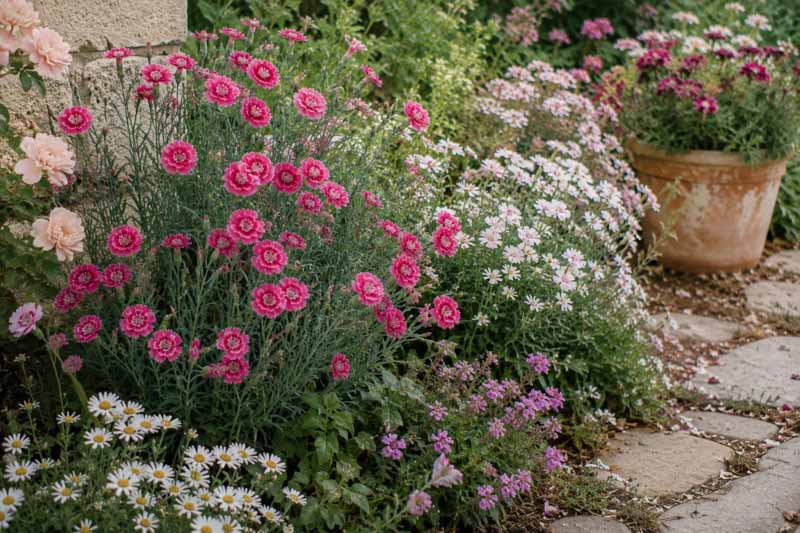
Deadheading is the simplest way to keep garden pinks tidy and encourage repeat flowering. Remove faded blooms before they form seed. Snip each flower stem just above a set of leaves. After the main flush, lightly shear the plant to remove old stems and stimulate fresh growth.
Some older pinks produce one glorious bloom season in late spring or early summer. Many modern scented varieties flower for longer, especially with regular deadheading. If your plant looks healthy but refuses to bloom, the usual causes are too much shade, too much nitrogen, lack of deadheading, old woody growth, or poor drainage.
For more troubleshooting, see Gardenia’s guide to why pinks are not blooming. For more rock garden inspiration, explore pretty perennial Dianthus for rock gardens.
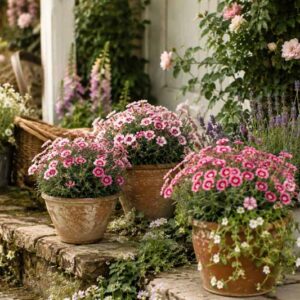
Clove-scented Dianthus are excellent container plants because pots let you place fragrance exactly where you want it. A bowl of Dianthus Memories on a sunny table, a compact pot of Dianthus ‘Faganza’ by a doorway, or a patio pot of Dianthus Romance beside a chair can make fragrance part of daily garden life.
Choose a container with drainage holes. Use a gritty potting mix that holds some moisture but drains quickly. A useful recipe is two parts quality potting mix plus one part perlite, pumice, horticultural grit, coarse sand, or fine gravel.
Plant the crown at soil level, not buried below the mix. Water once to settle the plant, then water only when the upper layer begins to dry. In hot weather, containers may need more frequent checks. In cool or rainy weather, they may need very little water.
Learn how to grow pinks in pots without killing them
Container warning: A pretty pot without drainage holes is not suitable for Dianthus. If you use a decorative cachepot, keep the plant in a separate inner pot and remove it for watering so it can drain fully.
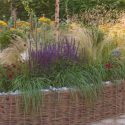
The best companions for fragrant pinks like the same conditions: sun, drainage, and moderate water. Good choices include creeping thyme, lavender, catmint, salvia, sea thrift, blue fescue, santolina, and low-growing sedums.
For a cottage garden look, combine scented Dianthus with roses, catmint, salvia, lavender, hardy geraniums, and ornamental grasses. For a gravel garden, pair them with creeping thyme, sedum, armeria, dwarf iris, blue fescue, and dwarf grasses. For containers, keep combinations simple so the Dianthus crown is not smothered.
Browse Gardenia Plant Combinations for planting inspiration, or use the Gardenia Garden Design Tool to test border and container layouts before planting.
Healthy Dianthus are usually easy to grow, but stressed plants can suffer from aphids, thrips, slugs, snails, leaf spot, powdery mildew, crown rot, or root rot.
Most problems begin with unsuitable growing conditions. Too much shade reduces flowering. Wet soil causes root stress. Crowded foliage holds moisture around the crown. Heavy feeding creates soft growth. Poor airflow encourages fungal disease.
Many Dianthus flowers attract bees, butterflies, and other pollinators, especially single and semi-double forms that provide easier access to nectar and pollen. Highly double flowers may be less accessible, but they still contribute beauty and fragrance when included in a diverse planting.
If pollinator value is a priority, combine scented double garden pinks with simpler Dianthus flowers and open-flowered companions such as thyme, lavender, salvia, catmint, sea thrift, and sedum. This creates a longer, more useful season of bloom while preserving the fragrance and charm of clove-scented pinks.
The biggest mistake is treating garden pinks like moisture-loving bedding plants. Dianthus prefer bright, open, well-drained conditions. They do not want deep shade, wet soil, daily watering without checking, or rich compost piled around their crowns.
Another mistake is choosing Dianthus for color alone and expecting strong fragrance. A vivid modern hybrid may be beautiful but lightly scented. If perfume is the priority, choose verified scented cultivars, clove pinks, old border pinks, and strongly fragrant species.
The most fragrant garden pinks and clove-scented Dianthus are among the best small perennials for sunny gardens. They deliver spicy perfume, colorful fringed flowers, compact foliage, drought tolerance, and strong design value in borders, rock gardens, gravel gardens, containers, and edging.
For the strongest scent, choose verified strongly fragrant Dianthus such as Dianthus plumarius, Dianthus superbus, Dianthus Tickled Pink, Dianthus Memories, Dianthus ‘Old Red Clove’, Dianthus ‘Devon Flavia’, Dianthus Romance, Dianthus ‘Lady Madonna’, Dianthus ‘Monica Wyatt’, Dianthus ‘Faganza’, Dianthus ‘Hot Spice’, Dianthus ‘Rose Devon Pearl’, Dianthus ‘Devon Winnie’, Dianthus ‘Unique’, Dianthus ‘Whatfield Joy’, Dianthus ‘Lancing Supreme’, Dianthus ‘Maureen Lambert’, Dianthus ‘Alan Titchmarsh’, Dianthus ‘Lily the Pink’, and Dianthus ‘Chesswood Margaret Alison’. Plant them in full sun, give them sharp drainage, keep the crown dry, and deadhead after flowering.
For the strongest clove-scented Dianthus display, remember this:
The right pink in the right place is not just beautiful – it perfumes the garden.
The most fragrant Dianthus include strongly scented clove pinks, Scent First garden pinks, border pinks, pot carnations, and border carnations. Excellent verified choices include Dianthus plumarius, Dianthus superbus, Dianthus Tickled Pink, Dianthus Memories, Dianthus ‘Old Red Clove’, Dianthus ‘Devon Flavia’, Dianthus Romance, Dianthus ‘Lady Madonna’, Dianthus ‘Monica Wyatt’, Dianthus ‘Faganza’, Dianthus ‘Hot Spice’, Dianthus ‘Rose Devon Pearl’, Dianthus ‘Devon Winnie’, Dianthus ‘Unique’, Dianthus ‘Whatfield Joy’, Dianthus ‘Lancing Supreme’, Dianthus ‘Maureen Lambert’, Dianthus ‘Alan Titchmarsh’, Dianthus ‘Lily the Pink’, and Dianthus ‘Chesswood Margaret Alison’.
Many garden pinks have a spicy, sweet, clove-like fragrance because their floral scent includes warm aromatic notes similar to clove. The scent is often strongest on warm, sunny days when flowers are fully open.
No. Many Dianthus are fragrant, but not all are strongly scented. Some modern bedding types are bred mainly for flower color, compact growth, or long bloom. For fragrance, choose plants described as highly scented, strongly scented, spicy, sweetly scented, richly scented, or clove-scented.
Pinks and carnations are both Dianthus, but garden pinks are usually compact plants grown for edging, rock gardens, containers, and fragrance. Carnations are often taller and are commonly grown for larger flowers and cut stems.
Plant fragrant Dianthus in full sun and well-drained soil, preferably near paths, patios, benches, gates, steps, raised beds, containers, or low walls where the clove scent can be enjoyed up close.
Many garden pinks are perennial or short-lived perennial and can return for several years in suitable conditions. They live longest in full sun, sharply drained soil, and open airflow. Old woody plants may need replacing or renewing from cuttings.
Yes. Clove-scented Dianthus grow very well in pots if the container has drainage holes, the potting mix is gritty and free draining, and the crown is kept at soil level. Place pots in full sun or morning sun with light afternoon shade in hot climates.
Keep fragrant Dianthus blooming by planting in full sun, avoiding soggy soil, deadheading faded flowers, trimming lightly after the main flush, and feeding sparingly. Too much shade or nitrogen can reduce flowering.
Good companions for fragrant garden pinks include thyme, lavender, catmint, salvia, sedum, sea thrift, blue fescue, santolina, dwarf ornamental grasses, roses, and hardy geraniums, especially in sunny, well-drained soil.
Updated: June 2026 • Reviewed by Gardenia Editors
| Hardiness |
5 - 9 |
|---|---|
| Plant Type | Perennials |
| Plant Family | Caryophyllaceae |
| Genus | Dianthus |
| Exposure | Full Sun |
| Maintenance | Low |
| Soil Type | Chalk, Loam, Sand |
| Soil pH | Alkaline, Neutral |
| Soil Drainage | Well-Drained |
| Characteristics | Fragrant |
| Tolerances | Drought, Deer, Rabbit, Dry Soil |
| Attracts | Bees, Butterflies, Hummingbirds |
| Garden Styles | City and Courtyard, Coastal Garden, Cutting Garden, Gravel and Rock Garden, Informal and Cottage, Mediterranean Garden |
| Hardiness |
5 - 9 |
|---|---|
| Plant Type | Perennials |
| Plant Family | Caryophyllaceae |
| Genus | Dianthus |
| Exposure | Full Sun |
| Maintenance | Low |
| Soil Type | Chalk, Loam, Sand |
| Soil pH | Alkaline, Neutral |
| Soil Drainage | Well-Drained |
| Characteristics | Fragrant |
| Tolerances | Drought, Deer, Rabbit, Dry Soil |
| Attracts | Bees, Butterflies, Hummingbirds |
| Garden Styles | City and Courtyard, Coastal Garden, Cutting Garden, Gravel and Rock Garden, Informal and Cottage, Mediterranean Garden |
Create a membership account to save your garden designs and to view them on any device.
Becoming a contributing member of Gardenia is easy and can be done in just a few minutes. If you provide us with your name, email address and the payment of a modest $25 annual membership fee, you will become a full member, enabling you to design and save up to 25 of your garden design ideas.
Join now and start creating your dream garden!
Create a membership account to save your garden designs and to view them on any device.
Becoming a contributing member of Gardenia is easy and can be done in just a few minutes. If you provide us with your name, email address and the payment of a modest $25 annual membership fee, you will become a full member, enabling you to design and save up to 25 of your garden design ideas.
Join now and start creating your dream garden!