Learn how Nebraska’s 2023 USDA hardiness zones 4b–6a shape what you can grow from Omaha to the Panhandle. Get frost dates, planting calendars, and expert recommendations for vegetables, fruit trees, flowers, and native prairie plants so your Nebraska garden handles wind, heat, drought, and winter cold.
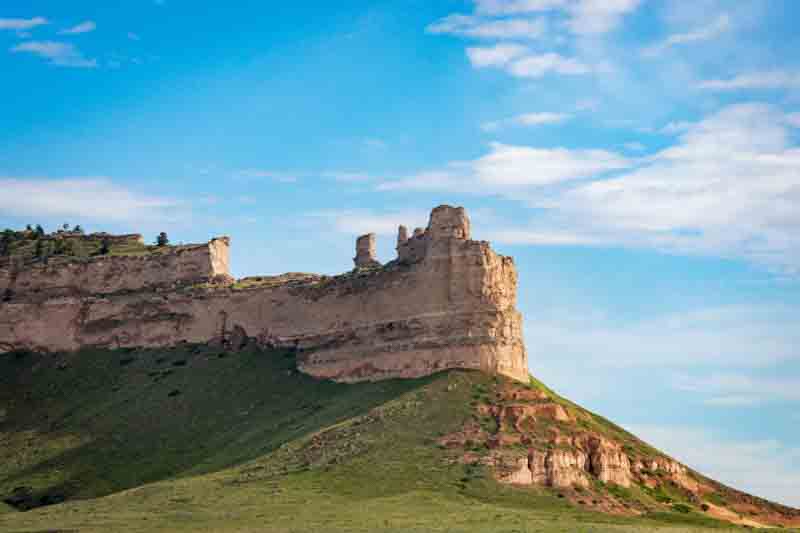


Gardening in Nebraska might mean a tree-lined Omaha backyard, a sunny Lincoln community garden, a windy Grand Island or Kearney lot along the Platte, raised beds in North Platte or Norfolk, or a tough, dry-climate plot near Scottsbluff, Gering, Alliance, or Chadron. Nebraska planting zones range from cooler Panhandle high plains to comparatively mild southeastern river bluffs – each with its own winds, hailstorms, and frost patterns.
This guide will help you understand your Nebraska growing zone using the updated 2023 USDA Plant Hardiness Zone Map, plan around frost dates, and choose the best plants for your corner of the Cornhusker State.
On the 2023 USDA Plant Hardiness Zone Map, Nebraska runs from about zone 4b to zone 6a, based on 30-year averages of the coldest winter temperatures (1991–2020). Colder 4b–5a zones hug the north and Panhandle high plains, while milder 5b–6a zones show up in the southeast, along the Missouri and lower Platte River valleys, and around Omaha–Lincoln. Most home gardens fall between zones 5a and 5b.
*Zones summarized from the 2023 USDA hardiness map and Nebraska climate analyses using 1991–2020 climate data.
The updated 2023 USDA Plant Hardiness Zone Map uses modern 30-year climate normals (1991–2020) and improved terrain data, refining zone boundaries across Nebraska’s river valleys, rolling prairies, Sandhills, and Panhandle high plains. Compared to older maps, much of the state has shifted about a half- to full zone warmer, with new 6a pockets in southern and southeastern Nebraska and subtle changes across the rest of the state.
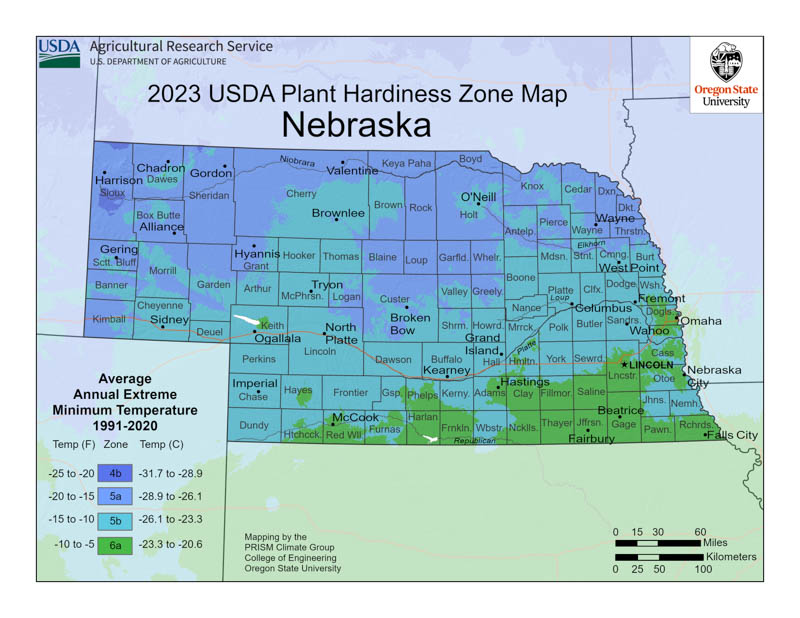
Imagine a Nebraska planting zone map here, with cooler blues and purples in the north and Panhandle, and warmer greens and yellows arching across the southeast and major river valleys.
Use the map alongside your ZIP code to pinpoint your Nebraska garden zone. Look up your Nebraska planting zone by ZIP code using the USDA tool, then return here or visit our Plant Finder for plants suited to your exact zone, soil, and exposure.
*According to the USDA and regional climate data groups using 1991–2020 climate normals.
Nebraska’s climate is shaped by latitude, elevation, the Platte and Missouri Rivers, the Sandhills, and the high plains of the Panhandle. Open prairies bring rapid temperature swings, while valleys, sheltered town lots, and south-facing slopes create microclimates that may differ by a half-zone from nearby fields and pastures.
This region includes Omaha, Lincoln, Bellevue, Papillion, La Vista, Beatrice, Plattsmouth, and surrounding communities along the Missouri and lower Platte Rivers.
This region includes Norfolk, Columbus, Fremont, Wayne, West Point, and nearby towns.
Includes Grand Island, Hastings, Kearney, Holdrege, and nearby rural areas along the Platte.
Valentine, O’Neill, Broken Bow, Ainsworth, and extensive ranchlands across the Sandhills and north-central region.
Scottsbluff, Gering, Alliance, Chadron, Sidney, and surrounding high plains.
Frost in Nebraska depends heavily on latitude, elevation, exposure, and how close you are to major rivers. An Omaha or Lincoln garden often enjoys a longer, warmer season than an exposed Sandhills homestead or a high, windy Panhandle site.
Across the state, last spring frosts typically occur from about late April to mid-May, and first fall frosts generally fall between late September and mid-October. Southeastern and river-valley sites enjoy the longest seasons, while northern and western high plains have the shortest. Most gardeners see roughly 120–145 frost-free days, with the longest windows in the southeast and shortest in the Panhandle and north-central high country.
| Region / City | Average Last Spring Frost | Average First Fall Frost | Approx. Frost-Free Days |
|---|---|---|---|
| Omaha & Lincoln (Southeast) | Late April–Early May | Early–Mid October | ~135–155 days |
| Grand Island / Kearney (Central Platte) | Early–Mid May | Early–Mid October | ~130–145 days |
| Norfolk & Northeast | Early–Mid May | Late September–Early October | ~125–140 days |
| North Platte (Central–West) | Mid May | Early October | ~125–140 days |
| Scottsbluff & Panhandle High Plains | Mid–Late May | Late September–Early October | ~115–135 days |
Dates represent averages from Nebraska climate data and frost-date tools; always check local forecasts and ZIP-code frost lookups for exact dates in your microclimate.
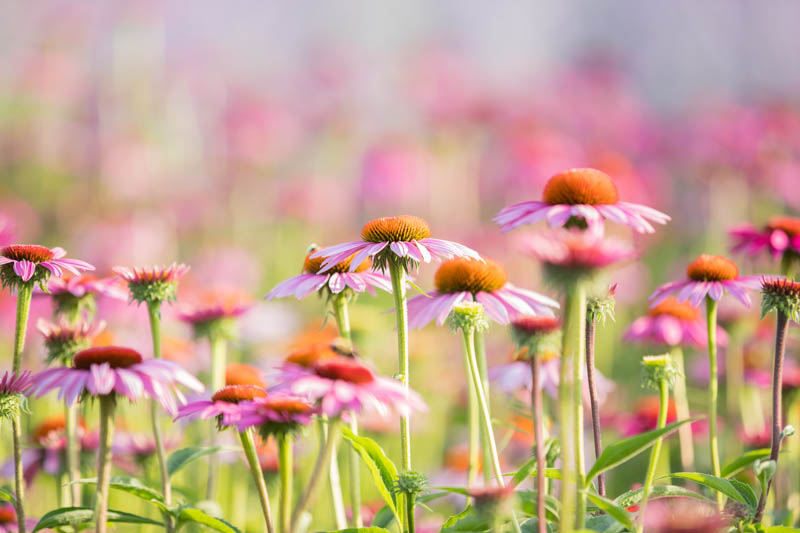
Once you know your Nebraska planting zone – whether you garden in a mild Omaha suburb, a sunny Lincoln backyard, a windy central Platte prairie, a sandy Sandhills site, or a short-season Panhandle garden – you can choose plants that thrive in your climate. Focus on cold-hardy perennials, drought- and wind-tolerant species, and varieties adapted to Great Plains weather swings.
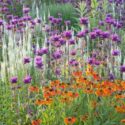
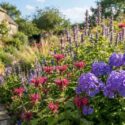
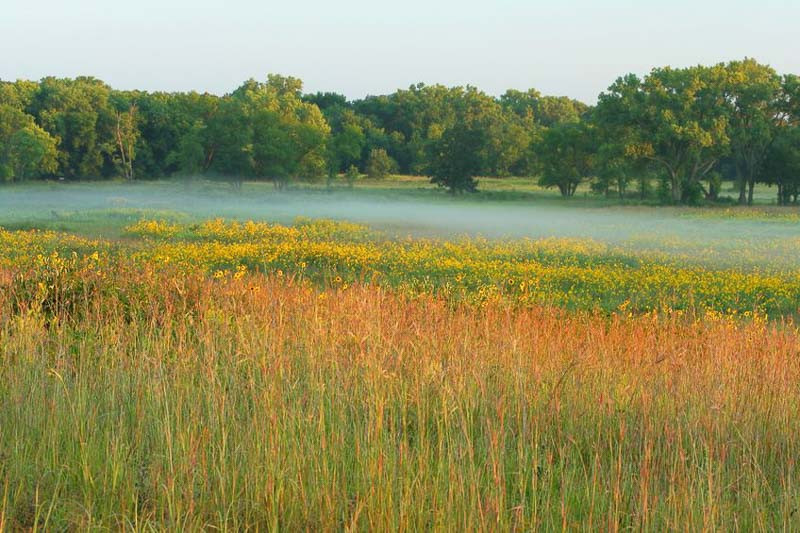
Nebraska native plants are adapted to local soils, cold winters, wind, and periodic drought. They support pollinators, birds, and beneficial insects while offering durable, low-maintenance beauty.
Tap a month to see what to plant in Nebraska by zone. Adjust for your frost dates, elevation, slope, and whether you garden in a sheltered town lot, open prairie, sandy Sandhills site, or high-plains Panhandle garden.
Nebraska gardeners face winter cold, spring wind, hail, summer heat, and shifting frost patterns. These tips help you succeed from zones 4b to 6a:
Now that you understand your Nebraska planting zone, frost dates, and regional climate, you’re ready to choose plants that match your site and build a resilient, beautiful garden. Blend edible crops, prairie natives, flowering perennials, and shelterbelt trees for a landscape that thrives through all four of Nebraska’s seasons. Curious how Nebraska compares to other states? Visit our national USDA planting zone guide to explore growing zones across the U.S.
According to the 2023 USDA Plant Hardiness Zone Map, Nebraska spans roughly zones 4b to 6a. Most of the state lies in zones 5a–5b, with colder 4b pockets in the north and Panhandle high plains, and warmer 6a pockets concentrated in southern and southeastern Nebraska, including parts of Omaha and Lincoln.
Omaha sits on the border of zones 5b and 6a on the 2023 USDA map. Many neighborhoods are now rated 6a, reflecting average winter lows of about –10°F to –5°F. For practical gardening, choose plants hardy to at least zone 5b or 6a and always protect borderline species in unusually cold winters.
Lincoln straddles zones 5b and 6a. This means most hardy perennials labeled for zones 4–6 perform well, while some traditionally “warmer” plants are becoming more feasible with protection. Because cold snaps still occur, it’s smart to favor zone-4 or zone-5 hardiness for long-lived trees and shrubs.
Nebraska’s frost-free season averages about 120–145 days, depending on location. Southeastern cities like Omaha and Lincoln often have the longest seasons, while the Sandhills and Panhandle have shorter windows. Your actual season is defined by your local last spring frost and first fall frost, so check dates by ZIP code.
In much of Nebraska, the average last spring frost falls between late April and mid-May. The first fall frost typically arrives from late September to mid-October. Southeast Nebraska tends to be on the warm, late-frost side; the Panhandle and north-central areas are a bit earlier on both ends of the season.
Nebraska’s hot summers and cool nights are excellent for cool-season crops like lettuce, spinach, peas, brassicas, carrots, and beets, and warm-season crops such as tomatoes, peppers, squash, cucumbers, beans, and sweet corn. In Sandhills and Panhandle gardens, choose fast-maturing varieties and use row covers to stretch the season.
Yes. These regions are typically drier, windier, and often cooler at night with sandy or thin soils. Successful gardeners emphasize windbreaks, mulch, drip irrigation, and deep-rooted, drought-tolerant plants, especially native grasses and wildflowers. Short-season vegetable varieties and simple season-extension tools are especially helpful there.
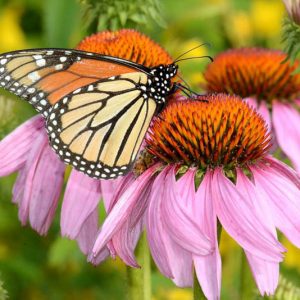
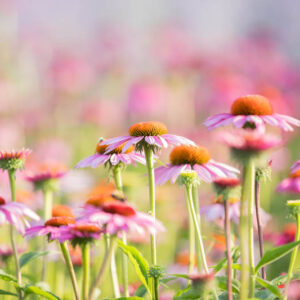
Nebraska-native pollinator all-stars include purple coneflower, black-eyed Susan, wild bergamot, milkweeds (including butterfly weed and swamp milkweed), blazing star, asters, little bluestem, switchgrass, prairie dropseed, and sideoats grama. These species handle local weather extremes while providing nectar, pollen, and seeds for bees, butterflies, and birds.
Yes. The 2023 USDA map, based on 1991–2020 data, shows much of Nebraska about a half-zone warmer than earlier maps, including new 6a areas in southern and southeastern Nebraska. Gardeners still need to plan for occasional extreme cold, but the long-term average minimum temperatures have trended milder.
When you’re on a zone boundary, treat your site as the colder zone for long-lived trees, shrubs, and investments, and experiment in protected spots with plants rated for the warmer zone. Microclimates matter: south-facing walls, courtyards, and sheltered urban yards can behave up to a half-zone warmer than nearby open fields.
Data sources: 2023 USDA Plant Hardiness Zone Map (1991–2020 normals), NOAA frost-date climatology.
Updated: December 2025 • Reviewed by Gardenia Editors
| Hardiness |
4 - 6 |
|---|---|
| Native Plants | United States, Nebraska |
Create a membership account to save your garden designs and to view them on any device.
Becoming a contributing member of Gardenia is easy and can be done in just a few minutes. If you provide us with your name, email address and the payment of a modest $25 annual membership fee, you will become a full member, enabling you to design and save up to 25 of your garden design ideas.
Join now and start creating your dream garden!
Create a membership account to save your garden designs and to view them on any device.
Becoming a contributing member of Gardenia is easy and can be done in just a few minutes. If you provide us with your name, email address and the payment of a modest $25 annual membership fee, you will become a full member, enabling you to design and save up to 25 of your garden design ideas.
Join now and start creating your dream garden!