Battus philenor

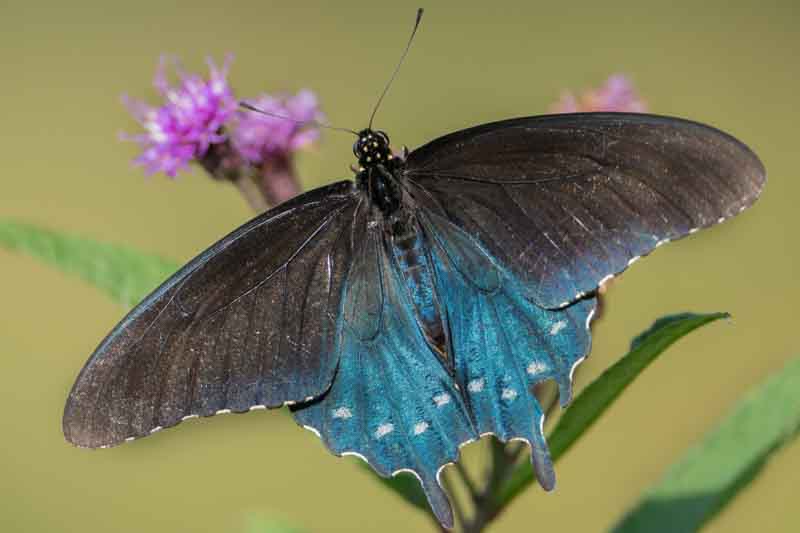
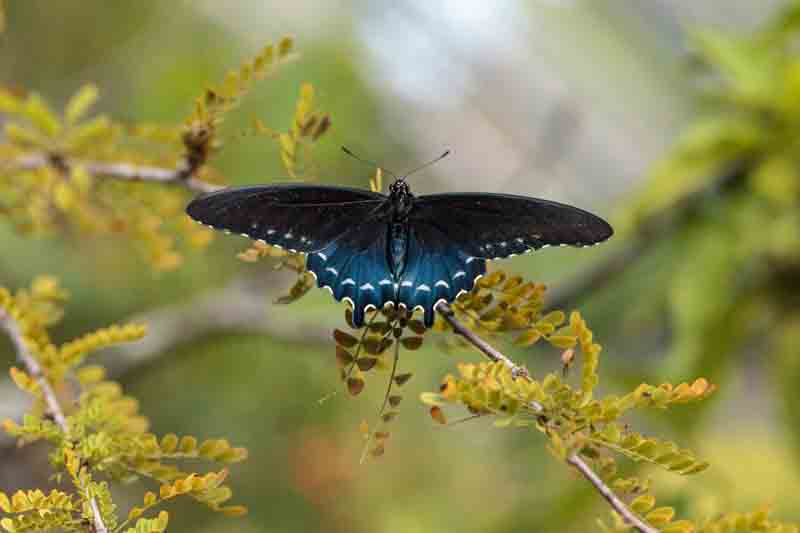
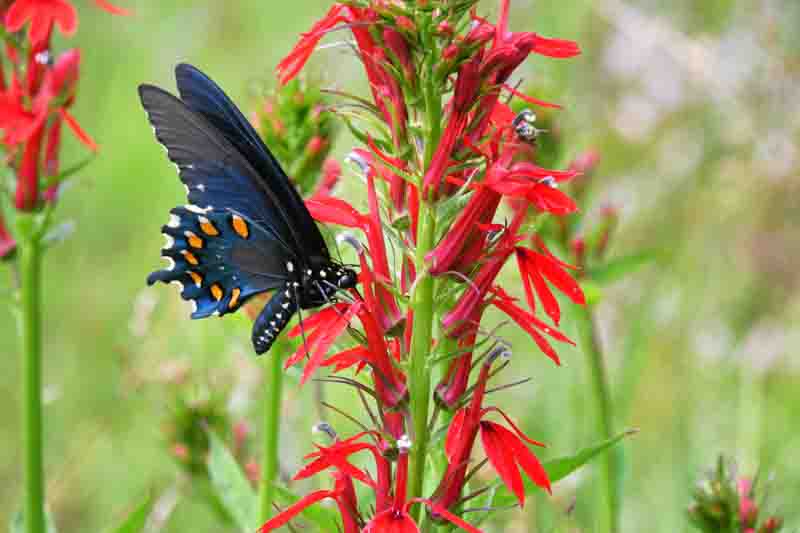
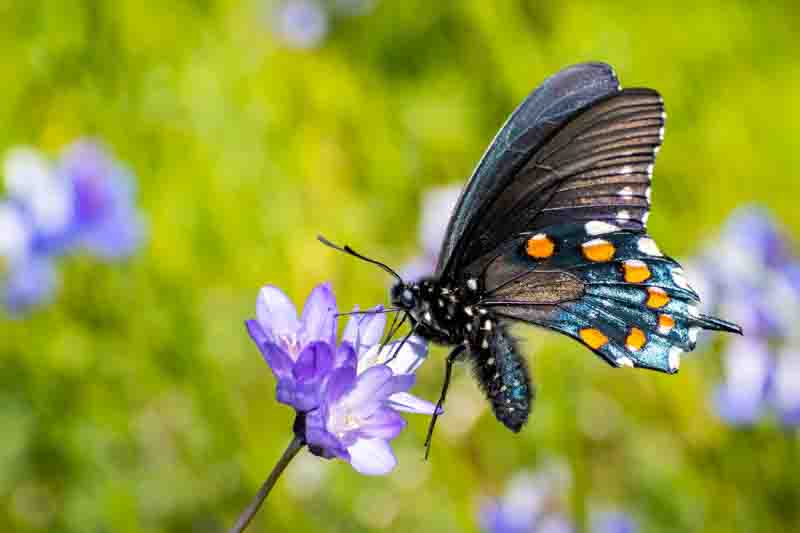
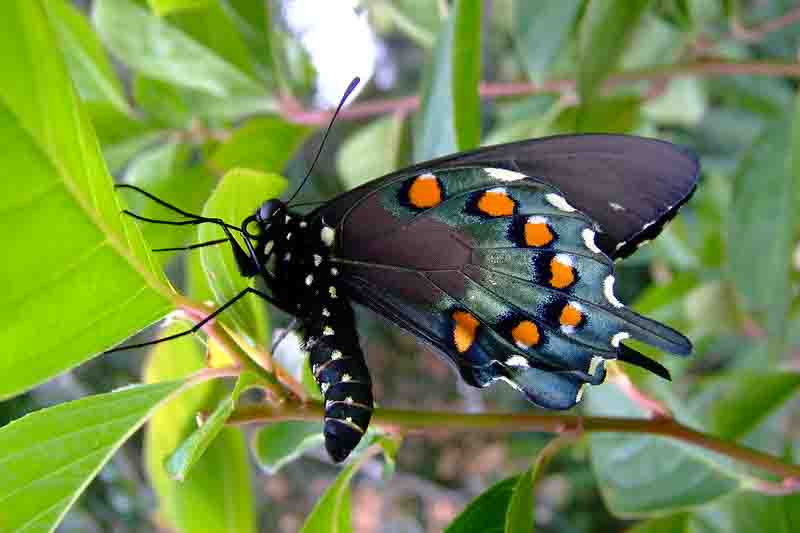


The Pipevine Swallowtail (Battus philenor) is one of North America’s most remarkable butterflies. Its upper wings are velvety black with a luminous blue or blue-green sheen across the hindwings, while the underside flashes brilliant orange spots against iridescent blue. But its striking appearance tells only part of the story.
This butterfly is inseparably linked to pipevines in the genus Aristolochia. Its caterpillars feed on these plants and can sequester aristolochic acids from the foliage, helping make the larvae, pupae, and adults distasteful to some predators. That chemical defense is so influential that several other North American butterflies have evolved to resemble the Pipevine Swallowtail.
For gardeners, however, the most important lesson is practical: not every pipevine is equally safe or suitable. The right host can support generation after generation of caterpillars. The wrong ornamental pipevine may attract egg-laying females while failing to support their larvae.
Gardenia’s Pipevine Swallowtail principle: don’t simply plant a pipevine. Choose a safe, regionally appropriate host that fits your garden, then provide enough foliage, season-long nectar, and protected pupation space around it.
Several eastern butterflies are dark and blue, so identifying a Pipevine Swallowtail from the upper wings alone can be surprisingly difficult. The underside provides the best clues.
Wingspan: roughly 2 3/4 to 5 inches (7-13 cm).
Upper wings: mostly black, with an iridescent blue or blue-green wash across the hindwings. Males generally show the strongest sheen.
Hindwing tails: each hindwing carries one short tail.
Underside: a striking row of seven large orange spots appears across each hindwing against a blue or blue-green field.
Females: usually duller above than males, with paler markings and less intense iridescence.
Adults are strong, active fliers. Males often patrol woodland edges, gardens, flyways, and host-plant patches in search of females, while feeding adults may continue fluttering their wings as they probe flowers for nectar.
Quick Pipevine Swallowtail ID: black wings + blue-green hindwing sheen + one short tail + a bold row of large orange spots underneath.
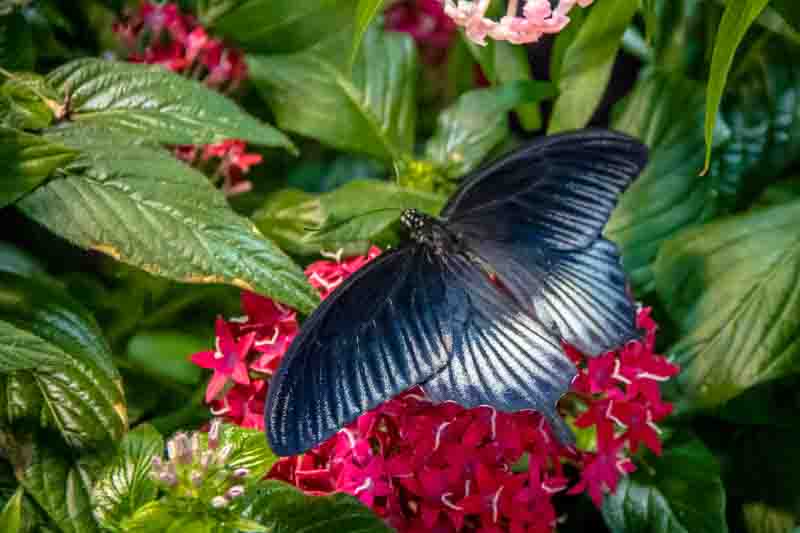
 Spicebush Swallowtail Butterfly
The Pipevine Swallowtail sits at the center of one of North America’s best-known butterfly mimicry systems.
Its caterpillars feed on Aristolochia, plants containing aristolochic acids. The larvae can sequester these compounds and carry them through the pupal stage into adulthood. The chemicals can make Pipevine Swallowtails distasteful to some predators, particularly birds.
That creates a strong evolutionary advantage for other butterflies that resemble them. Predators that learn to avoid the Pipevine Swallowtail may also hesitate before attacking a similar-looking butterfly.
Important members of this mimicry complex include the Spicebush Swallowtail, female Black Swallowtail, dark female Eastern Tiger Swallowtail, Red-spotted Purple, and female Diana Fritillary.
Some are Batesian mimics – more palatable species gaining protection by resembling a defended model. The result is a remarkable collection of unrelated butterflies sharing the same dark, blue-toned warning appearance.
A butterfly other butterflies copy: the Pipevine Swallowtail’s host-plant chemistry has influenced not only its own survival strategy but the appearance of an entire North American mimicry complex.
Pipevine Swallowtails occur across much of the United States and extend south through Mexico and Central America. Their distribution is broad, but local abundance depends heavily on the presence of suitable Aristolochia host plants.
Typical habitat includes open woodlands, woodland edges, stream corridors, fields, roadsides, gardens, chaparral, and other sunny openings. In California, an isolated western population is closely associated with California Pipevine.
Flight season varies dramatically with climate. Northern populations have a shorter season and fewer generations, while the Deep South may support three or more generations in a year.
Adults can travel beyond the immediate host patch in search of nectar, so seeing a Pipevine Swallowtail in a flower garden does not necessarily mean pipevine is growing there. Breeding habitat begins where females can locate a suitable host.
 Pipevine or Dutchman’s Pipe – Aristolochia macrophylla,
Pipevine Swallowtail caterpillars feed on plants in the genus Aristolochia. Reports of larvae feeding normally on unrelated plants such as wild ginger, knotweed, or morning glory are generally considered erroneous or the result of wandering caterpillars rather than true host use.
For gardeners, the important point is that host choice is regional. A vigorous vine appropriate for an eastern woodland garden may be completely wrong for a California landscape, and some exotic pipevines should not be planted for this butterfly at all.
Important North American hosts include:
Dutchman’s Pipe – Aristolochia macrophylla – a vigorous eastern North American vine with huge heart-shaped leaves. Reaching roughly 15-30 feet, it can cover an arbor, pergola, fence, trellis, or shaded wall and provides substantial foliage for caterpillars where its mature size can be accommodated.
Woolly Pipevine – Aristolochia tomentosa – a native vine of the southeastern and central United States, recognizable by its softly hairy foliage. It can climb 20-30 feet and is an important larval host in woodland-edge and naturalistic landscapes.
Virginia Snakeroot – Aristolochia serpentaria – a much smaller eastern woodland perennial rather than a large climbing vine. Its compact habit makes it especially interesting where a huge ornamental pipevine would be impractical.
California Pipevine – Aristolochia californica – the key host for Pipevine Swallowtails in much of northern and central California. It grows naturally in woodland, chaparral, foothill, and streamside habitats and supports the distinctive western population of the butterfly.
Important host warning: not every ornamental pipevine is safe for Pipevine Swallowtail caterpillars. Aristolochia elegans, also known as Calico Flower and often listed under the synonym Aristolochia littoralis, can attract egg-laying females even though most Pipevine Swallowtail larvae fail to survive on it. Where Battus philenor occurs, favor appropriate native or proven regional hosts instead.
Caterpillars can remove large quantities of foliage, particularly when several larvae develop on the same plant. A healthy, established pipevine can often recover, so defoliation should not automatically be treated as a pest emergency.
Pipevines are also not edible garden plants. Aristolochia contains aristolochic acids, compounds associated with serious toxicity in humans. These plants should not be eaten or used in homemade medicinal preparations.
Gardenia’s host rule: don’t stop at “Will the caterpillar eat this plant?” Ask “Is it a safe host for this butterfly, is it appropriate for my region, and can it actually thrive in my garden?” Host value and garden fit belong in the same decision.
Pipevine Swallowtail caterpillars are almost as distinctive as the adult butterflies.
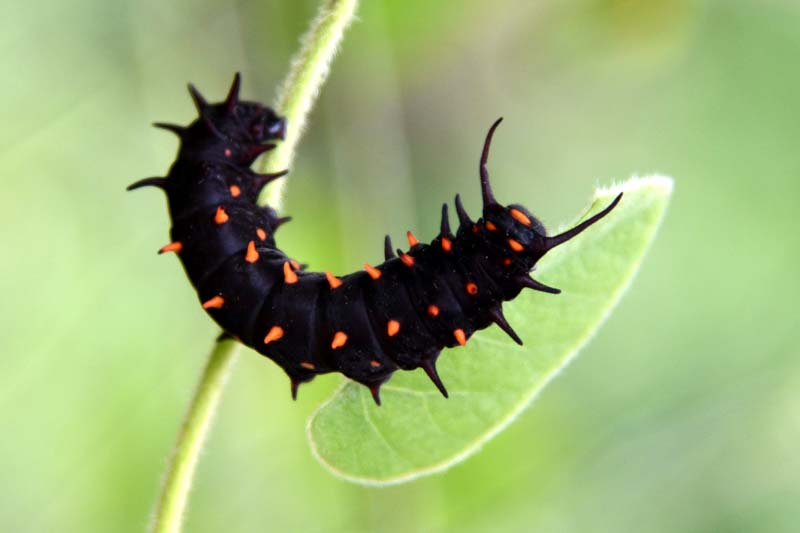
Young larvae are usually dark red-brown to black and feed together in groups. As they grow, the body becomes covered with rows of fleshy projections called tubercles. Several tubercles near the front become noticeably elongated, while orange or reddish markings stand out against the dark body.
Full-grown caterpillars reach about 2 inches (5 cm) long. Their dramatic black-and-orange appearance functions as warning coloration associated with their chemical defense.
Young larvae are highly social and may remain clustered together while feeding. Older caterpillars become increasingly solitary and may move from stem to stem or even to another nearby host when foliage becomes scarce.
A caterpillar found on a fence, tree trunk, wall, or unrelated shrub is not necessarily feeding there. Full-grown larvae often leave the pipevine entirely when searching for a pupation site.
Before treating a stripped pipevine, identify the caterpillars. Dark larvae with orange or red markings may be evidence that the vine is functioning exactly as a Pipevine Swallowtail host should.
The Pipevine Swallowtail passes through four stages – egg, caterpillar, chrysalis, and adult – with the number of annual generations increasing toward warmer climates.
Eggs: Females lay reddish-orange eggs on suitable pipevine, often in small clusters on stems, shoots, or the undersides of foliage.
Young caterpillars: After hatching, larvae feed communally. Their first meals begin the process of acquiring aristolochic acids from the host plant.
Older caterpillars: As they grow, larvae become more solitary and consume increasingly large amounts of foliage.
Pupation: Mature caterpillars stop feeding and leave the host plant. They search for a firm, usually vertical surface on which to pupate. Tree trunks, bark, rock faces, and similar sheltered substrates may be used. The chrysalis is secured upright with silk.
Overwintering: The Pipevine Swallowtail generally survives winter in the pupal stage. Overwintering chrysalides may be brown and remarkably difficult to distinguish from bark, stone, or weathered vegetation.
Adults: Populations farther north commonly produce about two generations, while three or more can occur in the Deep South. Local weather, latitude, and host availability influence the exact schedule.
Protect more than the pipevine. Mature caterpillars may leave the host completely before forming a chrysalis, so nearby trunks, rocks, sheltered structures, and other stable surfaces can become part of the butterfly’s habitat.
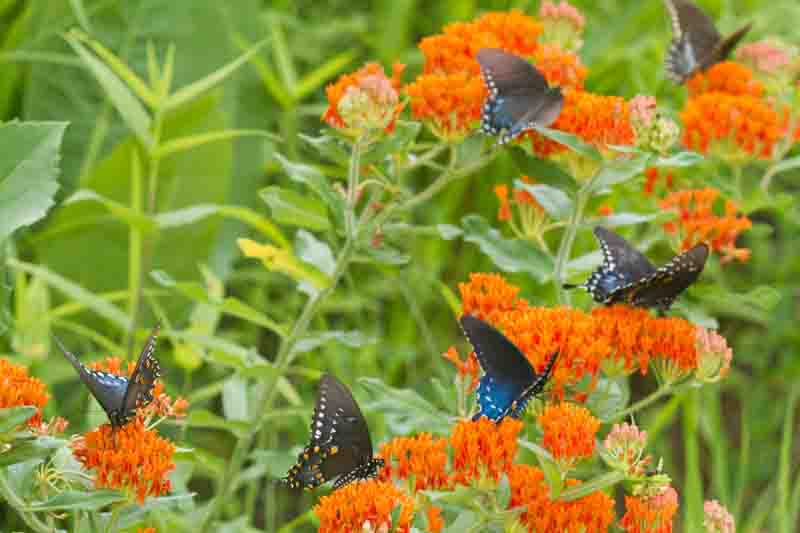
Adult Pipevine Swallowtails feed on flower nectar, not pipevine foliage. Unlike their caterpillars, which are tightly tied to Aristolochia, the adults visit a broad range of flowering plants.
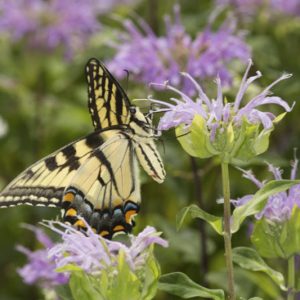
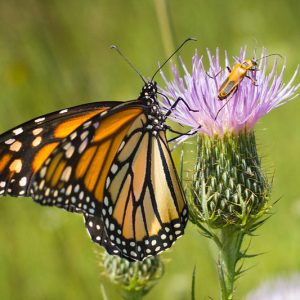
Documented nectar sources include bergamot, phlox, lilac, azaleas, verbena, thistles, lupines, California Buckeye, lantana, petunias, teasel, and other flowering plants. Pink and purple flowers are especially attractive, although the butterflies use blossoms in many colors when nectar is accessible.
For a garden, the goal is not simply to collect the longest possible list. A better strategy is to create a nectar sequence from spring through fall, using plants suited to your region, soil, sunlight, and moisture conditions.
These 15 plants offer a broad range of choices:
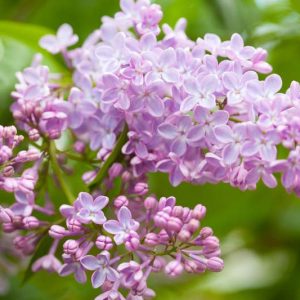
Lilacs – Syringa – fragrant spring flower clusters are documented Pipevine Swallowtail nectar sources and can provide important early food in cooler climates before most summer perennials begin blooming.
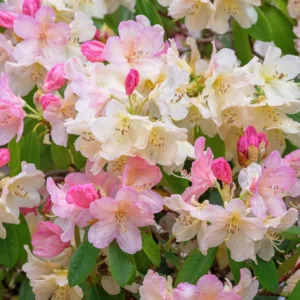
Azaleas – Rhododendron spp. – spring-flowering azaleas are documented nectar sources and work especially well along woodland edges, where their bright blossoms can complement the partly shaded conditions favored by some pipevines.
Wild Lupine – Lupinus perennis – rich in nectar and blooming from mid-spring into early summer, this native perennial is useful in sunny, sandy, well-drained sites. Lupines are directly documented as Pipevine Swallowtail nectar sources.
California Buckeye – Aesculus californica – a particularly valuable western choice. The National Park Service documents California Buckeye as an adult nectar source for the California Pipevine Swallowtail, making it especially relevant in California landscapes.
Wild Bergamot – Monarda fistulosa – a documented nectar source with lavender flower heads that provide abundant midsummer nectar. It is especially useful in sunny borders, prairies, meadows, and naturalistic butterfly gardens.
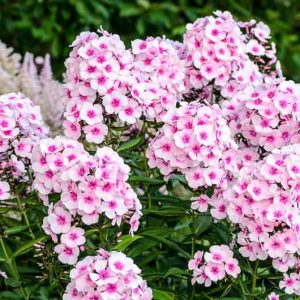
Garden Phlox – Phlox paniculata – fragrant summer flower clusters provide nectar for weeks and are directly documented as Pipevine Swallowtail feeding plants. Their pink, purple, and lavender forms are especially well suited to butterfly gardens.
American Blue Vervain – Verbena hastata – a long-blooming native perennial with slender purple flower spikes. Verbena is documented as a nectar source, while this native species is especially useful in moist meadows, rain gardens, and stream edges.
Field Thistle – Cirsium discolor – native thistles are among the most strongly documented Pipevine Swallowtail nectar sources. Field Thistle produces copious nectar from summer into fall and attracts a wide range of butterflies without the invasive problems associated with some introduced thistles.
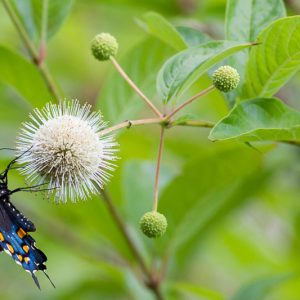
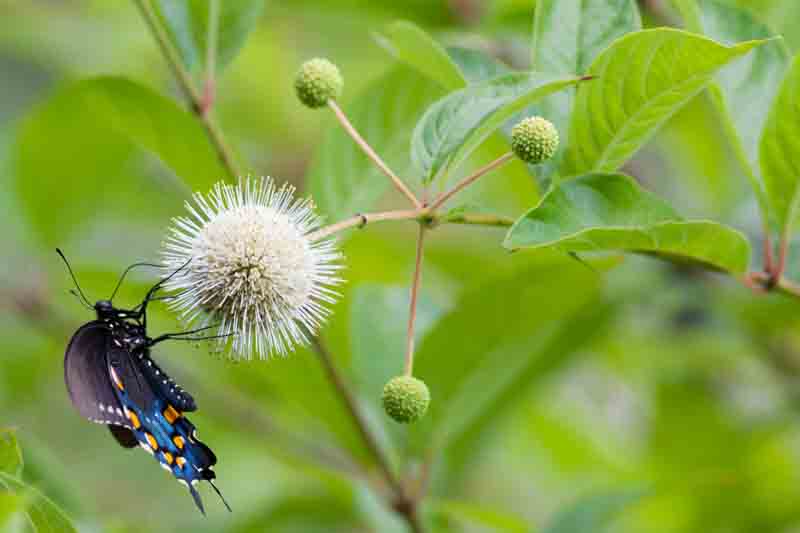
Buttonbush – Cephalanthus occidentalis – the National Park Service specifically documents Pipevine Swallowtails feeding on Buttonbush. Its spherical, nectar-rich summer flowers are ideal for wet soils, rain gardens, streambanks, and pond margins.
Asters – Aster and related genera – NPS records asters among nectar plants used by California Pipevine Swallowtails. Their late-summer and fall flowers are especially valuable because they keep nectar available when many earlier plants have finished blooming.
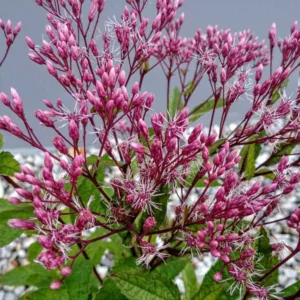
Ironweeds – Vernonia spp. – vivid purple flower heads are particularly attractive to Pipevine Swallowtails and provide a strong late-summer nectar source in sunny meadows, naturalistic borders, and prairie-style plantings.
Sweet-Scented Joe-Pye Weed – Eutrochium purpureum – a broader butterfly-garden recommendation rather than one of the core species-specific nectar records, but its large pink-purple flower clusters provide abundant nectar from midsummer into early fall and fit beautifully into moist woodland-edge habitat.
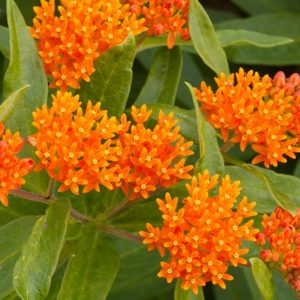
Butterfly Weed – Asclepias tuberosa – another excellent broader butterfly nectar plant. Its brilliant orange summer flowers provide abundant nectar in sunny, dry, well-drained sites and add a valuable habitat option where moisture-loving species would struggle.
Common Milkweed – Asclepias syriaca – fragrant summer flower clusters offer abundant nectar to many large butterflies. Although it is not a Pipevine Swallowtail larval host, it can help strengthen the surrounding nectar landscape in naturalistic gardens and meadows.
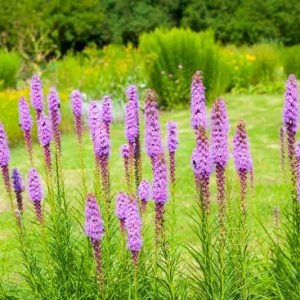
Blazing Star – Liatris spicata – dense purple flower spikes provide a concentrated summer nectar source and are highly attractive to butterflies. It works particularly well in sunny borders and pollinator plantings where vertical form is useful.
Together, these plants can create a much longer feeding season than any one species alone. Lilacs, azaleas, lupines, and California Buckeye contribute spring to early-summer bloom. Bergamot, Phlox, Vervain, Buttonbush, Butterfly Weed, and Milkweed carry nectar through summer. Field Thistle, Joe-Pye Weed, Ironweed, Asters, and Blazing Star help sustain adults into late summer and fall.
Not every plant belongs in every Pipevine Swallowtail garden. Buttonbush and Blue Vervain favor moist to wet soil, while Butterfly Weed and Wild Lupine prefer much drier, well-drained conditions. California Buckeye is a regional western choice, while Lilac performs best in cooler climates. The objective is to choose nectar plants that match the site rather than forcing one universal butterfly-plant list onto every garden.
Gardenia’s Pipevine Swallowtail nectar strategy: build a seasonal nectar sequence around the host plant. Combine spring, summer, and late-season bloom, then narrow those choices by climate, sunlight, soil, moisture, native range, and available space. The best nectar plant is not simply one a butterfly will visit – it is one that can thrive where you actually garden.
Male Pipevine Swallowtails sometimes gather on damp soil, sand, muddy roads, or streambanks in a behavior known as puddling.
They are obtaining more than water. Damp soil contains dissolved minerals, particularly sodium, that can be scarce in a nectar-based diet.
The behavior has an additional reproductive role. Males can transfer some of the sodium they acquire to females in the spermatophore during mating.
A naturally damp, pesticide-free patch of exposed soil can therefore add another useful habitat feature, especially around streams, rain gardens, pond margins, and low areas where moisture already collects.
Gardenia’s puddling tip: don’t build an artificial mud pit unless the site calls for one. Where naturally damp mineral soil already occurs, leaving a small sunny patch exposed may provide exactly what males need.
Flowers can attract a passing adult. Breeding habitat requires considerably more.
Start with a safe regional pipevine. Choose a proven Aristolochia host suited to your geography rather than assuming every ornamental pipevine will support the caterpillars.
Give the host enough room. Large vines such as Dutchman’s Pipe need substantial support and mature space, while smaller hosts such as Virginia Snakeroot suit very different garden situations.
Expect caterpillar feeding. Groups of larvae can strip considerable foliage. Avoid broad-spectrum insecticides and allow established hosts time to recover.
Provide nectar throughout the flight season. Combine early, summer, and late-season flowering plants rather than relying on one short bloom period.
Protect potential pupation sites. Mature caterpillars may wander away from the pipevine before attaching themselves to a stable vertical surface.
Preserve naturally damp mineral soil where practical. Males may use these areas for puddling.
The Pipevine Swallowtail is a useful example of why butterfly gardening should be designed around the entire life cycle rather than around adult flowers alone.
1. Start with the right pipevine.
Choose a safe, regionally appropriate Aristolochia that fits the site’s climate, light, soil, moisture, mature space, and available climbing structure.
2. Provide enough host foliage.
Young caterpillars feed together and older larvae consume heavily. Established vines, multiple stems, or naturally spreading host patches can better absorb that demand.
3. Build a season-long nectar sequence.
Add compatible flowers for spring, summer, and late summer so adults can feed throughout successive broods.
4. Protect the journey from vine to chrysalis.
Recognize that a mature caterpillar may leave the host altogether and pupate on another stable vertical surface nearby.
Gardenia’s shortcut: safe regional pipevine + enough foliage + season-long nectar + protected pupation space. The host creates the nursery, but the surrounding landscape determines whether the butterfly can complete the whole cycle.
If a Pipevine Swallowtail appears in your garden, the next question is not simply “Which flower attracted it?” It is “Can this landscape support its complete life cycle?”
Build a Pipevine Swallowtail garden that actually fits your site.
Knowing that the caterpillar needs Aristolochia is only the beginning. The right garden also needs a safe host plant, enough foliage, compatible nectar plants, and room for the butterfly to complete its life cycle.
Use the Gardenia Plant Finder to narrow plants by hardiness, sunlight, soil, drainage, water needs, mature size, native status, wildlife value, and other growing conditions.
Then build the habitat with the Gardenia Garden Design Tool – combine the host vine with nectar and companion plants that can actually thrive together in the same landscape.
Don’t stop at “plant pipevine.” Turn the butterfly’s biology into a garden plan that works.
What is the host plant for the Pipevine Swallowtail?
Pipevine Swallowtail caterpillars feed on pipevines in the genus Aristolochia. Important North American hosts include Dutchman’s Pipe (Aristolochia macrophylla), Woolly Pipevine (Aristolochia tomentosa), Virginia Snakeroot (Aristolochia serpentaria), and California Pipevine (Aristolochia californica).
No. Aristolochia elegans, also known as Calico Flower and listed under the synonym Aristolochia littoralis, can attract egg-laying Pipevine Swallowtails even though most larvae fail to survive on it. Regionally appropriate native or proven hosts are preferable.
Pipevine Swallowtails are mostly black above with iridescent blue or blue-green hindwings. The underside of each hindwing has a distinctive row of seven large orange spots.
Mature caterpillars are dark red-brown to black with orange or red markings and rows of fleshy projections, including several elongated tubercles near the front. They reach about 2 inches long.
Pipevine Swallowtails sequester defensive compounds from Aristolochia host plants and can be distasteful to predators. Several more palatable butterflies resemble them and may gain protection through mimicry.
Documented nectar sources include bergamot, phlox, lilac, verbena, thistles, azaleas, lupines, lantana, petunias, teasel, and other nectar-rich flowers. Pink and purple flowers are especially attractive.
The Pipevine Swallowtail generally overwinters as a chrysalis. Mature caterpillars leave the host and often pupate on firm vertical surfaces such as tree trunks, bark, or rock faces.
Plant a safe, regionally appropriate Aristolochia host, provide enough foliage for caterpillars, offer nectar throughout the flight season, avoid broad-spectrum insecticides, protect potential pupation surfaces, and preserve naturally damp mineral soil where practical.
Updated and reviewed by Gardenia: September 2026
Create a membership account to save your garden designs and to view them on any device.
Becoming a contributing member of Gardenia is easy and can be done in just a few minutes. If you provide us with your name, email address and the payment of a modest $25 annual membership fee, you will become a full member, enabling you to design and save up to 25 of your garden design ideas.
Join now and start creating your dream garden!