Discover how to create a small backyard garden that feels spacious, stylish, and easy to maintain. This in-depth guide covers layout, planting, privacy, focal points, hardscape, and smart design strategy, plus how to use Gardenia Plant Finder and Gardenia Design Tool to build a backyard plan that truly works.
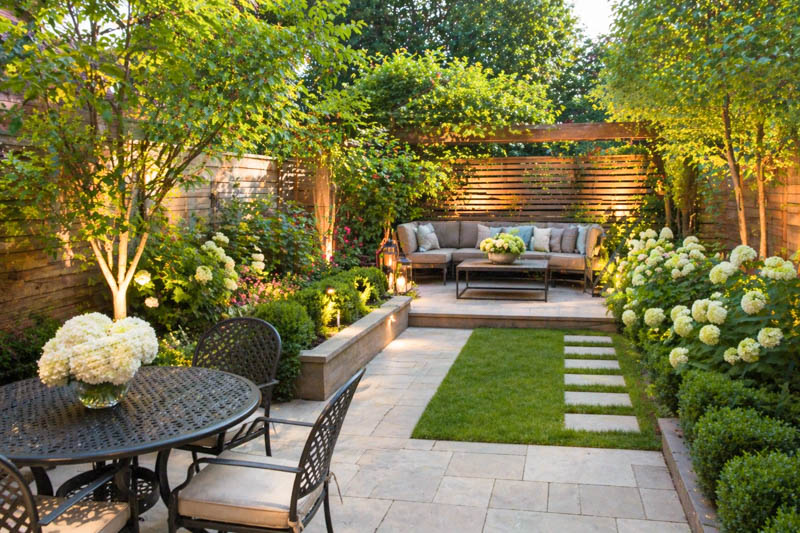


A small backyard garden can become one of the most valuable spaces around your home. It can be a place to relax, grow flowers, entertain friends, support pollinators, add privacy, and create year-round beauty without demanding the budget, water, or maintenance of a large landscape. The secret is not squeezing in more plants or features. It is designing the space as a complete system so every square foot works harder, looks better, and feels intentional.
That is where many small backyard garden plans go wrong. Homeowners often start by buying a few attractive plants, adding a path or patio later, and hoping the garden will somehow knit itself together. In a compact backyard, that approach usually backfires. Beds feel crowded, circulation becomes awkward, plant sizes are underestimated, and the garden looks busy rather than lush. A well-designed small backyard garden feels calm, layered, and purposeful because the layout, plant palette, scale, and seasonal structure all support one another.
This guide explains how to build a small backyard garden plan that is practical, beautiful, and easier to maintain over time. You will learn how to assess your space, shape the layout, choose the right planting layers, create privacy, improve flow, and use the Gardenia Plant Finder and the Gardenia Design Tool to turn ideas into a workable backyard garden design.
A small backyard garden plan is a clear layout and planting strategy for a compact outdoor space. It defines how the garden will be used, where key features will sit, how people move through the space, what plants create structure and seasonality, and how the garden will stay attractive as it matures.
It is not just a sketch of where to place flowers. A strong backyard garden plan includes hardscape, views, privacy, sun exposure, irrigation needs, maintenance level, and plant spacing. In a smaller yard, these decisions matter more because every mistake is more visible and every success has a bigger impact.
Most successful small backyard landscaping plans balance five priorities:
The most common mistake in backyard garden design is beginning with wishlist items instead of site conditions. Before choosing plants, furniture, raised beds, or a fire pit, study the actual yard. Small spaces are shaped by constraints, and good design turns those constraints into advantages.
Start by noting sunlight patterns. Which areas receive full sun for at least six hours? Which parts are shaded by fences, trees, or the house? Where does the yard feel hottest in late afternoon? Also pay attention to drainage, wind exposure, privacy issues, and sightlines from inside the house. A backyard that looks empty from the kitchen window may need structure first. One that feels boxed in may need layered planting and borrowed views to feel more open.
You should also identify how you want the space to function. Do you want an outdoor dining area, a pollinator garden, a low-maintenance planting border, a family-friendly lawn alternative, raised beds for herbs and vegetables, or a private retreat? In a small backyard, a garden rarely succeeds when it tries to be everything at once. It works best when one main use leads and the rest support it.
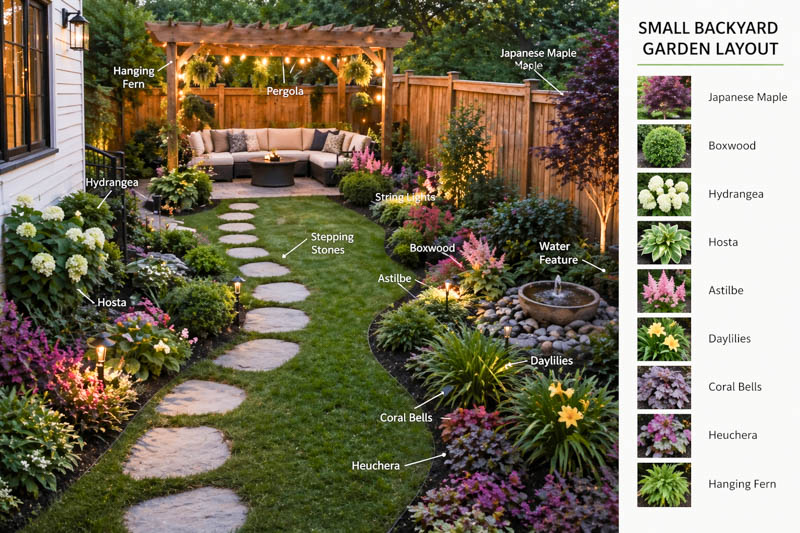
A great small backyard garden starts with spatial planning. Think of the garden as a sequence of outdoor rooms, even if the yard is tiny. You may only have space for a single patio and two planting zones, but the same principle applies. One area should act as the anchor, while the surrounding planting softens edges, controls views, and draws the eye outward.
In most small backyard layouts, a simple structure works best: a seating or dining area near the house, a clear path or visual axis, and layered planting around the perimeter. This creates the illusion of depth while keeping the center of the yard usable. Central clutter makes a small backyard feel even smaller. Perimeter planting, by contrast, expands the sense of space and frames the view.
Curves can be useful, but only when they have a purpose. Random wavy edges often make compact gardens feel fussy. Stronger geometry – such as rectangles, broad arcs, or a limited number of repeated shapes – tends to look more deliberate and more spacious. Small gardens usually benefit from fewer, bolder moves.
There is no single perfect plan, but several layouts work especially well in compact outdoor spaces.
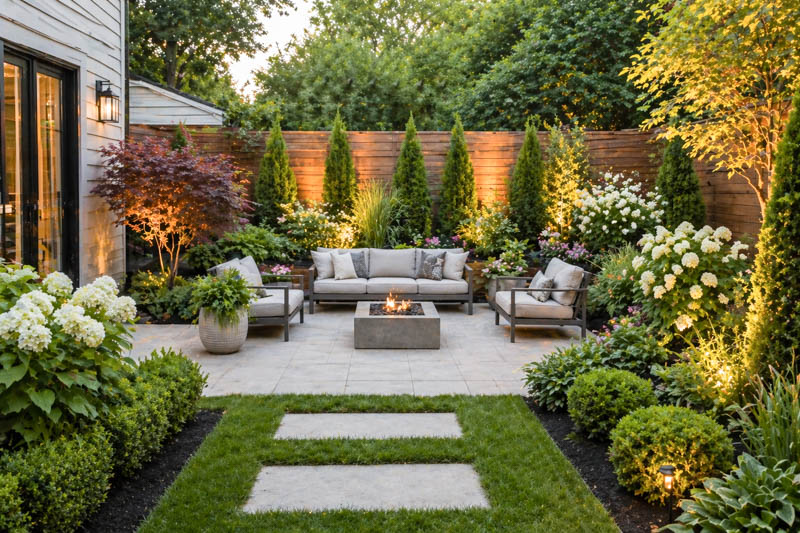
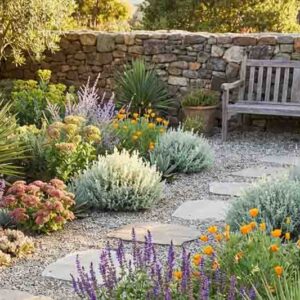
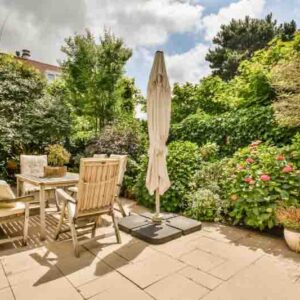
This is one of the most reliable small backyard garden designs. A paved or gravel sitting area anchors the space near the house, while surrounding beds provide structure, color, fragrance, and privacy. It works well for entertaining and low-maintenance planting.
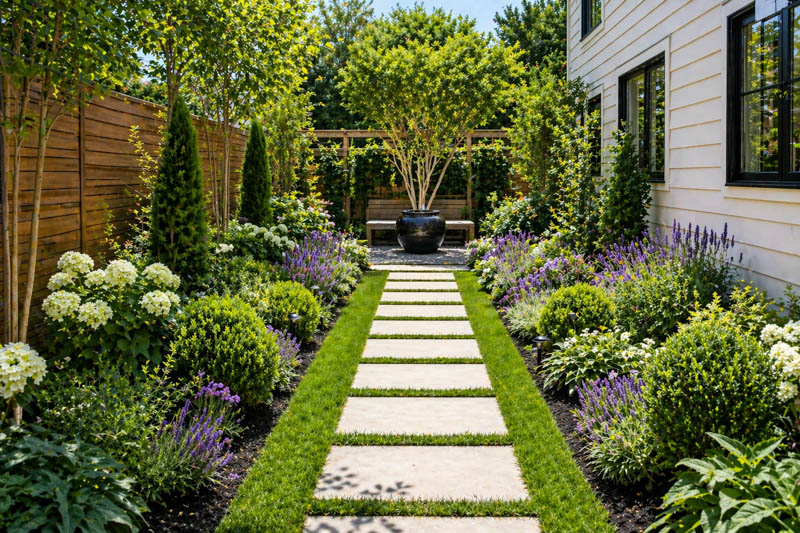
A straight or gently defined line leads the eye to a focal point such as a bench, small tree, water bowl, sculpture, or specimen pot. This layout makes the yard feel longer and more intentional.
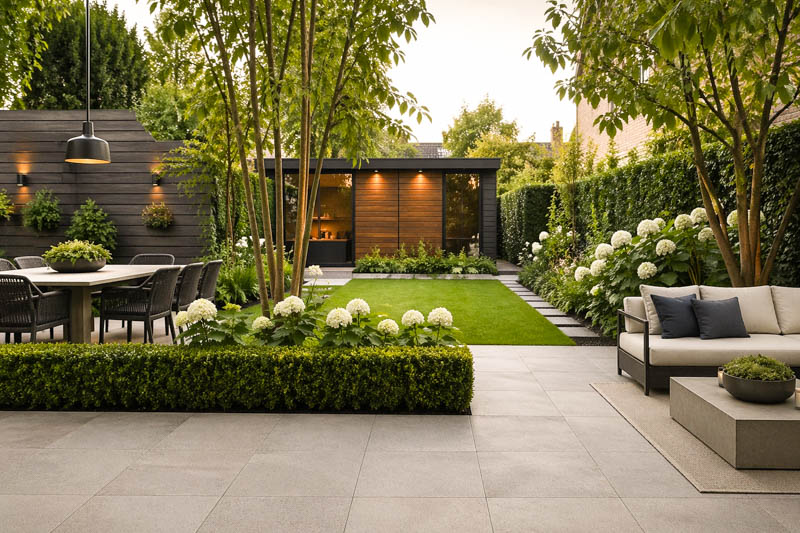
If the yard is wider than it is deep, divide it into two or three linked zones: dining, lounge, and planting. Repeating materials and plant forms keeps the design cohesive.
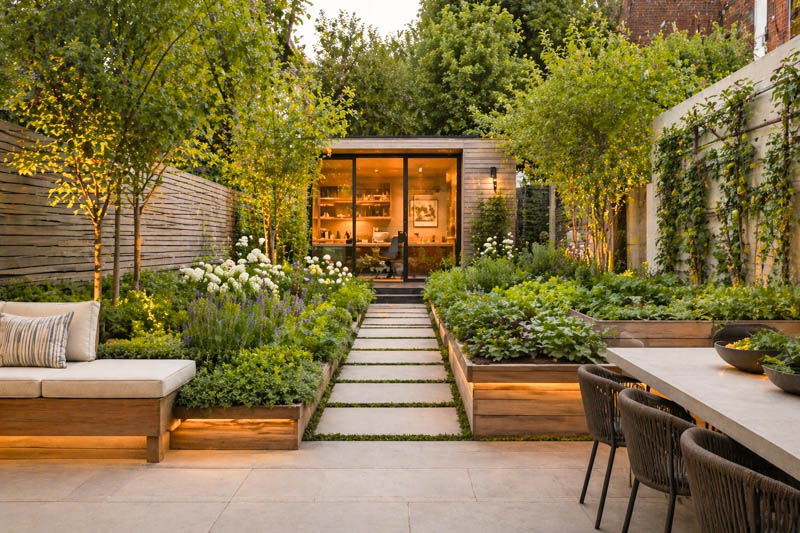
A small backyard can combine ornamental planting with herbs, raised beds, espalier fruit, or edible containers. This works best when the edible area is styled with the same design discipline as the rest of the garden.
Small backyard gardens need structure even more than large ones. Without it, the garden looks patchy between bloom periods and lacks presence in winter or dry spells. A simple four-layer planting model helps compact gardens look full without feeling chaotic.
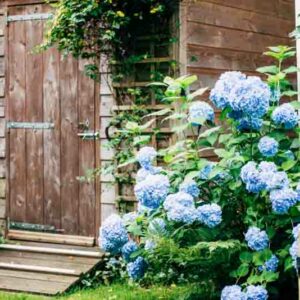
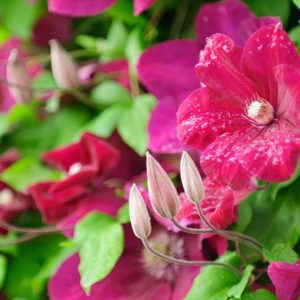
This includes small trees, tall shrubs, or climbers that create height, privacy, and focus. Examples include multi-stem small trees, evergreen screening shrubs, trellised jasmine, clematis, or trained fruit trees. In small spaces, vertical planting adds drama without taking much ground area.
This is the garden’s framework. Evergreen shrubs, mounded perennials, ornamental grasses, and repeated foliage plants hold the composition together all year. This layer gives the garden rhythm and permanence.
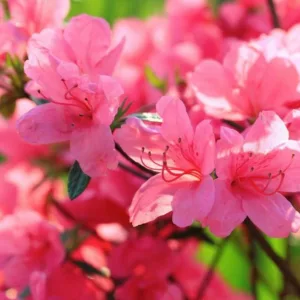
This layer adds changing color and pollinator value through the seasons. Flowering perennials, annual accents, bulbs, and long-blooming shrubs bring energy and variation, but they work best when supported by a strong structure underneath.
Groundcovers, low edging plants, gravel, mulch, or tightly planted low perennials unify the bed surface, reduce weeds, and make the whole space feel finished faster.
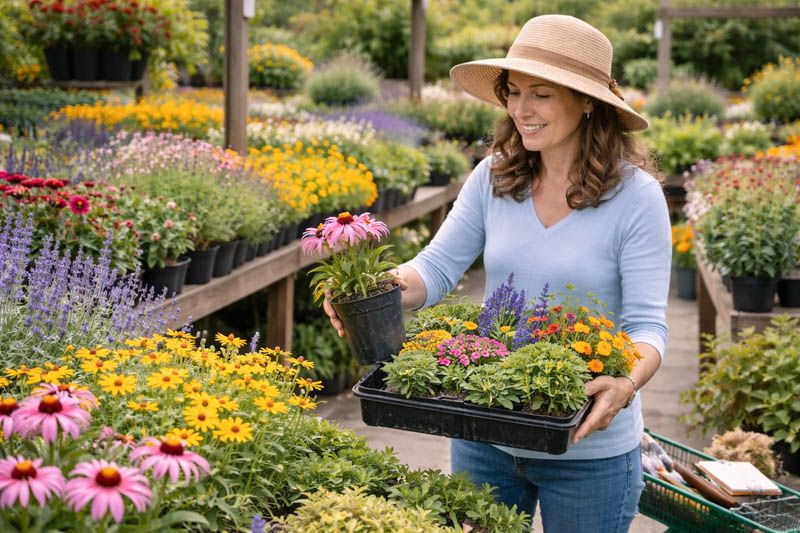
Scale is one of the biggest reasons small backyard gardens fail. A shrub that looks modest in a nursery pot may eventually swallow a pathway or block light from a seating area. The best small garden plants are not necessarily the smallest plants. They are the plants whose mature size, habit, and visual weight suit the space.
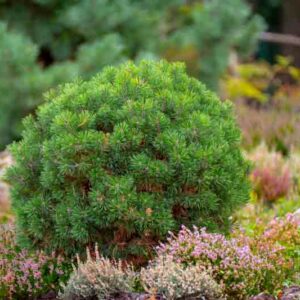
Look for plants with long periods of interest, clean form, and reliable performance. A compact evergreen shrub, a clump-forming ornamental grass, or a repeat-flowering perennial often contributes more to a small backyard than a short-lived seasonal novelty. Repetition is especially powerful. Using fewer plant varieties in larger drifts creates calm and makes the garden look more professional.
For a small backyard planting scheme, a smart balance often looks like this: one or two focal plants, a handful of structural repeats, several long-season flowering perennials, and one strong ground-layer strategy. That is usually enough to create richness without clutter.
Privacy is one of the top goals in small backyard landscaping, but it is often handled too bluntly. A solid wall of tall shrubs can make the yard feel dark and boxed in. Better privacy usually comes from layering. Use a combination of trellis planting, airy shrubs, ornamental grasses, small trees, and selective screening where it matters most.
Focus on sightlines rather than screening every inch. If a neighbor’s second-story window overlooks one seating area, screen that angle specifically. If the yard feels exposed along one fence line, soften it with layered planting rather than a single flat hedge. Mixed textures create more depth and look less defensive.
One of the most effective small backyard design strategies is controlling perception. You cannot change the footprint, but you can shape how the yard is experienced. A focused view, repeated plant masses, a limited color palette, and a clear destination all help the garden feel larger.
Place a bench, feature pot, birdbath, or statement plant at the farthest visible point. This draws the eye outward and visually stretches the space.
Repeat key plants or materials throughout the garden. This creates continuity and makes the space feel cohesive rather than fragmented.
Avoid overcrowding the middle of the yard. Let planting deepen around the edges to expand the sense of space and improve flow.
A few larger containers often look more refined than many small ones. They reduce visual clutter and add stronger structure.
Using fewer colors helps unify the design and prevents a small space from feeling busy or chaotic.
Combine groundcovers, mid-height plants, and vertical accents to create a clear foreground-to-background transition.
Mirrors can work in enclosed courtyards, but planting design is more dependable. Layered foliage, vertical accents, and a clear sequence from foreground to background create a richer sense of depth than gimmicks ever will.
If you want a compact outdoor space that feels polished and practical, these ideas consistently deliver strong results:
Create seating with a built-in bench backed by layered planting. This adds privacy while saving space and making the garden feel integrated.
Use repeated grasses and flowering perennials in a slim border for a modern, low-maintenance look that still feels lush.
Blend herbs and ornamentals near the patio for fragrance, beauty, and everyday usability in one compact zone.
Add climbers on fences or trellises to introduce height, soften boundaries, and maximize vertical space.
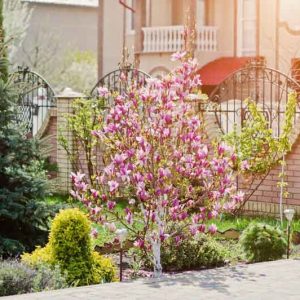
Anchor the design with a compact tree in a corner. It creates structure, shade, and a natural focal point.
A gravel area with oversized containers offers flexibility, lower cost, and a clean, contemporary feel.
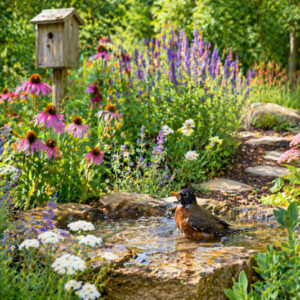
Plant long-blooming perennials and native species to support bees and butterflies while adding vibrant seasonal color.
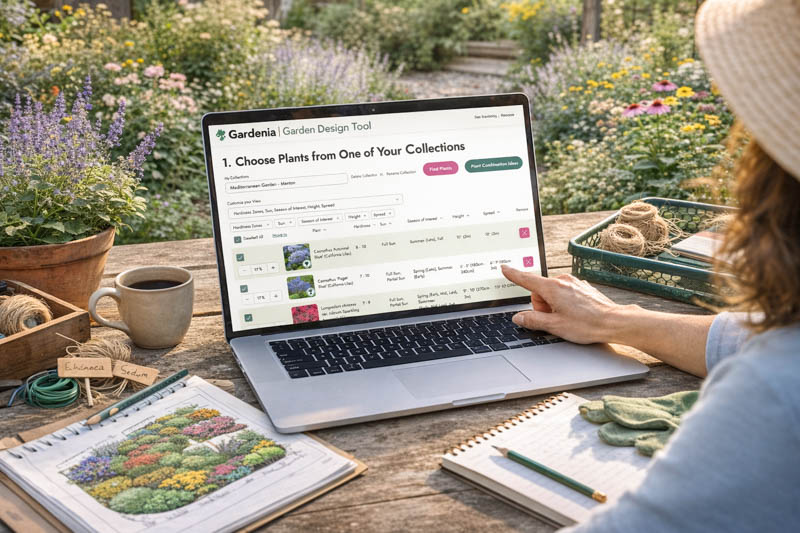
The Gardenia Plant Finder is especially useful when planning a small backyard because it helps narrow choices before the garden becomes overcrowded with random ideas. Instead of browsing visually and hoping plants will work together, you can filter by sun exposure, soil, hardiness zone, mature size, bloom time, evergreen value, drought tolerance, fragrance, pollinator appeal, and more. That makes it easier to build a planting palette that actually fits a compact backyard.
Once you have a shortlist, move to the Gardenia Design Tool. This is where a plant list becomes a functioning garden plan. You can organize combinations, refine spacing, think through bloom succession, and calculate quantities more confidently. In a small backyard, that precision matters because overplanting and underplanting are both costly mistakes.
In a small backyard, paving, gravel, edging, steps, fence finishes, raised planters, and furniture are not just background details. They shape how the garden works every day. Good hardscape makes the space easier to use, visually calmer, and more durable through the seasons.
Keep materials limited. Two or three complementary finishes are usually enough. Too many competing surfaces make a small garden feel fragmented. Permeable gravel, simple pavers, timber details, corten accents, or clean stone can all work, but the key is consistency. Let the planting bring richness while the hardscape provides order.
A low-maintenance small backyard garden should still feel layered, generous, and alive. The trick is choosing plants and materials that age well instead of chasing constant novelty. Evergreens, long-flowering perennials, mulched beds, efficient irrigation, and restrained editing reduce workload while keeping visual interest high.
Low maintenance also comes from smart density. Sparse planting creates weeds and exposed soil. Well-spaced, layered planting shades the ground and settles into a more self-supporting rhythm. Maintenance becomes lighter because the garden is doing more of the work for you.
If you want a dependable framework, start with this formula. Place a compact patio or seating area close to the house. Add layered perimeter beds around two or three sides. Include one small tree or tall focal element toward the back or corner. Repeat structural shrubs or grasses in groups for rhythm. Thread in long-blooming perennials for color and pollinators. Finish with a consistent ground layer and mulch or gravel for cohesion.
This kind of backyard garden plan works because it gives the eye a clear structure while leaving room for seasonal richness. It also scales well. You can keep it minimal and modern or make it softer and more cottage-like depending on the plant palette.
The goal is not to fill every square foot. It is to create a backyard that feels inviting, usable, and visually complete in every season. When layout, scale, planting, and function are aligned, even a small yard can feel generous and deeply finished.
Start by assessing sun, privacy, drainage, and how you want to use the space. Build the layout first, then choose a limited plant palette with strong structure, seasonal interest, and plants sized appropriately for the yard.
One of the best layouts is a usable patio or seating area near the house with layered planting around the perimeter. This keeps the center open, improves flow, and makes the yard feel larger.
Use perimeter planting, keep the middle more open, repeat a limited range of plants, create a focal point at the far end, and avoid too many materials or competing features.
The best plants are those with the right mature size, strong form, and long-lasting interest. Compact shrubs, ornamental grasses, climbers, evergreen structure plants, and long-blooming perennials are especially effective.
Yes. In fact, combining a seating zone with layered surrounding planting is one of the most effective ways to make a compact backyard feel inviting, lush, and purposeful.
Focus on screening key sightlines rather than blocking every edge. Use layered planting, trellises, climbers, ornamental grasses, and small trees to create privacy without making the yard feel closed in.
Not if it is designed well. A small backyard can be low maintenance when it uses simple hardscape, the right plant density, reliable structure, mulch, and plants suited to the site.
Gardenia Plant Finder helps you filter plants by conditions and design goals, while Gardenia Design Tool helps you organize combinations, spacing, and quantities so your small backyard plan works in real life.
Updated: April 2026 • Reviewed by Gardenia Editors
Create a membership account to save your garden designs and to view them on any device.
Becoming a contributing member of Gardenia is easy and can be done in just a few minutes. If you provide us with your name, email address and the payment of a modest $25 annual membership fee, you will become a full member, enabling you to design and save up to 25 of your garden design ideas.
Join now and start creating your dream garden!
Create a membership account to save your garden designs and to view them on any device.
Becoming a contributing member of Gardenia is easy and can be done in just a few minutes. If you provide us with your name, email address and the payment of a modest $25 annual membership fee, you will become a full member, enabling you to design and save up to 25 of your garden design ideas.
Join now and start creating your dream garden!