Create Your Garden

Star Jasmine Problems: 15 Issues and Fixes

Star jasmine is an evergreen flowering vine prized for glossy leaves and intensely fragrant white blooms in late spring to early summer. Common problems include yellow leaves, root rot, pests, poor flowering, and leaf scorch. With proper light, drainage, pruning, and watering, this climber quickly returns to lush, healthy, blooming growth.
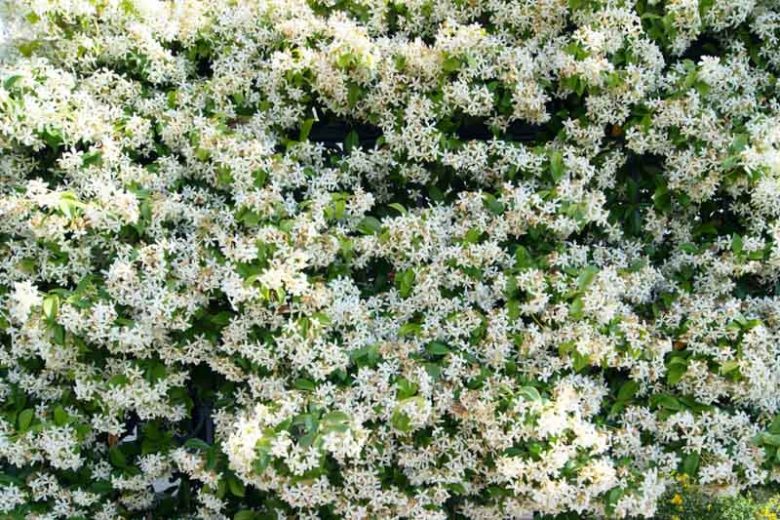
Star Jasmine, Confederate Jasmine, Jasmine, Trachelospermum jasminoides

Star Jasmine Problems: 15 Problems, Symptoms, Causes, and Fixes

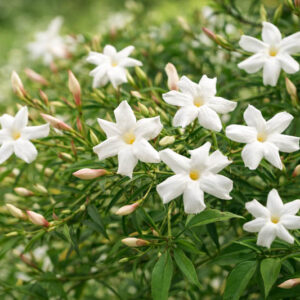
Trachelospermum jasminoides, commonly called star jasmine or confederate jasmine, is prized for its glossy evergreen leaves, twining habit, and intensely fragrant white flowers. It is often a reliable, low-trouble climber when grown in a warm, sheltered site with well-drained soil. But when growing conditions are off, the plant usually shows it quickly: yellow leaves, poor flowering, scorched foliage, leaf drop, sticky residue, and dieback are all clues that something needs attention.

The encouraging part is that most star jasmine problems are fixable. In many cases, the plant is reacting to a short list of issues: soggy soil, inconsistent watering, weak light, poor pruning timing, pest pressure, or cold damage. The key is to match the symptom to the cause before treating it.

This guide covers 15 star jasmine problems and causes, how to tell similar issues apart, and what actually helps the plant recover.

Quick Answer: What Usually Goes Wrong With Star Jasmine

  • Yellow leaves + wet soil: overwatering, poor drainage, or root stress.
  • Lots of leaves but few flowers: too much shade, too much nitrogen, immature growth, or pruning at the wrong time.
  • Brown, crispy, or scorched leaves: drought stress, heat, wind burn, or sudden sun exposure.
  • Sticky leaves or black coating: aphids, scale, mealybugs, whiteflies, or other honeydew-producing pests.
  • Sudden dieback after winter: frost damage or cold injury.
  • Pale new leaves with green veins: chlorosis, often linked to iron unavailability, root stress, or pH-related nutrient lockout.

A strong baseline for healthy star jasmine care is simple: fertile, well-drained soil; deep but not constant watering; sun to partial shade; light feeding in spring; and pruning that matches the plant’s flowering cycle. Once those basics slip, problems appear quickly — but recovery is usually straightforward once conditions improve.

15 Star Jasmine Problems and How to Fix Them

1 Yellow Leaves

Star jasmine yellow leaves are a warning sign, not a diagnosis by themselves. Yellowing can follow overwatering, drought stress, root damage, transplant shock, seasonal stress, or chlorosis.

  • Spot it: Leaves lose their rich green color and fade to pale green or yellow. Older leaves may yellow first in general watering stress. Newer leaves may yellow first in chlorosis.
  • How to tell it apart: If the soil is wet and stale-smelling, suspect drainage problems. If the soil is very dry and leaves feel thin or crisp, suspect drought. If new leaves are yellow with greener veins, chlorosis is more likely.
  • Fix it: Check soil moisture before doing anything else. Water only when the soil surface has started to dry. Improve drainage if water lingers after rain. Do not automatically fertilize until you know the roots are healthy.
Fast insight: With star jasmine, yellow leaves often point to root-zone stress before they point to simple nutrient shortage.

2 Root Rot and Waterlogged Soil

If star jasmine sits in wet, poorly drained soil, root health declines quickly. Roots need oxygen as much as moisture. Once they stay waterlogged, the plant may wilt even though the soil is wet.

  • Spot it: Wilting in wet soil, yellowing leaves, reduced vigor, soft or darkened stem bases, and a sour smell in the root zone.
  • How to tell it apart: Drought-stressed plants often improve after watering. Root-rot plants often stay limp or worsen after more water.
  • Fix it: Stop watering immediately. Improve drainage, reduce compaction, and pull mulch back from the crown. Container plants may need repotting into a freer-draining mix. In severe cases, trim away damaged roots and replant only if healthy tissue remains.

3 Poor Flowering or No Blooms

A leafy, healthy-looking vine with little fragrance and few flowers is frustrating, but star jasmine bloom problems usually come down to light, feeding, maturity, winter damage, or pruning timing.

  • Spot it: Strong vegetative growth and plenty of leaves, but sparse flowering in the normal bloom season.
  • How to tell it apart: Deep shade is a common cause. If the plant is lush and dark green after heavy feeding, excess nitrogen may be suppressing bloom. If it was pruned after buds had already formed, flowering may be reduced.
  • Fix it: Give the plant more sun if possible. Use fertilizer lightly and avoid high-nitrogen feeding. Let young plants mature. Prune after flowering rather than before it.

4 Brown, Crispy Leaves

Star jasmine leaves turning brown often mean the plant is losing moisture faster than it can replace it. Heat, drying wind, reflected sun from paving or walls, and irregular watering can all cause this.

  • Spot it: Brown edges, crisp tips, or entire leaves drying out, often on the most exposed side of the plant.
  • How to tell it apart: Crispy texture usually points to dryness or scorch. Soft, dark, or limp foliage points more toward cold or root trouble.
  • Fix it: Water deeply during heat spells, mulch the root zone, and protect recently planted vines from harsh afternoon exposure. Avoid frequent shallow watering.

Garden Pro Tip

Crispy leaves usually mean too dry, too hot, or too exposed. Limp yellow leaves in wet soil point in the opposite direction.

5 Leaf Drop

Some leaf drop is normal as older foliage ages out, especially after winter or seasonal change. Heavy leaf drop, however, usually means the plant has been stressed.

  • Spot it: A noticeable flush of fallen leaves over a short period, often with dulled color beforehand.
  • How to tell it apart: If leaf drop follows drought, cold, repotting, or sudden environmental change, stress is the likely trigger. If leaves also show spotting or stem damage, look deeper for disease or root issues.
  • Fix it: Stabilize care. Water consistently, avoid extremes, and check whether the plant is rootbound, compacted, or recovering from cold. Do not rush into heavy pruning unless you can clearly see dead growth.

6 Frost Damage and Cold Injury

Established star jasmine is fairly resilient in a sheltered site, but hard freezes can still damage leaves, buds, and young stems. Tender new growth is usually hit first.

  • Spot it: Blackened, limp, translucent, or water-soaked foliage after a freeze.
  • How to tell it apart: Cold-damaged leaves often collapse suddenly after the weather event. Drought and scorch usually develop more gradually.
  • Fix it: Wait for warmer weather and new growth before pruning. That makes it easier to tell what is truly dead. In exposed gardens, protect plants during sudden cold snaps.

7 Sun Scorch

Star jasmine can handle a good amount of sun, but not every plant adjusts instantly. Freshly planted vines and container-grown plants can scorch when moved suddenly into intense heat or reflective exposure.

  • Spot it: Bleached, tan, or papery patches on the most exposed leaves.
  • How to tell it apart: Scorch often appears in the hottest exposed zones rather than evenly over the whole plant.
  • Fix it: Keep the root zone evenly moist, mulch well, and acclimate plants gradually if moving them from shade into stronger light. In very hot inland sites, afternoon shelter can help.

8 Aphids, Scale, Mealybugs, or Whiteflies

Star jasmine pests often weaken the plant gradually rather than killing it outright. The biggest clue is often sticky residue on leaves, followed by distorted growth or black sooty mold.

  • Spot it: Sticky leaves, ants, curled growth, cottony clusters, small shell-like bumps on stems, or clouds of tiny white insects when the plant is disturbed.
  • How to tell it apart: Aphids cluster on soft new growth, mealybugs look cottony, scale insects appear as fixed bumps, and whiteflies fly up when foliage is shaken.
  • Fix it: Rinse aphids off with water, remove small mealybug colonies by hand where practical, and treat persistent infestations with horticultural oil or insecticidal soap according to label directions. Repeat applications may be needed.

9 Japanese Beetles

Japanese beetles are not always a major star jasmine problem, but they can chew foliage and leave irregular skeletonized damage during active feeding periods.

  • Spot it: Chewed leaves with lacy or skeletonized tissue, often appearing quickly in warm weather.
  • How to tell it apart: Unlike mites or sap-sucking pests, Japanese beetles leave obvious chewing damage rather than stippling, sticky residue, or black sooty mold.
  • Fix it: Hand-pick beetles early when numbers are low, inspect plants regularly during peak season, and use labeled controls only if feeding becomes heavy.

10 Spider Mites

Spider mites are easy to miss at first, but they can make star jasmine look dull, dusty, and unhealthy, especially in hot, dry, sheltered conditions.

  • Spot it: Fine stippling on leaves, faded foliage, delicate webbing, and a tired gray-green appearance.
  • How to tell it apart: Unlike aphids or scale, spider mites may not leave obvious sticky honeydew. The damage usually looks speckled rather than uniformly yellow.
  • Fix it: Rinse foliage thoroughly, improve growing conditions, and treat serious infestations with a product labeled for mites if needed.

11 Sooty Mold

Sooty mold is usually a secondary problem, not the original one. It grows on the sugary honeydew left behind by sap-sucking insects, coating leaves in a black film.

  • Spot it: Black soot-like coating on leaves that can often be wiped off.
  • How to tell it apart: It sits on the leaf surface rather than looking like internal spotting or dead tissue.
  • Fix it: Control the insects causing the honeydew first. Then gently wash the leaves so they can photosynthesize normally again.
Important: Cleaning the black coating without treating the pest problem behind it only solves the cosmetic part of the issue.

12 Slow Growth

When star jasmine is not growing, the usual causes are insufficient light, restricted roots, poor soil structure, transplant stress, or low fertility in long-neglected containers.

  • Spot it: Very little new growth during the active season, thin stems, sparse coverage, and a tired overall look.
  • How to tell it apart: If the plant otherwise looks green and healthy, shade or root restriction are more likely than disease. If it is pale and weak, nutrition or root health may also be involved.
  • Fix it: Increase light exposure where possible, top-dress with compost, feed lightly in spring, and repot container plants if roots are tightly circling.

13 Nutrient Deficiency and Chlorosis

Pale leaves and weak growth can point to a nutrient shortage, but chlorosis is not always caused by lack of fertilizer. Sometimes the soil contains nutrients that roots cannot access efficiently because of root stress, drainage problems, or soil chemistry.

  • Spot it: Light green foliage, poor vigor, or yellowing between veins. New leaves showing green veins against yellow tissue often suggest iron-related chlorosis.
  • How to tell it apart: General paleness on older leaves more often suggests a broader nutrient problem. Interveinal yellowing on newer growth points more toward iron unavailability or pH-related nutrient lockout.
  • Fix it: Feed lightly with a balanced fertilizer in spring and improve soil with organic matter. If chlorosis persists, assess drainage, root health, and soil pH instead of simply applying more fertilizer.

14 Bad Pruning Timing

When to prune star jasmine matters because poor timing can reduce flowering. This is one of the most common self-inflicted causes of poor bloom.

  • Spot it: The vine looks healthy and leafy after pruning but flowers poorly the next season.
  • How to tell it apart: If flowering dropped after hard cutting, pruning timing is a strong suspect, especially if the plant still has good light and vigor.
  • Fix it: Do routine shaping just after flowering, typically in late summer or early autumn. If the plant is badly overgrown and needs renovation, treat that as a separate spring job rather than routine annual pruning.

15 Root Rot, Crown Stress, or Serious Dieback

If a mature star jasmine declines for no obvious reason, with dieback that does not match watering mistakes, pests, or cold, a more serious root or crown problem may be involved.

  • Spot it: Unexplained dieback, poor vigor despite reasonable care, and progressive decline that does not improve when watering or feeding is corrected.
  • How to tell it apart: Ordinary stress often stabilizes when conditions improve. Serious root or crown decline usually continues or worsens.
  • Fix it: Inspect the base carefully, remove dead material, and check for drainage problems or crown burial. If decline continues, professional diagnosis may be needed. When root disease is advanced, replacement in a better-drained site may be the best option.

Star Jasmine Diagnosis Table

What You See Most Likely Cause Best First Step
Yellow leaves with wet soil Overwatering, poor drainage, root rot, or root stress Check drainage and pause watering until the soil begins to dry
Yellow new leaves with green veins Iron chlorosis or pH-related nutrient lockout Assess drainage, root health, and soil conditions before adding more fertilizer
Healthy leaves but no flowers Too much shade, too much nitrogen, immaturity, winter damage, or poor pruning timing Increase light and review pruning and feeding
Brown crispy edges Drought, heat, wind, or scorch Water deeply and mulch the root zone
Sticky leaves and ants Aphids, scale, mealybugs, or whiteflies Inspect stems and new growth, then treat the pests
Black coating on leaves Sooty mold growing on honeydew from sap-sucking insects Control the insects first, then wash foliage
Fine speckling and faint webbing Spider mites Rinse foliage and inspect undersides closely
Blackened leaves after a freeze Cold injury or frost damage Wait for regrowth before pruning

How to Get Star Jasmine Back on Track

  • Check the soil first. Wet, dry, compacted, or poorly drained soil explains many problems.
  • Correct watering before adding products. Deep, occasional watering is better than constant shallow watering.
  • Improve drainage if the site stays soggy. Star jasmine dislikes sitting in wet ground.
  • Give it enough light to bloom well. It tolerates partial shade, but flowering is usually best with more sun.
  • Feed lightly, not heavily. Too much fertilizer can create weak, leafy growth and fewer flowers.
  • Inspect stems and leaf undersides often. Pest problems are easier to solve early.
  • Use the right pruning approach. Routine shaping after flowering; stronger renovation in spring only when needed.
  • Mulch the root zone. This helps regulate moisture and soil temperature.
  • Be patient after cold damage. Star jasmine often looks worse before it shows what parts are still alive.
Myth-buster: More fertilizer is not the universal fix for a struggling star jasmine. If the roots are stressed, the soil is waterlogged, or the problem is tied to soil chemistry, feeding harder can make the plant look worse instead of better.

Bottom Line

Most star jasmine problems trace back to a few recurring causes: too much water, poor drainage, inconsistent moisture, weak light, wrong pruning timing, pest pressure, or cold stress. The most effective fix is not guessing — it is diagnosing the pattern correctly.

If the soil is wet, think roots first. If the plant is leafy but flowerless, think light, feeding, maturity, winter damage, or pruning. If the leaves are sticky or blackened, think pests before disease. If foliage collapses after a freeze, give the plant time before cutting it back.

Star jasmine is usually a dependable climber when its site suits it. When it looks off, it is signaling that something in the growing conditions has shifted. Once you read that signal correctly, recovery is often straightforward.

References

Reviewed against RHS growing details for site, soil, hardiness, pruning group, pests, and diseases; NC State Extension for plant profile and landscape use; and UC IPM for sooty mold and honeydew-related pest context.

Guide Information

Hardiness 8 - 10
Heat Zones 9 - 10
Climate Zones 8, 9, 10, 11, 12, 13, 14, 15, 16, 17, 18, 19, 20, 21, 22, 23, 24, H1, H2
Plant Type Climbers, Shrubs
Plant Family Apocynaceae
Genus Trachelospermum
Exposure Full Sun, Partial Sun
Season of Interest Spring (Early, Mid, Late), Summer (Early, Mid, Late), Fall, Winter
Height 2' - 20' (60cm - 6.1m)
Spread 5' - 20' (150cm - 6.1m)
Maintenance Average
Water Needs Average
Soil Type Chalk, Loam, Sand
Soil pH Acid, Alkaline, Neutral
Soil Drainage Well-Drained
Characteristics Showy, Plant of Merit, Fragrant, Evergreen
Tolerance Drought, Deer, Salt
Attracts Bees
Landscaping Ideas Arbors, Pergolas, Trellises, Banks And Slopes, Ground Covers, Patio And Containers, Wall-Side Borders
Garden Styles City and Courtyard, Coastal Garden, Informal and Cottage

Recommended Guides

Jasmine: How to Grow and Care with Success
30 Best Vines for Zone 8: Top Climbers for Fences, Arbors and Pergolas
Best Texas Fragrant Plants
Mediterranean Gardens: Low-Water Design, Plants & Ideas
Top 50 Most Beautiful Flowers Worldwide
Edible Flowers for Cocktails: Top Picks for Beautiful and Flavorful Sips
Edible Flowers for Cakes: A Guide to Stunning Floral Decorations
Indoor Vining Plants: The Secret to a Lush Home Interior
Pure White Flowers for a Touch of Elegance in Your Garden
Compare All Trachelospermum (Jasmine)
Compare Now
While every effort has been made to describe these plants accurately, please keep in mind that height, bloom time, and color may differ in various climates. The description of these plants has been written based on numerous outside resources.

Guide Information

Hardiness 8 - 10
Heat Zones 9 - 10
Climate Zones 8, 9, 10, 11, 12, 13, 14, 15, 16, 17, 18, 19, 20, 21, 22, 23, 24, H1, H2
Plant Type Climbers, Shrubs
Plant Family Apocynaceae
Genus Trachelospermum
Exposure Full Sun, Partial Sun
Season of Interest Spring (Early, Mid, Late), Summer (Early, Mid, Late), Fall, Winter
Height 2' - 20' (60cm - 6.1m)
Spread 5' - 20' (150cm - 6.1m)
Maintenance Average
Water Needs Average
Soil Type Chalk, Loam, Sand
Soil pH Acid, Alkaline, Neutral
Soil Drainage Well-Drained
Characteristics Showy, Plant of Merit, Fragrant, Evergreen
Tolerance Drought, Deer, Salt
Attracts Bees
Landscaping Ideas Arbors, Pergolas, Trellises, Banks And Slopes, Ground Covers, Patio And Containers, Wall-Side Borders
Garden Styles City and Courtyard, Coastal Garden, Informal and Cottage
Compare All Trachelospermum (Jasmine)
Compare Now

Related Items

Please Login to Proceed

You Have Reached The Free Limit, Please Subscribe to Proceed

Subscribe to Gardenia

To create additional collections, you must be a paid member of Gardenia
  • Add as many plants as you wish
  • Create and save up to 25 garden collections
Become a Member

Plant Added Successfully

You have Reached Your Limit

To add more plants, you must be a paid member of our site Become a Member

Update Your Credit
Card Information

Cancel

Create a New Collection

Sign Up to Our Newsletter

    You have been subscribed successfully

    Join Gardenia.net

    Create a membership account to save your garden designs and to view them on any device.

    Becoming a contributing member of Gardenia is easy and can be done in just a few minutes. If you provide us with your name, email address and the payment of a modest $25 annual membership fee, you will become a full member, enabling you to design and save up to 25 of your garden design ideas.

    Join now and start creating your dream garden!

    Join Gardenia.net

    Create a membership account to save your garden designs and to view them on any device.

    Becoming a contributing member of Gardenia is easy and can be done in just a few minutes. If you provide us with your name, email address and the payment of a modest $25 annual membership fee, you will become a full member, enabling you to design and save up to 25 of your garden design ideas.

    Join now and start creating your dream garden!
    Find your Hardiness Zone

    Find your Heat Zone

    Find your Climate Zone