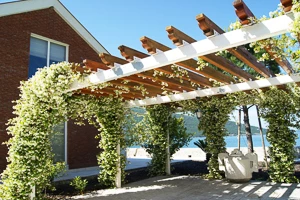
Trachelospermum Guides
Trachelospermum is a dependable genus of evergreen flowering vines prized for glossy foliage, fragrant star-shaped blooms, and exceptional landscape versatility. Often called star jasmine vines, these plants are not true jasmine but belong to a closely related group of ornamental climbers and ground covers widely used in warm and mild climates. Whether trained on a fence, spilling from containers, or forming a dense evergreen carpet, Trachelospermum adds structure, fragrance, and long-lasting beauty to the garden.
One reason gardeners return to Trachelospermum again and again is reliability. These plants tolerate heat, adapt to different landscape roles, and require relatively little maintenance once established. With the right conditions, they can provide years of evergreen coverage and seasonal fragrance.
Growth Habit and Garden Role
Trachelospermum species grow as twining woody vines that can climb supports or trail along the ground. This flexible habit allows them to function as flowering climbers, evergreen screens, cascading container plants, or dense ground covers. In landscape design, they are frequently used to soften walls, cover slopes, edge borders, and create living green backdrops.
Important Species for Gardens
Two species dominate ornamental plantings. Trachelospermum jasminoides, commonly called Star Jasmine, is known for its intensely fragrant white flowers and strong climbing habit. Trachelospermum asiaticum, or Asiatic Jasmine, forms a lower, denser evergreen mat and is widely planted as a ground cover or slope stabilizer.
Care and Maintenance
Trachelospermum grows best in full sun to partial shade and thrives in well-drained soil enriched with organic matter. Regular watering during the first growing season helps roots establish, after which many species tolerate short dry periods. Pruning in early spring or after flowering keeps vines tidy and encourages dense growth.
Landscape Uses
In the garden, Trachelospermum is valued for both function and beauty. It can climb pergolas and fences, trail over retaining walls, fill difficult slopes, or create evergreen ground cover beneath shrubs. Explore related planting ideas in Best Climbing Plants That Thrive in USDA Zone 8, Beautiful Vines for Arbors, Fences, and Pergolas, and Evergreen Shrubs for Structure and Privacy.
Common Problems
Most issues with Trachelospermum relate to growing conditions. Poor drainage can lead to root rot, while drought stress may cause leaf scorch or thinning foliage. Plants grown in heavy shade often flower less. Occasionally, pests such as scale insects or spider mites may appear, especially on stressed plants. Ensuring good soil drainage, moderate watering, and adequate light usually keeps plants vigorous.
Why Gardeners Use Trachelospermum
With evergreen foliage, fragrant flowers, and adaptable growth habits, Trachelospermum fits easily into modern landscapes. It performs well in drought-conscious gardens and can contribute to wildlife-friendly plantings. For related ideas, see Best Drought-Tolerant Plants for Zone 8 Gardens, Wildlife-Friendly Plants: Attract Bees, Butterflies & Birds, Jasmine Plants (Genus Jasminum), and How to Grow and Care for Jasmine.
For gardeners seeking a combination of evergreen structure, fragrant bloom, and versatile landscape performance, Trachelospermum remains one of the most useful genera of flowering vines available.