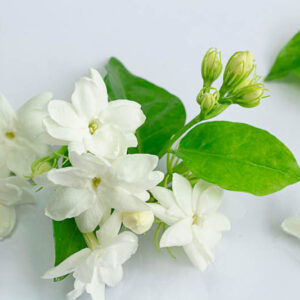
Jasmine winter care is what keeps this beloved climber healthy, resilient, and ready for a strong return. Protect roots from freezing, cut back on watering, skip heavy feeding, and shelter tender potted plants before frost. Smart winter care prevents dieback, preserves buds, and sets up better growth in spring.
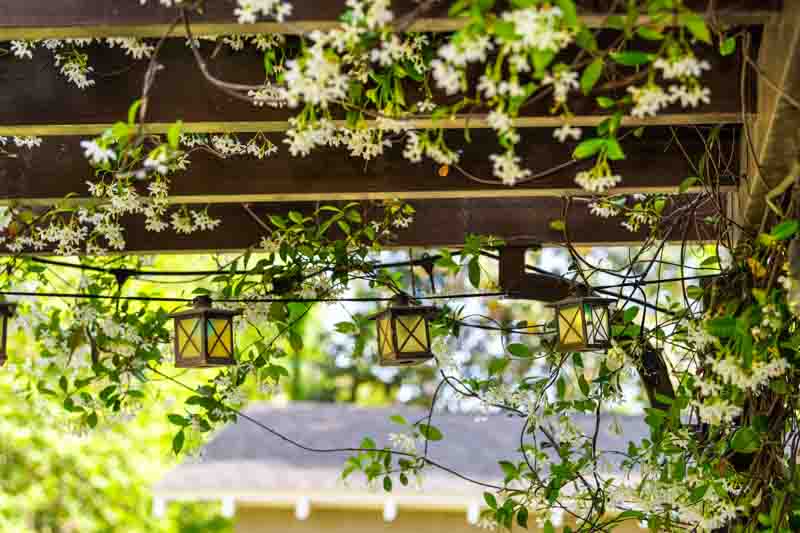


If jasmine looks glorious in summer but falters in winter, the problem is rarely bad luck. It is usually a mismatch between the plant, the climate, and the winter-care strategy. Jasmine winter care is not one-size-fits-all because true jasmines and jasmine relatives respond very differently to cold, wet soil, wind exposure, and frost.
Some jasmines can stay outdoors with mulch, good drainage, and a protected site. Others are better treated as container plants that move under cover before hard frost. The goal is not to baby every jasmine the same way. The goal is to match protection to hardiness, protect the roots, and avoid the winter mistakes that cause the most damage.
The most important rule of jasmine winter care is to match protection to hardiness. Winter Jasmine is the most dependable outdoor choice for colder climates, while Common Jasmine, Star Jasmine, and Pink Jasmine usually need more shelter, especially in containers. In winter, roots are usually the weak point – not the leaves.
The biggest winter-care mistake is assuming every jasmine wants the same treatment. It does not. Jasminum species such as Winter Jasmine (Jasminum nudiflorum) and Common Jasmine (Jasminum officinale) are true jasmines, but they still differ sharply in winter performance. Star Jasmine (Trachelospermum jasminoides) is not a true jasmine at all, even though gardeners often group it with jasmines because of its fragrance.
The right winter-care plan starts with the exact jasmine you grow, not the common name on the tag.
This table compares the best jasmine plants and jasmine relatives for cooler regions, including whether they are true jasmines, how hardy they are, whether they stay evergreen, and how realistic they are for outdoor winter survival.
| Plant | Type | General USDA Zones | Evergreen? | Fragrance | Best Winter Use |
|---|---|---|---|---|---|
| Winter Jasmine (Jasminum nudiflorum) | True jasmine | 6 – 10 | Deciduous | None | Best hardy outdoor jasmine for colder winters |
| Common Jasmine (Jasminum officinale) | True jasmine | 7 – 10 | Semi-evergreen to deciduous | Strong | Best fragrant jasmine for protected cool gardens |
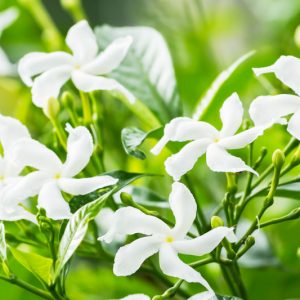
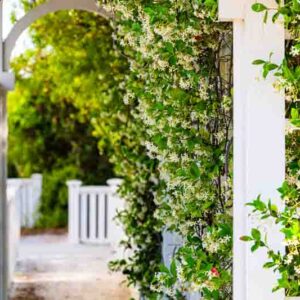
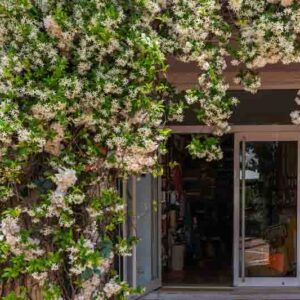
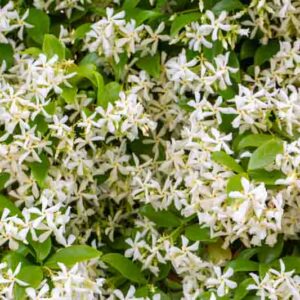
| Star Jasmine (Trachelospermum jasminoides) | Jasmine relative | About 8 – 10 | Evergreen | Strong | Best evergreen option in mild winter areas and sheltered sites |
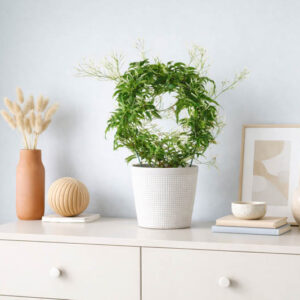
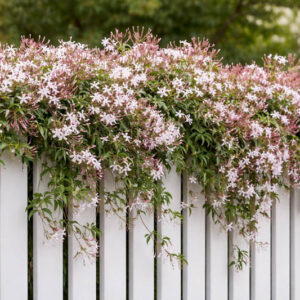
| Pink Jasmine (Jasminum polyanthum) | True jasmine | 8 – 10 | Evergreen | Strong | Best container jasmine for cold regions with indoor overwintering |
| Primrose Jasmine (Jasminum mesnyi) | True jasmine | 8 – 10 | Evergreen in mild areas | Very light | Good for early color in mild winters, not for deep cold |
Winter Jasmine is the strongest choice for gardeners who need genuine cold tolerance. Common Jasmine is more realistic in protected Zone 7 gardens and warmer regions. Star Jasmine is best treated as a mild-winter or sheltered-site plant, especially near the cool edge of its range. Pink Jasmine is far better as a movable container plant in colder climates than as a permanent in-ground choice.
Arabian Jasmine (Jasminum sambac) is one of the most beloved fragrant jasmines, but it is a tender tropical type. In colder climates, it is best grown in a pot and moved indoors before frost.
Spanish Jasmine (Jasminum grandiflorum) is intensely fragrant, but it is better suited to mild winters than true cold-climate gardens. In most colder regions, it performs best in containers or very sheltered sites.
Downy Jasmine (Jasminum multiflorum) is grown more for its long flowering season and graceful white blooms than for heavy fragrance. It is not a leading choice for cold winter landscapes, but it can do well as a protected patio or container plant in cooler regions.
Italian Yellow Jasmine (Jasminum humile) is more winter-relevant than many tender jasmines, but it is still best treated as a secondary option for mild winters or sheltered sites rather than a core cold-climate recommendation.
Jasmine in winter needs five things more than anything else: root protection, sharp drainage, stable light, realistic siting, and restraint. That last point matters. Many gardeners love jasmine to death in winter by watering too much, fertilizing too soon, or pruning at the wrong time.
Cold weather is not the season for pushing soft, lush growth. It is the season for protecting the crown, preserving healthy roots, preventing rot, and keeping flower buds intact where possible. Think of winter care as defensive gardening. You are not trying to force performance. You are trying to reduce stress.
1. Protect roots. 2. Keep drainage sharp. 3. Reduce cold wind exposure. 4. Hold back fertilizer. 5. Prune only when bloom habit allows.
Not every jasmine is realistic in every climate, even with good care. A simple zone-by-zone approach makes winter decisions much easier.
| USDA Zone | Best Winter Strategy | Most Realistic Plants |
|---|---|---|
| Zone 6 | Plant only the hardiest types outdoors, mulch roots well, and use containers for tender jasmines. | Winter Jasmine outdoors; most others as protected containers |
| Zone 7 | Use protected walls and warm microclimates for borderline plants. Bring tender potted jasmines under cover. | Winter Jasmine reliably; Common Jasmine in sheltered sites |
| Zone 8 | More choices become possible, but exposure still matters. Protect plants during hard freezes and drying wind. | Winter Jasmine, Common Jasmine, sheltered Star Jasmine, Primrose Jasmine |
| Zone 9+ | Winter care becomes easier, but frost pockets, soggy soil, and cold snaps still matter. | Most jasmines, including Pink Jasmine and Arabian Jasmine |
The colder your zone, the more jasmine success depends on species choice and root protection, not just general winter care.
There is no single cutoff because jasmine cold tolerance depends on the species, whether the plant is in the ground or in a pot, how long the cold lasts, and whether the plant is exposed to wind. A brief light frost is not the same as repeated hard freezes, and a jasmine in a container is always more vulnerable than the same jasmine planted in the ground.
As a general rule, tender jasmines such as Pink Jasmine, Arabian Jasmine, Spanish Jasmine, and Downy Jasmine should be protected before freezing weather becomes persistent. Common Jasmine can handle cooler winter conditions than tropical types, but it still performs best with shelter near the colder edge of its range. Winter Jasmine is the standout for true cold-climate reliability.
Do not wait for repeated hard freezes to decide. Tender jasmine should already be under cover by then.
If jasmine is planted in the ground, the roots are naturally better insulated than they would be in a pot. That gives in-ground plants a major winter advantage. Even so, winter success still depends on species, drainage, microclimate, and protection from cold wind.
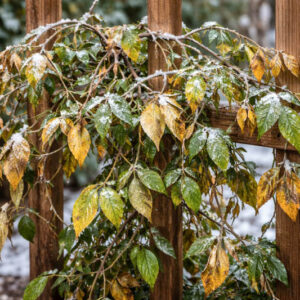
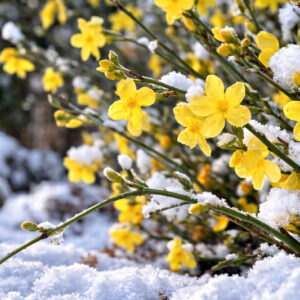
Winter Jasmine (Jasminum nudiflorum) is the easiest in-ground choice for cold climates. It is deciduous, so winter leaf loss is normal, not a sign of failure. Its flowers appear in late winter to early spring on bare green stems, which means the plant can still look attractive even in the dormant season.
Common Jasmine (Jasminum officinale) can stay outside in many Zone 7 gardens and warmer areas, but it performs best where cold wind is reduced and warmth reflects off masonry or stone. A south-facing or west-facing wall can make the difference between minor winter damage and a healthy, reliable plant.
Star Jasmine (Trachelospermum jasminoides) is far more conditional as an in-ground winter plant. In mild gardens and warmer regions, it can overwinter outdoors, especially against a sheltered wall. In cooler pockets, however, it can suffer bronzing, stem damage, or top growth loss during harder freezes. Treat its zone range as a general guide, not a guarantee.
Pink Jasmine (Jasminum polyanthum) is usually not the best candidate for in-ground winter growing in cold climates. In frost-free or very mild winter areas, it can remain outdoors successfully, but in colder regions it is much better treated as a container plant that is moved to protection before frost.
Primrose Jasmine (Jasminum mesnyi) can work in the ground in milder winter climates, where it is valued more for its arching habit and yellow flowers than for fragrance. It is less dependable than Winter Jasmine in true cold-climate conditions and is best treated as a mild-winter option.
Winter Jasmine is the safest in-ground choice for cold climates. Common Jasmine can work in protected sites. Star Jasmine and Primrose Jasmine are better reserved for mild winters or sheltered microclimates, while Pink Jasmine is usually best kept mobile in a pot.
A jasmine that survives winter in the ground may still fail in a container because pot-grown roots get much colder than roots insulated by surrounding soil.
Potted jasmine winter care is where most problems begin. Containers expose the root ball to cold from all sides. That means even a moderately hardy jasmine becomes more vulnerable once it is grown in a pot.
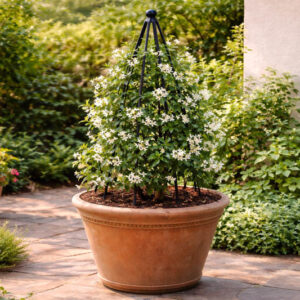
Pink Jasmine is the classic example. It is a superb plant for fragrance and showy bloom, but in colder regions it is best treated as a container vine that moves indoors before hard frost. Arabian Jasmine, Spanish Jasmine, and Downy Jasmine are also much more realistic as protected potted plants in regions with real winter cold.
Star Jasmine is another common container choice. It offers evergreen foliage and strong fragrance, but in true winter conditions it is safer as a protected patio or indoor-overwintered plant than as a fully exposed outdoor specimen.
If you cannot bring the pot fully indoors, a cold but bright protected space – such as a frost-free porch, conservatory, greenhouse, or sheltered enclosed patio – is often enough for borderline species.
This is the question gardeners ask too late. Tender jasmine should come inside before hard frost, not after the leaves blacken. The exact timing depends on the species, your local climate, and whether the plant is in a pot or the ground.
As a rule, Pink Jasmine, Arabian Jasmine, and other tender types should be moved once nights begin trending close to freezing. Common Jasmine and Star Jasmine can tolerate cooler conditions, but they should still be protected before prolonged hard freezes if you are gardening near the edge of their range.
If your jasmine is tender and in a pot, treat the first hard frost forecast as your moving deadline, not your warning shot.
Overwatering is one of the most common winter-care errors. Jasmine does not want to sit in soggy soil when light levels are lower and growth is slower. Cold, wet roots are far more dangerous than slightly dry soil for many species.
In the ground, water only when conditions are unusually dry and the soil is not frozen. In containers, water sparingly and only when the top layer of the mix has started to dry. Never follow a rigid weekly winter schedule. Let the plant, pot size, light level, and temperature guide you.
If the foliage looks dull or slightly limp, do not automatically add water. Check the root zone first. Winter stress can come from both drought and excess moisture, and the symptoms are often confused.
Usually, no. Winter is not the moment to push soft growth that will be weak, pale, and vulnerable. Hold fertilizer until late winter or spring, when the plant is clearly resuming active growth. Indoor-overwintered jasmine may produce some growth under bright conditions, but even then, feeding should remain light until day length and vigor increase.
Timing matters because many jasmines flower on older growth. Prune at the wrong time and you remove the display you were waiting for.
Winter Jasmine is best pruned after flowering, once the late winter or early spring show finishes. Pink Jasmine is also usually pruned after bloom. Common Jasmine can be shaped after its main flowering period. The guiding principle is simple: prune after flowering, not before it, unless you are only removing dead or clearly damaged material.
1. Choosing by fragrance instead of hardiness. The most fragrant jasmine is not always the best winter survivor.
2. Treating in-ground and container plants the same way. Pot-grown roots are much more exposed to cold.
3. Watering too often in winter. Soggy, cold soil is one of the fastest ways to damage jasmine roots.
4. Pruning too hard before winter or too early in spring. That can remove flower buds and increase stress.
5. Leaving tender jasmines outside until after frost damage appears. Protection works best before the plant is injured.
6. Ignoring microclimate. A sheltered wall, enclosed patio, or heat-reflective site can make a major difference for borderline plants.
Not all winter damage means the plant is lost. Jasmine can show several levels of stress, and reading the symptoms correctly helps you respond more intelligently.
Wait for spring growth before making final judgments. Gardeners often discard jasmines that would have recovered from the crown or lower stems.
| Symptom | Likely Cause | What to Do |
|---|---|---|
| Brown or bronzed leaves | Cold exposure, wind burn, or winter stress | Protect from wind, avoid overwatering, wait for spring before heavy pruning |
| Blackened stems | Freeze damage | Wait for regrowth, then remove truly dead wood |
| No spring regrowth | Root kill, crown damage, or severe cold injury | Check crown and roots before discarding the plant |
| Dropped buds or weak flowering | Frost damage, poor light, or pruning at the wrong time | Improve siting and prune only after flowering |
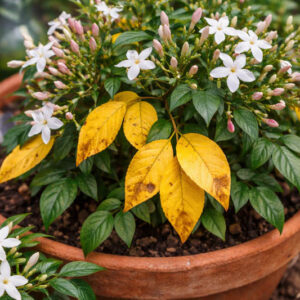
| Yellowing leaves in winter | Overwatering, poor drainage, or seasonal stress | Reduce watering and check drainage immediately |
Winter Jasmine: Best outdoor jasmine for colder climates; mulch roots and prune after flowering.
Common Jasmine: Best fragrant option for cooler regions; grow in a sheltered site or large protected container.
Star Jasmine: Best evergreen look in mild winters; protect from hard freeze and drying wind, especially in colder pockets.
Pink Jasmine: Best for containers; move indoors before frost and keep in bright light.
Primrose Jasmine: Best for mild-winter gardens; grow in a sheltered site and protect during harder freezes, especially in colder pockets.
The best jasmine winter care is not complicated – it is specific. Winter Jasmine is the strongest choice for reliable outdoor winter survival in colder regions. Common Jasmine is the best option when fragrance matters and your site is protected. Star Jasmine brings evergreen structure in milder climates, while Pink Jasmine is the standout choice for container gardeners willing to overwinter indoors.
If there is one sentence worth remembering, it is this: healthy jasmine in winter depends more on root protection and realistic placement than on heroic rescue measures after damage appears. Get those two things right, and jasmine becomes far easier to grow well – even when winter is serious.
Sometimes. Winter dieback depends on the jasmine type, your hardiness zone, and how exposed the plant is. Tender jasmines may lose stems or leaves in cold weather, while hardier types such as Winter Jasmine usually survive outdoors more reliably.
There is no single hardiness zone for all jasmine. Winter Jasmine is usually hardy in Zones 6-10, Common Jasmine in Zones 7-10, and tender types such as Pink Jasmine and Arabian Jasmine are better suited to Zones 8-10 or warmer, often with winter protection.
Yes, in mild or sheltered conditions. Star Jasmine is generally more reliable in milder zones, but winter survival depends heavily on microclimate, exposure, and how long freezing weather lasts. In colder pockets, it may suffer bronzed leaves, stem damage, or dieback without protection.
Usually not before winter. Most jasmine should only be lightly tidied before cold weather, with major pruning delayed until after flowering or in the proper seasonal window. Cutting back too hard before winter can reduce flowering and expose the plant to extra stress.
If your jasmine is tender and growing in a pot, yes. Pink Jasmine, Arabian Jasmine, and other warm-climate types should usually be moved indoors or into a frost-free bright space before hard frost. Hardier jasmines may stay outdoors if they suit your zone.
Protect jasmine in winter by insulating the roots, improving drainage, reducing cold wind exposure, and moving tender container plants under cover before frost. In-ground plants benefit from mulch, while potted jasmine often needs a bright indoor or frost-free protected space.
Much less often than in summer. Jasmine should be watered sparingly in winter, only when the soil begins to dry. Cold, soggy soil is one of the fastest ways to damage roots, especially in containers.
Brown leaves in winter usually point to cold damage, drying wind, or root stress from soil that is too wet or too dry. On evergreen jasmines such as Star Jasmine, some bronzing or leaf burn can happen in cold weather even when the plant survives.
Winter Jasmine is usually the best jasmine for cold climates because it is the most dependable outdoor choice in colder zones. If fragrance matters more, Common Jasmine is often the next-best option in sheltered gardens.
Yes, sometimes. Jasmine can recover from light frost damage, especially if the roots and crown remain healthy. Wait until spring growth starts before pruning hard, because stems that look damaged in winter may still recover.
These sources provide a more diverse reference base across botanical gardens, university extension, and horticultural organizations for jasmine hardiness, winter care, and species-specific guidance.
Updated: March 2026 • Reviewed by Gardenia Editors
| Hardiness |
6 - 11 |
|---|---|
| Plant Type | Climbers, Shrubs |
| Plant Family | Apocynaceae, Oleaceae |
| Genus | Jasminum, Trachelospermum |
| Exposure | Full Sun, Partial Sun |
| Season of Interest | Spring (Early, Mid, Late), Summer (Early, Mid, Late), Fall, Winter |
| Maintenance | Low |
| Water Needs | Average |
| Soil Type | Chalk, Loam, Sand |
| Soil pH | Acid, Alkaline, Neutral |
| Soil Drainage | Moist but Well-Drained, Well-Drained |
| Characteristics | Showy |
| Attracts | Bees, Butterflies |
| Landscaping Ideas | Arbors, Pergolas, Trellises, Banks And Slopes, Ground Covers, Patio And Containers, Wall-Side Borders |
| Garden Styles | City and Courtyard, Coastal Garden, Informal and Cottage |
| Hardiness |
6 - 11 |
|---|---|
| Plant Type | Climbers, Shrubs |
| Plant Family | Apocynaceae, Oleaceae |
| Genus | Jasminum, Trachelospermum |
| Exposure | Full Sun, Partial Sun |
| Season of Interest | Spring (Early, Mid, Late), Summer (Early, Mid, Late), Fall, Winter |
| Maintenance | Low |
| Water Needs | Average |
| Soil Type | Chalk, Loam, Sand |
| Soil pH | Acid, Alkaline, Neutral |
| Soil Drainage | Moist but Well-Drained, Well-Drained |
| Characteristics | Showy |
| Attracts | Bees, Butterflies |
| Landscaping Ideas | Arbors, Pergolas, Trellises, Banks And Slopes, Ground Covers, Patio And Containers, Wall-Side Borders |
| Garden Styles | City and Courtyard, Coastal Garden, Informal and Cottage |
Create a membership account to save your garden designs and to view them on any device.
Becoming a contributing member of Gardenia is easy and can be done in just a few minutes. If you provide us with your name, email address and the payment of a modest $25 annual membership fee, you will become a full member, enabling you to design and save up to 25 of your garden design ideas.
Join now and start creating your dream garden!
Create a membership account to save your garden designs and to view them on any device.
Becoming a contributing member of Gardenia is easy and can be done in just a few minutes. If you provide us with your name, email address and the payment of a modest $25 annual membership fee, you will become a full member, enabling you to design and save up to 25 of your garden design ideas.
Join now and start creating your dream garden!