Hanging Basket Care: Grow Lush, Cascading Plants
A beautiful hanging basket can transform a plain porch, brighten a balcony, or add a cascade of flowers above a patio. But why do some baskets overflow with blooms all summer while others become dry, leggy, or disappointing after just a few weeks? Hanging plants face conditions that ordinary garden plants rarely experience: exposed roots, drying winds, limited soil, and rapidly changing moisture levels. With the right basket, growing medium, and a few simple care techniques, you can keep trailing flowers and foliage looking lush for months. Discover how to plant, water, feed, prune, and maintain spectacular hanging baskets and cascading patio containers.
Learn How to Plant Hanging Baskets Successfully: Containers, Soil, Drainage, and Spacing
The secret to a spectacular hanging basket starts before the first flower opens. Choosing a suitable container, providing enough root space, and grouping compatible plants will make the basket easier to maintain as summer progresses.
Seven steps to planting a beautiful hanging basket:
- Choose the right location: Check how much direct sunlight the basket receives and whether the position is exposed to strong wind or reflected heat.
- Select a secure basket: Use a container with reliable drainage and a hanging system rated for its weight when fully watered.
- Choose suitable growing medium: Use a quality container potting mix that balances moisture retention with drainage and air around the roots.
- Group compatible plants: Select varieties with similar sunlight, water, and feeding requirements.
- Allow room for growth: Arrange plants according to their mature spread instead of overcrowding the basket immediately.
- Plant at the correct depth: Keep crowns at their appropriate level and avoid burying vulnerable stems.
- Water thoroughly: Moisten the growing medium after planting and allow excess water to drain.
What is the best soil for hanging baskets? Most flowering baskets benefit from a lightweight, well-aerated potting mix that retains enough moisture to support healthy growth but does not remain saturated. Succulent baskets usually need a faster-draining growing medium.
How large should a hanging basket be? A basket approximately 12-16 inches (30-40 cm) wide can accommodate many seasonal arrangements, although the ideal size depends on plant vigor and the number of plants. Larger baskets generally dry out more slowly but become considerably heavier when watered.
How many plants should you put in one basket? There is no universal number. A few vigorous trailing petunias may eventually fill a large basket, while smaller calibrachoa plants can be combined in complementary colors. Consider mature spread and available root volume rather than forcing the basket to look full on planting day.
Do hanging baskets need drainage holes? Yes, unless they use a specially designed watering system with controlled drainage or overflow. Without adequate drainage, roots can remain waterlogged and decline.
Should you add gravel to the bottom? Usually not. Gravel does not automatically improve drainage and reduces space for growing medium. An appropriate potting mix and unobstructed drainage are more important.
Can you plant through the sides of a hanging basket? Some lined wire baskets allow compatible trailing plants to grow through carefully positioned side openings. Protect roots and stems during planting, and avoid overcrowding that could interfere with healthy root development.
When should hanging baskets be planted? Tender summer annuals are generally planted outdoors after the danger of frost has passed. Baskets can be started earlier under suitable protected conditions, allowing plants to become established before being moved outside.
What is the best position for a fuchsia basket? Many fuchsias appreciate a sheltered position with morning sun or partial shade, particularly in warm climates. They usually perform better with protection from intense afternoon heat and drying winds.
What is the best position for calibrachoa and petunias? Most prefer good sunlight and well-drained growing media. In very hot climates, careful moisture management is especially important because hanging baskets can dry quickly.
Gardenia’s planting advice: Choose the support and basket before selecting plants. A strong, appropriately sized container in the right location gives your trailing plants a much better chance of becoming lush and beautiful.
Read Gardenia’s Gorgeous Fuchsias for Hanging Baskets, Petunia Growing Guide, and Calibrachoa Growing Guide.
Discover How to Water, Feed, Deadhead, and Prune Hanging Baskets for More Flowers
Hanging baskets require closer moisture monitoring than many ordinary patio containers. Their exposed position, limited potting mix, and generous foliage can cause them to dry rapidly, particularly during hot or windy weather.
How often should you water hanging baskets? Check the moisture in the growing medium rather than using a fixed schedule. Some baskets need daily watering during hot weather, while large baskets in cooler shade may remain moist for several days. Always adjust watering to plant type, temperature, wind, and rainfall.
How can you tell when a basket needs watering? Check the growing medium below the surface and notice the weight of the basket. A significantly lighter container often indicates drying soil, but avoid waiting until sensitive plants wilt severely.
What is the best way to water hanging plants? Apply water slowly until the root zone is thoroughly moistened and excess water drains away. Extremely dry potting mix may initially repel water, so gradual rehydration can be necessary.
Can hanging baskets be overwatered? Yes. Constantly wet growing medium can deprive roots of oxygen and encourage decay. Yellowing foliage, weak growth, and wilting despite wet soil may indicate poor drainage or root problems.
How often should you fertilize hanging baskets? Long-flowering annuals such as petunias and calibrachoa often benefit from regular feeding during active growth. Follow the instructions for an appropriate liquid or controlled-release fertilizer. Avoid excessive nitrogen, which may encourage foliage at the expense of flowers.
Do calibrachoa plants need deadheading? Many modern calibrachoa varieties are self-cleaning and require little manual deadheading. They still need suitable sunlight, watering, drainage, and nutrition to maintain a generous flowering display.
How do you keep petunia baskets from becoming leggy? Provide adequate sunlight and appropriate feeding. Some cultivars benefit from selective trimming during summer to encourage fresh branching and a fuller appearance. Avoid cutting all plants back at once if you want to preserve some flowers during recovery.
How should you care for fuchsia hanging baskets? Keep the growing medium appropriately moist, protect plants from excessive heat, and provide suitable nutrition during active growth. Remove damaged material and pinch or trim stems when appropriate for the cultivar and its stage of growth.
Do ivy geraniums need deadheading? Many benefit from removing spent flower clusters and damaged foliage. Provide good light, suitable drainage, and regular moisture monitoring. Avoid prolonged saturation around the roots.
Should you prune trailing foliage plants? Some benefit from selective trimming to maintain shape or prevent stems from becoming excessively long. However, severe pruning may temporarily spoil a cascading display. Match the technique to the plant’s growth habit.
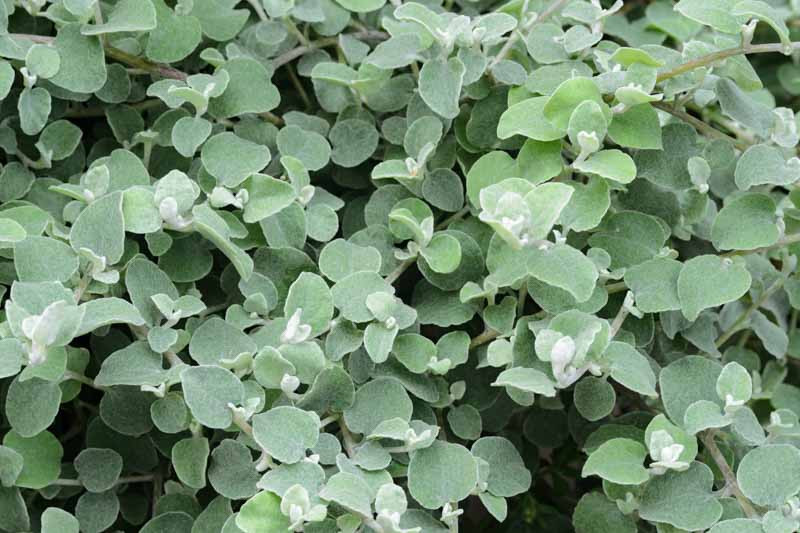
How do you maintain Dichondra ‘Silver Falls’? Provide suitable light, good drainage, and moderate watering according to growing conditions. Trim excessively long stems when necessary, but preserve its graceful natural cascade rather than repeatedly shearing it into a compact mound.
How do you care for golden creeping Jenny in baskets? Keep its growing medium appropriately moist, especially in warm weather. Its trailing stems can root where they contact soil, so prevent unwanted spread into surrounding garden areas where it may be invasive.
What should you do during a heatwave? Check baskets more frequently, particularly those exposed to afternoon sun or drying wind. Move portable baskets to a less stressful position when appropriate and avoid allowing sensitive plants to dry completely.
Gardenia’s summer care tip: Consistent moisture and feeding make more difference than occasional heavy treatment. A basket with healthy roots and regularly maintained stems can produce a generous display over a much longer period.
Explore Gardenia’s Fuchsia Care Guide, Pelargonium Growing Guide, and Petunia Care and Pruning.
Solve Common Hanging Basket Problems and Learn How to Refresh and Overwinter Trailing Plants
Even beautifully planted baskets can become disappointing as the season progresses. Yellow leaves, sparse flowers, dry roots, and overgrown stems are common problems, but many can be corrected by examining the growing conditions.
Why is my hanging basket dying? Possible causes include severe drought, waterlogged roots, inadequate light, nutrient depletion, extreme heat, and root crowding. Check the growing medium and roots before watering or fertilizing again.
Why does my basket look bare in the middle? Vigorous trailing stems sometimes grow outward and downward while older interior growth becomes sparse. Insufficient light within a crowded basket can contribute. Selective trimming and appropriate spacing may help improve its appearance over time.
Why are my trailing petunias flowering less? Insufficient sunlight, nutrient problems, prolonged extreme heat, drought stress, or overly long, aging stems can reduce flowering. Some cultivars benefit from a midsummer trim to encourage fresh growth.
Why are calibrachoa leaves turning yellow? Waterlogging, root problems, nutrient availability, or unsuitable growing-medium pH may contribute. Calibrachoa can be sensitive to iron availability when root-zone pH is too high. Diagnose conditions before applying supplements.
Why are fuchsia buds dropping? Heat stress, changes in moisture, and other environmental pressures can cause bud drop. Protect the plant from intense heat, maintain appropriate moisture, and avoid sudden changes in exposure.
What causes brown edges on trailing foliage? Wind, drought, high temperatures, fertilizer salts, and normal aging may all contribute. Inspect the entire plant rather than assuming every brown leaf indicates disease.
How do you rescue a severely dried hanging basket? Rehydrate the root zone gradually and thoroughly, allowing water to penetrate the growing medium rather than running straight through. Move the basket temporarily out of harsh sun if appropriate. Recovery depends on how badly the roots and stems have been damaged.
How do you refresh an overgrown hanging basket? Remove dead material, trim excessive growth selectively, check the moisture and nutritional status, and allow healthy stems to regrow. Some annuals respond well to rejuvenation, while others may need replacement late in the season.
Can hanging basket plants survive winter? Some can. Many fuchsias and pelargoniums are perennial but need protection from freezing in cold climates. Hardy sedums may overwinter outdoors in suitably drained containers, while frost-tender Dichondra is often treated as an annual.
How should you overwinter fuchsias? The appropriate method depends on whether the cultivar is hardy or tender. Tender plants may need a frost-free location, reduced watering, and seasonal pruning. Even hardy fuchsias can be vulnerable when their roots are exposed in hanging baskets.
Can ivy geraniums be kept for another year? Yes, in suitable protected conditions. Pelargoniums are perennial plants but are commonly grown as seasonal annuals where winters are cold. Healthy plants may be overwintered in a bright, frost-free setting with appropriate moisture.
How do you prepare hanging baskets for spring? Inspect reusable containers and supports, clean where necessary, check drainage, replace exhausted growing medium, and select new plants appropriate for the coming season. Avoid reusing deteriorated or diseased root material.
How do you prevent plants from escaping into garden beds? Trim and dispose of potentially invasive trailing species responsibly, especially plants such as creeping Jenny in regions where they spread aggressively. Avoid allowing basket stems to root into adjacent soil.
Gardenia’s final care advice: Beautiful hanging baskets depend on healthy roots, suitable moisture, and the right plant for the location. Choose compatible varieties, maintain the natural trailing shape, and intervene early when growth or flowering begins to decline.
Read Gardenia’s Calibrachoa Troubleshooting and Care, Fuchsia Growing and Winter Care, and Pelargonium Care Guide.