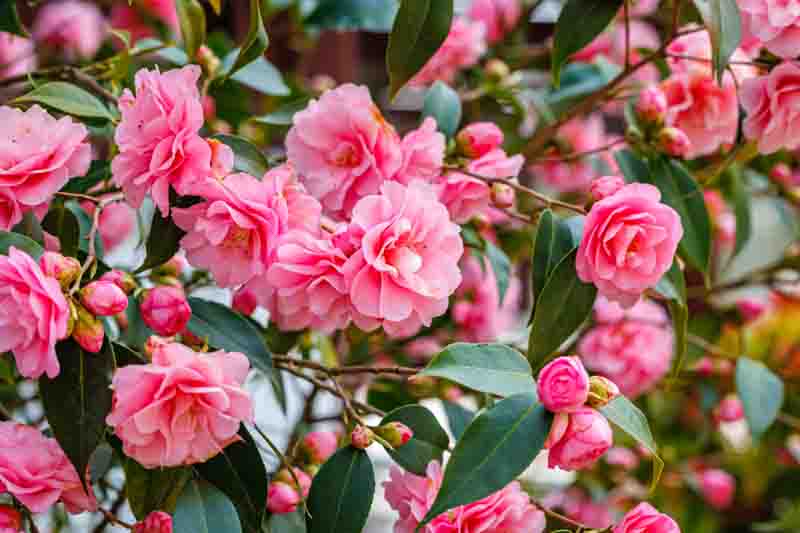
Flowering Hedges - Guides
A flowering hedge can transform a garden boundary into a season of color, fragrance, and natural beauty. But how close should you plant the shrubs? When should you prune spring-flowering spirea without sacrificing its flowers? And how do you encourage hydrangeas or shrub roses to form a generous, attractive hedge? Growing flowering hedges successfully starts with understanding the plants’ mature size, flowering habits, and seasonal needs. Whether you’re planting a low rose hedge along a path, creating a fragrant boundary, or establishing a larger informal screen, discover practical advice on planting, watering, pruning, and maintaining healthy flowering hedges that improve with age.
Learn How to Plan and Plant a Flowering Hedge with the Right Spacing, Soil, and Shrubs
A beautiful flowering hedge begins with realistic planning. Flowering shrubs need enough space to develop healthy branches and display their flowers naturally. Planting too closely may create instant coverage, but it can lead to overcrowding, weak growth, and reduced flowering as the hedge matures.
Seven essential steps for planting a flowering hedge:
- Decide on the purpose: Choose whether the hedge should define a path, separate garden areas, provide seasonal screening, or create a fragrant flowering boundary.
- Measure the space: Record the planting length, available width, desired height, and distance from fences, paths, and buildings.
- Select suitable shrubs: Compare hardiness, sunlight, soil moisture, mature dimensions, flowering season, and growth habit.
- Plan realistic spacing: Measure between plant centers using the mature spread of the selected species and cultivar.
- Prepare the planting area: Remove persistent weeds, assess drainage, and improve compacted soil where appropriate.
- Plant correctly: Set shrubs at the appropriate depth, keeping crowns and root flares from being buried too deeply.
- Water and mulch: Water thoroughly after planting and maintain suitable root-zone moisture during establishment.
How far apart should flowering hedge plants be spaced? Spacing depends on the mature width of each cultivar and whether you want a formal hedge or a loose, overlapping boundary. A compact rose requires different spacing from a large Vanhoutte spirea or full-sized panicle hydrangea. Avoid relying on one distance for every flowering shrub.
How do you plant a rose hedge? Choose a sunny position with suitable soil, allow enough room for each rose’s mature spread, and plant at the appropriate depth for the plant type and climate. Water thoroughly while roots establish. Disease-resistant varieties with attractive natural habits generally make the easiest informal hedges.
How much sunlight do flowering hedges need? Many roses, lavender, and cinquefoils flower most generously in full sun. Certain hydrangeas, viburnums, and other shrubs tolerate partial shade. In deep shade, flowering and branching density may be reduced.
Can you plant a hydrangea hedge in full sun? Panicle hydrangeas such as Hydrangea paniculata ‘Limelight’ generally perform well with good sunlight, provided soil moisture is adequate. In very hot climates, some afternoon protection may help reduce stress.
What soil is best for a flowering hedge? There is no single ideal soil for every shrub. Roses often appreciate fertile, well-drained soil, lavender prefers sharply drained conditions, and hydrangeas generally benefit from adequate moisture without waterlogging. Choose combinations with compatible root-zone requirements.
When is the best time to plant a flowering hedge? Spring and fall are often favorable in temperate climates, when soil moisture and temperatures support root establishment. Container-grown shrubs can sometimes be planted during a wider season if weather and watering are suitable.
Should you plant a flowering hedge in one row or two? A single row is generally suitable for a narrow decorative boundary. A staggered arrangement may provide deeper coverage but requires more width and additional consideration of mature growth.
How long does a flowering hedge take to establish? Many shrubs need several growing seasons to develop their full size and flowering potential. Establishment depends on plant size, growth rate, soil conditions, rainfall, and maintenance.
Can different flowering shrubs share one hedge? Yes, but select species with similar sunlight, soil, moisture, and growth requirements. A mixed flowering hedge can create beautiful seasonal interest, although a simple repeated planting often produces a more uniform and easier-to-maintain boundary.
Gardenia’s planting advice: Plan around the mature width of the shrubs. A flowering hedge needs room for its flowers and natural branching structure, not just enough space for its roots on planting day.
Explore Gardenia’s Choosing Your Ideal Hedge, Planting a Lavender Hedge, and Rose and Flowering Shrub Growing Guides.
Discover When and How to Prune Rose, Hydrangea, Spirea, and Other Flowering Hedges
Pruning is one of the most important differences between flowering hedges and ordinary clipped evergreen boundaries. Cutting at the wrong time can remove flower buds, while excessive shearing can spoil the natural shape of a beautiful shrub.
When should flowering hedges be pruned? The correct time depends on whether the shrub flowers on old wood, new growth, or both. Many spring-flowering shrubs form buds during the previous season, while several summer-flowering shrubs produce flowers on the current year’s growth.
How do you prune a rose hedge? Remove dead, damaged, and congested stems, then shape according to the rose’s growth habit and flowering pattern. Repeat-blooming shrub roses may benefit from different pruning from once-flowering varieties. Read Gardenia’s How and When to Prune Roses.
Should a rose hedge be clipped into a straight line? Usually not if the goal is a romantic, informal hedge. Gentle pruning preserves the rounded growth of shrub roses and allows flowering branches to develop. Tight shearing can remove developing buds and create an unnatural outline.
When should Vanhoutte spirea be pruned? Spiraea x vanhouttei flowers primarily on older growth. Prune after its spring display if necessary, selectively removing some older stems to maintain a healthy framework. Heavy pruning before flowering can remove much of the season’s display.
How do you prune a Limelight Hydrangea hedge? Hydrangea paniculata ‘Limelight’ flowers on new growth. It can be pruned during dormancy, usually in late winter or early spring, to manage size and encourage strong flowering stems. Avoid cutting so severely that the shrubs lose the framework needed for a substantial hedge.
Do all hydrangeas need the same pruning? No. Bigleaf, oakleaf, panicle, and smooth hydrangeas have different flowering habits. Incorrect pruning can remove flower buds. Gardenia’s Hydrangea Pruning Guide explains the differences.
When should weigela be pruned? Many weigelas bloom primarily on older wood in late spring or early summer. Light pruning after flowering helps preserve the following season’s flower buds. Remove damaged or crowded stems when appropriate rather than repeatedly shearing the shrub.
How should mock orange be pruned? Mock orange generally flowers on established wood. Prune after flowering, removing selected older stems to encourage renewal while preserving its naturally arching form. Severe annual clipping can reduce both flower production and fragrance.
How do you maintain a lavender hedge? Trim lavender appropriately after flowering or according to local seasonal conditions to help maintain a compact, leafy plant. Avoid cutting deeply into old, leafless wood, which often responds poorly. Read Gardenia’s Lavender Hedge Guide.
Should flowering hedges be deadheaded? Some repeat-flowering roses benefit from removing spent flowers, while many large shrubs are allowed to develop seed heads, fruits, or autumn interest. Deadheading requirements depend on species, cultivar, and the desired appearance.
How do you rejuvenate an old flowering hedge? Certain deciduous shrubs respond to selective removal of older stems over several seasons. Others tolerate more substantial renovation. Identify the shrub before cutting it back severely, particularly if its flowering buds develop on older wood.
What is the difference between thinning and shearing? Thinning removes selected stems to improve structure, light, and airflow. Shearing cuts many outer shoots to create a uniform outline. Informal flowering hedges generally benefit more from selective pruning than repeated tight shearing.
How do you encourage a hedge to remain full at the base? Allow adequate light to reach lower branches, avoid overcrowding, and begin appropriate formative pruning while shrubs are young. The desired outline should follow the plant’s natural habit rather than forcing every species into the same shape.
Gardenia’s pruning advice: Identify when your shrubs form flower buds before making cuts. Preserving the right flowering wood is often the difference between a hedge covered in blooms and one producing little more than leaves.
Read Gardenia’s Rose Pruning by Type and Climate, How to Prune Hydrangeas, and Spirea Varieties and Growing Information.
Solve Flowering Hedge Problems: Few Blooms, Yellow Leaves, Bare Stems, and Seasonal Care
Even carefully planted flowering hedges can become sparse, uneven, or disappointing. The most common problems are linked to growing conditions, pruning mistakes, or shrubs that have outgrown their space.
Why is my flowering hedge not blooming? Insufficient sunlight, pruning at the wrong time, immature plants, excessive nitrogen, drought stress, or winter damage to buds may reduce flowering. Check the species’ normal bloom period before assuming something is wrong.
Why are my rose hedges producing leaves but few flowers? Check sunlight, pruning, fertilization, and plant health. Excessive nitrogen can encourage leafy growth, while cutting back once-flowering roses at the wrong time may remove developing buds. Gardenia’s Why Roses Are Not Blooming covers common causes.
Why is my hydrangea hedge flowering poorly? Possible reasons include insufficient light, drought stress, winter bud injury, or incorrect pruning. The cause depends on the hydrangea type. Panicle hydrangeas flower on new wood, while many traditional bigleaf hydrangeas rely heavily on buds formed the previous season.
Why does my flowering hedge look bare at the base? Overcrowding, insufficient light reaching lower branches, aging stems, and inappropriate pruning can all contribute. Selective renewal pruning may help some shrubs, but plants that have outgrown a narrow space may need more substantial changes.
Why are the leaves turning yellow? Yellowing may indicate waterlogged roots, drought, nutrient problems, unsuitable soil pH, pests, or natural seasonal changes. Check the soil and root conditions before applying fertilizer.
How often should newly planted hedges be watered? Maintain adequate root-zone moisture while plants establish, adjusting for soil type, weather, rainfall, and shrub size. Water thoroughly when needed rather than relying on frequent light sprinkling.
Do established flowering hedges need fertilizer? Not always. A healthy shrub in suitable soil may require little feeding. Excess nitrogen can encourage leafy growth at the expense of flowers, particularly in some circumstances.
How do you keep roses healthy in a hedge? Choose suitable disease-resistant varieties, provide adequate sunlight and airflow, water appropriately, and avoid severe overcrowding. Monitor for common rose problems such as black spot, powdery mildew, and aphids.
Why is my spirea hedge flowering only on the outside? Dense growth, shading, and repeated shearing can reduce flowering in the interior. Selective pruning after bloom may help restore a healthier, more open structure.
Can a flowering hedge survive a cold winter? Many can, provided the selected shrubs are hardy for the climate. Winter survival and flowering are different questions: a shrub may survive but lose flower buds to frost. Choose plants according to local winter conditions and flowering habit.
How do you prepare a flowering hedge for winter? Remove seriously damaged material when appropriate, maintain adequate moisture during dry fall conditions, and avoid excessive late-season fertilizing or pruning. Specific protection requirements vary by shrub.
Can flowering hedges support wildlife? Yes. Accessible flowers, fruits, and dense branching can provide valuable resources. Choose regionally appropriate plants, reduce unnecessary pesticide use, and consider allowing some fruits or seed heads to remain.
When should a flowering hedge be replaced? Replacement may be appropriate when shrubs repeatedly fail because the site is unsuitable, their mature dimensions are excessive, or severe decline cannot be corrected. Choose a better-matched species rather than repeating the same problem.
Gardenia’s final care advice: Healthy flowering hedges depend on the right shrubs, appropriate spacing, good establishment care, and pruning that respects each plant’s flowering habit. A little regular attention will usually produce a more beautiful result than occasional severe cutting.
Explore Gardenia’s Rose Blooming Problems and Solutions, Hydrangea Flowering Calendar, and Flowering Shrub Growing Guides.