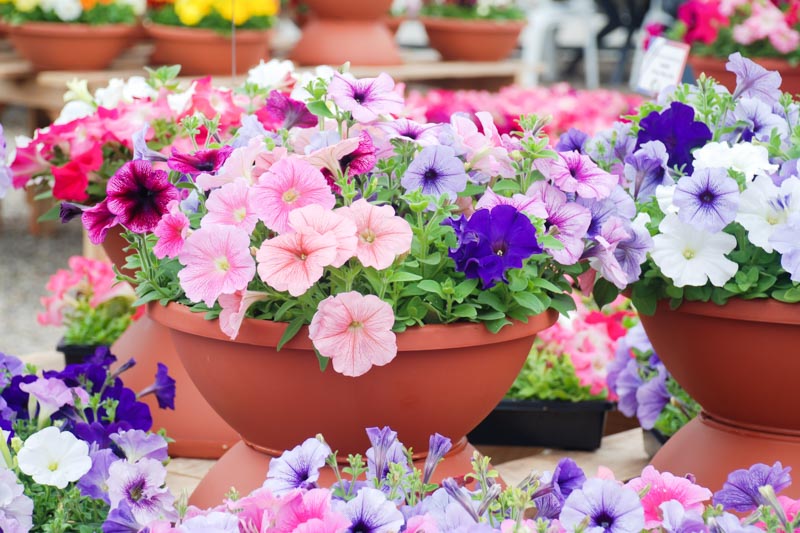
Flowering Container Guides
Why do some patio pots overflow with flowers for months while others become leggy, wilted, or disappointing by midsummer? Growing beautiful flowering containers isn’t about squeezing as many plants as possible into a pot. It’s about giving roots enough space, choosing flowers that enjoy the same conditions, and knowing when to water, feed, trim, or refresh the planting. Whether you’re creating your first mixed flower planter, growing compact dahlias on a sunny terrace, or caring for begonias and fuchsias in a shaded courtyard, discover practical techniques to keep your flowering containers healthy, full, and colorful throughout the season.
Learn How to Plant Flowering Containers Successfully: Pot Size, Soil, Drainage, and Plant Spacing
The secret to a spectacular flowering container starts beneath the flowers. Healthy roots need sufficient space, moisture, oxygen, and nutrients. A beautiful combination planted in unsuitable soil or an undersized pot may look wonderful for a few weeks but struggle as summer progresses.
Seven essential steps for planting flowering containers:
- Choose the right location: Count the hours of direct sunlight and consider reflected heat from paving, walls, and nearby buildings.
- Select compatible flowering plants: Group varieties with similar light, watering, and drainage requirements.
- Choose a sufficiently large container: Allow enough root volume for mature growth and select a pot with adequate stability.
- Provide proper drainage: Use a container with unobstructed drainage holes and avoid allowing excess water to accumulate around roots.
- Fill with suitable potting mix: Use a quality container-growing medium that balances moisture retention with aeration and drainage.
- Arrange plants for mature growth: Position upright flowers, rounded plants, and trailing varieties according to their eventual size rather than their nursery appearance.
- Water thoroughly after planting: Settle the growing medium around the roots, then monitor moisture during establishment.
What is the best potting mix for flowering containers? Most flowering annuals prefer a quality, well-aerated potting mix that holds adequate moisture while allowing excess water to drain. Avoid filling containers with dense garden soil, which can compact and restrict root aeration.
Should you put gravel at the bottom of flower pots? Generally, no. A gravel layer does not automatically improve drainage and reduces the space available for growing medium. Good drainage holes and a suitable potting mix are more important.
How large should a flowering planter be? Choose a container based on the number of plants, their mature growth, and their root requirements. A generous mixed summer planter often benefits from a width of approximately 16-24 inches (40-60 cm) or more, but there is no universal size. Smaller containers may be appropriate for compact plants, although they dry more quickly.
How many flowering plants should you put in one pot? A large planter may accommodate several compact annuals, while a vigorous dahlia or flowering shrub may need most of the space to itself. Read plant labels and consider mature spread. Crowding too many plants can cause rapid drying, poor airflow, and competition for nutrients.
Should you mix annuals and perennials? Yes, when their growing conditions are compatible. A compact perennial can provide lasting structure while annual flowers fill the container with seasonal color. Remember that long-lived plants may eventually need repotting.
What is the thriller, filler, spiller method? A traditional mixed-container design uses an upright plant for height, rounded plants for volume, and a trailing plant to soften the rim. For example, an upright salvia can contrast beautifully with mounding petunias and a compatible trailing calibrachoa.
Is the thriller, filler, spiller method always necessary? Not at all. A generous pot filled with one beautifully shaped dahlia, rose, or flowering perennial can be just as attractive. The important factors are proportion, plant health, and a pleasing natural form.
When should summer flowers be planted outdoors? Tender annuals and dahlias are generally planted after the danger of frost has passed and temperatures suit their growth. Hardy perennials and cool-season flowers may be planted earlier, depending on local conditions.
How deeply should container flowers be planted? Most nursery-grown plants should be placed at approximately their original growing depth, with exceptions requiring species-specific care. Avoid burying vulnerable crowns or leaving roots exposed.
Gardenia’s planting tip: Don’t make the container look completely full on planting day. Allow plants enough room to develop their natural shape. A well-planned combination often becomes dramatically more beautiful after several weeks of healthy growth.
Read Gardenia’s How to Grow Dahlias, Petunia Planting and Care, and Small Perennials for Containers.
Discover How to Water, Fertilize, Deadhead, and Prune Flowering Pots for More Blooms
Once a flowering container is established, most maintenance revolves around four essentials: moisture, nutrition, light, and managing growth. Because roots are confined to a limited volume of potting mix, plants in containers respond more quickly to neglect than those growing in garden beds.
How often should you water flowering containers? Check moisture rather than relying on a fixed schedule. A small planter in full sun may need daily watering during hot weather, while a larger pot in partial shade may remain moist for several days. Temperature, wind, container material, plant size, and rainfall all affect watering frequency.
What is the best way to water a flowering pot? Apply water slowly to the growing medium until the root zone is thoroughly moistened and excess water drains away. Avoid frequent superficial sprinkling that moistens only the surface. If the potting mix has become extremely dry, water gradually to allow it to rehydrate.
Can flowering containers be overwatered? Absolutely. Constantly saturated potting mix restricts oxygen around the roots and can encourage root decay. Yellowing leaves, weak growth, and wilting despite wet soil may indicate overwatering or poor drainage.
How often should flowering containers be fertilized? Long-flowering annuals often benefit from regular feeding because nutrients are consumed or washed out through watering. Follow the instructions for an appropriate liquid or controlled-release fertilizer. Avoid excessive feeding, especially high-nitrogen formulas that can favor foliage over flowers.
How do you keep petunias flowering all summer? Provide good sunlight, adequate nutrients, suitable moisture, and space for vigorous growth. Some petunias benefit from removing faded flowers or trimming tired stems during summer. Petunia ‘Supertunia Bordeaux’ is an attractive choice for a generous flowering planter.
Does calibrachoa need deadheading? Many modern calibrachoa varieties are self-cleaning and require little manual deadheading. They still need reliable drainage, sufficient light, and regular nutrition. Avoid allowing their roots to remain waterlogged.
How do you keep dahlias blooming in containers? Give compact dahlias a sunny location, consistent moisture, appropriate feeding, and enough root space. Removing spent flowers can encourage further bloom development. Protect tender growth from frost and avoid excessively wet conditions around the tubers.
How should you care for flowering fuchsias? Many fuchsias prefer sheltered positions and consistent moisture. Protect them from extreme afternoon heat in warm climates, feed appropriately during active growth, and remove damaged or faded material when necessary.
Should you pinch back young flowering plants? Certain species branch more freely when their growing tips are pinched early. However, pinching can delay flowering and is not appropriate for every plant. Follow cultivar-specific recommendations rather than applying the same technique to all container flowers.
Why do mixed containers become uneven? Some plants grow faster or more vigorously than their companions. Selective trimming can restore balance, but prevention starts with choosing varieties of compatible mature size and growth rate.
How do you keep containers looking full in late summer? Remove declining flowers, trim overly long shoots where suitable, check for root crowding, and maintain appropriate watering and nutrition. A modest midsummer refresh can sometimes rejuvenate the display without requiring complete replanting.
What should you do during a heatwave? Check moisture frequently, protect heat-sensitive flowers from intense afternoon sun where practical, and avoid allowing small containers to dry completely. Some plants temporarily reduce flowering in extreme temperatures even when properly cared for.
Gardenia’s flowering tip: Consistent care produces more reliable flowers than occasional heavy watering or fertilizing. Healthy roots and manageable growth are the foundation of an abundant summer display.
Explore Gardenia’s Calibrachoa Growing Guide, Fuchsia Care Guide, and Angelonia Growing and Care.
Solve Common Flowering Container Problems and Protect Your Plants Through the Seasons
Even carefully planted containers can become disappointing when their growing conditions change. Sparse flowers, yellowing foliage, wilted stems, and exhausted potting mix are common problems, but many can be corrected once the underlying cause is identified.
Why are my potted flowers not blooming? Common causes include insufficient sunlight, excessive nitrogen, drought stress, damaged roots, inappropriate pruning, and unsuitable temperatures. Some plants also have a naturally short flowering period. Identify the species and its expected bloom season before trying to force more flowers.
Why are my flowering container leaves turning yellow? Yellowing can indicate excessive watering, poor drainage, drought, nutrient deficiency, pests, or normal aging. Check the moisture level and growing medium before adding fertilizer.
Why are my flowers wilting even though the soil is wet? Roots deprived of oxygen by waterlogged potting mix may struggle to supply water to the foliage. Damaged or diseased roots can cause similar symptoms. Inspect drainage and root health rather than automatically watering again.
Why do petunias become long and leggy? Insufficient light, excessive growth, or normal aging can contribute. Some cultivars benefit from selective trimming during midsummer to encourage fresh branching. Provide sufficient light and avoid excessive nitrogen fertilizer.
Why is my calibrachoa declining? Poor drainage, root problems, unsuitable potting medium, nutrient imbalance, and temperature stress are possible causes. Calibrachoa can be sensitive to high root-zone pH and associated iron availability problems. Diagnose the growing conditions before treating the plant.
Why do fuchsias drop their buds? Heat stress, rapid changes in moisture, or unsuitable growing conditions can contribute to bud drop. Provide sheltered conditions, maintain appropriate moisture, and avoid sudden exposure to intense sunlight.
What causes brown flower edges? Delicate petals may brown from intense sun, wind, dry conditions, heavy rain, or natural aging. Remove badly damaged blooms where beneficial and consider whether the plant needs a more sheltered position.
How do you prevent root rot in flowering containers? Use containers with adequate drainage holes, choose suitable potting mix, and avoid keeping the root zone constantly saturated. Do not assume that adding gravel to the base of the pot solves drainage problems.
Can flowering perennials survive winter in containers? Yes, but their roots are more exposed to freezing temperatures than plants in the ground. Choose appropriately hardy varieties and protect vulnerable containers. A plant hardy in the garden may not be equally hardy in an exposed pot.
How do you overwinter dahlias in pots? In frost-prone climates, dahlia tubers generally need protection from freezing. Depending on local conditions, they can be lifted and stored or kept in appropriately protected containers. Avoid prolonged wetness during dormancy, which can cause tuber decay.
Can fuchsias be kept from one year to the next? Many can, if provided with suitable overwintering conditions. Tender fuchsias often require frost-free protection, while hardy varieties may survive outdoors in appropriate climates with adequate root protection.
When should you replace annual flowers? Seasonal annuals are commonly replaced after frost or when their display naturally declines. Containers can then be refreshed with suitable cool-season flowers, spring bulbs, or other seasonal plants.
How should you prepare flowering containers for spring? Remove exhausted plants, inspect roots and drainage holes, clean reusable containers, refresh or replace deteriorated potting mix, and choose new plants appropriate for the coming season.
Gardenia’s final growing advice: The most beautiful flowering containers begin with compatible plants, healthy roots, and suitable potting conditions. Water according to need, feed during active growth, and keep plants appropriately shaped. A little regular attention makes far more difference than complicated gardening techniques.
Read Gardenia’s Petunia Troubleshooting and Care, Growing Dianthus in Pots, and Dahlia Planting and Winter Care.