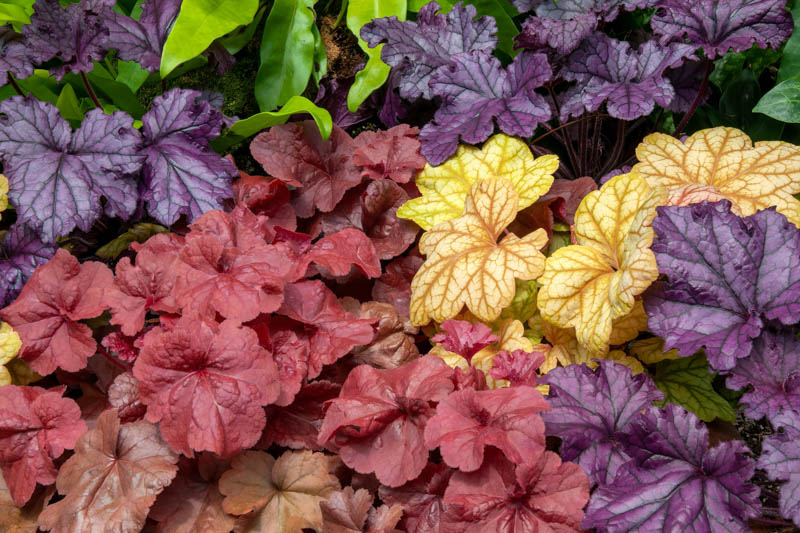
Evergreen Container Gardening
Evergreen shrubs, colorful heucheras, graceful grasses, and architectural foliage can keep patio containers looking beautiful long after summer flowers have disappeared. But growing long-lived plants in pots brings a few challenges. Why do evergreen leaves turn brown in winter? When should a Japanese maple be repotted? And how do you prevent a beautiful foliage arrangement from becoming overcrowded? Whether you’re planting your first evergreen container or caring for established patio specimens, discover practical advice on pot sizes, soil, watering, feeding, pruning, and winter protection to keep your plants healthy and attractive for years.
Learn How to Plant Evergreen Shrubs and Foliage Plants in Containers Successfully
Unlike seasonal flower pots, evergreen and foliage containers are often intended to remain attractive for several years. A successful planting needs enough root space, suitable drainage, and a growing medium that supports healthy growth without becoming compacted or waterlogged.
Seven steps to planting a long-lasting foliage container:
- Choose the right plant: Check its mature height, spread, hardiness, sunlight, moisture needs, and expected longevity in a container.
- Select a suitable pot: Provide adequate root space and choose a stable container, especially for evergreen shrubs or small trees.
- Check drainage: Use unobstructed drainage holes and avoid pots that trap water around the roots.
- Choose appropriate potting mix: Match aeration, drainage, moisture retention, and pH to the plant being grown.
- Plant at the correct depth: Maintain the appropriate position of the crown or root flare and avoid burying vulnerable stems.
- Water thoroughly: Moisten the root zone after planting, then monitor moisture during establishment.
- Allow room for growth: Arrange plants according to their mature dimensions rather than filling every gap immediately.
What is the best soil for evergreen container plants? Most require a well-aerated, well-drained container-growing medium. However, their requirements differ. Camellias generally need acidic potting mix, while many junipers and succulents prefer particularly free-draining conditions. Hostas and heucheras usually appreciate adequate moisture retention without waterlogging.
How large should a container for an evergreen shrub be? Choose a pot large enough for the existing root system, with reasonable room for new growth. A shrub intended to remain in a container for years needs more space than a seasonal annual. However, excessively large pots can remain wet too long if the plant’s roots occupy only a small portion of the growing medium.
Should you put gravel in the bottom of pots? Generally, no. A gravel layer does not solve drainage problems and reduces the volume of growing medium available to the roots. Proper drainage holes and suitable potting mix are more effective.
Can hostas and heucheras grow in the same container? Yes, when their growing conditions and mature dimensions are compatible. Both often appreciate partial shade and reasonably consistent moisture. A large hosta, however, can eventually overwhelm a smaller heuchera, so choose appropriately sized cultivars.
Can you combine evergreen shrubs with seasonal foliage plants? Absolutely. A compact evergreen shrub can provide structure, while colorful heucheras or seasonal foliage plants add contrast. Ensure that the companions do not crowd the shrub’s root system or require conflicting watering conditions.
When is the best time to plant evergreen patio containers? Spring and early fall are often suitable in temperate climates. Spring planting is particularly useful for less hardy evergreens because it allows roots to establish before winter. Avoid planting during severe heat, freezing weather, or waterlogged conditions.
How should you plant a Japanese maple in a pot? Choose an appropriately sized container with good drainage and a moisture-retentive but well-aerated growing medium. Position the root flare correctly, protect the roots from excessive summer heat, and avoid exposing the plant to persistent drying winds.
Gardenia’s planting advice: Think beyond the first season. A beautiful evergreen container should still have sufficient root space and appropriate growing conditions after several years, not simply look attractive immediately after planting.
Explore Gardenia’s Best Shrubs for Container Gardens, Growing Japanese Maples in Pots, and Camellias in Containers.
Discover How to Water, Feed, Prune, and Repot Evergreen and Foliage Container Plants
The most important difference between container plants and those growing in the ground is the restricted root environment. Pots dry out more quickly, nutrients gradually become depleted, and plants eventually outgrow their available space.
How often should you water evergreen containers? Check the moisture beneath the surface rather than watering on a fixed schedule. Sunlight, wind, temperature, container material, and plant size all influence how quickly a pot dries. Evergreen plants may continue losing moisture through their leaves during winter, even when growth is slow.
What is the best way to water foliage plants? Apply water slowly and thoroughly so it reaches the root zone. Allow excess water to drain away, and adjust frequency to the plant’s needs. Avoid keeping moisture-sensitive plants continually wet or allowing moisture-loving species to dry completely.
Do succulents need less water than other container plants? Generally, many succulents tolerate longer dry periods, but their requirements vary. Most dislike prolonged waterlogging, while certain species need more regular moisture during active growth. Use a suitable growing medium and adjust watering to season and temperature.
Should you fertilize evergreen shrubs in pots? Container-grown shrubs may benefit from occasional appropriate feeding because nutrients are gradually lost through watering. However, excessive fertilizer can damage roots or encourage weak growth. Choose a product suited to the species and avoid feeding automatically when soil fertility is already adequate.
How do you maintain colorful heucheras? Remove damaged or deteriorating leaves when appropriate, maintain suitable soil moisture, and keep the crown from becoming buried. Heucheras may gradually develop raised, woody crowns as they age and sometimes benefit from division or replanting.
How should you care for ornamental grasses in containers? Provide adequate drainage and sunlight appropriate to the species. Some grasses benefit from seasonal removal of dead foliage, while evergreen or semi-evergreen grasses are generally tidied rather than cut completely to the ground. Avoid using the same pruning method for every grass.
When should you prune boxwood in a container? Light shaping can maintain a rounded or formal outline, but timing depends on climate and plant health. Avoid severe pruning immediately before damaging frost or during periods of significant stress. Inspect for disease before cutting.
How do you prune a Japanese maple growing in a pot? Usually, very little pruning is necessary. Remove dead, damaged, or crossing branches when appropriate and preserve the tree’s natural branching structure. Avoid shearing its foliage into an artificial shape. Read Gardenia’s Japanese Maple Pruning Guide.
When should foliage plants be repotted? Repot when roots become excessively crowded, water runs through without adequately moistening the growing medium, or growth declines despite suitable care. Select a modestly larger pot and refresh exhausted growing medium.
Can you keep an established shrub in the same pot? Sometimes. Long-term container specimens may be maintained through careful root management, suitable pruning, and periodic replacement of growing medium. The technique depends on species and plant health, and is not equally suitable for every shrub.
Why is my hosta becoming too large for its container? Hostas gradually increase in width as their crowns develop. A vigorous cultivar can eventually become root-bound. Divide suitable plants or move them to larger pots when necessary.
How do you keep foliage plants looking attractive through summer? Protect moisture-sensitive plants from excessive heat, provide appropriate watering, and remove damaged foliage. Plants with delicate or variegated leaves may benefit from afternoon shade in hot climates.
Gardenia’s maintenance tip: Match care to plant type. A blue juniper, a hosta, and a heuchera may all look beautiful in patio containers, but their water, sunlight, pruning, and winter requirements are not identical.
Read Gardenia’s Japanese Maple Care Guide, Succulent Care and Common Mistakes, and Camellia Container Care.
Protect Evergreen Containers Through Winter and Solve Brown Leaves, Root Problems, and Seasonal Damage
Winter can be particularly challenging for evergreen plants in pots. Roots are exposed to colder temperatures than they would experience in the ground, while evergreen leaves may continue losing moisture during periods when frozen roots cannot replace it.
Can evergreen shrubs survive winter outdoors in containers? Yes, if they are sufficiently hardy for the local climate and protected where necessary. However, a plant rated hardy in the ground may suffer damage in a pot because its roots are less insulated.
How do you protect evergreen pots from frost? Move portable containers to a sheltered location, insulate vulnerable pots where appropriate, and avoid allowing roots to remain waterlogged. Protect tender plants in suitable frost-free accommodation when necessary.
Should evergreen container plants be watered in winter? Sometimes. Evergreen foliage can continue losing moisture during mild or windy winter weather. Check the root zone during frost-free periods and water when needed, without leaving the growing medium saturated.
Why are my evergreen container leaves turning brown? Possible causes include winter desiccation, frost injury, drought, waterlogged roots, excessive fertilizer salts, or disease. Examine the location and growing conditions before removing growth or applying treatments.
Why is my boxwood turning bronze in winter? Some boxwoods develop bronze or reddish foliage during cold weather, especially in exposed locations. This may be a seasonal response, but extensive browning or branch dieback requires investigation.
Why are my heuchera leaves damaged after winter? Cold winds, frost, excessive wetness, and natural aging can damage foliage. The crown may still be healthy and capable of producing fresh spring growth. Remove deteriorated leaves when conditions improve and check for frost heaving.
Do hostas need winter protection in pots? Hostas are deciduous perennials that naturally die back to dormant crowns. Their main winter vulnerability in containers is root-zone freezing or excessive wetness, not loss of foliage. Choose appropriately hardy varieties and provide protection where needed.
Can Japanese maples survive in outdoor pots during winter? Many can, depending on cultivar, climate, and root protection. Their branches may be hardy while their exposed container roots remain vulnerable. Position pots away from severe drying winds and protect roots during prolonged freezing weather.
Why are my juniper needles turning brown? Browning may result from winter burn, drought, poor drainage, root damage, pests, or disease. Check whether affected growth is localized or widespread and assess environmental conditions before assuming a particular cause.
How do you prevent root rot in evergreen containers? Use appropriate potting mix, unobstructed drainage holes, and sensible watering. Do not leave ordinary containers standing in stagnant water, particularly during cool periods when plants use less moisture.
What should you do with frost-tender succulents? Move them to suitable protected conditions before damaging freezes. Provide the light, temperature, and reduced watering appropriate to the species during winter dormancy or slower growth.
How do you refresh evergreen containers in spring? Remove damaged growth, inspect roots and drainage, replenish growing medium when necessary, and repot plants that have outgrown their containers. Check perennial crowns and avoid removing healthy new shoots.
Gardenia’s final growing advice: The secret to long-lasting foliage containers is healthy roots and appropriate seasonal care. Choose suitably hardy plants, use well-drained growing media, and protect exposed roots when necessary. An attractive evergreen container should remain healthy as well as beautiful.
Explore Gardenia’s Winter Care for Container Camellias, Japanese Maples in Containers, and How Often to Water Succulents.