Center Stage Pink Crape Myrtle, Center Stage Pink Crepe Myrtle, Center Stage Pink Crapemyrtle, Center Stage Series Pink Crape Myrtle, Pink Crape Myrtle, Pink Crepe Myrtle, Crape Myrtle, Crepe Myrtle, Crapemyrtle, Lagerstroemia indica Center Stage Pink, Lagerstroemia indica 'SMNLIG', Lagerstroemia 'SMNLIG'
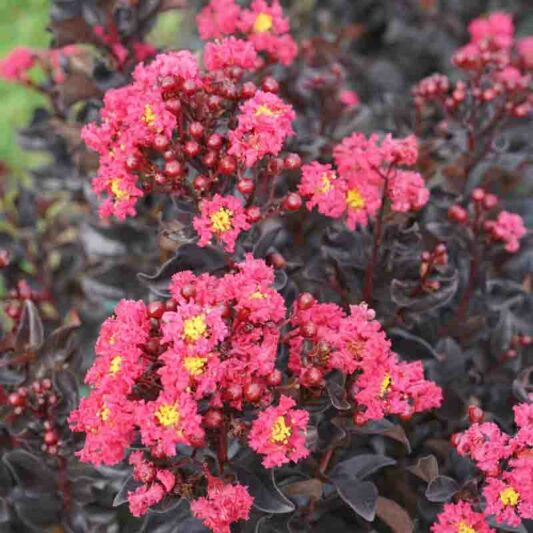
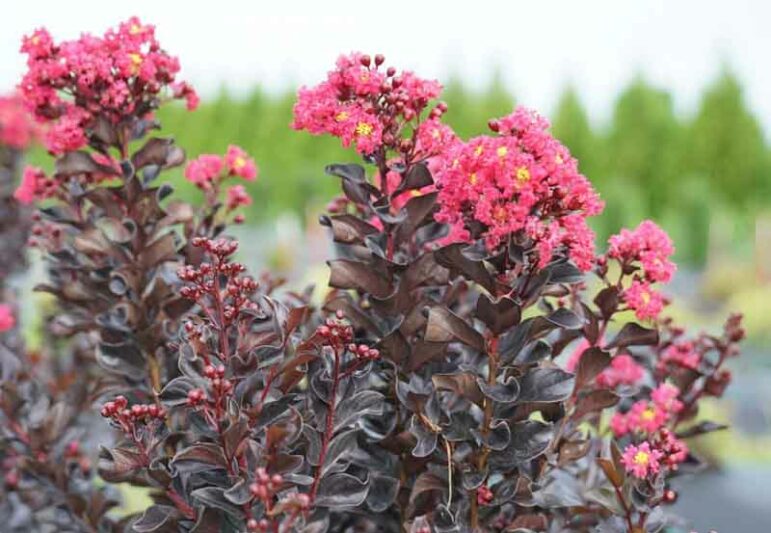


Lagerstroemia Center Stage® Pink is a versatile and visually appealing cultivar, offering vibrant blooms, striking foliage, and a compact growth habit. Its ease of care and adaptability make it a popular choice for gardeners and landscape designers looking for a plant that provides long-lasting color and interest.
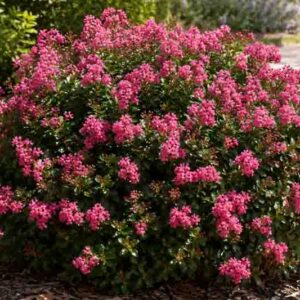
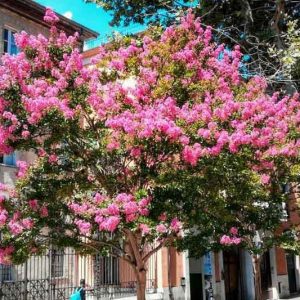
Lagerstroemia Center Stage® Pink, a part of the Center Stage series, is a stunning cultivar known for its vibrant blooms and striking foliage. As a deciduous shrub or small tree, it exhibits a compact, rounded habit, making it an attractive choice for a variety of landscape settings.
Native: This cultivar belongs to the Lagerstroemia indica species, originally from the temperate and tropical regions of Asia. It has undergone extensive breeding and cultivation globally, primarily for its decorative appeal.
Plant Type and Habit: It’s a deciduous shrub or small tree, known for its upright habit, creating a full, rounded shape as it matures.
Size: Typically, it reaches a height of about 6-12 feet (1.8 to 3.6 m) and 8 feet (2.4 m) in spread.
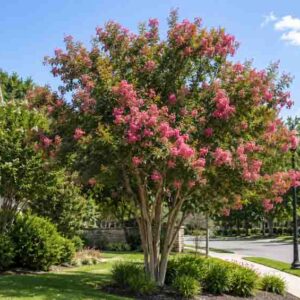
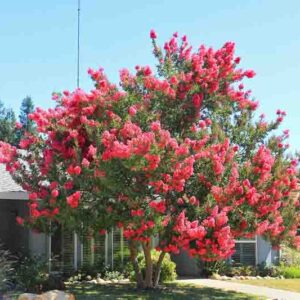
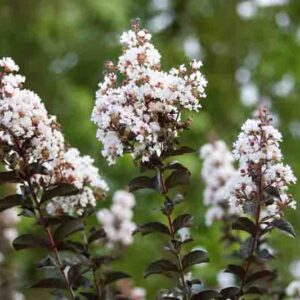
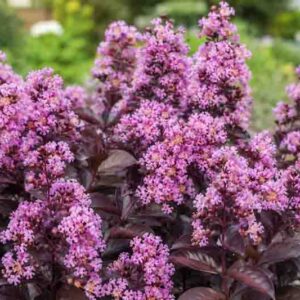
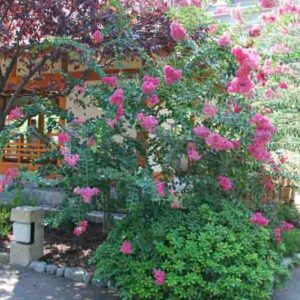
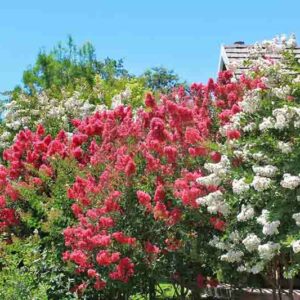
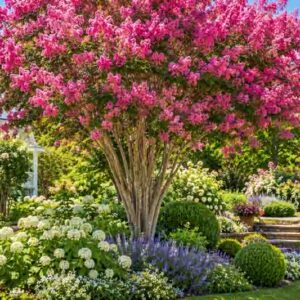
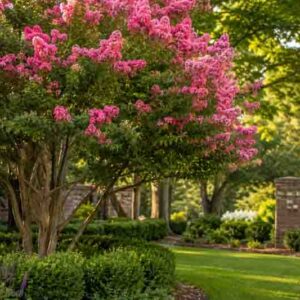
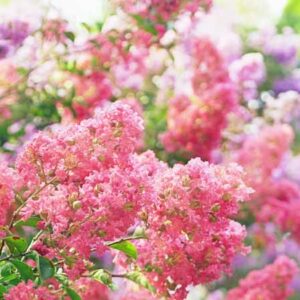
Flowers: The hallmark of this cultivar is its brilliant pink flowers. These blooms are large, showy, and create a striking contrast against the foliage. They cluster in panicles and are a visual delight throughout the blooming season.
Bloom Time: It flowers in mid to late summer, providing a colorful display during these warmer months.
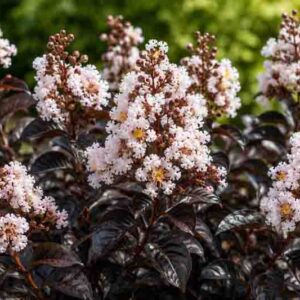
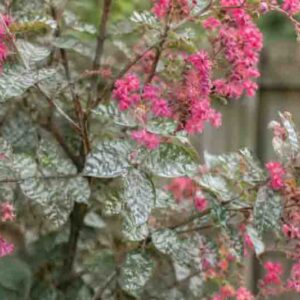
Foliage: The foliage is another striking feature, with leaves that emerge a deep burgundy color and mature to a dark, almost black hue. This foliage provides a dramatic backdrop for the bright flowers and maintains visual interest even when the plant is not in bloom.
Bark: This Crape Myrtle has an exfoliating bark that reveals a smooth, mottled surface beneath. This characteristic adds winter interest and textural contrast to the landscape.
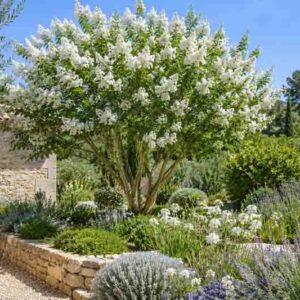
Uses: Ideal for use as a specimen plant, in mixed borders, or as a colorful addition to urban gardens.
Hardiness: It’s hardy in USDA zones 6-10, tolerating a range of temperatures once established.
Toxicity: Cape Myrtle is generally not considered toxic to humans or pets, making it a safe choice for family gardens.
Wildlife: The flowers attract and provide nectar and pollen to many important pollinating bees, making crape myrtle a valuable addition to gardens.
Deer and Rabbit: Crape Myrtle is seldom severely damaged by deer.
Drought: Crape Myrtle is known for its excellent drought tolerance once established.
Invasiveness: Lagerstroemia indica has become naturalized and invasive in many tropical and subtropical regions of the world. Find where it is invasive in the United States. Discover Native Plant Alternatives to Crape Myrtle.
Light: Thrives in full sun, needing at least 6 hours of direct sunlight daily for optimal growth and blooming.
Soil: Prefers well-drained soil; tolerates a variety of soil types but flourishes in slightly acidic to neutral pH.
Watering: Regular watering is essential for young plants. Mature crape myrtle is drought-tolerant but benefits from deep watering during prolonged dry spells.
Fertilizing: Apply a balanced, slow-release fertilizer in early spring to encourage healthy growth and flowering.
Pruning: Prune in late winter or early spring before new growth starts. Remove dead or crossing branches and shape as needed. Avoid heavy pruning to maintain natural form.
Propagation: Can be propagated from softwood cuttings in early summer.
Pests and Diseases: Watch for aphids, sooty mold, crapemyrtle bark scale, cercospora leaf spot, powdery mildew, Japanese beetles, iron chlorosis, and winter injury.
| Hardiness |
6 - 10 |
|---|---|
| Heat Zones |
7 - 9 |
| Climate Zones | 7, 8, 9, 10, 12, 13, 14, 15, 18, 19, 20, 21, H1, H2 |
| Plant Type | Shrubs, Trees |
| Plant Family | Lythraceae |
| Genus | Lagerstroemia |
| Common names | Crepe Myrtle |
| Exposure | Full Sun |
| Season of Interest | Summer (Mid, Late), Fall |
| Height | 6' - 12' (180cm - 3.7m) |
| Spread | 8' (240cm) |
| Spacing | 96" (240cm) |
| Maintenance | Low |
| Water Needs | Average |
| Soil Type | Chalk, Loam, Sand |
| Soil pH | Acid, Neutral |
| Soil Drainage | Well-Drained |
| Characteristics | Showy |
| Tolerances | Drought, Deer, Clay Soil, Heat |
| Attracts | Bees, Birds |
| Garden Uses | Beds And Borders, Hedges And Screens |
| Garden Styles | City and Courtyard, Informal and Cottage, Mediterranean Garden, Pollinator Garden |
| Toxic to Humans | No known toxicity |
| Toxic to Cats | Not toxic |
| Toxic to Dogs | Not toxic |
| Toxic to Horses | Not toxic |


| Hardiness |
6 - 10 |
|---|---|
| Heat Zones |
7 - 9 |
| Climate Zones | 7, 8, 9, 10, 12, 13, 14, 15, 18, 19, 20, 21, H1, H2 |
| Plant Type | Shrubs, Trees |
| Plant Family | Lythraceae |
| Genus | Lagerstroemia |
| Common names | Crepe Myrtle |
| Exposure | Full Sun |
| Season of Interest | Summer (Mid, Late), Fall |
| Height | 6' - 12' (180cm - 3.7m) |
| Spread | 8' (240cm) |
| Spacing | 96" (240cm) |
| Maintenance | Low |
| Water Needs | Average |
| Soil Type | Chalk, Loam, Sand |
| Soil pH | Acid, Neutral |
| Soil Drainage | Well-Drained |
| Characteristics | Showy |
| Tolerances | Drought, Deer, Clay Soil, Heat |
| Attracts | Bees, Birds |
| Garden Uses | Beds And Borders, Hedges And Screens |
| Garden Styles | City and Courtyard, Informal and Cottage, Mediterranean Garden, Pollinator Garden |
| Toxic to Humans | No known toxicity |
| Toxic to Cats | Not toxic |
| Toxic to Dogs | Not toxic |
| Toxic to Horses | Not toxic |
How many Lagerstroemia Center Stage® Pink (Crape Myrtle) do I need for my garden?
| Plant | Quantity | |
|---|---|---|
| Lagerstroemia Center Stage® Pink (Crape Myrtle) | N/A | Buy Plants |
Create a membership account to save your garden designs and to view them on any device.
Becoming a contributing member of Gardenia is easy and can be done in just a few minutes. If you provide us with your name, email address and the payment of a modest $25 annual membership fee, you will become a full member, enabling you to design and save up to 25 of your garden design ideas.
Join now and start creating your dream garden!
Create a membership account to save your garden designs and to view them on any device.
Becoming a contributing member of Gardenia is easy and can be done in just a few minutes. If you provide us with your name, email address and the payment of a modest $25 annual membership fee, you will become a full member, enabling you to design and save up to 25 of your garden design ideas.
Join now and start creating your dream garden!