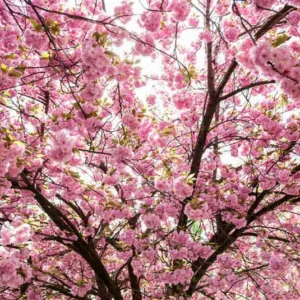
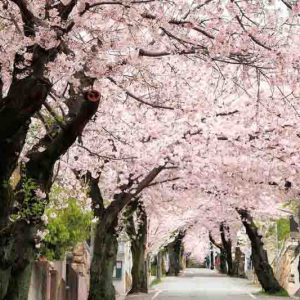
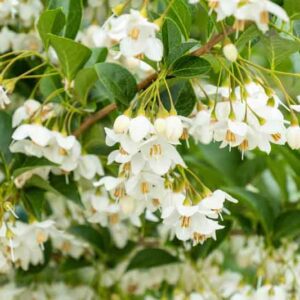
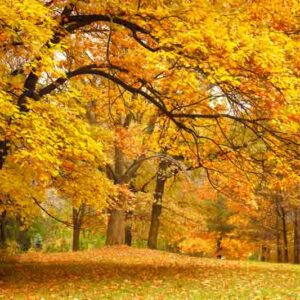
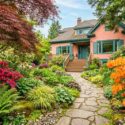
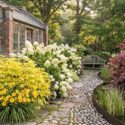
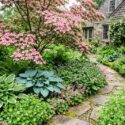
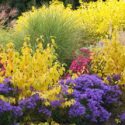
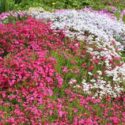
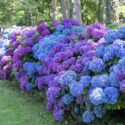
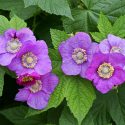
Discover the beauty of flowering trees like the elegant Magnolia, vibrant Dogwood, lush Crepe Myrtle, and stunning Jacaranda, perfect for adding color and charm to any garden or landscape.


Flowering trees can completely change the character of a garden. They add height, structure, seasonal color, and often fragrance, while creating a strong focal point that smaller plants cannot match. From spring-flowering cherries and crabapples to summer-blooming magnolias and crape myrtles, the right tree can become one of the most memorable features in the landscape.
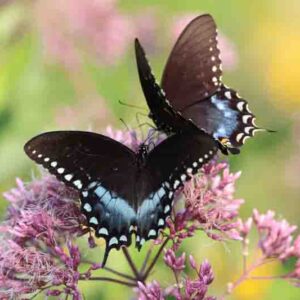
Many flowering trees also provide valuable resources for wildlife. Their blossoms can attract bees and butterflies, while branches, foliage, and fruit may offer food or shelter for birds and other garden wildlife.
The best flowering tree is not simply the one with the most spectacular blooms. It also needs to suit your climate, available space, sunlight, soil, and moisture conditions. Mature size is especially important: a tree that looks compact at the nursery can eventually overwhelm a small garden or grow too close to buildings, paths, or utility lines.
Bloom time is another useful consideration. Some trees create an unforgettable display for a few weeks in spring, while others flower later in the season or over a longer period. Combining trees with different bloom times can extend seasonal interest throughout the garden.
Look beyond the flowers, too. Many flowering trees provide additional beauty through attractive bark, spectacular fall foliage, or colorful fruits and berries, giving the garden interest well beyond flowering season.
Before planting, consider how the tree will fit into the landscape at maturity—its height, canopy spread, root space, and relationship with nearby plants and structures. Choosing carefully at the start can prevent crowding and maintenance problems later.
Here are 35 outstanding flowering trees to consider, from compact choices for smaller gardens to dramatic specimens for larger landscapes.
| Plant Type | Trees |
|---|---|
| Genus | Acer, Amelanchier, Cercis, Cornus, Crataegus, Lagerstroemia, Magnolia, Malus - Crab Apple, Prunus - Flowering Cherry Tree |
| Characteristics | Showy |






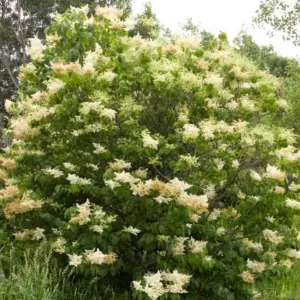
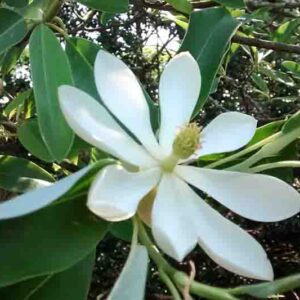


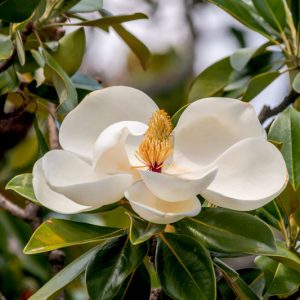


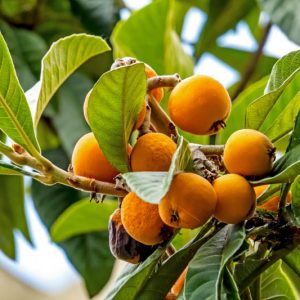


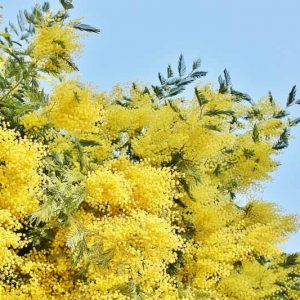




Choosing and buying a flowering tree involves several key considerations to ensure that it complements your garden and thrives in its new environment. Here are some steps to guide you through the process:

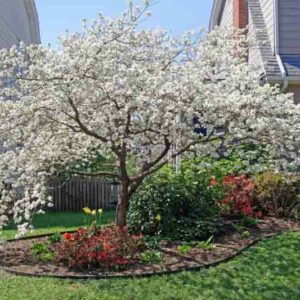
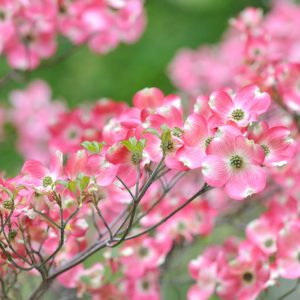
Flowering Dogwood (Cornus florida)
What is the most beautiful flowering tree?
The “most beautiful” flowering tree is subjective and can vary based on personal preference and regional characteristics. However, the Magnolia, particularly the Saucer Magnolia (Magnolia x soulangeana) with its large, cup-shaped flowers that come in shades of pink, white, and purple, is often considered one of the most stunning due to its impressive blooms and graceful appearance.
What is the easiest flowering tree to grow?
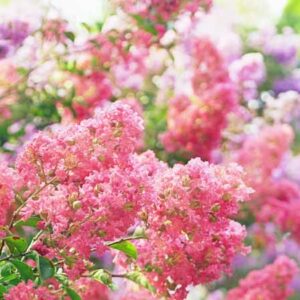
The Crape Myrtle (Lagerstroemia) is known to be one of the easiest flowering trees to grow. It’s highly adaptable, drought-resistant, and offers a long blooming period throughout the summer with minimal maintenance requirements. It thrives in warm climates and comes in a variety of colors, making it a popular choice for gardeners seeking low-effort, high-impact trees.
What flowering tree has the longest lasting blooms?
The Southern Magnolia (Magnolia grandiflora) is known for having some of the longest-lasting blooms. Its large, fragrant, white flowers can last for up to 6 months, blooming from spring through summer, depending on the climate and conditions. This evergreen tree adds year-round beauty to landscapes with its glossy green leaves and striking flowers.
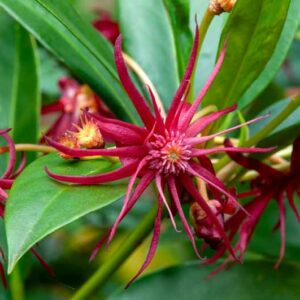

| Plant Type | Trees |
|---|---|
| Genus | Acer, Amelanchier, Cercis, Cornus, Crataegus, Lagerstroemia, Magnolia, Malus - Crab Apple, Prunus - Flowering Cherry Tree |
| Characteristics | Showy |
Create a membership account to save your garden designs and to view them on any device.
Becoming a contributing member of Gardenia is easy and can be done in just a few minutes. If you provide us with your name, email address and the payment of a modest $25 annual membership fee, you will become a full member, enabling you to design and save up to 25 of your garden design ideas.
Join now and start creating your dream garden!