Grow a lush Indiana garden with our zone 5b–7a guide. Learn your updated USDA zone, key frost dates, and the best vegetables, fruits, flowers, and native plants to choose so every Hoosier backyard, balcony, or homestead can thrive from early spring through hard frost with simple, proven, beginner-friendly tips inside.


Gardening in Indiana can mean anything from breezy Lake Michigan borders near Gary and Michigan City to backyard tomatoes in Indianapolis and long, warm seasons along the Ohio River near Evansville. According to the 2023 USDA Plant Hardiness Zone Map, Indiana planting zones fall within a moderate band of zones 5b through 7a, with most gardeners now in zones 6a–6b and the warmest southern border mapped as zone 7a.
This guide will help you understand your Indiana growing zone, read the USDA map, time your planting around frost dates, and choose the best plants for your corner of the Hoosier State.
Indiana stretches from the cool lake-effect climate of the far northwest to the milder Ohio River valley in the south. That north–south shift in winter lows is reflected in the state’s USDA hardiness zones. Based on the 2023 map, Indiana ranges from zone 5b to zone 7a. The state is now largely a zone 6 state (both 6a and 6b), with small 5b pockets in the northwest and 7a strips along the southern border.
The USDA Plant Hardiness Zone Map for Indiana shows how average winter lows change from the cooler northwest and northern counties to the milder central and southern regions. These zones are based on 30-year averages of annual minimum temperatures (1991–2020) and are the standard reference for choosing trees, shrubs, and perennials that can survive your local winter.
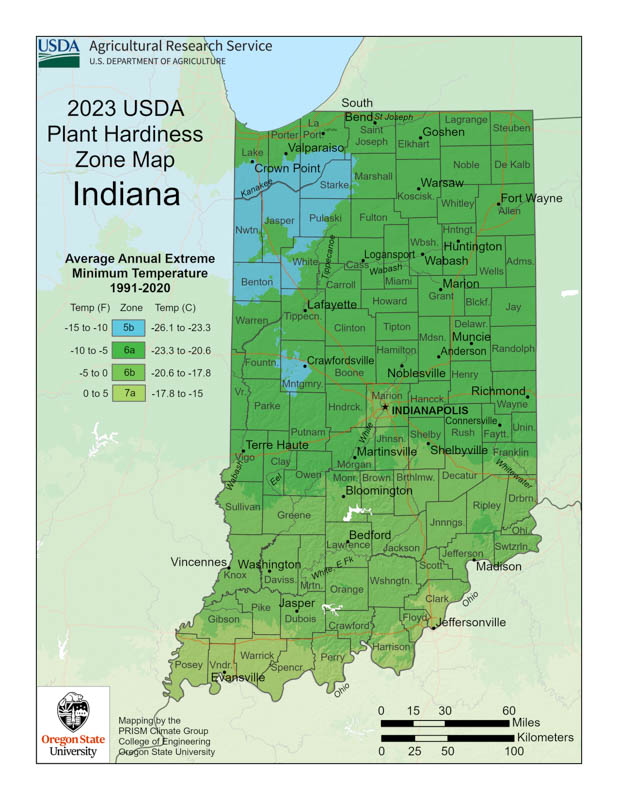
A simplified Indiana planting zone map based on the USDA 2023 Hardiness Zone Map.
Use the map together with your ZIP code to pinpoint your exact Indiana garden zone. Look up your Indiana planting zone by ZIP code using the USDA tool, then come back here or visit our Plant Finder for plants tailored to your zone and site conditions.
Although Indiana planting zones officially span 5b–7a, local factors such as lake-effect winds, river bottoms, hills, and city pavement create countless microclimates. Thinking in terms of regions makes it easier to match plants to your climate—and your gardening style.
This region includes Gary, Hammond, Michigan City, Crown Point, and other Lake Michigan communities. Lake-effect weather and open, windy exposures can mean colder winter lows and late spring frosts, especially in rural and low-lying areas. Summers are still warm, but the slightly shorter season favors hardy perennials and cool-season crops in spring and fall.
From South Bend and Elkhart across to Fort Wayne and down through Lafayette and Kokomo, northern Indiana is now mostly zone 6a–6b, with only small remnants of 5b remaining. This gives gardeners a generous frost-free window for cool-season greens, summer vegetables, and cold-hardy fruit trees.
Think Indianapolis, Carmel, Fishers, Noblesville, Greenwood, and surrounding communities. Central Indiana offers a classic Midwest climate: cold winters, warm-to-hot summers, and a reliable growing season long enough for nearly all common vegetables, small fruits, and ornamental landscapes.
Terre Haute, Crawfordsville, and nearby towns along the Wabash River sit mainly in zone 6a–6b. Warm summers and relatively mild winters make this a great region for long-season crops such as tomatoes, peppers, sweet corn, and grapes, along with hardy landscaping trees and shrubs.
From Bloomington and Columbus down through New Albany, Jeffersonville, and Evansville, Indiana feels almost “southern.” Winters are comparatively mild, springs come early, and the growing season is long—perfect for heat-loving vegetables, fruits, and exuberant flower gardens, especially on south-facing slopes and in sheltered hollows. The updated map shows zone 7a now appearing along parts of the southern border.
In a state that ranges from lake-effect snow near South Bend to long, warm falls near Evansville, frost dates are your best planning tool. Whether you’re gardening in a breezy yard outside Fort Wayne or on a sheltered southern slope near Bloomington, your average last and first frosts determine when it’s safe to plant tender crops and when you should be ready with covers in fall.
Across Indiana, last spring frosts typically range from late April to mid-May, and first fall frosts usually arrive from late September in the north to mid–late October in the south, depending on latitude, elevation, and proximity to big water bodies.
| Region / City | Average Last Spring Frost | Average First Fall Frost | Approx. Frost-Free Days |
|---|---|---|---|
| Fort Wayne (NE Indiana) | Early–Mid May (around May 1–15) | Late September–Mid October (around Sep 25–Oct 10) | ~155–175 days |
| South Bend (North / Lake Region) | Early–Mid May (around May 1–10) | Early–Mid October (around Oct 5–15) | ~160–175 days |
| Indianapolis (Central Indiana) | Late April–Early May (Apr 21–May 9) | Early–Mid October (around Oct 7–20) | ~165–185 days |
| Terre Haute (Wabash Valley) | Late April–Early May (Apr 21–May 5) | Early–Mid October (around Oct 5–15) | ~165–180 days |
| Evansville (SW IN / Ohio River) | Mid–Late April (Apr 11–23) | Mid–Late October (around Oct 12–25) | ~175–195 days |
| Bloomington (South-Central Hills) | Mid–Late April (around Apr 11–25) | Mid–Late October (around Oct 15–25) | ~175–190 days |
Dates summarized from regional climate and frost-date tools; always check a local forecast and ZIP-code–based lookup for the most precise information for your garden.
Use these frost dates as a planning guide—your yard may be warmer or cooler depending on elevation, slope, wind, surrounding pavement, nearby water, and building heat. They’re long-term averages, not guarantees, so keep an eye on the forecast during spring and fall cold snaps.
Once you know your Indiana planting zone, you can lean into your region’s strengths—whether that’s a slightly cooler season in the north or the longer, warmer summers along the Ohio River. Focus on cold-hardy staples in zone 5b and a wide range of heat-loving crops and ornamentals in zones 6a–6b, with the warmest 7a pockets behaving like a mild extension of zone 6b. Always choose perennials rated to your specific hardiness zone.
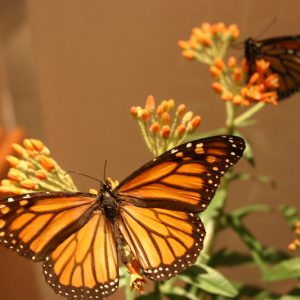
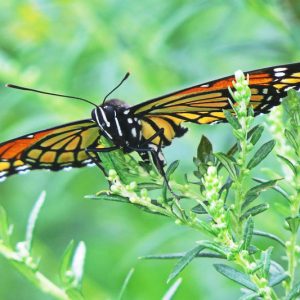
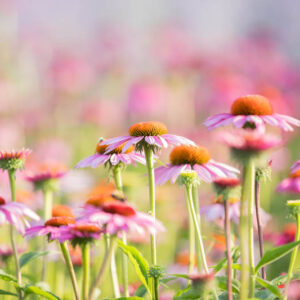
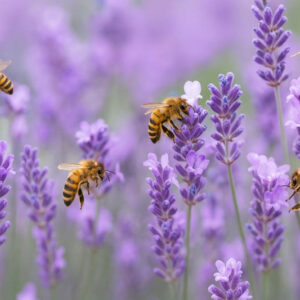
Indiana native plants are perfectly tuned to local soils, moisture, and winter cold. Mix native wildflowers, grasses, shrubs, and trees for a low-maintenance, wildlife-friendly landscape that supports pollinators, songbirds, and beneficial insects.
Browse curated lists like great pollinator plants for Indiana and other pollinator- and bird-friendly plant collections to build a garden that buzzes and flutters from spring through frost.
Tap a month to see what to plant in Indiana by zone. Use these quick guides as a starting point—then adjust for your exact frost dates and whether you garden on a windy ridge, shaded city courtyard, or sheltered southern slope.
Indiana gardeners juggle lake-effect snow, spring thunderstorms, humid summers, and the occasional drought. These tips help your plants thrive from zone 5b to 7a:
Now that you understand your Indiana planting zone, frost dates, and regional climate, you’re ready to choose plants that love your conditions and create a thriving Hoosier State garden. Mix edible crops, flowering perennials, and native plants for a landscape that feeds both your household and local wildlife. Want to compare Indiana to other states? Visit our national USDA planting zone guide to explore growing zones across the United States.
With the 2023 USDA update, Indiana spans hardiness zones 5b to 7a, based on average annual minimum winter temperatures. Most of the state is now zone 6 (6a–6b), with colder 5b pockets in the northwest and warmer 7a areas along the southern border.
Southern Indiana and the Ohio River valley, including cities like Evansville, New Albany, and Jeffersonville, are generally the warmest. These communities fall in zones 6b–7a and enjoy some of the longest frost-free seasons in the state, ideal for heat-loving vegetables, long-season fruits, and tender ornamentals.
Average last spring frosts range from mid–late April in southern cities like Evansville and Bloomington to early–mid May in northern locations such as Fort Wayne and South Bend. Central Indiana, including Indianapolis, typically sees its last frost from late April into early May. Always confirm with a ZIP-code–based frost tool and local forecasts before planting tender crops.
Northern Indiana often receives its first fall frost between late September and mid-October, while central areas like Indianapolis usually frost in early–mid October. Southern and Ohio River locations may not see frost until mid–late October, occasionally even later in mild years. These are averages, so check local forecasts each fall.
Indiana’s 5b–7a zones support a wide variety of crops. Cool-season favorites like lettuce, spinach, peas, broccoli, and cabbage thrive in spring and fall. Warm-season staples such as tomatoes, peppers, squash, cucumbers, beans, and sweet corn perform well across the state. In the warmest southern and urban pockets, you can also grow okra and sweet potatoes reliably most years.
Across most of Indiana, cold-hardy apples, pears, tart cherries, and many plums are dependable producers when planted in full sun and well-drained soil. In warmer 6b–7a sites, particularly in southern Indiana, gardeners can also grow peaches and some sweet cherries if they choose varieties suited to local chill hours and protect blossoms from late frosts.
Yes, with care. In protected microclimates in zones 6b–7a—such as south-facing walls in southern or urban areas—cold-hardy fig varieties, American persimmons, and select pomegranates may survive and fruit. Plant them in the warmest, best-drained spot you have, mulch well, and be prepared to protect them during unusually cold winters.
The quickest method is to use the USDA’s interactive Plant Hardiness Zone Map. Enter your ZIP code or click directly on your location to see the zone based on 30-year average minimum winter temperatures. Several Indiana-specific tools and maps also let you look up your zone by city or ZIP for even more detail.
Yes. Hardiness zones only describe typical winter lows. A windy, exposed field, shaded low spot, or heat-reflecting city courtyard can behave as if it’s a half-zone colder or warmer. Use the USDA zone as a baseline, then adjust plant choices and protection strategies based on how your specific site warms up in spring, holds heat, or traps frost.
Updated: December 2025 • Reviewed by Gardenia Editors
| Hardiness |
5 - 7 |
|---|---|
| Native Plants | United States, Indiana, Midwest |
Create a membership account to save your garden designs and to view them on any device.
Becoming a contributing member of Gardenia is easy and can be done in just a few minutes. If you provide us with your name, email address and the payment of a modest $25 annual membership fee, you will become a full member, enabling you to design and save up to 25 of your garden design ideas.
Join now and start creating your dream garden!
Create a membership account to save your garden designs and to view them on any device.
Becoming a contributing member of Gardenia is easy and can be done in just a few minutes. If you provide us with your name, email address and the payment of a modest $25 annual membership fee, you will become a full member, enabling you to design and save up to 25 of your garden design ideas.
Join now and start creating your dream garden!