Is something attacking your lilac? Learn how to identify lilac borers, oystershell scale, thrips, and lilac leafminers by the damage they leave behind. Discover which pests cause branch dieback, pale leaves, brown mines, or crusty bark - and when pruning, monitoring, natural controls, or targeted treatment makes sense.



A lilac can look perfectly healthy in spring, flower beautifully, and then develop wilted stems, yellow leaves, brown blotches, curled foliage, or crusty growth on its bark. The obvious assumption is often disease.
Sometimes the real problem is an insect.
Lilacs (Syringa) can be affected by several insect pests, including lilac/ash borer, oystershell scale, lilac leafminer, thrips, caterpillars, and occasional other sap-feeding or chewing insects. Most healthy lilacs never suffer serious damage from all of these at once, and many insect problems remain largely cosmetic.
Others are much more important.
A lilac borer tunneling inside a major stem can cause an entire branch to wilt and die. A heavy oystershell scale infestation can encrust bark and contribute to twig or branch decline. Lilac leafminers can turn summer foliage brown and crumpled while leaving the plant structurally sound. Thrips may cause subtle flecking or discoloration that is easy to confuse with other leaf problems.
The key is to diagnose where the feeding is occurring and what physical evidence the pest leaves behind before reaching for an insecticide.
Before trying to name the insect, answer four questions:
Gardenia’s diagnostic rule: Identify the feeding site before choosing the treatment. A product that reaches an exposed crawler may do little against a larva already tunneling inside wood or sealed between the surfaces of a leaf.
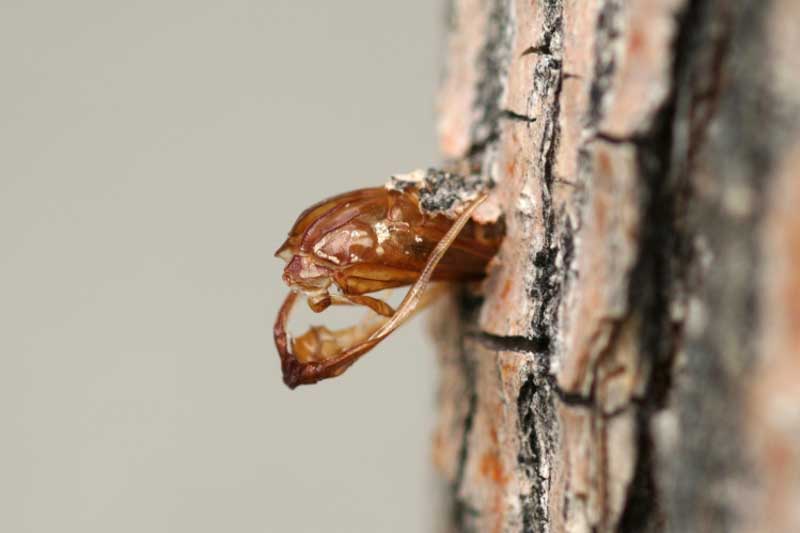
The lilac/ash borer (Podosesia syringae) is one of the most important stem-boring insects associated with lilacs.
Despite its wasp-like appearance, the adult is a clearwing moth. The damaging stage is the caterpillar. After hatching on the bark, larvae tunnel beneath the surface and feed in living stem tissues before penetrating more deeply into the wood.
This feeding can disrupt the movement of water and nutrients through the branch, causing foliage above the injured area to wilt, brown, or die.
Inspect large stems carefully, especially near the base. Useful clues include:
Exit holes are typically circular and may be around 1/4 in. across. On lilacs, they are often found low on larger basal stems.
Do not diagnose wilt from the leaves alone. A borer-damaged branch can resemble Verticillium wilt or another vascular problem. Before assuming disease, inspect the entire affected stem for holes, frass, swelling, or pupal cases.
This distinction is important enough that Gardenia’s Lilac Diseases: What’s Wrong With My Lilac? guide separates borer injury from true wilt disease.
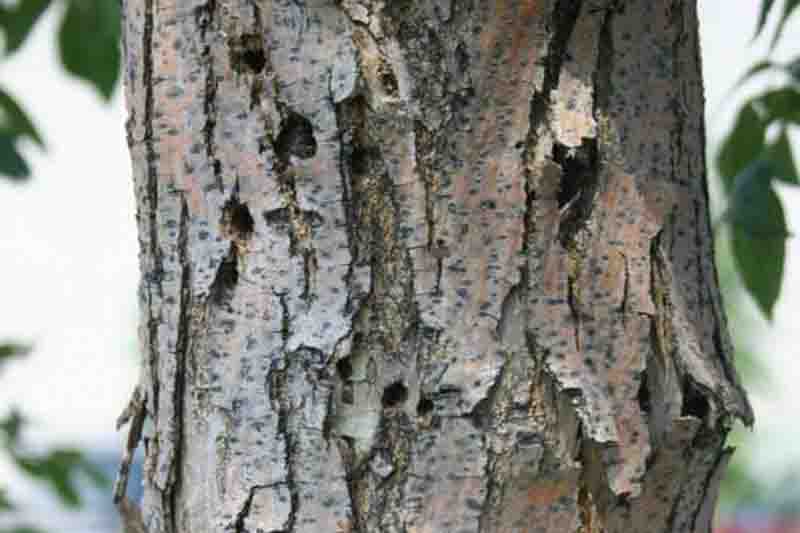
Once a borer larva is established deep inside a lilac stem, control becomes more difficult because the wood protects it.
Management therefore begins with the plant itself.
Adult emergence and egg hatch vary with geography, elevation, and spring weather. If treatment is warranted, use local Extension guidance, degree-day information, or pheromone monitoring rather than relying on a fixed calendar date.
Visible damage is often late evidence. Once the larva is deep inside the stem, a surface treatment may be too late. If chemical control is justified, timing should target adult activity, egg hatch, or newly hatched larvae before they become protected inside the wood.
If an older lilac has many aging stems but remains in a good location, renovation can sometimes improve both structure and plant vigor. See Gardenia’s How to Rejuvenate an Old Lilac Bush.
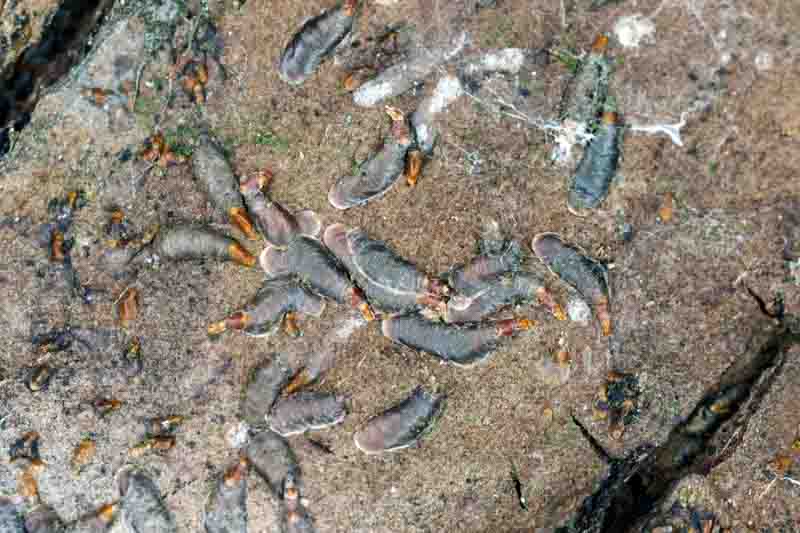
Oystershell scale (Lepidosaphes ulmi) is an armored scale insect and an important pest of lilacs and many other woody plants.
It is remarkably easy to miss.
Mature females are only about 1/8 in. long and are covered by elongated brown, gray, or purplish shells that resemble tiny oyster shells. Because their color blends into the bark, an infestation may be well established before the gardener realizes that the “texture” on a branch is actually hundreds of insects.
Light infestations may produce few obvious symptoms. Heavy populations can weaken individual stems substantially and, in severe cases, contribute to branch loss or broader decline.
Look at the bark, not just the leaves. When a lilac develops yellow, undersized foliage plus unexplained stem decline, inspect the bark with a hand lens before assuming the problem is nutritional or fungal.
Oystershell scale illustrates one of the most important principles in landscape pest control: the easiest life stage to see is not necessarily the easiest one to kill.
Mature scale insects are protected by their armored covering. Eggs overwinter beneath the female’s old shell. In spring, those eggs hatch into tiny pale-yellow mobile nymphs known as crawlers.
The crawler stage is brief but crucial. Newly hatched crawlers have not yet developed the protective waxy armor that later makes them difficult to reach with many contact treatments.
Crawler emergence varies with climate and spring temperatures, so monitoring is better than relying on a universal calendar date.
Start with the least disruptive approach appropriate for the infestation.
With protected pests such as armored scale, treat the vulnerable life stage, not merely the visible insect. The crawler is exposed and mobile; the mature female is protected beneath armor. Correct timing can matter more than choosing a stronger pesticide.
One complication is that old scale coverings may remain attached to the bark even after the insects beneath them have died. Do not assume every shell proves that a treatment failed. Scraping or examining a sample can help determine whether live insects remain.
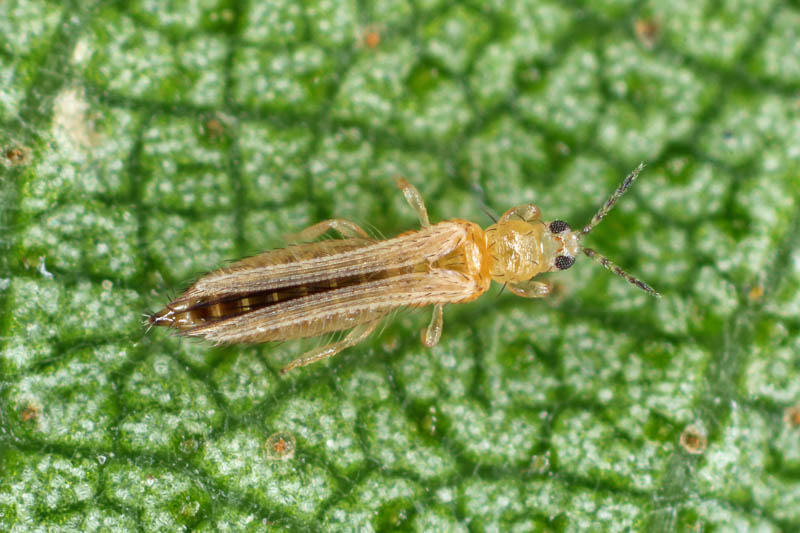
Thrips are tiny, slender insects that feed by damaging surface cells and removing their contents. Several thrips can occur on ornamental plants, and privet thrips (Dendrothrips ornatus) is documented on lilac as well as privet and ash.
Because thrips are so small, the feeding injury is often more obvious than the insects themselves.
Thrips feeding on woody ornamentals can produce symptoms such as the following; the exact pattern on lilac varies with species, population density, and when feeding occurs:
Use a hand lens and inspect leaf undersides. Thrips resemble extremely small, narrow slivers and may move quickly when disturbed.
Thrips clue: Fine pale flecking plus tiny slender insects suggests thrips. Large hollow blotches inside the leaf point instead toward leafminer.
Thrips on landscape lilacs often do not justify aggressive treatment.
Begin by confirming that thrips are actually present. Pale or distorted foliage can also result from mites, herbicide injury, environmental stress, or other causes.
Cosmetic damage is not automatically a treatment threshold. If a mature lilac is growing and flowering normally, a small amount of thrips feeding may be less damaging than an unnecessary insecticide treatment that disrupts beneficial insects.
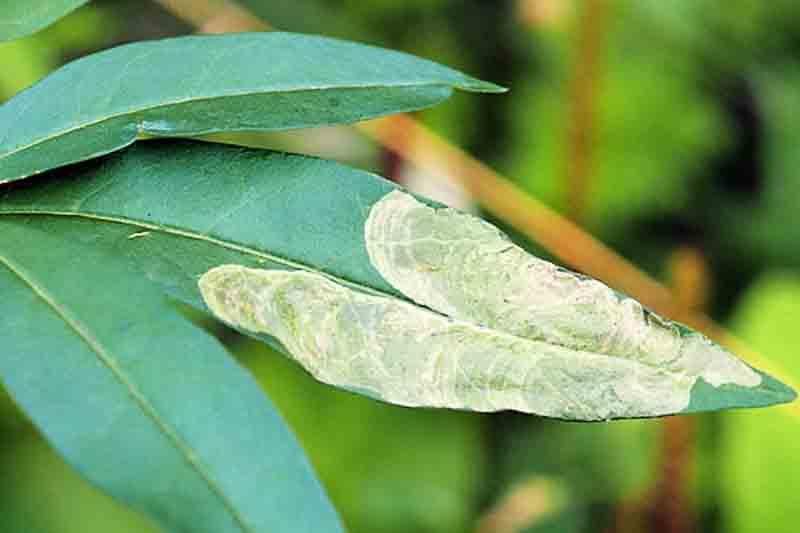
The lilac leafminer (Gracillaria syringella) is a small moth whose larvae feed inside lilac leaves.
That “inside” matters.
Young larvae tunnel between the upper and lower surfaces of the leaf, consuming internal tissue while leaving the outer layers largely intact. The resulting damaged areas enlarge into pale, tan, or brown blotches.
Later, the larvae can leave their mines, fold or roll parts of the leaf, and continue feeding on the leaf tissue.
There may be more than one generation in a growing season, so damage can become increasingly noticeable as summer progresses.
Leafminer or leaf spot? Pull apart a suspicious brown blotch. A leafminer creates a hollowed space between the leaf surfaces and you may find a larva or frass inside. Fungal or bacterial leaf spots kill tissue but do not create a feeding chamber within the leaf.
Lilac leafminer damage can look dramatic without seriously threatening an established shrub.
That makes diagnosis important, because gardeners sometimes mistake the brown foliage for blight and apply fungicides that cannot affect an insect feeding inside the leaf.
For light to moderate infestations:
Insecticide treatment is often unnecessary on mature landscape lilacs. If exceptionally heavy repeated damage warrants control, timing becomes important because larvae protected inside mature mines are difficult to reach. Follow local Extension recommendations and use only products labeled for the plant and pest.
Brown leaves do not automatically mean blight. Lilac leafminer can make foliage look scorched or diseased. Before applying a fungicide, check whether the brown area is actually a hollow mine.
Borers, oystershell scale, thrips, and leafminers are not the only insects that may appear on lilacs.
Depending on region and lilac species, other occasional pests can include caterpillars, additional scale insects, weevils, and other chewing or sap-feeding insects.
Do not treat every insect you see as harmful. Lilacs also support harmless insects and provide flowers visited by bees, butterflies, and other pollinators.
The presence of an insect on a shrub does not prove it caused the damage.
Do not ask only, “What insect is on my lilac?” Ask, “Does this insect produce the damage I am seeing?” A useful diagnosis connects the pest, the feeding site, and the symptom pattern.
This is where diagnosis often becomes difficult.
A lilac with dead branches can have borers, Verticillium wilt, root problems, physical injury, or drought stress. Brown foliage can come from leafminers, fungal leaf spots, bacterial blight, scorch, or severe weather. Yellow foliage can accompany scale infestations but also root decline and other site problems.
Use the location of the damage to narrow the possibilities.
| What You See | Check Next | Possible Direction |
|---|---|---|
| One stem wilts or dies | Holes, frass, swelling, pupal skin | Lilac/ash borer |
| Crusty bark plus yellow foliage | Tiny oyster-shell-shaped coverings | Oystershell scale |
| Pale flecking or distorted foliage | Tiny slender insects on leaves | Thrips |
| Brown papery blotches | Hollow mine inside the leaf | Lilac leafminer |
| White powder on leaf surface | Powdery fungal growth | Powdery mildew |
| Blackened young shoots after wet spring weather | Bud, shoot, and leaf lesions | Bacterial blight |
For disease patterns, use Gardenia’s Lilac Diseases: Identify Spots, Blight, Wilt and Rot.
Finding an insect does not automatically mean treatment is necessary.
Before taking action, consider:
Treat when the pest is correctly identified, damage is important enough to justify intervention, and the pest is at a life stage the treatment can actually reach. Diagnosis + severity + timing should come before product choice.
You cannot prevent every insect from finding a lilac, nor should you try. A garden is an ecosystem, not a sterile environment.
But good culture can make the shrub less vulnerable to serious decline and make problems easier to detect early.
For complete cultural guidance, see Gardenia’s How to Grow and Care for Lilacs.
A single older stem is wilting.
Inspect the stem for holes, frass, swelling, or pupal cases before assuming wilt disease. Lilac/ash borer becomes a strong possibility when insect evidence is present.
Bark looks covered in tiny brown shells.
Check for oystershell scale. Determine whether scales are alive and monitor for the vulnerable crawler stage.
Leaves are pale, flecked, or distorted.
Inspect both sides with a hand lens for tiny slender thrips.
Leaves contain brown translucent blotches.
Pull apart the damaged tissue. A hollow mine, larva, or frass indicates leafminer rather than fungal leaf spot.
Only a few leaves are damaged.
Physical removal and observation may be all that is needed.
Several major stems are dying.
Do not assume one pest explains everything. Examine roots, bark, vascular symptoms, and recent weather and consider professional diagnosis.
The lilac is flowering.
Avoid unnecessary insecticide applications that could expose visiting pollinators.
Gardenia’s pest priority: Find the feeding site → identify the physical clue → judge severity → locate the vulnerable life stage → choose the least disruptive effective response.
Important lilac pests include lilac/ash borer, oystershell scale, lilac leafminer, thrips, and occasional caterpillars or other scale insects. Pest importance varies by region, lilac species, plant age, and growing conditions.
Lilac borer can cause individual stems to wilt, brown, and die. Inspect affected stems for circular exit holes, sawdust-like frass, swollen areas, bark injury, or pupal skins protruding from emergence holes. Damage is often concentrated on larger basal stems.
Remove severely damaged stems and maintain plant vigor. If insecticide treatment is warranted, timing is critical because preventive bark treatments must reach newly hatched larvae before they tunnel deeply into the wood. Use regional Extension guidance or monitoring rather than a fixed calendar date.
They may be oystershell scale. Mature females are small brown, gray, or purplish armored scales shaped like miniature oyster shells. Heavy infestations can encrust bark, stunt foliage, and cause twig or branch decline.
The most vulnerable stage is the crawler, shortly after eggs hatch and before the insects develop protective waxy armor. Crawler timing varies with climate and spring weather, so inspect infested stems or use local Extension guidance rather than relying solely on calendar dates.
Light infestations may cause little obvious damage, but heavy outbreaks can weaken stems, cause bark injury and branch dieback, and occasionally contribute to severe plant decline. Heavily infested branches may need to be removed.
Thrips feeding on woody ornamentals can cause pale flecking, stippling, discoloration, and distortion of young leaves. The exact pattern on lilac varies with the thrips species, population, and timing of feeding. A hand lens can help reveal the tiny slender insects.
Not automatically. Minor thrips damage on an otherwise healthy landscape lilac may not justify treatment. Confirm the pest, preserve natural enemies, and avoid unnecessary insecticide applications, particularly while lilacs are flowering and attracting pollinators.
Lilac leafminer larvae feed between the upper and lower leaf surfaces, creating mines that enlarge into irregular pale or brown blotches. Later larvae may fold or roll leaf edges and skeletonize foliage. Heavy infestations can cause premature browning and leaf drop.
Open the damaged area. A leafminer creates a hollow space between the leaf surfaces and may leave a larva or frass inside. Fungal and bacterial leaf spots kill tissue but do not create an internal feeding chamber.
Usually not when damage is limited. Pick and destroy infested leaves where practical and clean up fallen leaves if the pest is overwintering in debris. Mature lilacs generally tolerate moderate leafminer injury, and natural enemies often help suppress populations.
Possible causes include lilac borer, oystershell scale, Verticillium wilt, root or crown problems, drought, and physical injury. Examine the entire affected branch, bark, root zone, and symptom pattern rather than diagnosing the cause from dead leaves alone.
No. First identify the insect, confirm that it is causing the observed damage, judge whether the injury is important, and determine whether the pest is at a vulnerable life stage. Many minor lilac insect problems can be managed through pruning, physical removal, plant care, or natural enemies.
Lilac pests become much easier to understand once you stop treating every damaged leaf or dying branch as the same problem.
Lilac/ash borer works from inside woody stems. Oystershell scale feeds beneath protective armor on the bark. Thrips feed on leaf tissues and can create subtle surface injury. Lilac leafminers live between the upper and lower surfaces of the foliage.
Those feeding sites help explain both the symptoms and the management.
Gardenia’s Lilac Pest Triage: Feeding Site → Physical Evidence → Severity → Vulnerable Life Stage → Least Disruptive Effective Response.
If a stem wilts, inspect the wood. If bark looks crusted, look for scale. If leaves are flecked, use a hand lens. If foliage contains brown blotches, open one and determine whether it is hollow.
Most importantly, do not let a dramatic-looking symptom force you into the wrong treatment. A fungicide cannot cure leafminer damage. A general leaf spray cannot reverse tunneling that has already occurred deep inside a stem. And a broad-spectrum insecticide may create more disruption than a minor thrips infestation ever would.
For related guidance, explore Gardenia’s Lilac Diseases: What’s Wrong With My Lilac?, How to Grow and Care for Lilacs, How to Rejuvenate an Old Lilac Bush, and Gardenia’s Lilac Collection.
Updated: September 2026 • Reviewed by Gardenia Editors
| Hardiness |
3 - 7 |
|---|---|
| Plant Type | Shrubs, Trees |
| Plant Family | Oleaceae |
| Genus | Syringa |
| Exposure | Full Sun |
| Season of Interest | Spring (Mid, Late) |
| Maintenance | Low |
| Water Needs | Average |
| Soil Type | Chalk, Clay, Loam, Sand |
| Soil pH | Alkaline, Neutral |
| Soil Drainage | Moist but Well-Drained, Well-Drained |
| Characteristics | Cut Flowers, Fragrant, Showy |
| Landscaping Ideas | Beds And Borders, Hedges And Screens, Patio And Containers |
| Garden Styles | City and Courtyard, Informal and Cottage |
| Hardiness |
3 - 7 |
|---|---|
| Plant Type | Shrubs, Trees |
| Plant Family | Oleaceae |
| Genus | Syringa |
| Exposure | Full Sun |
| Season of Interest | Spring (Mid, Late) |
| Maintenance | Low |
| Water Needs | Average |
| Soil Type | Chalk, Clay, Loam, Sand |
| Soil pH | Alkaline, Neutral |
| Soil Drainage | Moist but Well-Drained, Well-Drained |
| Characteristics | Cut Flowers, Fragrant, Showy |
| Landscaping Ideas | Beds And Borders, Hedges And Screens, Patio And Containers |
| Garden Styles | City and Courtyard, Informal and Cottage |
Create a membership account to save your garden designs and to view them on any device.
Becoming a contributing member of Gardenia is easy and can be done in just a few minutes. If you provide us with your name, email address and the payment of a modest $25 annual membership fee, you will become a full member, enabling you to design and save up to 25 of your garden design ideas.
Join now and start creating your dream garden!
Create a membership account to save your garden designs and to view them on any device.
Becoming a contributing member of Gardenia is easy and can be done in just a few minutes. If you provide us with your name, email address and the payment of a modest $25 annual membership fee, you will become a full member, enabling you to design and save up to 25 of your garden design ideas.
Join now and start creating your dream garden!