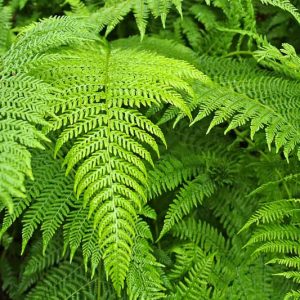
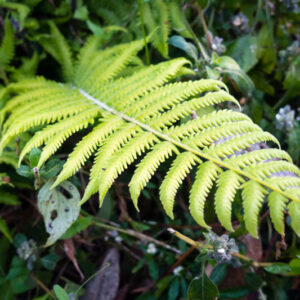
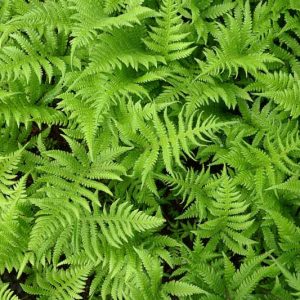
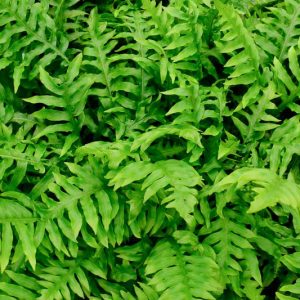
Turn your shady North Florida yard into a lush fern haven. Native ferns thrive where turf fails, cooling the ground, feeding wildlife, and staying gorgeous with minimal care. From rain gardens to piney slopes, these resilient fronds fill every dark corner with movement, texture, and deep, calming, year-round beauty, greenery.
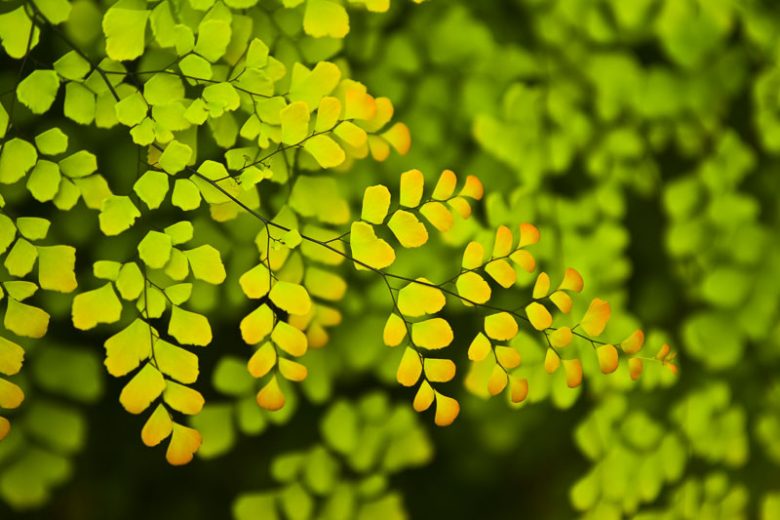


Have a yard full of tree roots, pine straw, and patches of shade that grass hates? In North Florida, those tricky spots are exactly where native ferns shine. From Jacksonville, Tallahassee, and Gainesville to shady hammocks along the Panhandle, shade loving native ferns bring soft texture, rich green color, and a cool woodland feel to gardens in USDA zones 8a, 8b, and sheltered pockets of 9a.
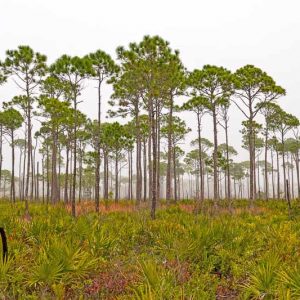
North Florida sits where the East Gulf Coastal Plain and the South Atlantic Coastal Plain overlap. That means a mosaic of habitats – coastal dunes and marshes, longleaf pine forests, bottomland hardwoods, seepage slopes, and cypress swamps. Each of these natural communities has its own set of native ferns, perfectly tuned to the local combination of light, soil, and moisture.
Unfortunately, many of these wild places are under pressure from development, hydrologic changes, and invasive plants. Invasive species compete with natives for moisture, light, nutrients, and space, and they can quickly displace delicate woodland plants like ferns. By choosing native North Florida ferns for your own landscape, you help rebuild habitat, support wildlife, and keep a sense of the real Florida in your backyard.
To choose the right shade loving native fern, think about where it grows in the wild. Try to match those conditions in your own yard for the easiest success.
Spend a sunny day watching how light moves across your yard. Areas that look dark at noon may still get gentle morning or late afternoon sun – perfect for many fern species.
| Hardiness |
8 - 9 |
|---|---|
| Plant Type | Ferns |
| Native Plants | United States, Southeast, Florida |
Ferns have a way of instantly making a garden feel cooler, calmer, and more natural. When you choose native ferns for North Florida shade gardens, you get beauty plus resilience.
Tip – whenever possible, buy plants grown from local or regional seed sources. These plants are often better matched to your exact climate and help preserve local genetic diversity.
Use this list as a menu of dependable North Florida native ferns. Check mature size, moisture needs, and evergreen or deciduous habit, then mix and match to fit your site.
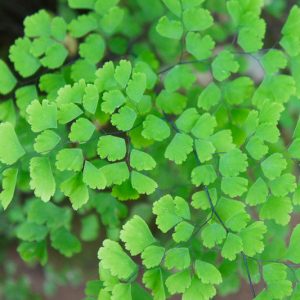
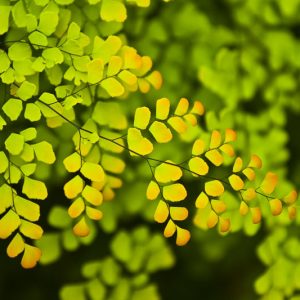
Cool Woodland Entry Bed – Under high shade near your front walk, combine clumps of Dryopteris ludoviciana (Southern Wood Fern) and Polystichum acrostichoides (Christmas Fern). Weave in a few Adiantum capillus-veneris (Southern Maidenhair Fern) near a small boulder or birdbath. Add spring ephemerals or native woodland bulbs between the clumps for seasonal color.
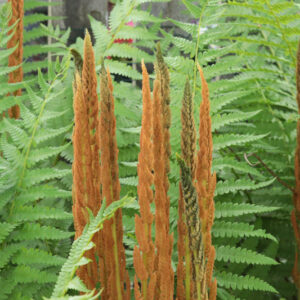
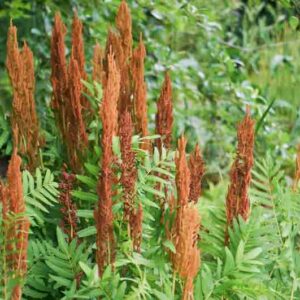
Rain Garden Fern Swale – In a low spot that stays damp, plant drifts of Osmunda cinnamomea (Cinnamon Fern), Osmunda regalis (Royal Fern), and Thelypteris palustris (Eastern Marsh Fern). Mix in native sedges and moisture loving perennials. The fern fronds will help slow storm water, filter runoff, and create a lush oasis for frogs and dragonflies.
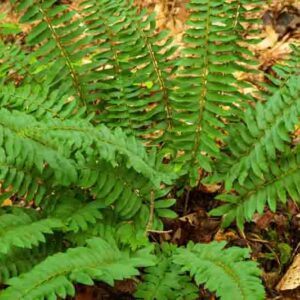
Evergreen Shade Carpet – On a gentle slope under pines, mass Polystichum acrostichoides (Christmas Fern) and Dryopteris ludoviciana (Southern Wood Fern) as a living groundcover. Let leaf litter remain between clumps as natural mulch. The effect is a low, evergreen forest floor that needs almost no mowing or edging.
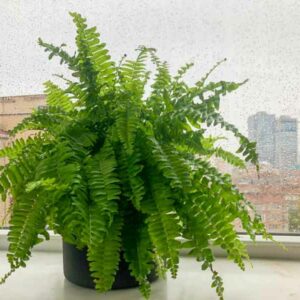
Courtyard Container Fernery – In a shaded patio or screened room, group large containers of Nephrolepis exaltata (Boston Fern) with pots of Southern Maidenhair Fern. Add a small bubbling fountain or glazed water bowl for humidity. This simple combination turns even a tiny space into a cool, fern filled retreat.
Most North Florida shade ferns are forgiving once established, but a little attention at planting time makes a big difference.
In late winter or very early spring, remove old, tattered fronds from deciduous and semi evergreen species to make room for fresh growth. Evergreen ferns like Christmas Fern usually only need a little tidying.
Think of ferns as the soft green thread that ties together trees, shrubs, and flowers in your North Florida yard. They fill in gaps, hide bare soil, and create that magical woodland feeling.
Start by sketching your yard, marking areas of full sun, part shade, and full shade. Note where water tends to collect after a storm and where soil dries quickly. Then plug in the right fern for each micro habitat:
Over time, your garden will shift from patchy turf and bare mulch to a layered, living woodland filled with birdsong, frogs, and the quiet rustle of fern fronds in the breeze.
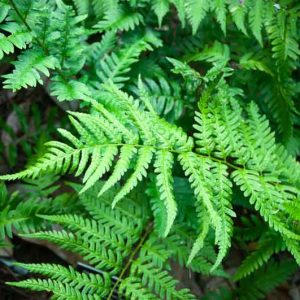
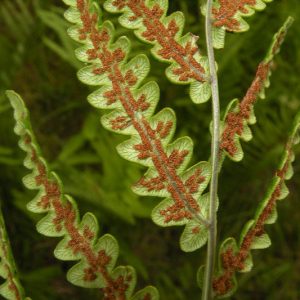
Dependable, widely used native ferns for North Florida include Adiantum capillus-veneris (Southern Maidenhair Fern), Athyrium filix-femina (Lady Fern), Dryopteris ludoviciana (Southern Wood Fern), Nephrolepis exaltata (Boston Fern), Osmunda cinnamomea (Cinnamon Fern), Osmunda regalis (Royal Fern), Polystichum acrostichoides (Christmas Fern), Pteridium aquilinum (Bracken Fern), Thelypteris palustris (Eastern Marsh Fern), Thelypteris kunthii (Southern Shield Fern), Woodwardia areolata (Netted Chain Fern), and Woodwardia virginica (Virginia Chain Fern). Together they cover upland woodland shade, moist stream banks, rain gardens, and wetland edges in USDA zones 8 to 9.
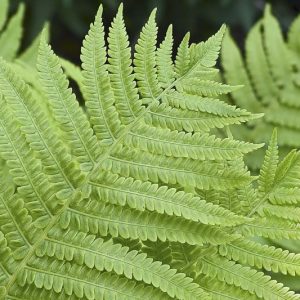
Under high, shifting shade where soil is well drained but can dry between rains, Polystichum acrostichoides (Christmas Fern) and Dryopteris ludoviciana (Southern Wood Fern) are excellent choices. In slightly moister pockets, Athyrium filix-femina (Lady Fern) can also perform well. Combine these with leaf mulch and occasional irrigation during drought to create a resilient evergreen carpet.
For consistently moist to wet soils in partial shade, choose Osmunda cinnamomea (Cinnamon Fern), Osmunda regalis (Royal Fern), Thelypteris palustris (Eastern Marsh Fern), Woodwardia areolata (Netted Chain Fern), and Woodwardia virginica (Virginia Chain Fern). These species naturally occur in bogs, marshes, and along stream banks and are well suited to rain gardens and low spots that collect stormwater.
Yes. Polystichum acrostichoides (Christmas Fern) and Dryopteris ludoviciana (Southern Wood Fern) are reliably evergreen or semi evergreen in much of North Florida. Nephrolepis exaltata (Boston Fern) can also stay green year round in protected microclimates. Use these species where you want winter structure and color.
Most native ferns prefer organically enriched, slightly acidic soils similar to forest leaf litter. They rarely need synthetic fertilizer. Before planting, loosen the soil and mix in compost, pine fines, or leaf mold if your soil is very sandy or compacted. An annual topdressing of shredded leaves or compost is usually enough to keep them thriving.
Absolutely. Many gardeners gradually transition to more native plantings by tucking native ferns among existing shade plants. Christmas Fern, Southern Wood Fern, and Lady Fern blend beautifully with hydrangeas, camellias, and hostas, while adding extra texture and wildlife value. Over time you can replace high maintenance or invasive exotics with additional natives.
Updated: November 2025 • Reviewed by Gardenia Editors
Htu, Shutterstock
| Hardiness |
8 - 9 |
|---|---|
| Plant Type | Ferns |
| Native Plants | United States, Southeast, Florida |
Create a membership account to save your garden designs and to view them on any device.
Becoming a contributing member of Gardenia is easy and can be done in just a few minutes. If you provide us with your name, email address and the payment of a modest $25 annual membership fee, you will become a full member, enabling you to design and save up to 25 of your garden design ideas.
Join now and start creating your dream garden!