Create Your Garden

Sun-Loving Native Perennials for North Florida

Brighten North Florida beds with sun-loving native perennials that laugh at heat, sandy soil, and surprise freezes. Mix blazing star, black-eyed Susan, tickseed, milkweeds, coneflowers, and goldenrod for nonstop color, butterflies, and birds. Low maintenance, pollinator-friendly wildflowers turn longleaf pine country yards into thriving mini–meadows bloom from spring through frost.
Native Plants, Native Perennials, Native Sun Perennials, Florida Native Plant, Florida Native Perennials, Florida Sun Perennials

Sun-Loving Native Perennials for North Florida – Wildflower Color for Longleaf Pine Country

Dreaming of flower beds that sail through North Florida heat instead of melting by June? Native perennials give Jacksonville, Tallahassee, Gainesville, and the Panhandle months of blooms, butterflies, and seed for birds while thriving in sandy or loamy soils. This guide highlights durable, sun-loving native perennials that perform in USDA zones 8a, 8b, and warm pockets of 9a.

North Florida Native Perennial Quick Start

  • Full sun really means six hours plus – choose perennials rated for full sun in zones 8 to 9; many shrug off reflected heat from driveways and south-facing walls.
  • Match bloomers to moisture – some species love dry longleaf pine sandhills, others want pond margins, ditches, or boggy rain gardens. Put wetland plants where soil stays moist.
  • Think clump size, not pot size – a small plug of blazing star or black-eyed Susan can turn into a bold three-foot-wide clump in a season or two.
  • Layer heights and seasons – combine low edging plants, mid-height fillers, and tall back-of-border perennials so something is always blooming from spring through frost.
  • Water to establish – even drought-tolerant natives need regular deep watering their first growing season; after that, many can rely mostly on rainfall.

North Florida Garden Zones at a Glance

Most of North Florida falls in USDA zones 8a to 9a, with mild winters that can bring hard freezes, long warm springs and falls, and a humid summer rainy season.

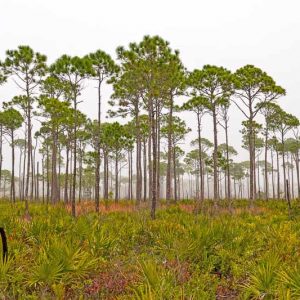
  • Sandhills and scrub – very well-drained, nutrient-poor sands, high light, and drying winds.
  • Urban and suburban yards – fill soils, irrigation, mulch, and reflected heat from roofs, pavement, and stucco walls.
  • Flatwoods, creek bottoms, and wet edges – seasonally saturated or mucky soils with a high water table and full sun near ponds, swales, and ditches.
  • Roadsides and open meadows – compacted soil, blazing sun, occasional mowing or disturbance, and stormwater runoff.

Whenever you update or expand your garden, choose regionally native plants and avoid known invasive species so your landscape works with, not against, North Florida’s ecosystems.

Most of the perennials below overlap several of these site types, but checking your sun, drainage, and seasonal moisture will help you pick the best native perennial for each planting zone.

Best Sun-Loving Native Perennials for North Florida

Use this list as a menu of North Florida native perennials that handle full sun while feeding butterflies, bees, and songbirds. Combine long-blooming workhorses with tall late-season flowers and wetland specialists to build a resilient, wildlife-friendly landscape.

Guide Information

Hardiness 8 - 9
Plant Type Perennials
Exposure Full Sun
Native Plants United States, Southeast, Florida
Asclepias incarnata (Swamp Milkweed)
Asclepias tuberosa (Butterfly Milkweed)
Bacopa monnieri (Water Hyssop)
Coreopsis leavenworthii (Leavenworth’s Tickseed)
Echinacea purpurea (Purple Coneflower)
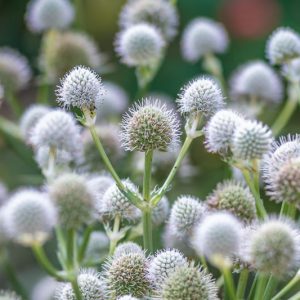
Eryngium yuccifolium (Rattlesnake Master)
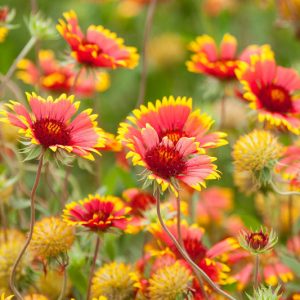
Gaillardia pulchella (Firewheel)
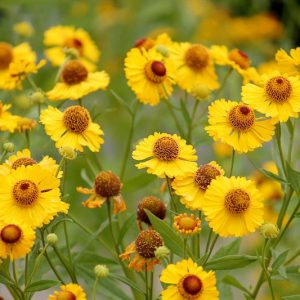
Helenium autumnale (Sneezeweed)
Helianthus angustifolius (Swamp Sunflower)
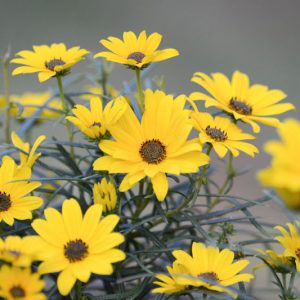
Helianthus debilis (Beach Sunflower)
Hibiscus coccineus (Texas Star Hibiscus)
Hibiscus moscheutos (Hardy Hibiscus)
Hymenocallis occidentalis (Northern Spider Lily)
Ipomopsis rubra (Standing Cypress)
Iris virginica (Southern Blue Flag)
Liatris spicata (Blazing Star)
Monarda punctata (Spotted Bee Balm)
Orontium aquaticum (Golden Club)
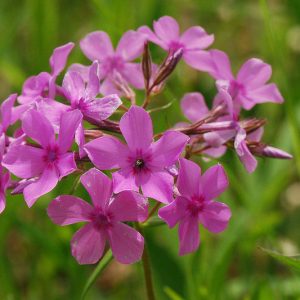
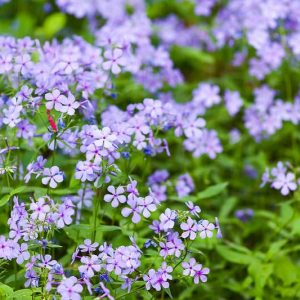
Phlox pilosa (Prairie Phlox)
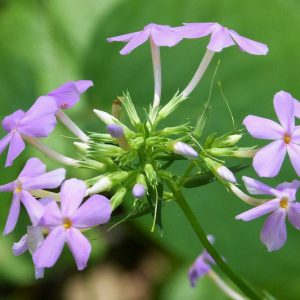
Phlox carolina (Carolina Phlox)
Pluchea odorata (Sweetscent)
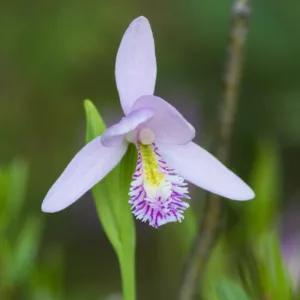
Pogonia ophioglossoides (Rose Pogonia)
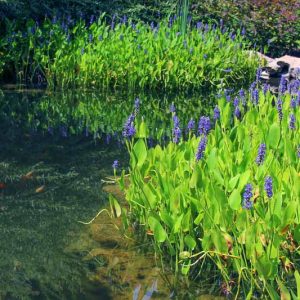
Pontederia cordata (Pickerel Weed)
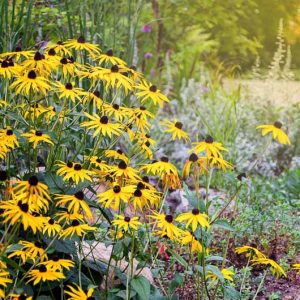
Rudbeckia hirta (Black-Eyed Susan)
Salvia azurea (Blue Sage)
Salvia coccinea (Scarlet Sage)
Salvia lyrata (Lyreleaf Sage)
Sarracenia minor (Hooded Pitcher Plant)
Sisyrinchium angustifolium (Blue-Eyed Grass)
Solidago sempervirens (Seaside Goldenrod)
Stachytarpheta jamaicensis (Blue Porterweed)
Stokesia laevis (Stokes Aster)
Vernonia angustifolia (Tall Ironweed)

Pattern Recipes for Easy Native Planting

Dry Sandhill Butterfly Border: Mix Liatris spicata (Blazing Star), Rudbeckia hirta (Black-Eyed Susan), Salvia azurea (Blue Sage), and Ratibida pinnata (Yellow Coneflower) for a sun-drenched strip of purple, gold, and blue that butterflies and native bees swarm from late spring into fall.

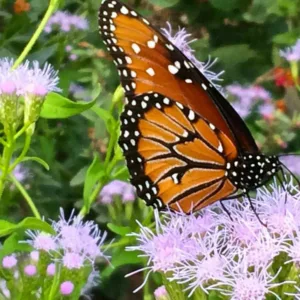
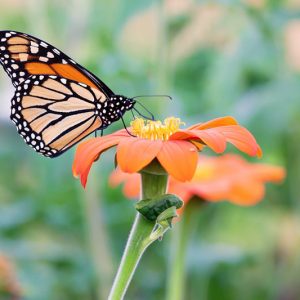
North Florida Monarch and Hummingbird Bed: Combine Asclepias tuberosa (Butterfly Milkweed), Asclepias incarnata (Swamp Milkweed), Ipomopsis rubra (Standing Cypress), and Monarda punctata (Spotted Bee Balm). The milkweeds host monarch and queen caterpillars, while standing cypress and bee balm pour out nectar for hummingbirds and beneficial wasps.

Rain Garden and Pond-Edge Mix: In low, sunny spots, plant Pontederia cordata (Pickerelweed), Orontium aquaticum (Golden Club), Hibiscus moscheutos or Hibiscus coccineus (Hardy and Texas Star Hibiscus), and Helianthus angustifolius (Swamp Sunflower) for bold foliage, dramatic flowers, and fall color in wet soils.

Wild Meadow Pollinator Strip: Blend Echinacea purpurea (Purple Coneflower), Eryngium yuccifolium (Rattlesnake Master), Salvia coccinea (Scarlet Sage), Coreopsis grandiflora (Large Flower Tickseed), and Solidago sempervirens (Seaside Goldenrod) to mimic a North Florida wildflower meadow buzzing with bees, butterflies, and beneficial insects.

Why Choose Native Perennials in North Florida?

Many traditional bedding plants are short-lived imports that need constant irrigation, fertilizer, and pest control. Sun-loving native perennials are adapted to North Florida’s winter swings, sandy or loamy soils, and summer downpours, so they work with the climate instead of against it.

  • Climate adapted – native perennials evolved with North Florida freezes, droughts, and thunderstorms, so they usually need fewer inputs once established.
  • Pollinator powerhouses – many provide nectar and pollen for butterflies, moths, bees, and hummingbirds, plus seed heads for finches and other birds.
  • Lower maintenance – instead of replanting annual color beds every season, established clumps of natives can be cut back and divided every few years to refresh the display.
  • Non invasive – native perennials are far less likely to escape into conservation lands compared with aggressive exotic ornamentals.

Tip: Clear lawn and invasive weeds first, loosen the top few inches of soil, then plant nursery-grown Florida natives in drifts of three, five, or more for a naturalistic look and stronger visual impact.

Why Grow These North Florida Sun-Loving Perennials?

  • Asclepias incarnata (Swamp Milkweed) – Moisture-loving milkweed with pink flower clusters; essential host plant for monarch and queen butterfly caterpillars in sunny wet areas.
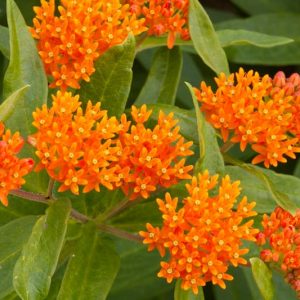
  • Asclepias tuberosa (Butterfly Milkweed) – Drought-tolerant perennial with vivid orange flower clusters; a magnet for butterflies, native bees, and other pollinators in sandy soils.
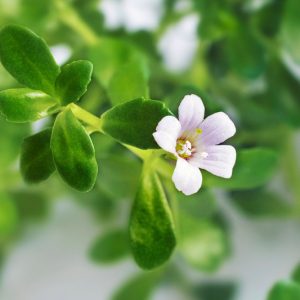
  • Bacopa monnieri (Water Hyssop) – Low, creeping perennial that tolerates shallow water and soggy soil; useful as a living mulch at the edges of ponds, rain gardens, and swales.
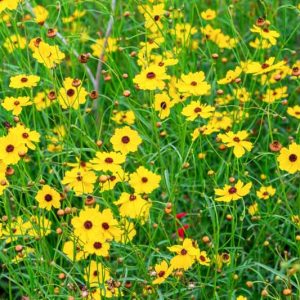
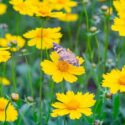
  • Coreopsis grandiflora (Large Flower Tickseed) – Florida’s sunny state wildflower relative, producing bright yellow daisies for weeks on well-drained, sunny sites.
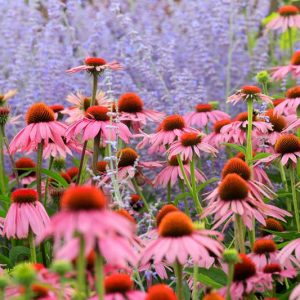
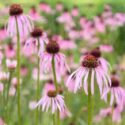
  • Echinacea purpurea (Purple Coneflower) – Sturdy clumps with pink to purple daisies and prominent cones; flowers feed pollinators and seed heads feed finches.
  • Eryngium yuccifolium (Rattlesnake Master) – Architectural, grass-like foliage topped with pale spiky flower heads that draw in native wasps and bees; excellent in dry meadows.
  • Helenium autumnale (Sneezeweed) – Late-season daisy-like blooms in shades of yellow and orange; thrives in moist to average soils and supports a wide range of pollinators.
  • Helianthus angustifolius (Swamp Sunflower) – Tall stems packed with golden-yellow sunflowers in fall; spectacular in moist ditches, pond edges, and rain gardens.
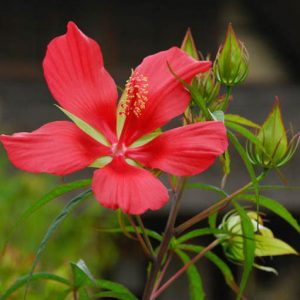
  • Hibiscus coccineus (Texas Star Hibiscus) – Dramatic scarlet star-shaped flowers on tall stems; loves full sun and wet soils and provides vivid late summer color.
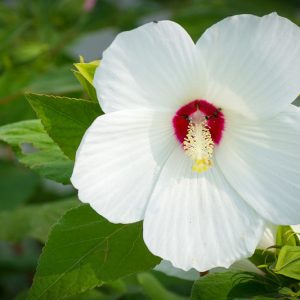
  • Hibiscus moscheutos (Hardy Hibiscus) – Huge, dinner-plate blooms in pinks and whites; thrives in sunny, moist soils and brings a tropical look to North Florida gardens.
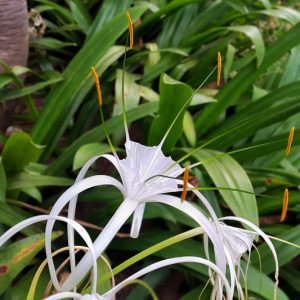
  • Hymenocallis occidentalis (Northern Spider Lily) – Fragrant white spider-like flowers over strap leaves; ideal for moist, sunny woodland edges and streambanks.
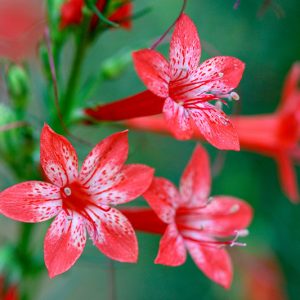
  • Ipomopsis rubra (Standing Cypress) – Spires of flaming red tubular flowers that hummingbirds cannot resist; best in sandy, well-drained sites with full sun.
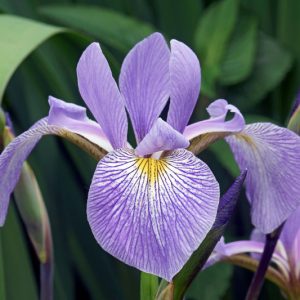
  • Iris virginica (Southern Blue Flag) – Swordlike foliage and blue to violet flowers in spring; excellent for wet meadows, pond margins, and rain gardens.
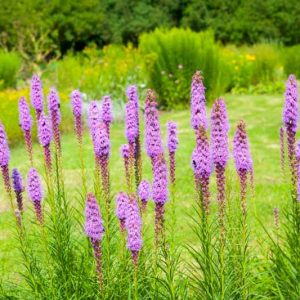
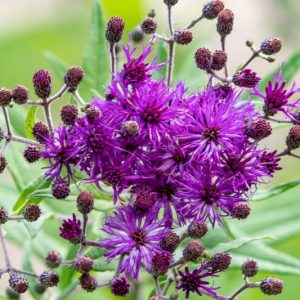
  • Liatris spicata (Blazing Star) – Vertical spikes of purple bloom rising from grassy clumps; a classic butterfly plant for sunny borders and wildflower plantings.
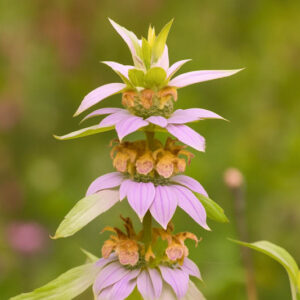
  • Monarda punctata (Spotted Bee Balm) – Whorls of pink and cream bracts around speckled flowers; highly attractive to bees, butterflies, and beneficial predatory wasps.
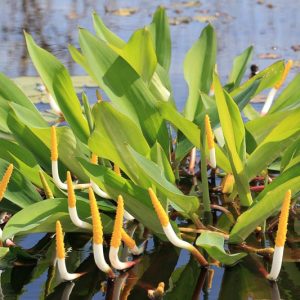
  • Orontium aquaticum (Golden Club) – Unusual aquatic perennial with bold leaves and golden flower clubs; thrives in shallow water or saturated soil in full sun.
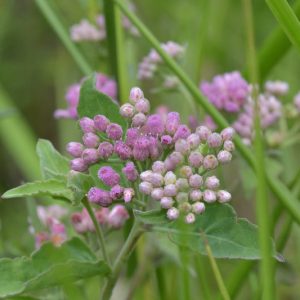
  • Pluchea odorata (Sweetscent) – Fragrant foliage and pinkish flower clusters; well suited to moist to wet soils and valuable for butterflies and other insects.
  • Pogonia ophioglossoides (Rose Pogonia) – Delicate pink orchid of acidic bogs and wet savannas; best for carefully managed, undisturbed wetland gardens.
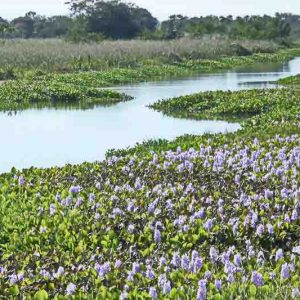
  • Pontederia cordata (Pickerelweed) – Spikes of violet-blue flowers rise from bold leaves in shallow water; excellent for ponds, canals, and rain gardens.
  • Ratibida pinnata (Yellow Coneflower) – Tall, airy stems with drooping yellow petals and dark cones; great for meadow-style plantings and bird seed.
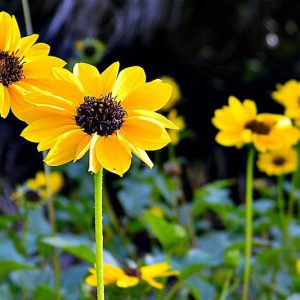
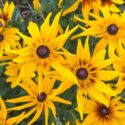
  • Rudbeckia hirta (Black-Eyed Susan) – Easy, sun-loving perennial with bright golden petals and dark centers; perfect for beginning native gardeners.
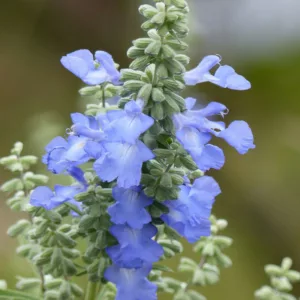
  • Salvia azurea (Blue Sage) – Tall, wispy stems topped with clear blue flowers; thrives in dry, sunny sites and adds vertical color late in the season.
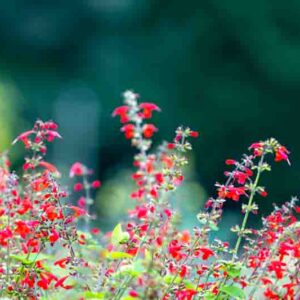
  • Salvia coccinea (Scarlet Sage) – Long-blooming spikes in red, pink, or white; reseeds politely and keeps hummingbirds and butterflies visiting all season.
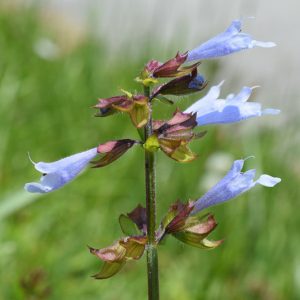
  • Salvia lyrata (Lyreleaf Sage) – Low rosettes of patterned leaves with blue flower spikes in spring; tough groundcover for sunny to lightly shaded, dry sites.
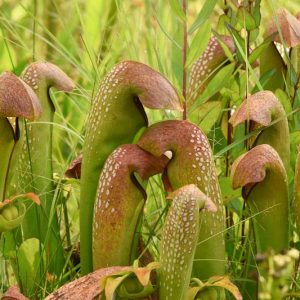
  • Sarracenia minor (Hooded Pitcher Plant) – Insect-catching bog plant with hooded pitchers; thrives only in consistently moist, acidic, low-nutrient soils in full sun.
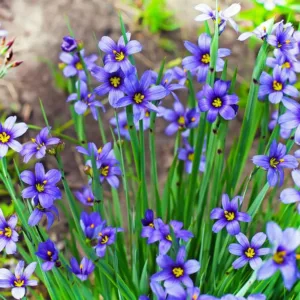
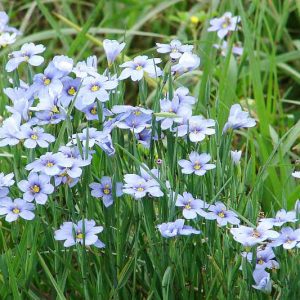
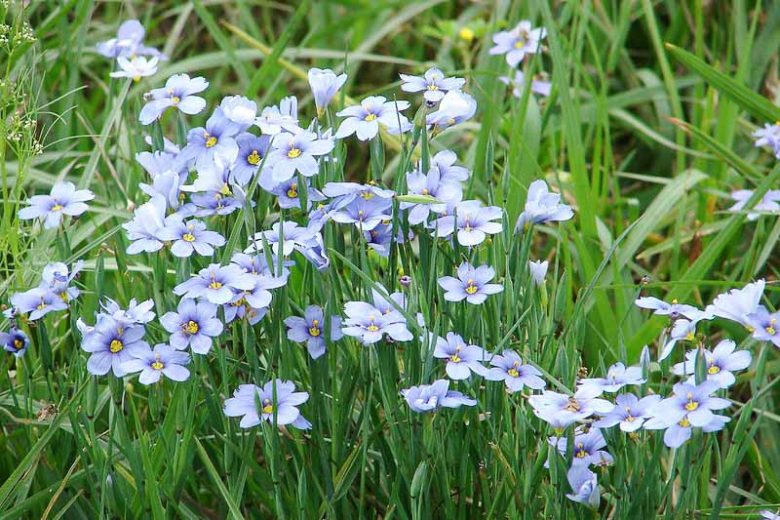
  • Sisyrinchium angustifolium (Blue-Eyed Grass) – Grass-like clumps dotted with small blue flowers; ideal at the front of sunny borders and along paths.
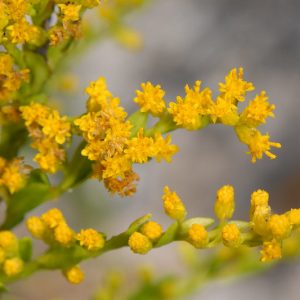
  • Solidago sempervirens (Seaside Goldenrod) – Robust goldenrod adapted to coastal wind and salt; tall yellow plumes feed migrating monarchs and other insects in fall.
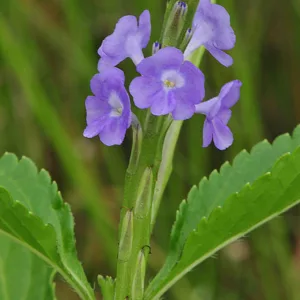
  • Stachytarpheta jamaicensis (Blue Porterweed) – Continuous spikes of deep blue flowers; a favorite nectar source for butterflies and hummingbirds in sunny, well-drained beds.
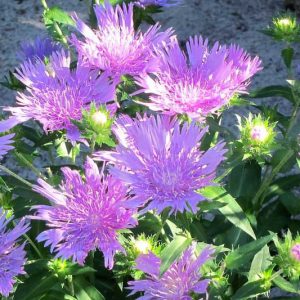
  • Stokesia laevis (Stokes Aster) – Compact clumps with large blue-lavender daisies; well-suited to dry, sunny beds and excellent for front-of-border color.
  • Vernonia angustifolia (Tall Ironweed) – Narrow-leaved perennial with rich purple flower clusters; thrives in sun and moist to average soil and is excellent for butterflies.

Bringing It All Together

Start by sketching where you have full sun, partial shade, dry sand, loamy garden soil, or seasonally wet hollows. Then plug native perennials from this list into each zone for low, mid, and tall layers. When you swap thirsty annuals for North Florida native perennials, your garden will need less water and fertilizer while buzzing with life from spring through frost.

Discover more beautiful Florida native plants

Plant Finder

Frequently Asked Questions

What are the best sun-loving native perennials for North Florida?

Top performers include Coreopsis grandiflora (largeflower tickseed), Rudbeckia hirta (black-eyed Susan), Liatris spicata (blazing star), Echinacea purpurea (purple coneflower), Helianthus angustifolius (swamp sunflower), and Asclepias tuberosa (butterfly milkweed). These species thrive in full sun, sandy or loamy soils, and seasonal drought.

Which native perennials provide the longest bloom season in North Florida?

Coreopsis, black-eyed Susan, scarlet sage, and purple coneflower bloom for months in warm weather. Late-season color comes from blazing star, goldenrod, swamp sunflower, and tall ironweed, which support migrating butterflies and fall pollinators.

Which native perennials attract the most pollinators?

Butterfly milkweed, swamp milkweed, blazing star, spotted bee balm, coneflowers, and blue-eyed grass offer nectar and pollen for bees, butterflies, hummingbirds, and beneficial insects. These plants are consistently recommended by UF/IFAS and FNPS for pollinator habitat.

Are there native perennials that tolerate hot, dry, sandy soils?

Yes. Butterfly milkweed, black-eyed Susan, blazing star, blue sage, tickseed, and purple coneflower evolved in Florida’s sandhills and longleaf pine ecosystems, making them ideal for dry, fast-draining soils with minimal irrigation.

Which native perennials grow well in wet or seasonally flooded sunny areas?

Pickerelweed, golden club, swamp milkweed, Texas star hibiscus, and swamp sunflower tolerate saturated soils and are ideal for pond edges, ditches, swales, and rain gardens that stay sunny.

Are any sun-loving native perennials deer-resistant?

Many are moderately deer-resistant, including blazing star, black-eyed Susan, tickseed, purple coneflower, and goldenrods. While no plant is completely deer-proof, these species are less frequently browsed.

Which native perennials spread quickly to fill open sunny areas?

Scarlet sage, beach sunflower, blue porterweed, and black-eyed Susan spread by reseeding or creeping stems. These species are reliable, low-maintenance fillers for sunny beds and meadows.

Can native perennials replace annuals or high-maintenance ornamental flowers?

Yes. Tickseed, coneflowers, goldenrods, black-eyed Susan, and milkweeds provide multi-season color with far less water, fertilizer, and replanting than non-native annuals and tropical ornamentals.

Do sun-loving native perennials support wildlife beyond pollinators?

Absolutely. Seed-bearing perennials like coneflowers, sunflowers, and black-eyed Susan feed birds. Milkweeds host monarch caterpillars. Dense perennial groupings offer habitat for beneficial insects, small birds, and lizards in North Florida landscapes.

References

Great Pollinator Plants for Florida
Monarch Nectar Plants for Florida
Native Aquatic Plants for North Florida
Native Ferns for North Florida
Native Grasses for North Florida
Native Vines for North Florida
Shade-Loving Native Perennials for North Florida
Shade-Loving Native Trees for North Florida
Native Groundcovers for North Florida
Sun-Loving Native Trees for North Florida
Shade-Loving Native Shrubs for North Florida
Sun-Loving Native Shrubs for North Florida
Sun-Loving Native Perennials for North Florida
Native Vines for Central Florida
Native Grasses for Central Florida
Invasive Plant Species in Florida
Sun-Loving Native Trees for Central Florida
Shade-Loving Native Shrubs for Central Florida
Native Aquatic Plants for Central Florida
Native Ferns for Central Florida
Shade-Loving Native Trees for Central Florida
Shade-Loving Native Perennials for Central Florida
Native Aquatic Plants for South Florida
Native Grasses for South Florida
Native Ferns for South Florida
Native Vines for South Florida
Explore Great Plant Combination Ideas
Coastal South
Guides with
Coastal South Florida
While every effort has been made to describe these plants accurately, please keep in mind that height, bloom time, and color may differ in various climates. The description of these plants has been written based on numerous outside resources.

Guide Information

Hardiness 8 - 9
Plant Type Perennials
Exposure Full Sun
Native Plants United States, Southeast, Florida
Explore Great Plant Combination Ideas
Coastal South
Guides with
Coastal South Florida

Related Items

Please Login to Proceed

You Have Reached The Free Limit, Please Subscribe to Proceed

Subscribe to Gardenia

To create additional collections, you must be a paid member of Gardenia
  • Add as many plants as you wish
  • Create and save up to 25 garden collections
Become a Member

Plant Added Successfully

You have Reached Your Limit

To add more plants, you must be a paid member of our site Become a Member

Update Your Credit
Card Information

Cancel

Create a New Collection

Sign Up to Our Newsletter

    You have been subscribed successfully

    Join Gardenia.net

    Create a membership account to save your garden designs and to view them on any device.

    Becoming a contributing member of Gardenia is easy and can be done in just a few minutes. If you provide us with your name, email address and the payment of a modest $25 annual membership fee, you will become a full member, enabling you to design and save up to 25 of your garden design ideas.

    Join now and start creating your dream garden!

    Join Gardenia.net

    Create a membership account to save your garden designs and to view them on any device.

    Becoming a contributing member of Gardenia is easy and can be done in just a few minutes. If you provide us with your name, email address and the payment of a modest $25 annual membership fee, you will become a full member, enabling you to design and save up to 25 of your garden design ideas.

    Join now and start creating your dream garden!
    Find your Hardiness Zone

    Find your Heat Zone

    Find your Climate Zone