Create Your Garden

Sun-Loving Native Shrubs for North Carolina

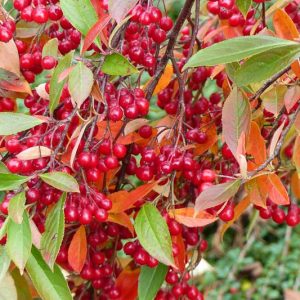
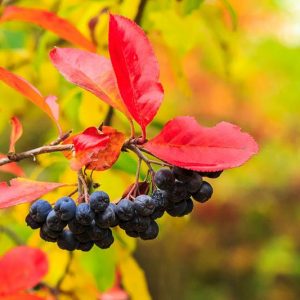
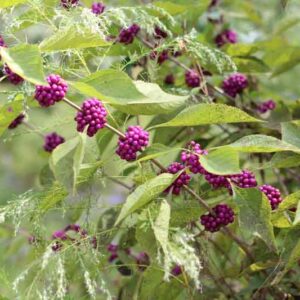
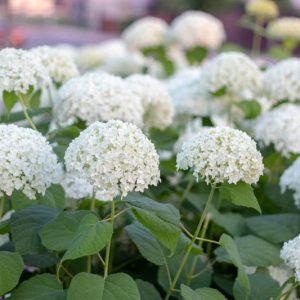
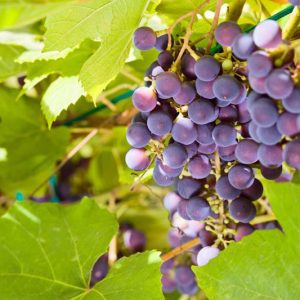
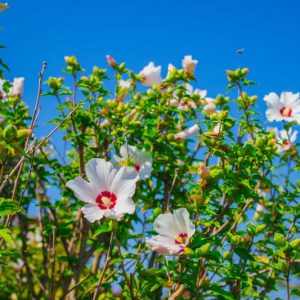
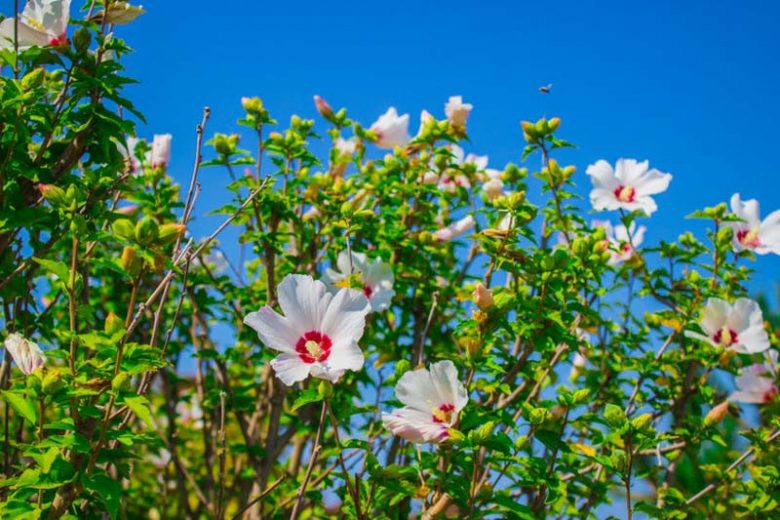
North Carolina features a variety of sun-loving native shrubs, such as the striking Black Chokeberry, known for its beautiful white flowers and dark berries, and the showy Hardy Hibiscus, which produces large, vibrant blooms. The American Beautyberry adds a pop of color with its attractive purple fruits, making them perfect additions to sunny gardens.
Native Plants, Native Shrubs, North Carolina Native Plant, North Carolina Native Shrubs, Sun Shrubs

North Carolina Sun-Loving Native Shrubs – Wildlife Friendly Color For Hot Southern Yards

Got a sizzling driveway edge, a baking mailbox island, or a front lawn that drinks water like a sponge? Sun-loving North Carolina native shrubs are built for bright Carolina skies, summer heat, and sandy or clay soils. These tough, beautiful shrubs thrive in full sun, support birds and pollinators, and give you four-season color with far less fuss than many imported ornamentals.

North Carolina Sun-Loving Shrub Quick Start

  • Chase real full sun – most sun-loving native shrubs want at least 6 hours of direct sun. South and west facing beds, open fields, and unshaded slopes are prime spots.
  • Match shrub to soil – some natives love moist creek banks, others are happiest in sandy, droughty soil. Notice if your site is sand, loam, or red clay and whether it stays wet after storms.
  • Plant in layers, not single soldiers – design hedges and mixed borders using clumps of 3, 5, or 7 shrubs. Repeating the same native shrub gives a natural, coastal Carolina or Piedmont hedgerow look.
  • Mulch like the forest edge – use shredded leaves, pine straw, or composted bark to hold moisture and slowly improve soil. Keep mulch a few inches away from the main stems.
  • Water the first 1 to 2 summers – even drought tolerant shrubs need steady water while roots explore deeper soil. After that, most North Carolina native shrubs handle normal summer dry spells with minimal help.

North Carolina Sun Garden Regions At A Glance

From cool mountain ridges to hot coastal sand, “full sun” in North Carolina can mean very different things. Matching sun-loving native shrubs to your region makes a low maintenance landscape much easier.

  • Mountains and high valleys – cooler nights, sloped sites, and rocky soils. Great places for Amelanchier stolonifera (Running Serviceberry), Vaccinium corymbosum (Highbush Blueberry), Rosa carolina (Carolina Rose), and Rubus odoratus (Flowering Raspberry).
  • Piedmont – rolling clay hills, hot summers, and plenty of suburbs. Try Aronia arbutifolia (Red Chokeberry), Aronia melanocarpa (Black Chokeberry), Callicarpa americana (American Beautyberry), Ceanothus americanus (New Jersey Tea), Hypericum densiflorum and Hypericum prolificum (St. John’s Wort shrubs), Spiraea alba and Spiraea tomentosa (meadowsweet and steeplebush).
  • Sandhills – deep sandy soil that drains fast and bakes hard. Native all stars include Comptonia peregrina (Sweet Fern), Yucca aloifolia (Spanish Bayonet), Yucca filamentosa (Adam’s Needle), and waxy evergreens like Morella cerifera (Wax Myrtle).
  • Coastal plain and tidewater – salty breezes, high humidity, and flat, often acidic soils. Choose Callicarpa americana (Beautyberry), Ilex decidua (Possumhaw), Cephalanthus occidentalis (Buttonbush), Sambucus canadensis (American Elderberry), Vaccinium stamineum (Deerberry), and moisture loving Hibiscus moscheutos (Hardy Hibiscus).

Spend a sunny day walking your yard every few hours. Note which beds roast from late morning through late afternoon and which areas stay a bit cooler. Those honest observations will point you toward the right mix of North Carolina sun-loving native shrubs for your space.

Best North Carolina Sun-Loving Native Shrubs

Use this list as a menu of durable, wildlife friendly shrubs that really enjoy full sun in North Carolina gardens. Mix berry producers, pollinator magnets, and tough structural shrubs so your landscape looks good and feeds wildlife from January through December.

Guide Information

Plant Type Shrubs
Exposure Full Sun
Native Plants North Carolina, Southeast, United States
Amelanchier stolonifera (Running Serviceberry)
Aronia arbutifolia (Red Chokeberry)
Aronia melanocarpa (Black Chokeberry)
Callicarpa americana (American Beautyberry)
Ceanothus americanus (New Jersey Tea)
Cephalanthus occidentalis (Buttonbush)
Comptonia peregrina (Sweet Fern)
Fothergilla gardenii (Dwarf Fothergilla)
Hibiscus moscheutos (Hardy Hibiscus)
Hypericum densiflorum (Bushy St. John’s Wort)
Hypericum prolificum (Shrubby St. John’s Wort)
Ilex decidua (Possumhaw)
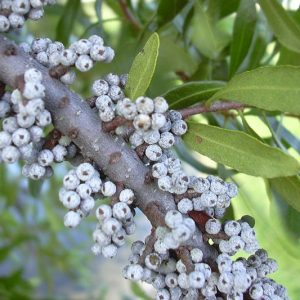
Morella cerifera (Wax Myrtle)
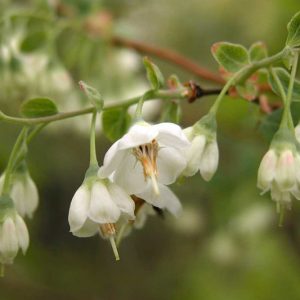
Philadelphus inodorus (Scentless Mock Orange)
Rhus aromatica (Fragrant Sumac)
Rhus glabra (Smooth Sumac)
Robinia hispida (Bristly Locust)
Rosa carolina (Carolina Rose)
Rosa palustris (Swamp Rose)
Rubus odoratus (Flowering Raspberry)
Sambucus canadensis (American Elderberry)
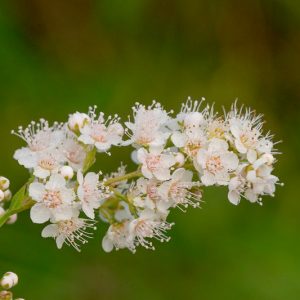
Spiraea alba (White Meadowsweet)
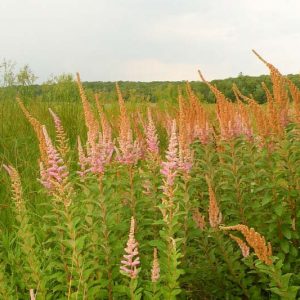
Spiraea tomentosa (Steeplebush)
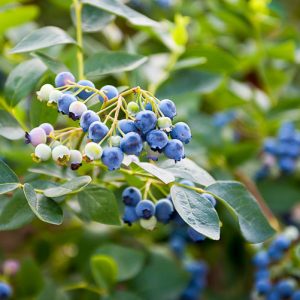
Vaccinium corymbosum (Highbush Blueberry)
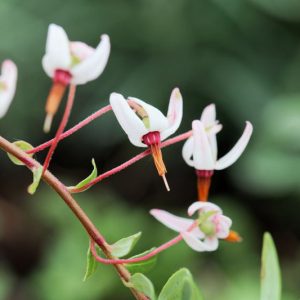
Vaccinium macrocarpon (Cranberry)
Vaccinium stamineum (Deerberry)
Viburnum nudum (Withe Rod)
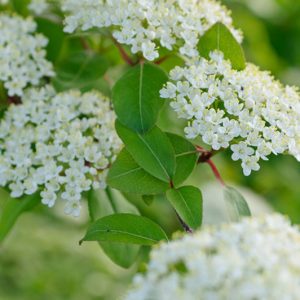
Viburnum prunifolium (Blackhaw)
Yucca aloifolia (Spanish Bayonet)
Yucca filamentosa (Adam’s Needle)

Easy Pattern Recipes For Native Sun Shrub Borders

Bird Berry Breakfast Hedge: Line a fence or property edge with drifts of Amelanchier stolonifera (Running Serviceberry), Aronia arbutifolia (Red Chokeberry), Aronia melanocarpa (Black Chokeberry), Callicarpa americana (American Beautyberry), and Sambucus canadensis (American Elderberry). Add clumps of Vaccinium corymbosum (Highbush Blueberry), Vaccinium stamineum (Deerberry), and Vaccinium macrocarpon (Cranberry) in moister spots. You get flowers in spring, berries for birds in summer and fall, and fiery foliage in autumn.

Pollinator Power Strip For Full Sun: Along a driveway or sunny patio, combine Ceanothus americanus (New Jersey Tea), Cephalanthus occidentalis (Buttonbush), Hibiscus moscheutos (Hardy Hibiscus), Hypericum densiflorum (Bushy St. John’s Wort), Hypericum prolificum (Shrubby St. John’s Wort), and Fothergilla gardenii (Dwarf Fothergilla). These native shrubs drip with nectar rich flowers that bees, butterflies, and hummingbirds cannot resist.

Fragrant, Low Maintenance Foundation Planting: For the sunny front of the house, plant Philadelphus inodorus (Scentless Mock Orange), Rhus aromatica (Fragrant Sumac), Rhus glabra (Smooth Sumac), and Morella cerifera (Wax Myrtle). Tuck in Viburnum nudum (Withe Rod) and Viburnum prunifolium (Blackhaw) for extra flowers, berries, and fall color.

Coastal Tough And Drought Tolerant Screen: In hot, sandy, wind exposed sites, rely on Yucca aloifolia (Spanish Bayonet), Yucca filamentosa (Adam’s Needle), Comptonia peregrina (Sweet Fern), Rosa carolina (Carolina Rose), Rosa palustris (Swamp Rose), and charming Robinia hispida (Bristly Locust). These sun-loving native shrubs shrug off heat, wind, and poor soil once established.

Why Choose Sun-Loving Native Shrubs In North Carolina?

Imported shrubs like burning bush, Bradford pear, and some hybrid roses can need heavy pruning, constant fertilizer, and sometimes turn invasive. Sun-loving native shrubs of North Carolina evolved with our climate, soils, and wildlife, so they fit right in and usually ask for less maintenance.

  • Climate adapted – native shrubs are used to humid summers, surprise droughts, and occasional cold snaps in USDA zones 6 to 9 across the state.
  • High wildlife value – berries from serviceberry, chokeberry, blueberries, viburnums, elderberry, and beautyberry feed songbirds and small mammals. Flowers from buttonbush, hibiscus, St. John’s wort, and meadowsweet support bees, butterflies, and other pollinators.
  • Lower maintenance – once established, many native shrubs need only light pruning and occasional water in extreme drought. No heavy fertilizing or constant spraying required in most home gardens.
  • Excellent for hedges and screens – shrubs like fragrant sumac, wax myrtle, possumhaw, and Carolina rose create natural privacy screens that look at home in North Carolina neighborhoods.
  • Sense of place – using native shrubs ties your yard to nearby longleaf pine savannas, Piedmont fields, and coastal wetlands. Your landscape looks like it belongs in North Carolina, not a generic catalog.

Tip: When in doubt, mix several species instead of one long monoculture hedge. Diversity gives you better wildlife habitat, more continuous bloom, and resilience if one species has a rough year.

Sun-Loving North Carolina Native Shrubs To Know

  • Amelanchier stolonifera (Running Serviceberry) – multi stemmed shrub with white spring flowers, early berries loved by birds, and orange red fall color.
  • Aronia arbutifolia (Red Chokeberry) – upright shrub with white spring flowers, glossy red berries that hang into winter, and blazing red fall foliage.
  • Aronia melanocarpa (Black Chokeberry) – similar to red chokeberry but with dark purple black fruit often used in juices and jellies.
  • Callicarpa americana (American Beautyberry) – open, arching shrub famous for bright purple berry clusters that glow against yellow fall leaves.
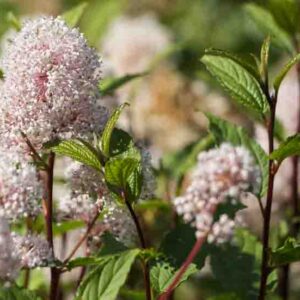
  • Ceanothus americanus (New Jersey Tea) – compact, drought tolerant shrub with white summer flower clusters that attract butterflies.
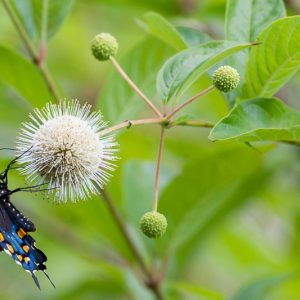
  • Cephalanthus occidentalis (Buttonbush) – loves moist soil and even shallow standing water. Round white flower balls are magnets for bees and butterflies.
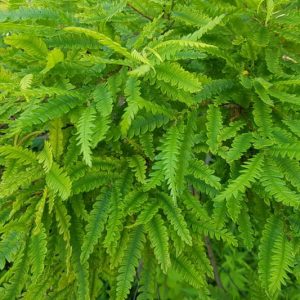
  • Comptonia peregrina (Sweet Fern) – low, airy shrub with fragrant, fern like foliage that thrives in dry, sandy, acidic soil.
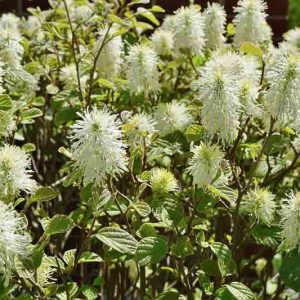
  • Fothergilla gardenii (Dwarf Fothergilla) – small shrub with spring bottlebrush flowers and outstanding orange, red, and yellow fall color.
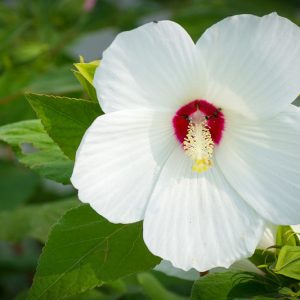
  • Hibiscus moscheutos (Hardy Hibiscus) – technically a subshrub, but the woody base sends up tall stems with huge dinner plate flowers every summer in moist, sunny spots.
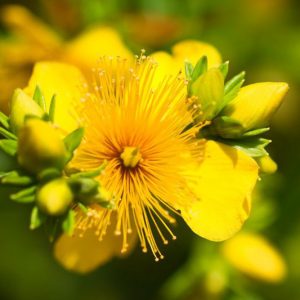
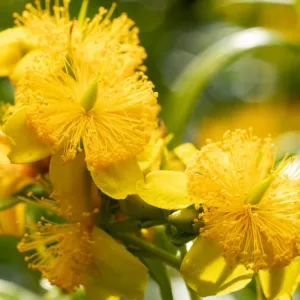
  • Hypericum densiflorum (Bushy St. John’s Wort) – fine textured shrub covered with small yellow flowers in early to midsummer; loves sun and well drained soil.
  • Hypericum prolificum (Shrubby St. John’s Wort) – slightly larger cousin of bushy St. John’s wort with similar sunny flowers and great pollinator value.
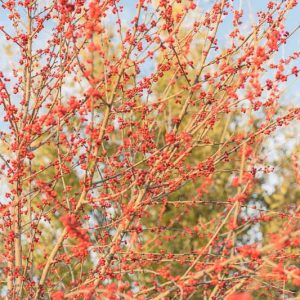
  • Ilex decidua (Possumhaw) – deciduous holly with bare winter branches studded in red berries that birds relish.
  • Morella cerifera (Wax Myrtle) – evergreen, fragrant foliage shrub often used for screening and coastal windbreaks.
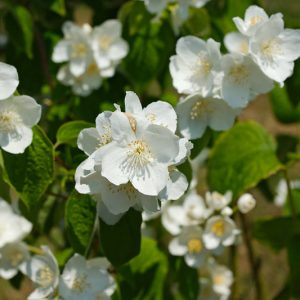
  • Philadelphus inodorus (Scentless Mock Orange) – vigorous shrub with showy white flowers; great in mixed native hedges.
  • Rhus aromatica (Fragrant Sumac) – low growing sumac with fragrant leaves, red fruit, and excellent orange red fall color.
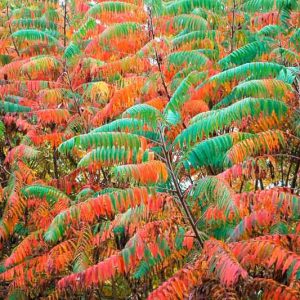
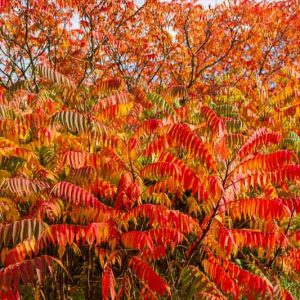
  • Rhus glabra (Smooth Sumac) – taller sumac forming colonies on dry slopes; dramatic red fall foliage and red fruiting clusters.
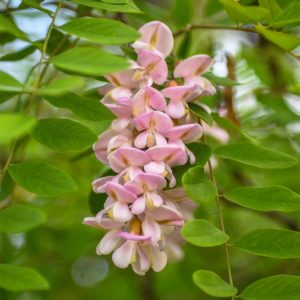
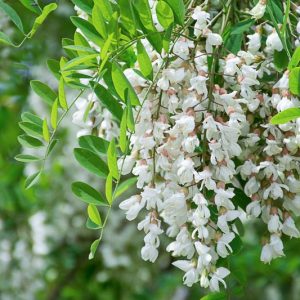
  • Robinia hispida (Bristly Locust) – open shrub with rosy pea like flowers that bees enjoy; good on poor, dry soils.
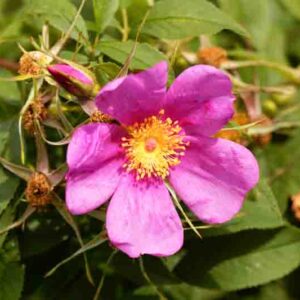
  • Rosa carolina (Carolina Rose) – tough native rose with simple pink flowers and hips for birds; excellent in sunny meadows and naturalized borders.
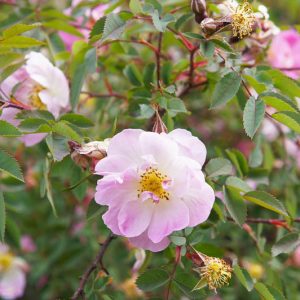
  • Rosa palustris (Swamp Rose) – loves moist to wet soils and produces fragrant pink flowers in early summer.
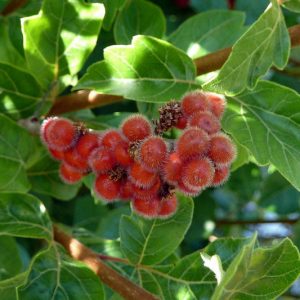
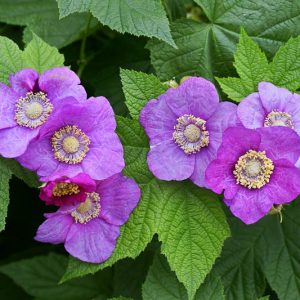
  • Rubus odoratus (Flowering Raspberry) – large, textured leaves and persistent magenta flowers from summer into fall.
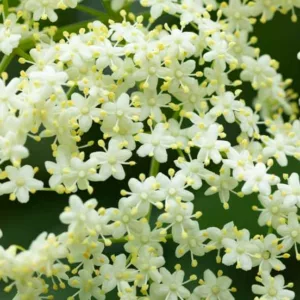
  • Sambucus canadensis (American Elderberry) – fast growing shrub with large white flower clusters followed by black berries that can be used in cooking when properly prepared.
  • Spiraea alba (White Meadowsweet) – sun loving, moisture tolerant shrub with narrow leaves and white flower spires in summer.
  • Spiraea tomentosa (Steeplebush) – similar in shape to meadowsweet but with rosy pink flower spikes.
  • Vaccinium corymbosum (Highbush Blueberry) – classic blueberry with sweet fruit for you and the birds, plus red fall foliage.
  • Vaccinium macrocarpon (Cranberry) – creeping shrub for moist, acidic, sunny sites; good in specialized bog gardens.
  • Vaccinium stamineum (Deerberry) – open, airy blueberry relative with small bell flowers and wildlife friendly fruit.
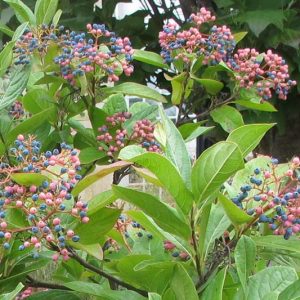
  • Viburnum nudum (Withe Rod) – compact shrub with glossy foliage, white flowers, and berries that shift from pink to blue.
  • Viburnum prunifolium (Blackhaw) – larger viburnum that works as a small tree; white flower clusters and blue black fruit in fall.
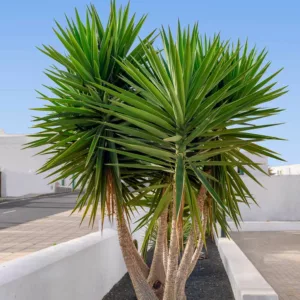
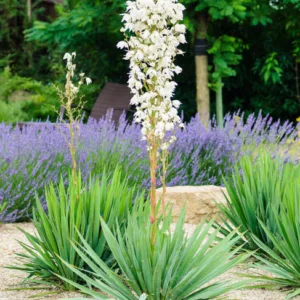
  • Yucca aloifolia (Spanish Bayonet) – spiky evergreen shrub for coastal and sandy sites; tall stalks of white bell flowers in summer.
  • Yucca filamentosa (Adam’s Needle) – clump forming yucca with thread like leaf edges and fragrant white flower spikes; very drought tolerant.

Bringing North Carolina Sun-Loving Shrubs Into Your Design

Sketch every sunny space on your property: along the street, beside driveways, around patios, along fences, and in open side yards. Reserve the harshest, driest spots for extra tough shrubs like yucca, fragrant sumac, sweet fern, and wax myrtle. Use moisture tolerant beauties such as buttonbush, swamp rose, elderberry, hibiscus, and cranberry in low swales, rain gardens, and pond edges.

Layer taller shrubs like serviceberry, chokeberry, viburnum, and possumhaw toward the back of beds. Step down to medium growers such as beautyberry, St. John’s wort, meadowsweet, steeplebush, and Carolina rose. At the front, mix smaller New Jersey tea, sweet fern, and low yucca. Within just a few seasons, your once harsh sunny yard can turn into a colorful, bird filled, pollinator friendly North Carolina native shrub garden.

Discover More North Carolina Native Plants

Plant Finder

Frequently Asked Questions

What does “full sun” really mean for native shrubs in North Carolina?

For sun-loving native shrubs, “full sun” means at least 6 hours of direct, unobstructed sunlight each day during the growing season. In the North Carolina Piedmont and Coastal Plain, 6–8 hours of morning and midday sun is ideal; all-day western exposure can be harsher and will require more mulch and occasional deep watering. If a site only gets 3–5 hours of direct sun or has heavy afternoon shade, most of these shrubs will survive but may bloom less and grow more open and leggy.

Which sun-loving native shrubs are easiest for beginners to grow?

Some of the most forgiving starter shrubs are Callicarpa americana (American beautyberry), Aronia arbutifolia (red chokeberry), Aronia melanocarpa (black chokeberry), Morella cerifera (wax myrtle), Ceanothus americanus (New Jersey tea), Hypericum densiflorum and Hypericum prolificum (St. John’s wort shrubs), Rhus aromatica (fragrant sumac), Viburnum nudum (withe rod), and Rosa carolina (Carolina rose). These species tolerate a range of typical North Carolina garden soils, handle heat and humidity, and require only basic care: decent drainage, 2–3 inches of organic mulch, and regular water during their first one or two summers.

Which native shrubs are best for feeding birds and other wildlife?

Shrubs that combine nectar, berries, and dense cover offer the most wildlife value. Amelanchier stolonifera (running serviceberry), Vaccinium corymbosum (highbush blueberry), Vaccinium stamineum (deerberry), Sambucus canadensis (American elderberry), Callicarpa americana (beautyberry), Aronia arbutifolia and A. melanocarpa (chokeberries), Viburnum nudum and Viburnum prunifolium (blackhaw), and Ilex decidua (possumhaw holly) provide high-quality fruit for songbirds and small mammals. Dense, twiggy shrubs like Rosa carolina, Rosa palustris (swamp rose), and Morella cerifera also create nesting and shelter sites while their flowers support pollinators.

Which native shrubs can handle drought, sand, or poor, rocky soil in full sun?

For dry, fast-draining, or nutrient-poor sites, choose species that evolved in sandy ridges, glades, and savannas. Comptonia peregrina (sweet fern), Yucca filamentosa (Adam’s needle), Yucca aloifolia (Spanish bayonet), Rhus aromatica (fragrant sumac), Rhus glabra (smooth sumac), Ceanothus americanus (New Jersey tea), Morella cerifera (wax myrtle), and some Vaccinium species tolerate drought and lean soil once established. These shrubs still need deep watering during their first growing season but can later thrive with minimal irrigation where many non-natives struggle.

Which native shrubs are good for wet or seasonally soggy sunny spots?

In low areas, rain gardens, pond edges, or swales that stay moist, prioritize moisture-loving shrubs. Cephalanthus occidentalis (buttonbush), Hibiscus moscheutos (hardy hibiscus), Sambucus canadensis (American elderberry), Rosa palustris (swamp rose), Spiraea alba (white meadowsweet), Spiraea tomentosa (steeplebush), Vaccinium macrocarpon (cranberry), and some forms of Vaccinium corymbosum perform well in full sun with consistently damp, acidic soil. These species prefer not to sit in deep standing water for long periods but are adapted to fluctuating water levels and heavy summer downpours.

How should I prepare soil before planting sun-loving native shrubs?

Most North Carolina native shrubs prefer slightly acidic, well-drained but moisture-retentive soil with plenty of organic matter. Loosen the planting area 8–10 inches deep, break up large clods, and mix in several inches of compost, shredded leaves, or pine fines rather than placing shrubs into tight, unamended clay. Dig a hole two to three times as wide as the root ball but no deeper than the existing root mass so the crown sits at or just above the surrounding grade. After planting, water deeply and mulch with 2–3 inches of organic mulch, keeping mulch a few inches away from the stems to prevent rot.

Can I mix native shrubs with non-native ornamentals in a sunny landscape?

Yes, most home landscapes in North Carolina use a mix of native and non-native shrubs, but the ecological benefits are not equal. Prioritizing a high percentage of natives—such as beautyberry instead of invasive bush honeysuckle, or native viburnums instead of exotic privets—greatly increases food and habitat for local insects and birds. A design that uses natives as the structural “backbone,” with a few non-invasive non-natives added for specific colors or textures, balances ecological value with personal style and neighborhood expectations.

References

Updated: November 2025 • Reviewed by Gardenia Editors

Recommended Guides

Great Pollinator Plants for North Carolina
Monarch Nectar Plants for North Carolina
North Carolina Native Shrubs that Attract Wildlife
Shade-Loving Native Shrubs for North Carolina
Native Vines for North Carolina
Native Ferns for North Carolina
Native Grasses for North Carolina
50 Native Wildflowers for North Carolina
Native Groundcovers for North Carolina
36 North Carolina Wildflowers for Sunny Gardens
33 North Carolina Wildflowers for the Shade Garden
North Carolina Native Trees with Showy Flowers or Fruits
North Carolina Native Shrubs with Showy Flowers or Fruits
North Carolina Native Trees for Dry Sites
North Carolina Native Shrubs for Dry Sites
North Carolina Native Trees that Attract Wildlife
Native Evergreen Trees for North Carolina
Native Deciduous Trees for North Carolina
Invasive Plant Species in North Carolina
Sun-Loving Native Shrubs for North Carolina
Native Annuals and Perennials for North Carolina Mountain Region
Native Shrubs for North Carolina Mountain Region
Native Trees for North Carolina Mountain Region
Explore Great Plant Combination Ideas
Middle South Lower South
While every effort has been made to describe these plants accurately, please keep in mind that height, bloom time, and color may differ in various climates. The description of these plants has been written based on numerous outside resources.

Guide Information

Plant Type Shrubs
Exposure Full Sun
Native Plants North Carolina, Southeast, United States
Explore Great Plant Combination Ideas
Middle South Lower South

Related Items

Please Login to Proceed

You Have Reached The Free Limit, Please Subscribe to Proceed

Subscribe to Gardenia

To create additional collections, you must be a paid member of Gardenia
  • Add as many plants as you wish
  • Create and save up to 25 garden collections
Become a Member

Plant Added Successfully

You have Reached Your Limit

To add more plants, you must be a paid member of our site Become a Member

Update Your Credit
Card Information

Cancel

Create a New Collection

Sign Up to Our Newsletter

    You have been subscribed successfully

    Join Gardenia.net

    Create a membership account to save your garden designs and to view them on any device.

    Becoming a contributing member of Gardenia is easy and can be done in just a few minutes. If you provide us with your name, email address and the payment of a modest $25 annual membership fee, you will become a full member, enabling you to design and save up to 25 of your garden design ideas.

    Join now and start creating your dream garden!

    Join Gardenia.net

    Create a membership account to save your garden designs and to view them on any device.

    Becoming a contributing member of Gardenia is easy and can be done in just a few minutes. If you provide us with your name, email address and the payment of a modest $25 annual membership fee, you will become a full member, enabling you to design and save up to 25 of your garden design ideas.

    Join now and start creating your dream garden!
    Find your Hardiness Zone

    Find your Heat Zone

    Find your Climate Zone