Create Your Garden

33 North Carolina Wildflowers for the Shade Garden

North Carolina boasts an array of wildflowers perfect for shade gardens, including the vibrant Woodland Sunflower, unique Mayapple, and charming Foam Flower.
Native Plants, Native Perennials, Native Annuals, North Carolina Native Plant, North Carolina Native Perennials, North Carolina Native Annuals, Shade Perennials, Shade Annuals

33 North Carolina Wildflowers for the Shade Garden – Native Color Under Your Trees

Got a North Carolina backyard full of trees, fences, or the shady side of the house and you are not sure what will grow there? Good news: our forests are packed with native shade wildflowers that carpet the ground in spring, glow in summer, and keep pollinators happy even in low light.

Quick Start – Shade Loving North Carolina Wildflowers

  • Match plant to shade level – dappled woodland light fits many wildflowers, but deep shade near dense evergreens needs only the toughest species like galax and partridge berry.
  • Think leaf litter, not lawn soil – most woodland natives want loose, humus rich, slightly acidic soil like a forest floor, not compacted turf.
  • Keep roots cool and moist – mulch with shredded leaves or pine needles and water during long dry spells, especially in the first two summers.
  • Plant in drifts and clumps – groups of 5 to 9 of the same wildflower create a natural woodland look and help pollinators find blooms.
  • Be patient with spring ephemerals – some species bloom, set seed, and vanish by early summer while their roots rest underground.

Why Choose Shade Loving Native Wildflowers in North Carolina

Native woodland flowers evolved in our piedmont ravines, mountain coves, and coastal plain hammocks. They handle summer humidity, winter freeze thaw cycles, and browsing wildlife far better than many imported shade plants. Their nectar and foliage feed native bees, butterflies, and moth caterpillars that in turn support nesting birds.

  • Low maintenance – once established, most natives need little more than leaf mulch and occasional watering.
  • Four season interest – early spring blooms, lush summer foliage, fall berries, and winter seed heads bring subtle color to shady beds.
  • Better for wildlife – flowers like foamflower, violets, and woodland phlox support specialist pollinators that hostas and non native groundcovers cannot.
  • Perfect for problem spots – slopes, tree drip lines, and narrow side yards can all become miniature North Carolina woodlands.

Star Shade Wildflowers for North Carolina Gardens

Here are some of the most garden worthy shade loving wildflowers drawn from North Carolina forests. Combine spring ephemerals with longer blooming groundcovers for a layered, natural look.

Guide Information

Plant Type Annuals, Perennials
Exposure Partial Sun, Shade
Native Plants United States, Southeast, North Carolina
Actaea racemosa (Black Cohosh)
Arisaema triphyllum (Jack in the Pulpit)
Asarum canadense (Wild Ginger)
Cardamine concatenata (Cutleaf Toothwort)
Caulophyllum thalictroides (Blue Cohosh)
Chelone glabra (White Turtlehead)
Chrysogonum virginianum (Green And Gold)
Cypripedium acaule (Pink Lady’s Slipper Orchid)
Erythronium americanum (Yellow Trout Lily)
Erythronium umbilicatum (Dimpled Trout Lily)
Eurybia divaricata (White Wood Aster)
Galax urceolata (Beetleweed)
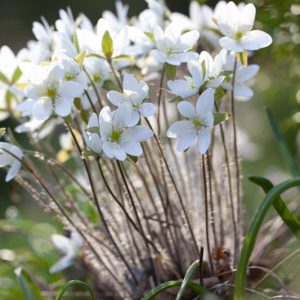
Gillenia trifoliata (Bowman’s Root)
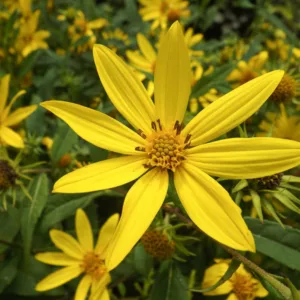
Helianthus divaricatus (Woodland Sunflower)
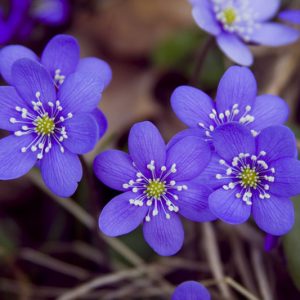
Hepatica acutiloba (Sharp-Lobed Liverleaf)
Hepatica nobilis (Liverleaf)
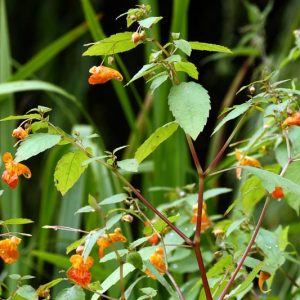
Impatiens capensis (Orange Jewelweed)
Iris cristata (Dwarf Crested Iris)
Maianthemum racemosum (False Spikenard)
Mitchella repens (Partridge Berry)
Phlox stolonifera (Creeping Phlox)
Podophyllum peltatum (May Apple)
Polygonatum biflorum (Small Solomon’s Seal)
Sanguinaria canadensis (Bloodroot)
Shortia galacifolia (Oconee Bells)
Tiarella cordifolia (Foam Flower)
Tiarella wherryi (Wherry’s Foam Flower)
Trillium cuneatum (Little Sweet Betsy)
Trillium luteum (Wood Lily)
Viola affinis (Sand Violet)
Viola blanda (Sweet White Violet)
Viola pubescens (Downy Yellow Violet)
Viola striata (Striped White Violet)
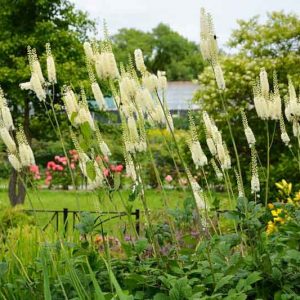
  • Actaea racemosa (Black Cohosh) – tall, architectural stems topped with frothy white flower wands in early summer. Great for a back of the border woodland accent and a magnet for pollinators.
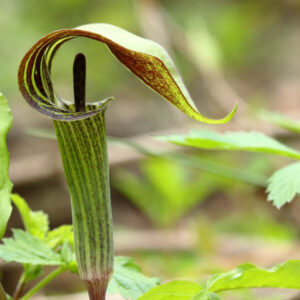
  • Arisaema triphyllum (Jack in the Pulpit) – curious striped spathes in spring followed by bright red berry clusters in late season. Thrives in rich, moist shade beneath deciduous trees.
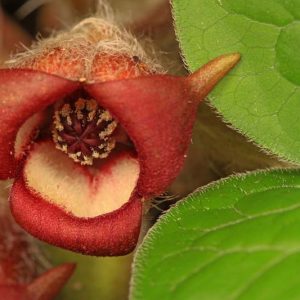
  • Asarum canadense (Wild Ginger) – low, heart shaped leaves form a dense groundcover. Hidden brownish flowers sit at soil level and attract ground dwelling pollinators.
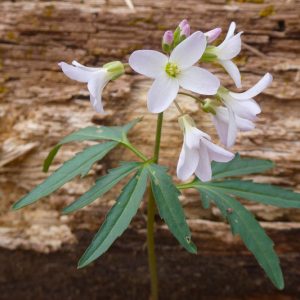
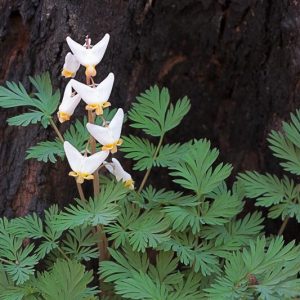
  • Cardamine concatenata (Cutleaf Toothwort) – finely cut foliage and delicate white or pinkish blooms in early spring. A classic piedmont and mountain ephemeral for moist, humusy soil.
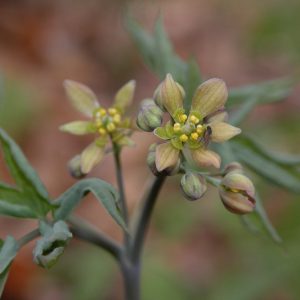
  • Caulophyllum thalictroides (Blue Cohosh) – blue green foliage and small yellow brown flowers, followed by electric blue berries. Best in cool, shaded ravines with steady moisture.
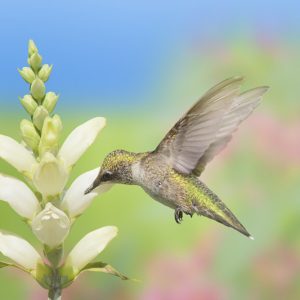
  • Chelone glabra (White Turtlehead) – upright stems with white snapdragon like flowers that bumblebees crawl inside. A host plant for the Baltimore checkerspot butterfly in moist shade.
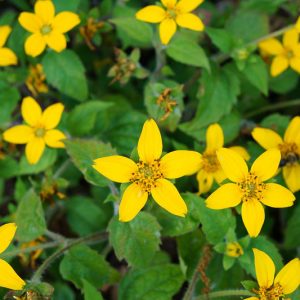
  • Chrysogonum virginianum (Green and Gold) – one of the best native shade groundcovers. Semi evergreen foliage studded with golden daisies from spring into summer.
  • Cypripedium acaule (Pink Lady’s Slipper) – iconic orchid of North Carolina pine and oak woods. Spectacular but difficult to cultivate ethically, so enjoy it in the wild and avoid disturbing natural populations.
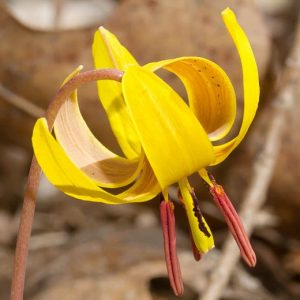
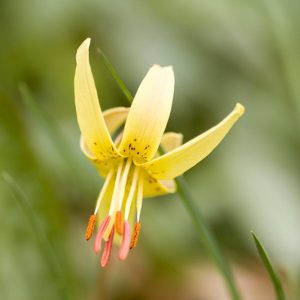
  • Erythronium americanum and Erythronium umbilicatum (Trout Lilies) – mottled leaves and nodding yellow flowers that light up the forest floor in very early spring.
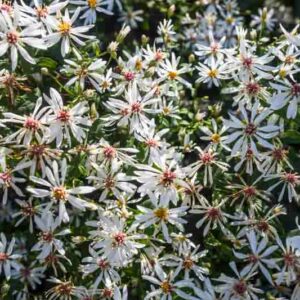
  • Eurybia divaricata (White Wood Aster) – airy sprays of white daisies in late summer and fall, perfect for brightening high shade and feeding late season pollinators.
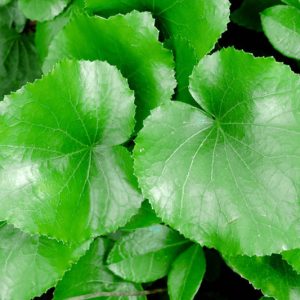
  • Galax urceolata (Beetleweed) – shiny, leathery evergreen leaves that tolerate deep shade. White flower spikes rise above the foliage in early summer.
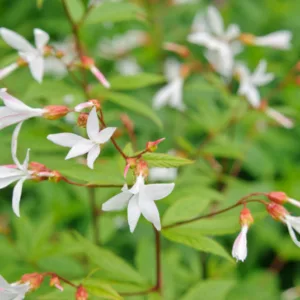
  • Gillenia trifoliata (Bowman’s Root) – open, wiry stems covered with starry white blossoms in late spring. Turns glowing red in fall for extra woodland color.
  • Helianthus divaricatus (Woodland Sunflower) – cheerful yellow daisies on branched stems in part shade. Excellent for naturalistic plantings and wildlife gardens.
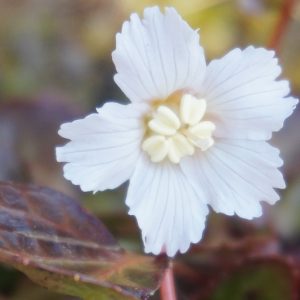
  • Hepatica acutiloba and Hepatica nobilis (Liverleaf) – among the earliest woodland wildflowers to bloom, with white, lavender, or pink flowers and attractive evergreen leaves.
  • Impatiens capensis (Orange Jewelweed) – bright orange, speckled flowers loved by hummingbirds and bees. Prefers moist, partially shaded spots and can self sow gently.
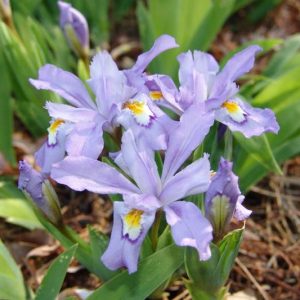
  • Iris cristata (Dwarf Crested Iris) – miniature bearded iris for dry to average shade, forming mats of fans topped with lavender blue blooms in spring.
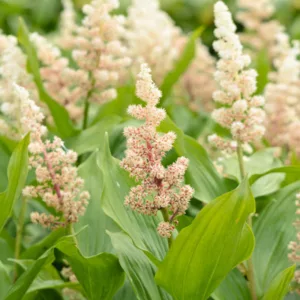
  • Maianthemum racemosum (False Solomon’s Seal) – arching stems with feathery flower clusters at the tips, followed by red berries that birds relish.
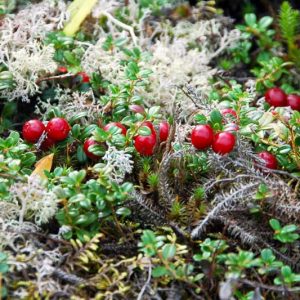
  • Mitchella repens (Partridge Berry) – evergreen trailing groundcover for deep shade, with tiny white flowers and twin scarlet berries that shine in winter.
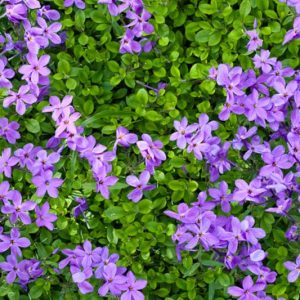
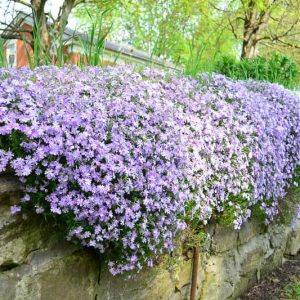
  • Phlox stolonifera (Creeping Phlox) – fragrant carpets of pink, lavender, or white flowers in spring. Ideal for woodland edges, slopes, and path edges in part shade.
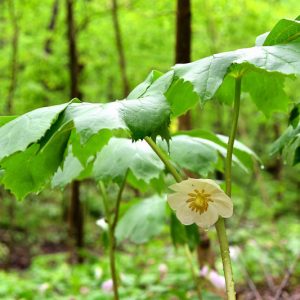
  • Podophyllum peltatum (Mayapple) – umbrella like leaves that unfurl in spring, hiding a single white flower and later a yellow fruit beneath the canopy.
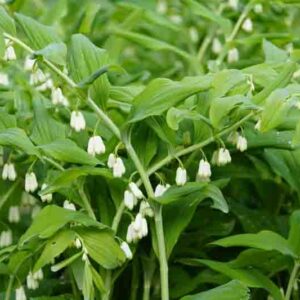
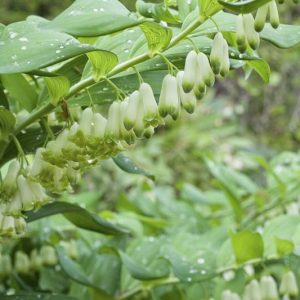
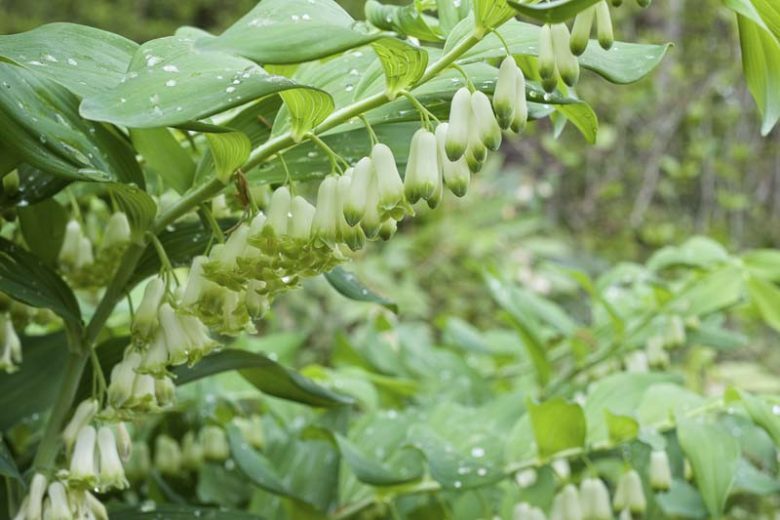
  • Polygonatum biflorum (Small Solomon’s Seal) – elegant arching stems with dangling white bells, followed by blue black berries. Blends beautifully with ferns and hostas.
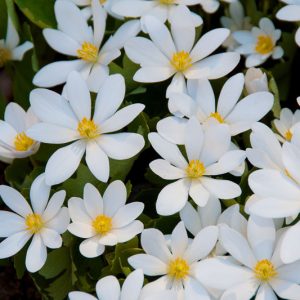
  • Sanguinaria canadensis (Bloodroot) – pure white, many petaled flowers that emerge wrapped in bluish leaves each spring. A jewel for rich, moist woodland beds.
  • Shortia galacifolia (Oconee Bells) – rare and treasured Appalachian species with nodding white bells in early spring and shiny evergreen foliage. Needs cool, moist, acidic sites.
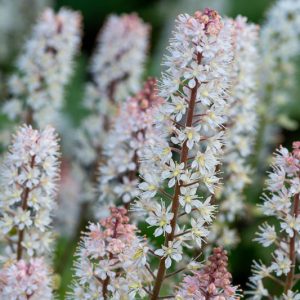
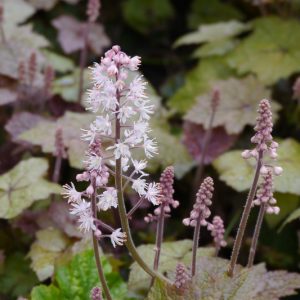
  • Tiarella cordifolia and Tiarella wherryi (Foamflower) – frothy white flower wands over patterned leaves. Spreading forms make great groundcovers for shaded slopes and around tree trunks.
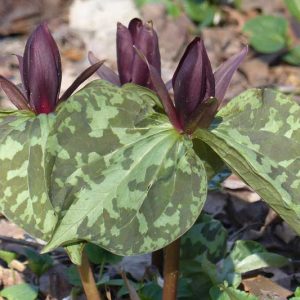
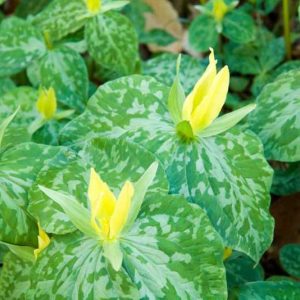
  • Trillium cuneatum and Trillium luteum – showy three petaled flowers held above mottled leaves. Trilliums are slow but long lived woodland classics that resent disturbance.
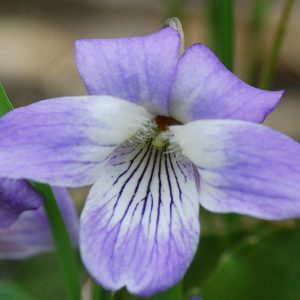
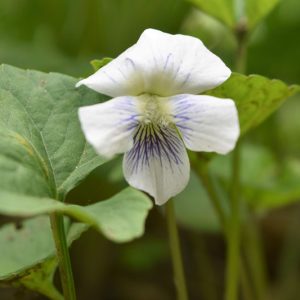
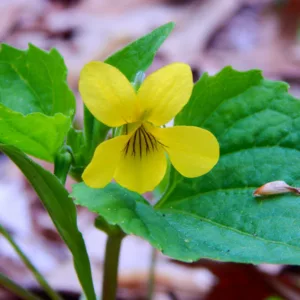
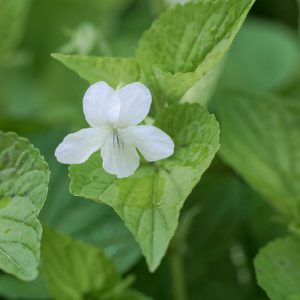
  • Viola affinis, Viola blanda, Viola pubescens, Viola striata (Native Violets) – host plants for fritillary butterflies with sweet spring blossoms in shades of blue, white, and yellow. Excellent tucked among ferns and shrubs.

Design Tips for a North Carolina Shade Wildflower Garden

  • Layer heights – combine tall accents like black cohosh and woodland sunflower with mid height foamflower and iris, plus low groundcovers such as wild ginger and partridge berry.
  • Blend ferns and shrubs – mix in native ferns, dogwoods, sweetshrub, and azaleas to frame your wildflowers and echo natural forest structure.
  • Use paths and logs – curved mulch paths, mossy logs, and rocks help your shade garden feel like a stroll through a North Carolina ravine.
  • Skip fertilizers and heavy digging – too much disturbance or high nitrogen can favor weeds over slow growing woodland natives.


Explore More Shade Loving North Carolina Native Plants


Use the Plant Finder to Match Wildflowers to Your Light and Soil

Frequently Asked Questions

What makes a wildflower suitable for shade in North Carolina?

Shade tolerant native wildflowers evolved in North Carolina’s forests, where they grow under tree canopies with limited direct sun. These species are adapted to dappled light, cool root zones, and rich leaf litter soils. They maintain strong foliage and dependable blooms even in low light, unlike many sun-dependent ornamentals.

Which native wildflowers grow best in shade in North Carolina?

Reliable shade loving species include green and gold, creeping phlox, wild ginger, Jack in the pulpit, trillium, foamflower, dwarf crested iris, trout lilies, white wood aster, partridge berry, Mayapple, bloodroot, hepatica, and woodland sunflower. Many of these thrive with morning shade and afternoon dappled light.

What type of soil do shade loving wildflowers prefer?

Most woodland natives prefer moist, well drained, humus rich soils similar to a natural forest floor. They perform best in ground covered with leaf litter, pine needles, or composted organic matter. Compacted lawn soils or heavy clay often require amending or loosening to support healthy root growth.

Can shade loving native wildflowers handle dry shade under mature trees?

Some species can adapt to dry shade once established, especially wild ginger, partridge berry, green and gold, liverleaf, and small Solomon’s seal. However, new plantings need consistent watering during their first year because mature tree roots compete heavily for moisture.

Do native shade wildflowers attract pollinators?

Yes. Foamflower, violets, wood asters, jewelweed, and woodland sunflower support bees, hoverflies, and late season pollinators. Jack in the pulpit, bloodroot, and trout lilies rely on specialized pollinators, contributing to a healthy forest ecosystem. Orange jewelweed also attracts hummingbirds in shaded wetlands.

Will shade loving wildflowers spread or naturalize?

Many natives spread gently by rhizomes or self-seeding, creating natural drifts that fit a woodland aesthetic. Mayapple, trout lilies, partridge berry, foamflower, and wild ginger can form small colonies over time. Their spread is usually manageable and far less aggressive than non native groundcovers like English ivy or vinca.

How much shade is too much for woodland wildflowers?

Most species tolerate dappled shade or bright open shade. Extremely deep shade under dense evergreen canopies supports fewer flowering plants, favoring mostly evergreen groundcovers like partridge berry and galax. Increasing filtered light by limbing up trees often improves bloom performance.

Can I grow North Carolina shade wildflowers in containers?

Yes. Plants like foamflower, green and gold, violet species, and dwarf crested iris adapt well to containers placed in part shade. Containers must retain moisture but drain well, and plants may need winter protection in the mountains or colder piedmont regions.

References

Updated: November 2025 • Reviewed by Gardenia Editors

Recommended Guides

Great Pollinator Plants for North Carolina
Monarch Nectar Plants for North Carolina
North Carolina Native Shrubs that Attract Wildlife
Shade-Loving Native Shrubs for North Carolina
Native Vines for North Carolina
Native Ferns for North Carolina
Native Grasses for North Carolina
50 Native Wildflowers for North Carolina
Native Groundcovers for North Carolina
36 North Carolina Wildflowers for Sunny Gardens
33 North Carolina Wildflowers for the Shade Garden
North Carolina Native Trees with Showy Flowers or Fruits
North Carolina Native Shrubs with Showy Flowers or Fruits
North Carolina Native Trees for Dry Sites
North Carolina Native Shrubs for Dry Sites
North Carolina Native Trees that Attract Wildlife
Native Evergreen Trees for North Carolina
Native Deciduous Trees for North Carolina
Invasive Plant Species in North Carolina
Sun-Loving Native Shrubs for North Carolina
Native Annuals and Perennials for North Carolina Mountain Region
Native Shrubs for North Carolina Mountain Region
Native Trees for North Carolina Mountain Region
Explore Great Plant Combination Ideas
Middle South Lower South
While every effort has been made to describe these plants accurately, please keep in mind that height, bloom time, and color may differ in various climates. The description of these plants has been written based on numerous outside resources.

Guide Information

Plant Type Annuals, Perennials
Exposure Partial Sun, Shade
Native Plants United States, Southeast, North Carolina
Explore Great Plant Combination Ideas
Middle South Lower South

Related Items

Please Login to Proceed

You Have Reached The Free Limit, Please Subscribe to Proceed

Subscribe to Gardenia

To create additional collections, you must be a paid member of Gardenia
  • Add as many plants as you wish
  • Create and save up to 25 garden collections
Become a Member

Plant Added Successfully

You have Reached Your Limit

To add more plants, you must be a paid member of our site Become a Member

Update Your Credit
Card Information

Cancel

Create a New Collection

Sign Up to Our Newsletter

    You have been subscribed successfully

    Join Gardenia.net

    Create a membership account to save your garden designs and to view them on any device.

    Becoming a contributing member of Gardenia is easy and can be done in just a few minutes. If you provide us with your name, email address and the payment of a modest $25 annual membership fee, you will become a full member, enabling you to design and save up to 25 of your garden design ideas.

    Join now and start creating your dream garden!

    Join Gardenia.net

    Create a membership account to save your garden designs and to view them on any device.

    Becoming a contributing member of Gardenia is easy and can be done in just a few minutes. If you provide us with your name, email address and the payment of a modest $25 annual membership fee, you will become a full member, enabling you to design and save up to 25 of your garden design ideas.

    Join now and start creating your dream garden!
    Find your Hardiness Zone

    Find your Heat Zone

    Find your Climate Zone