Your lilies have finished blooming - now what? Learn when to deadhead, why green stems and leaves must stay, how long to water and feed, when to cut lilies down, and when to divide crowded bulbs. Gardenia's Flowers Off, Foliage On rule makes post-bloom lily care easy to remember.


The last lily flower has faded. Now what? Should you cut off the flower, remove the entire stem, keep watering, fertilize, dig up the bulbs, or simply leave the plant alone?
Flowering is not the end of a lily’s growing season. After the blooms fade, the green leaves and stem continue to photosynthesize, helping the bulb rebuild reserves for next year’s growth and flowers.
The most important rule is simple: do not cut healthy green lily stems to the ground just because flowering has finished. Remove spent flowers, keep the foliage, continue appropriate care while the plant remains active, and wait for natural yellowing before cutting stems back.
The short version: Flowers off. Foliage on. Let the lily finish its growing season before tidying away the stem.
| Question | What to Do | Why |
|---|---|---|
| Deadhead faded flowers? | Yes, unless saving seed | Prevents unwanted seed production |
| Cut the whole stem? | No, not while it is green | Green leaves continue supporting the bulb |
| Keep watering? | Yes, as conditions require while foliage is active | The plant is still growing after flowering |
| Keep feeding? | For a limited period where needed, especially in containers | Supports active post-bloom growth without encouraging excessive late growth |
| Cut yellow or dead stems? | Yes | The above-ground growing season has ended |
| Dig up the bulbs? | Usually no | Lift mainly to divide, move, inspect, or protect them |
Once an individual lily flower fades, remove the spent bloom if you do not want the plant to produce seed. Cut just below the faded flower or developing seed structure, preserving the green leaves and as much of the stem as possible.
Deadheading prevents unwanted seed production, but it is important to distinguish removing the faded flower from cutting down the entire flowering stem.
Deadheading does not make true lilies rebloom. A Lilium stem normally has one flowering cycle each year. Removing spent flowers stops seed formation but does not trigger another flush on that finished stem.
To enjoy lilies over a longer season, combine groups and cultivars that flower at different times. Gardenia’s How Long Do Lilies Bloom? guide explains the difference between the life of an individual flower, the display from one plant, and a garden designed for successive lily bloom.
A lily may look finished after its flowers disappear, but the plant is still active. Its green leaves continue photosynthesizing and producing carbohydrates that help replenish the bulb.
Cutting the whole stem immediately after flowering removes much of that energy-producing leaf area. Repeated premature cutting can weaken bulbs and reduce future performance.
Leave healthy stems upright while they remain green. As the season progresses, they will naturally yellow, brown, and dry, signaling that above-ground growth is ending.
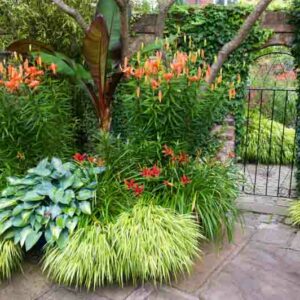
If ripening stems look untidy, disguise them with neighboring plants rather than cutting them prematurely. Hardy geraniums, grasses, asters, roses, and other later-growing companions can gradually take over the display. Gardenia’s Great Companion Plants for Lilies explains how to create this seasonal handoff.
Lilies do not stop needing water when the last flower drops. As long as foliage remains green and active, the plant is still growing.
Lilies in the ground: Established plants generally need supplemental watering mainly during dry periods. Water thoroughly when necessary, but ensure excess water drains away.
Lilies in containers: Pots dry more quickly than garden soil, so continue checking the potting mix after flowering. Water as needed while foliage remains active, then gradually reduce watering as growth declines.
The goal is neither drought nor constant wetness. Maintain adequate moisture while the leaves are functioning, but never leave lily bulbs sitting in saturated soil.
A limited period of post-flowering feeding can be useful, especially for container-grown lilies, but fertilizer should not continue indefinitely simply because some foliage remains green.
Container lilies benefit most from continued feeding because nutrients in potting mix are limited and gradually depleted. While plants remain actively growing, a high-potassium liquid fertilizer can be applied according to label directions.
Iowa State University Extension recommends stopping fertilizer about six weeks after blooming ends so the plant can transition toward dormancy.
Lilies growing in reasonably fertile garden soil generally do not need heavy post-bloom fertilization. Keep applications moderate and avoid excessive nitrogen, which can encourage lush, soft growth.
Once foliage and stems have yellowed, browned, or died naturally, cut the dead stems down near soil level.
Use clean, sharp pruners and remove dead debris from around the plant, particularly if foliar disease occurred during the growing season.
Do not rely on a fixed calendar date. An early Asiatic lily may complete its cycle well before a late Oriental or Orienpet. The condition of the foliage is a better guide than the calendar.
For a clearer picture of seasonal differences among major lily groups, see Gardenia’s When Do Lilies Bloom? Lily Bloom Calendar.
If you deadhead lilies soon after flowering, seed pods will usually be removed before they develop. If seed propagation is your goal, however, leave selected pods on the plant to mature.
Seed-grown lilies can take considerable time to reach flowering size, and seedlings from hybrids may not reproduce the characteristics of the parent cultivar exactly. For most gardeners growing named cultivars, there is little reason to allow every flower to set seed.
Not automatically. Healthy lilies can remain undisturbed for years if they continue growing and flowering well.
Consider lifting and dividing a clump when:
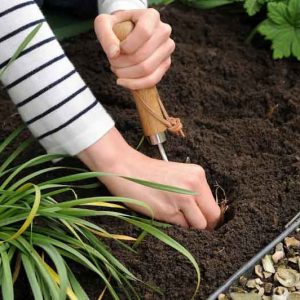
Lilies are commonly lifted and divided in fall as foliage dies back and plants move toward dormancy, although timing varies with climate and growing conditions. Dig carefully around the clump, lift the bulbs, separate healthy bulbs and offsets, and inspect them before replanting.
Lily bulbs lack the dry protective outer tunic found on tulips and daffodils. Their fleshy scales can lose moisture relatively quickly once exposed.
Do not leave lifted lily bulbs drying in the sun. Replant promptly. If planting must be delayed, keep bulbs cool and protected from drying.
Planting depth varies among lily types. Before resetting divided bulbs, use Gardenia’s Lily Planting Depth and Spacing Guide.
Usually not. Hardy garden lilies are perennial bulbs and normally remain in the ground from year to year.
Lift them when there is a reason: the clump needs dividing, the lilies need moving, drainage or another site condition needs correcting, a bulb problem needs investigation, or the particular lily is not reliably hardy in your climate.
Winter drainage is generally more important than annual lifting. Dormant lily bulbs should not remain in saturated soil for long periods.
Lilies in containers need slightly different aftercare because their roots occupy a limited volume of potting mix that dries faster and contains fewer nutrient reserves than garden soil.
Repot in autumn if the container has become crowded or the potting mix needs renewal. Healthy bulbs do not need repotting every year.
During winter, avoid prolonged saturation, but do not allow container-grown bulbs to become severely desiccated for months. Remember also that bulbs in pots can be more exposed to freezing root-zone temperatures than bulbs planted in the ground.
For cultivar selection and more pot-specific advice, see Gardenia’s Best Lilies for Pots and Containers.
A potted Easter lily does not need to be discarded when its holiday flowers fade.
Remove spent blooms but keep the green foliage. Give the plant bright light and continue appropriate watering while the leaves remain active.
Where climate permits, an Easter lily can eventually be transitioned outdoors and planted in the garden after danger of frost has passed. Once it returns to a natural outdoor cycle, its future flowering time may differ considerably from the artificially timed Easter display produced by greenhouse forcing.
Check local hardiness before treating an Easter lily as a permanent garden perennial, since winter survival varies by climate.
Harvesting lilies for arrangements can remove a significant portion of the leafy stem. If you want the bulb to perform well the following year, avoid cutting the entire stem.
Leave at least about half — and preferably more — of the stem and foliage so enough photosynthetic tissue remains to support the bulb. This is especially important when harvesting flowers from the same clumps year after year.
Gradual yellowing near the end of the growing season is normal and marks the lily’s transition toward dormancy.
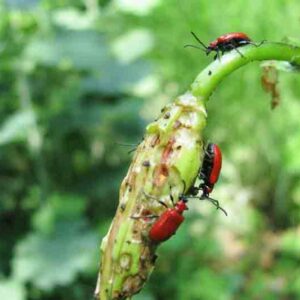
Yellowing that occurs unusually early, sudden stem collapse, heavy spotting, or one plant declining while neighboring lilies remain green deserves closer attention.
Possible causes include:
Look at the pattern as well as the color. A whole planting gradually fading late in the season is very different from one stem collapsing or becoming heavily spotted weeks earlier than expected.
If flowering has also been weak or absent, use Gardenia’s Why Are My Lilies Not Blooming? guide to investigate likely causes.
If leaves are spotted, distorted, collapsing, or dying unusually early, check Gardenia’s Lily Pests and Diseases Guide before assuming the plant is simply going dormant.
Yes. Good planting design is a better solution than prematurely removing healthy lily foliage.
As lilies finish flowering, neighboring plants can gradually become more prominent, screening lower stems while the lily leaves complete their work.
Depending on the site, useful companions include hardy geraniums, roses, ornamental grasses, asters, Japanese anemones, Rudbeckia, and Sedum.
Choose companions that share compatible growing conditions and avoid smothering the lily foliage beneath dense growth.
True lilies (Lilium) are extremely dangerous to cats. Exposure can cause life-threatening kidney injury. Flowers, leaves, stems, pollen, and other plant material can all present a serious risk.
The danger does not disappear when flowering ends. Fading blooms may shed petals and pollen, and plant material can be easier for a cat to contact while flowers are being removed or arrangements discarded.
Remove fallen petals and pollen promptly. If a cat may have chewed, swallowed, or otherwise been exposed to a true lily, seek veterinary advice urgently rather than waiting for symptoms.
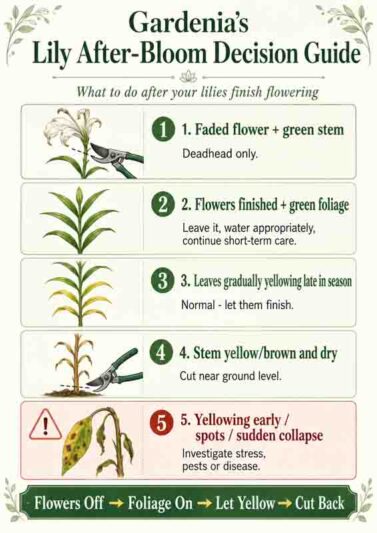
Instead of following the calendar, follow the stage your lily has reached.
| Stage | What You See | What to Do |
|---|---|---|
| 1. Flowering ends | Flowers fading, foliage green | Deadhead spent flowers unless saving seed |
| 2. Post-bloom growth | Stem and leaves remain green | Keep green growth intact |
| 3. Active recovery | Healthy foliage still functioning | Maintain appropriate watering and limited feeding where needed |
| 4. Natural decline | Foliage gradually yellowing | Let it yellow naturally |
| 5. Dormancy begins | Stems yellow, brown, or dead | Cut back near soil level |
| 6. Clump assessment | Crowding or declining performance | Divide only if needed |
The Gardenia after-bloom sequence: Deadhead → Keep Green → Maintain → Let Yellow → Cut Back → Divide Only if Needed.
Leaves yellowing too early? Do not automatically cut the plant down. Check watering, drainage, roots, pests, and disease first.
Leaves spotted, collapsing, or dying unusually early? Use Gardenia’s Lily Pests and Diseases Guide to distinguish normal decline from a plant-health problem.
Poor flowering this year? Use Gardenia’s Why Are My Lilies Not Blooming? diagnostic guide.
Dividing or moving your bulbs? Check Gardenia’s Lily Planting Depth and Spacing Guide.
Want to hide fading stems? See Gardenia’s Great Companion Plants for Lilies.
Need the complete growing cycle? See Gardenia’s How to Grow and Care for Lilies.
Gardenia helps you determine whether your lily is finishing normally, showing a problem, ready to divide, or simply in need of better seasonal planting around it.
Do not cut lilies to the ground immediately after flowering. Remove faded flowers, but leave green stems and leaves in place so they can continue photosynthesizing and replenishing the bulbs. Cut stems near ground level only after they have yellowed or died back naturally.
Yes, deadhead faded lily flowers if you do not want seed. Cut just below the spent flower or developing seed structure while preserving the green stem and leaves. Deadheading prevents seed production but does not normally make a true lily produce a second flowering cycle.
Leave lily stems in place while they remain healthy and green. The timing varies with the lily, climate, and season. Once stems and foliage have yellowed, browned, or died naturally, cut them down near soil level.
Yes, lilies still need moisture while foliage remains green and active. Garden lilies may need supplemental water during dry weather, while container lilies should be checked regularly. Reduce watering as foliage dies back and always avoid waterlogged soil.
Container lilies can benefit from continued feeding for a limited period after flowering while they remain actively growing. A high-potassium liquid fertilizer can be used according to label directions. Iowa State Extension recommends stopping fertilizer about six weeks after blooming ends. Lilies in fertile garden soil generally do not need heavy post-bloom fertilization.
No. Deadheading does not normally trigger true lilies to rebloom on a finished stem. It prevents seed production. To extend the lily season, grow cultivars and groups with different flowering periods rather than relying on deadheading for repeat bloom.
No. Hardy garden lilies are normally left in the ground from year to year. Lift them mainly when they need dividing or moving, when the site is unsuitable, or when a particular lily requires winter protection in your climate.
After lilies bloom, remove faded flowers but leave healthy green stems and foliage intact. Continue appropriate watering and short-term post-bloom care while the plant remains active, then allow the foliage to yellow naturally before cutting stems near ground level.
Remember Gardenia’s rule: Flowers Off, Foliage On. The flowers may be finished, but the green plant is already helping prepare the bulb for next year’s display.
Updated: August 2026 • Reviewed by Gardenia Editors
| Hardiness |
3 - 9 |
|---|---|
| Heat Zones |
1 - 3 |
| Climate Zones | 1, 2, 3, 4, 5, 6, 7, 8, 9, 14, 15, 16, 17, 18, 19, 20, 21, 22, 23 |
| Plant Type | Bulbs, Perennials |
| Genus | Lilium |
| Exposure | Full Sun, Partial Sun |
| Season of Interest | Spring (Late), Summer (Early, Mid, Late) |
| Maintenance | Low |
| Water Needs | Average |
| Soil Type | Chalk, Clay, Loam, Sand |
| Soil pH | Acid, Alkaline, Neutral |
| Soil Drainage | Moist but Well-Drained, Well-Drained |
| Characteristics | Cut Flowers, Fragrant, Showy |
| Landscaping Ideas | Beds And Borders, Patio And Containers |
| Garden Styles | City and Courtyard, Cutting Garden, Informal and Cottage, Traditional Garden |
| Hardiness |
3 - 9 |
|---|---|
| Heat Zones |
1 - 3 |
| Climate Zones | 1, 2, 3, 4, 5, 6, 7, 8, 9, 14, 15, 16, 17, 18, 19, 20, 21, 22, 23 |
| Plant Type | Bulbs, Perennials |
| Genus | Lilium |
| Exposure | Full Sun, Partial Sun |
| Season of Interest | Spring (Late), Summer (Early, Mid, Late) |
| Maintenance | Low |
| Water Needs | Average |
| Soil Type | Chalk, Clay, Loam, Sand |
| Soil pH | Acid, Alkaline, Neutral |
| Soil Drainage | Moist but Well-Drained, Well-Drained |
| Characteristics | Cut Flowers, Fragrant, Showy |
| Landscaping Ideas | Beds And Borders, Patio And Containers |
| Garden Styles | City and Courtyard, Cutting Garden, Informal and Cottage, Traditional Garden |
Create a membership account to save your garden designs and to view them on any device.
Becoming a contributing member of Gardenia is easy and can be done in just a few minutes. If you provide us with your name, email address and the payment of a modest $25 annual membership fee, you will become a full member, enabling you to design and save up to 25 of your garden design ideas.
Join now and start creating your dream garden!
Create a membership account to save your garden designs and to view them on any device.
Becoming a contributing member of Gardenia is easy and can be done in just a few minutes. If you provide us with your name, email address and the payment of a modest $25 annual membership fee, you will become a full member, enabling you to design and save up to 25 of your garden design ideas.
Join now and start creating your dream garden!