How often should you water tomato plants? There is no single schedule. Learn when tomatoes really need water, how deeply to irrigate, how heat, soil, containers, and fruiting change their needs, and why consistent moisture helps prevent cracked fruit, blossom-end rot, wilting, and other frustrating tomato problems.


How often should you water tomato plants? For most tomatoes growing in the ground, the answer is not “every day” and it is not automatically “twice a week.” Tomatoes need water often enough to keep the soil around their active roots reasonably and consistently moist, but never permanently saturated.
Under moderate conditions, established in-ground tomatoes often do well with about 1 inch (2.5 cm) of rain or irrigation per week, commonly delivered in one or two thorough waterings. But that is a starting point, not a schedule. A tomato growing in sandy soil during a hot, windy week can need water far sooner. A plant in a large container may need watering every day. A tomato in moisture-retentive soil after rain may need nothing at all.
The key is consistency. Repeatedly allowing the root zone to become very dry and then soaking it can stress plants, contribute to blossom-end rot, and increase fruit cracking. Watering too frequently can be just as troublesome if the soil remains saturated and roots lose access to oxygen.
The short answer: Start with about 1 inch (2.5 cm) of water per week for established tomatoes in the ground, including rainfall. Then adjust for soil, weather, plant size, fruit load, and how quickly the root zone is actually drying. Container tomatoes need much more frequent checking.
For planting, feeding, pruning, support, and troubleshooting advice, see Gardenia’s complete guide to growing tomatoes.
Established tomatoes in ordinary garden soil commonly need a deep watering once or twice a week when rainfall is insufficient. But deciding in advance that Tuesday and Saturday are “tomato watering days” can cause problems.
If Tuesday was cool and cloudy and Wednesday turns hot and windy, Tuesday’s schedule may already be out of date. Tomatoes respond to their actual environment, not the calendar.
| Growing Situation | Likely Pattern | Why |
|---|---|---|
| In-ground tomatoes | Often 1-2 deep waterings weekly | Larger soil reservoir buffers drying |
| Raised beds | Often more frequent | Excellent drainage and exposed sides increase drying |
| Sandy soil | More frequent checks and irrigation | Water drains rapidly |
| Clay-rich soil | Usually less frequent | Moisture is retained longer |
| Containers | Check daily in warm weather | Limited potting mix can dry quickly |
A fixed watering frequency cannot account for a changing garden. Gardenia’s practical approach is to check five factors before deciding whether a tomato needs water:
Those five clues are more useful than asking whether tomatoes should be watered every two, three, or four days.
Gardenia’s rule: The soil tells you whether water is available now. Weather tells you how quickly that supply is likely to disappear. Plant size and fruit load tell you how quickly the tomato may use it.
Do not judge by the soil surface alone. On a sunny day, the top inch can look dry while plenty of moisture remains underneath.
Push a finger into the soil or use a small trowel several inches from the stem. Check the soil 2-3 inches (5-7.5 cm) below the surface and several inches away from the stem. If the soil underneath remains comfortably moist, watering can usually wait. If the soil through the active root zone is becoming dry, water thoroughly.
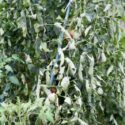
The plant itself can provide clues, but wilting is easy to misread. Tomato leaves sometimes droop temporarily during intense afternoon heat even when the soil contains adequate moisture. If the plant recovers as temperatures fall, extra irrigation may not be necessary.
Wilting that persists into the cooler evening or is present early in the morning is more significant, particularly when the soil is dry.
Gardenia Tomato Watering Decision Guide
| Surface dry, deeper soil moist | Wait and check again later. |
| Soil several inches down becoming dry | Water thoroughly. |
| Plant droops at 3 PM, soil moist | Wait and see whether it recovers as the day cools. |
| Plant wilted early morning, soil dry | Water deeply. |
| Plant wilted, soil soggy | Do not add more water. Investigate drainage or root problems. |
| Hot, windy weather + heavy fruit load | Check sooner than usual. |
For established tomatoes growing in the ground, about 1 inch (2.5 cm) of rainfall plus irrigation per week is a useful baseline under moderate conditions. Plants may need considerably more attention during prolonged heat, dry wind, heavy fruiting, or when grown in fast-draining soil.
How that water is delivered matters. A quick daily sprinkle may dampen only the upper surface, encouraging roots to remain near the hottest, driest part of the soil. A slower, thorough watering reaches farther down and makes a much larger volume of soil available to roots.
There is no universal answer to “How many minutes should I run my hose?” Water pressure, emitter flow, soil texture, and irrigation equipment differ enormously. Occasionally dig into the soil after watering. If only the top inch or two is wet, the irrigation was too shallow.
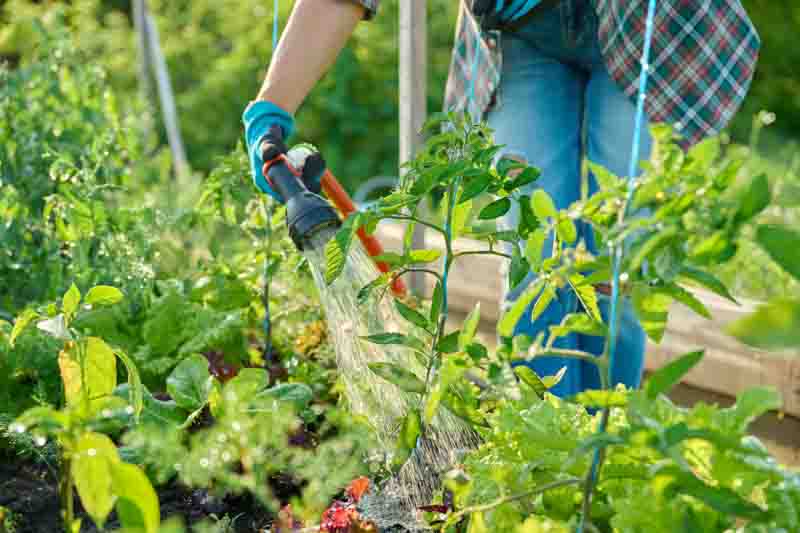
Apply water slowly at soil level. Drip irrigation, soaker hoses, or careful hand watering all work well because they place moisture where the roots need it without unnecessarily soaking the foliage.
Morning is convenient because temperatures are cooler and any leaves accidentally splashed have plenty of time to dry. But a genuinely dry tomato should not be left severely stressed simply because morning has passed. Water when it needs water.
Mulching also makes irrigation easier. A 2-3 inch (5-7.5 cm) layer of clean straw, shredded leaves, or another suitable organic mulch can reduce evaporation, moderate soil temperatures, and reduce soil splash onto lower foliage. Keep mulch slightly away from the stem.
Avoid routine overhead watering when practical. Wet foliage remains vulnerable to several diseases, and splashing can move soil containing disease organisms onto the lower leaves.
Hot weather does not automatically mean every in-ground tomato needs daily watering. A well-established plant in deeply moist, mulched soil may have a large reservoir available to its roots.
What heat does mean is that you should check more frequently. Large plants carrying fruit can move substantial amounts of water through their foliage, and wind can accelerate moisture loss dramatically.
Before a period of extreme heat, make sure the soil is adequately moist rather than waiting until plants are badly wilted. During the heat wave, check the root zone each day. Water when it is drying, but resist turning the soil into permanent mud.
If afternoon leaves droop while the soil is still moist, observe the plant again after temperatures fall. Temporary heat wilt and genuine drought stress are not the same thing.
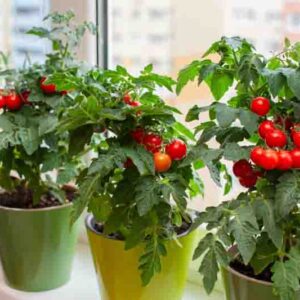
Container tomatoes are a different proposition. Their roots are confined to a limited amount of potting mix, so the available water reserve can disappear quickly.
Check pots daily during warm weather. A large tomato in a relatively small container can go from adequately moist to badly dry within a hot afternoon. Mature plants may need daily irrigation during summer, and exceptionally hot, windy conditions can demand even closer attention.
Container size matters enormously. A vigorous tomato in a generous pot has far more moisture available than the same plant crowded into a small container. Larger containers also experience slower temperature and moisture swings.
Water thoroughly enough to moisten the potting mix throughout and allow excess water to drain. Do not leave conventional containers permanently standing in water.
Container shortcut: If a tomato pot repeatedly dries out before the end of the day, the problem may not be your watering technique. The container may simply be too small for the plant.
Newly planted tomatoes: Water thoroughly after transplanting to settle soil around the roots. Check frequently during establishment because the young plant initially explores only a relatively small volume of soil.
Rapidly growing plants: As roots spread and the canopy enlarges, shift toward deeper irrigation rather than frequent surface wetting.
Flowering and fruiting plants: Water demand generally increases as plants become larger and carry developing fruit. This is the stage when avoiding dramatic dry-wet swings becomes especially important.
Ripening fruit: Continue maintaining adequate moisture. Deliberately allowing plants to become severely dry in an attempt to make tomatoes sweeter is not good tomato care. What you want is healthy roots without unnecessary excess water.
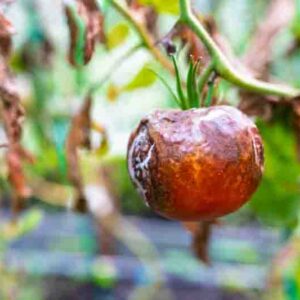
A dark, sunken patch at the blossom end of a tomato is blossom-end rot. The affected fruit is not receiving adequate calcium during development, but that does not automatically mean the garden soil lacks calcium.
Dry soil, rapidly changing moisture conditions, root injury, excessive fertilizer salts, and other root stresses can interfere with calcium uptake and transport. Before adding calcium products, improve moisture consistency and consider whether the roots are functioning well.
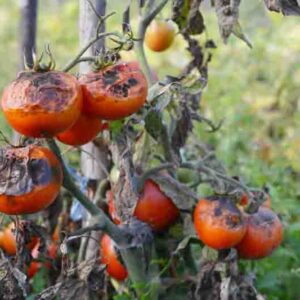
Cracking often follows a sudden increase in water availability after a dry period. The tomato takes up water rapidly and the fruit expands faster than the skin can accommodate.
You cannot prevent a summer downpour, but steady irrigation and mulch can reduce the dry-wet extremes that make cracking more likely. If mature tomatoes are already beginning to color and prolonged heavy rain is forecast, harvesting them can save vulnerable fruit.
Drought stress during flowering can contribute to poor fruit set, although temperature is often an important factor too. Keeping plants adequately watered will not overcome damaging heat or cold, but it removes one additional stress from the plant.
If your symptoms extend beyond watering, Gardenia’s Tomato Problems: What Is Wrong With My Plant? starts with visible symptoms and recent growing conditions rather than asking you to guess a disease name.
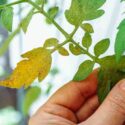
Wilting does not always mean a tomato is dry. Saturated soil can deprive roots of oxygen, impair root function, and eventually produce a plant that looks surprisingly similar to one suffering from drought.
Possible signs of excess water include:
Do not diagnose thirst from the leaves alone. A wilted tomato in dry soil and a wilted tomato in saturated soil require opposite responses. Check the soil before reaching for the hose.
Persistent wilting in adequately moist soil can also indicate damaged roots or disease. Gardenia’s Tomato Diseases: Identification, Treatment & Prevention can help distinguish infectious problems from environmental stress.
If you want one repeatable routine, use this:
That routine adapts automatically as the season changes. Instead of memorizing how many days should pass between waterings, you are responding to the plant and the soil in front of you.
Bottom line: Water tomatoes deeply enough to reach the roots, then allow the soil to begin using that moisture before watering again. Aim for consistency, not constant wetness. For established in-ground tomatoes, about 1 inch per week is a sensible starting point – then let soil, weather, plant size, and growing method tell you what happens next.
Your tomato is telling you something. Start with the symptom:
Usually not if tomatoes are growing in the ground. Check the soil several inches deep and water when the root zone is beginning to dry. Container tomatoes may need daily watering during hot weather because their limited volume of potting mix dries much faster.
About 1 inch (2.5 cm) of rainfall and irrigation per week is a useful starting point for established in-ground tomatoes under moderate conditions. Hot weather, wind, sandy soil, raised beds, containers, plant size, and fruit load can all increase demand.
Check several inches below the soil surface. If the root zone is becoming dry, water thoroughly. Do not rely only on afternoon wilting, since tomatoes can droop temporarily during intense heat even when moisture remains available around their roots.
Morning is convenient because temperatures are cooler and accidentally wetted foliage has time to dry. However, a genuinely dry tomato should be watered when necessary rather than left severely stressed until the following morning. Apply water to the soil whenever practical.
Check container tomatoes daily during warm weather. Mature plants may need daily watering in summer, particularly in hot or windy conditions. Container size, plant size, potting mix, temperature, and sun exposure all affect how quickly a pot dries.
Yes. Persistently saturated soil can deprive roots of oxygen and impair their ability to function, so a tomato in wet soil can wilt. Check the soil before watering a drooping plant. Persistent wilt in moist soil can also indicate root damage or disease.
Irregular soil moisture can contribute to blossom-end rot by disrupting calcium uptake and movement into developing fruit. Root damage, excessive fertilizer salts, and other stresses can also contribute, so blossom-end rot does not automatically mean that the soil needs additional calcium.
Large plants carrying developing fruit often use more water than young plants. Monitor the soil more closely as plant size and fruit load increase, especially during hot weather, rather than increasing irrigation automatically according to a fixed schedule.
Updated: September 2026 • Reviewed by Gardenia Editors
| Hardiness |
2 - 11 |
|---|---|
| Climate Zones | 1, 1A, 1B, 2, 2A, 2B, 3, 3A, 3B, 4, 5, 6, 7, 8, 9, 10, 11, 12, 13, 14, 15, 16, 17, 18, 19, 20, 21, 22, 23, 24, A1, A2, A3, H1, H2 |
| Plant Type | Fruits |
| Plant Family | Solanaceae |
| Genus | Solanum, Tomatoes |
| Common names | Love Apple, Tomato |
| Exposure | Full Sun |
| Season of Interest | Spring (Late), Summer (Early, Mid, Late), Fall |
| Height | 3' - 10' (90cm - 3m) |
| Spread | 1' - 4' (30cm - 120cm) |
| Spacing | 24" - 36" (60cm - 90cm) |
| Maintenance | Average, High |
| Water Needs | Average |
| Soil Type | Clay, Loam, Sand |
| Soil pH | Acid, Neutral |
| Soil Drainage | Moist but Well-Drained |
| Tolerance | Rabbit, Clay Soil |
| Attracts | Bees |
| Landscaping Ideas | Patio And Containers |
| Garden Styles | City and Courtyard, Informal and Cottage, Pollinator Garden |
| Hardiness |
2 - 11 |
|---|---|
| Climate Zones | 1, 1A, 1B, 2, 2A, 2B, 3, 3A, 3B, 4, 5, 6, 7, 8, 9, 10, 11, 12, 13, 14, 15, 16, 17, 18, 19, 20, 21, 22, 23, 24, A1, A2, A3, H1, H2 |
| Plant Type | Fruits |
| Plant Family | Solanaceae |
| Genus | Solanum, Tomatoes |
| Common names | Love Apple, Tomato |
| Exposure | Full Sun |
| Season of Interest | Spring (Late), Summer (Early, Mid, Late), Fall |
| Height | 3' - 10' (90cm - 3m) |
| Spread | 1' - 4' (30cm - 120cm) |
| Spacing | 24" - 36" (60cm - 90cm) |
| Maintenance | Average, High |
| Water Needs | Average |
| Soil Type | Clay, Loam, Sand |
| Soil pH | Acid, Neutral |
| Soil Drainage | Moist but Well-Drained |
| Tolerance | Rabbit, Clay Soil |
| Attracts | Bees |
| Landscaping Ideas | Patio And Containers |
| Garden Styles | City and Courtyard, Informal and Cottage, Pollinator Garden |
Create a membership account to save your garden designs and to view them on any device.
Becoming a contributing member of Gardenia is easy and can be done in just a few minutes. If you provide us with your name, email address and the payment of a modest $25 annual membership fee, you will become a full member, enabling you to design and save up to 25 of your garden design ideas.
Join now and start creating your dream garden!
Create a membership account to save your garden designs and to view them on any device.
Becoming a contributing member of Gardenia is easy and can be done in just a few minutes. If you provide us with your name, email address and the payment of a modest $25 annual membership fee, you will become a full member, enabling you to design and save up to 25 of your garden design ideas.
Join now and start creating your dream garden!